


Secondary sourceBook1892
The Youth of Frederick the Great
Ernest Lavisse · 1892
An 1892 English translation by Mary Bushnell Coleman of a study of Frederick's youth by Ernest Lavisse, a professor at the Sorbonne. It focuses on his clashes with his father.
A scholarly study of Frederick's youth and his conflicts with his father, showing how later historians examined his formation as a ruler.
Free Humy account · No credit card · 120,912 sources to read
About this source
What it is
This is a book titled The Youth of Frederick the Great, written by Ernest Lavisse, a professor at the Sorbonne in Paris. Mary Bushnell Coleman translated it from French, and it was published in Chicago by S. C. Griggs and Company in 1892. The book runs to about 445 pages and is listed as a study of Frederick's youth and his clashes with his father. The Internet Archive holds a scanned copy.
Why it matters
Lavisse wrote a scholarly study of Frederick's early life, and this translation made his work available to English-speaking readers. The author's preface argues that Prussia was made by men rather than by nature, and it describes a king who was a military monomaniac. Students can see how a French historian and an American translator framed Prussia and its rulers for their own readers.
Look closer
- The preface says Prussia was made by men rather than by nature. What reasons does the author give for this claim, and how would you test it?
- The book was translated from French. What might the translator have changed or chosen to emphasize for an English-speaking audience?
- Whose voices appear in this study, and whose are missing, such as the ordinary subjects described in the preface?
This book is part of the curated material that grounds the AI version of Frederick the Great on Humy.ai — when students ask about related events, the AI can quote it and cite it.
More Frederick the Great sources
Browse all 86 →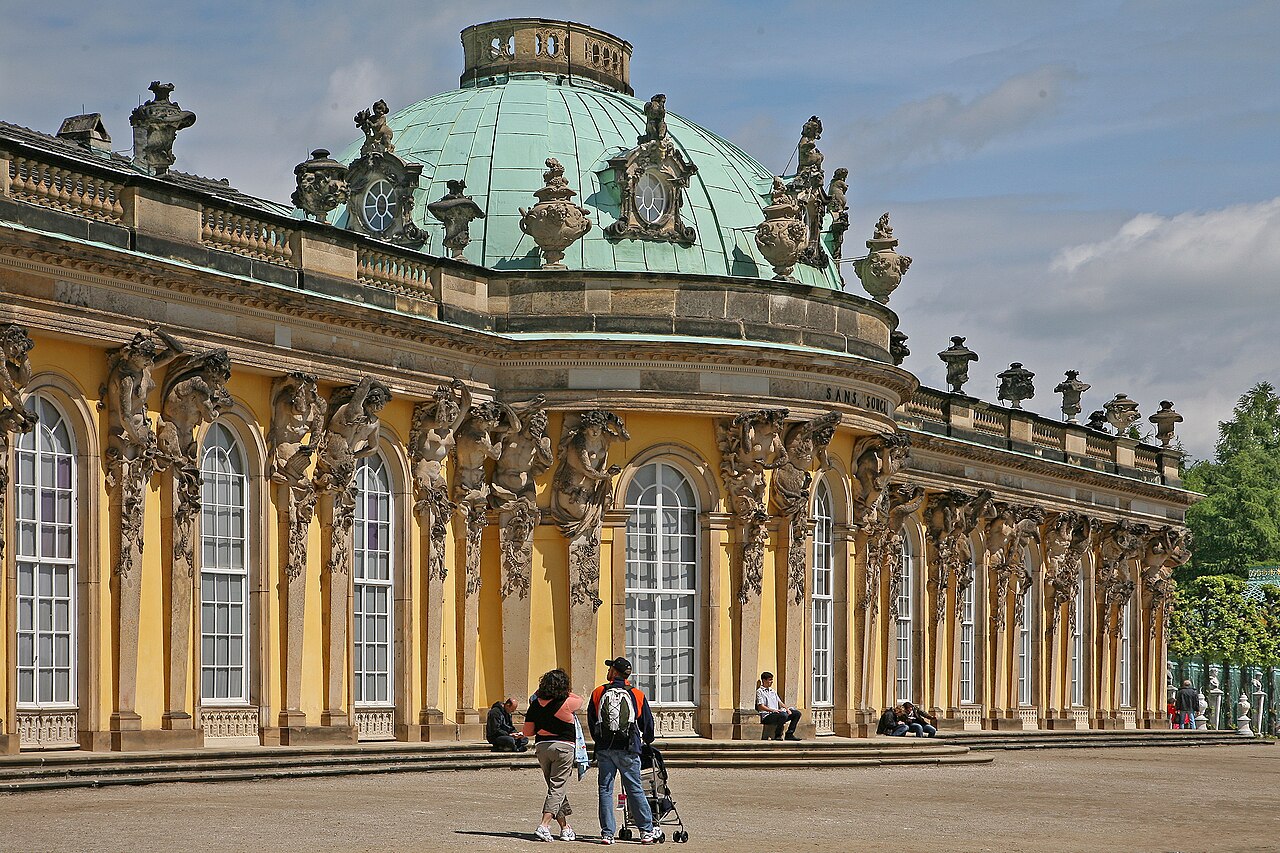 Artifact
Primary source
Sanssouci Palace
Georg Wenzeslaus von Knobelsdorff · 1745-1747
 Painting
Primary source
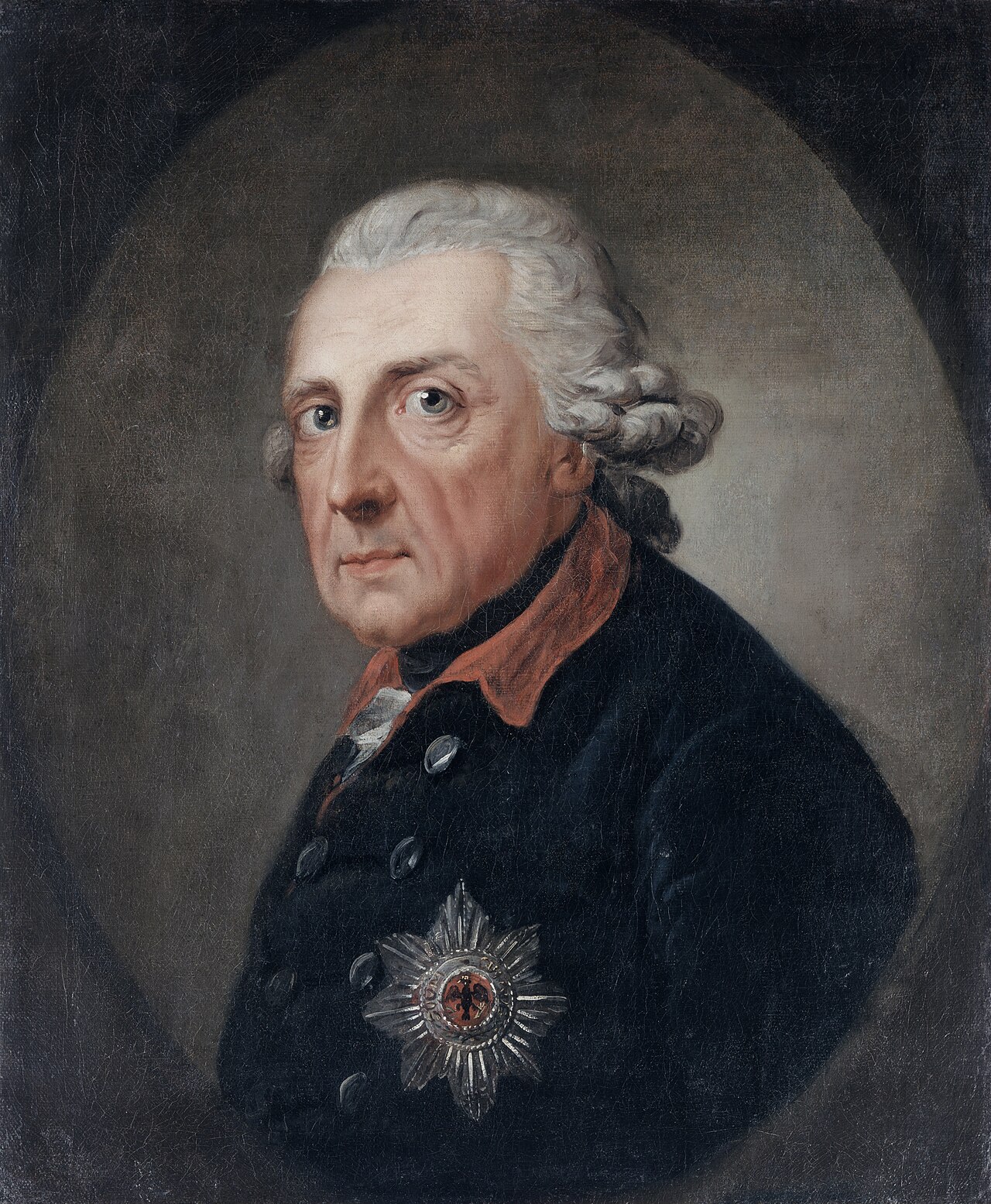
Portrait of Frederick II of Prussia
Anton Graff · 1781 or 1786
 Painting
Secondary source
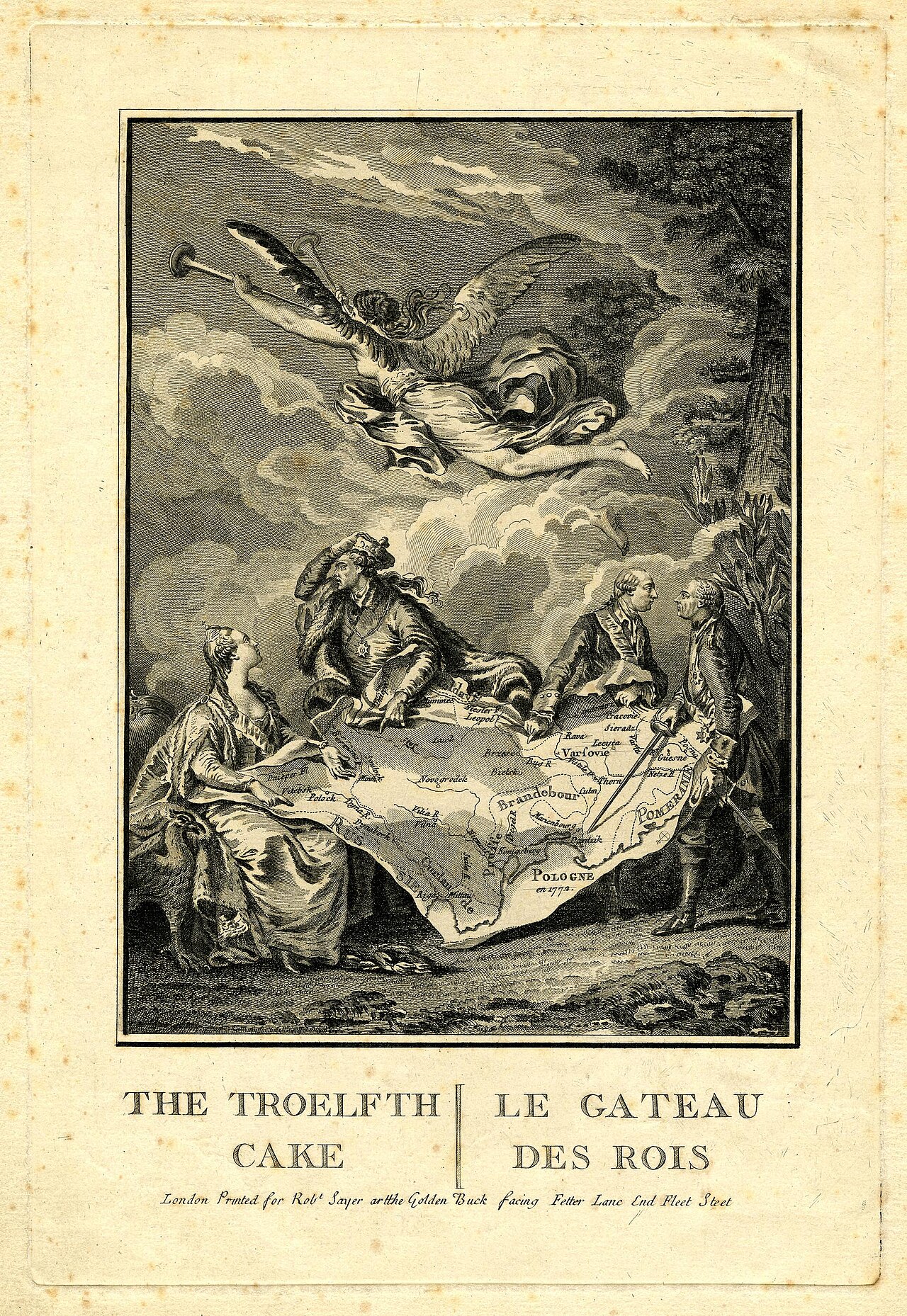
The Troelfth Cake
Noël Le Mire after Jean-Michel Moreau · 1772-1773
 Book
Primary source
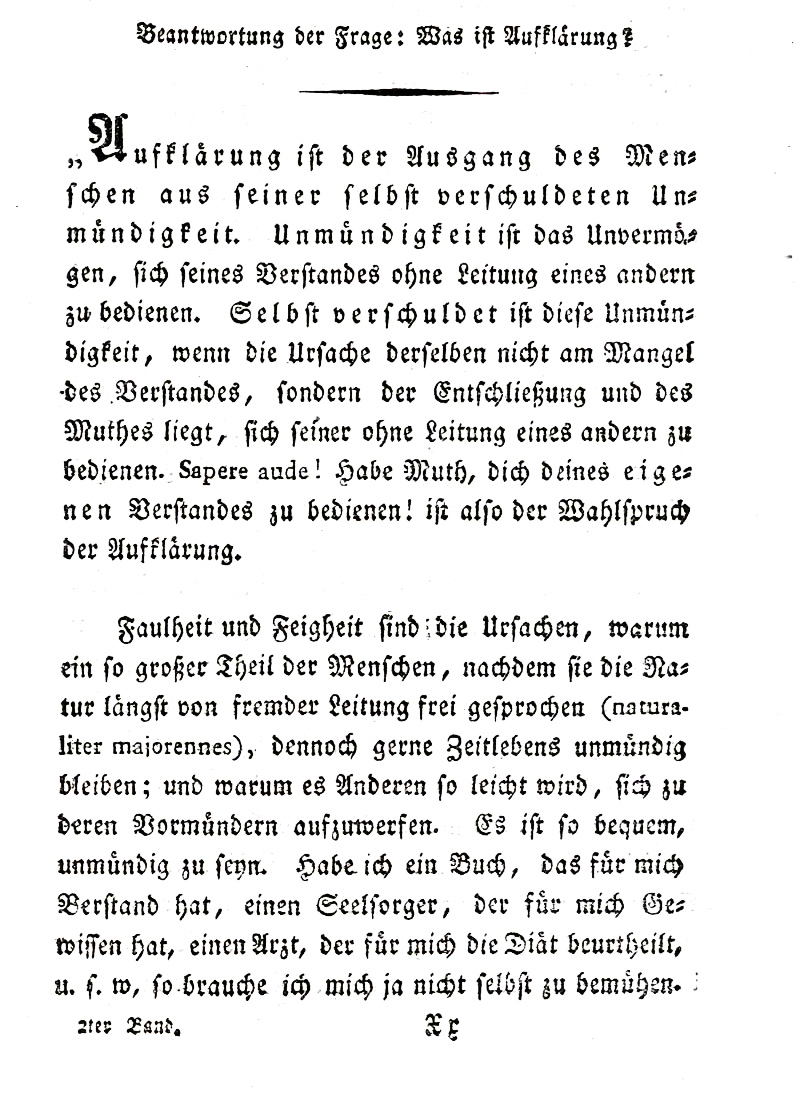
Answering the Question: What Is Enlightenment?
Immanuel Kant · 1784
Free account
Read every Frederick the Great source
Sign up free →
Ready when you are
Start chatting with Frederick the Great now.
20 messages free · No credit card · Available in 50+ languages.