


Primary sourceDocument1875
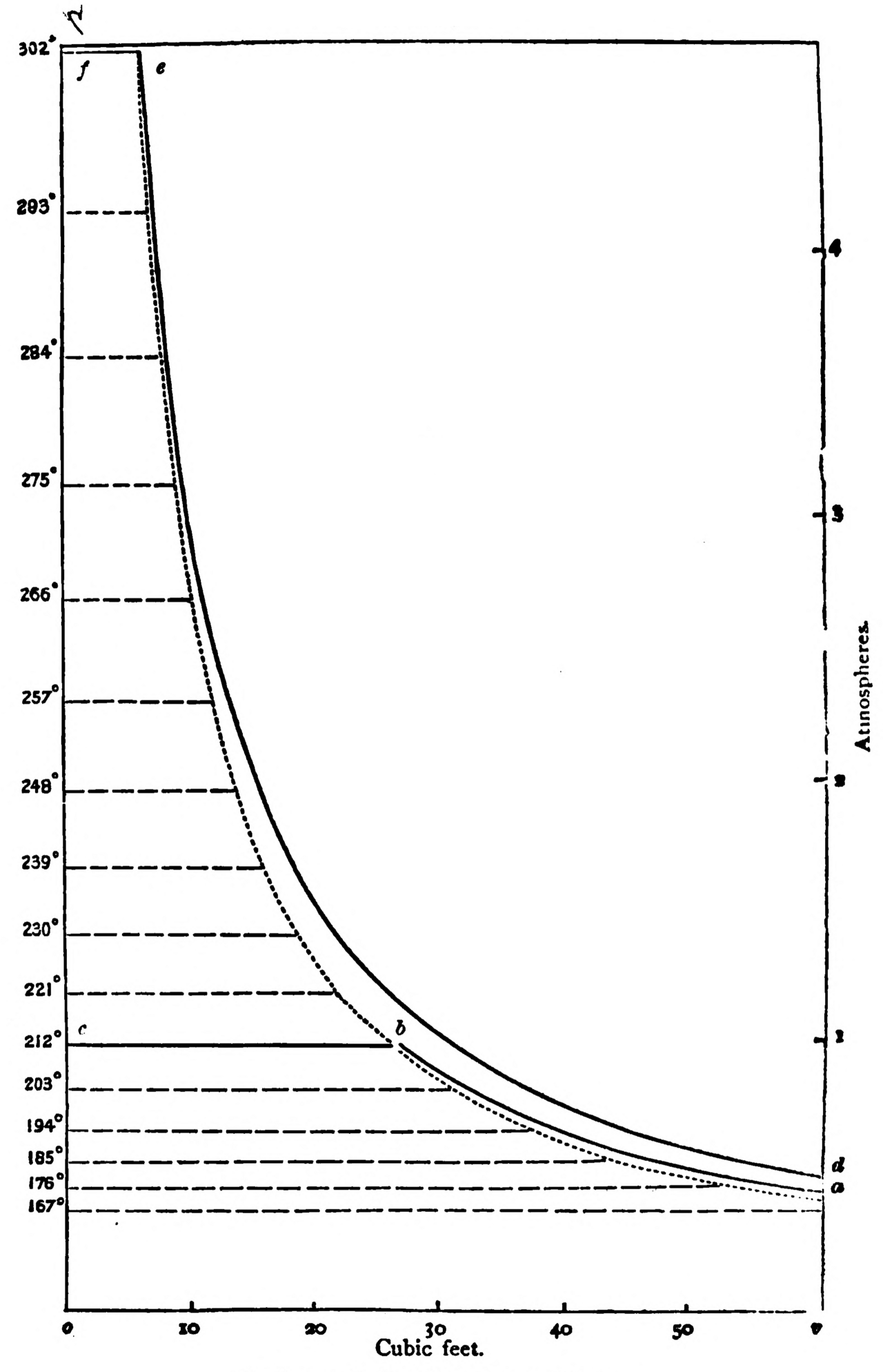
Theory of Heat, Figure 14: Isothermals for Steam and Water
James Clerk Maxwell · 1875
A graph by James Clerk Maxwell from Theory of Heat showing isothermal curves for steam and water, used to reason about how these substances behave under heat and pressure.
Maxwell made this graph to show his reasoning about steam and water, placing his own analysis at the centre of his book.
About this source
What it is
This is Figure 14 from James Clerk Maxwell's book Theory of Heat, dated 1875 in the catalogue record. It is a line graph of isothermals for steam and water. The vertical axis runs in degrees from 167 to 302, the horizontal axis shows cubic feet from 0 to 60, and the right axis shows atmospheres from 0 to 4. Solid and dotted curves descend from upper left to lower right, with points labelled a through f.
Why it matters
Isothermals are curves that show how a substance behaves at a fixed temperature as its pressure and volume change. Maxwell used such graphs to reason about steam and water in his thermodynamic work. The curator's note presents this graph as evidence of his step-by-step reasoning, which students of the period were expected to follow.
Look closer
- What happens to the curves as you move from upper left to lower right, and what might that mean for steam?
- Why are the points labelled a through f useful, and what would the text need to explain them?
- What does a graph like this hide about the experiments that produced its numbers?
This document is part of the curated material that grounds the AI version of James Clerk Maxwell on Humy.ai — when students ask about related events, the AI can quote it and cite it.
More James Clerk Maxwell sources
Browse all 90 →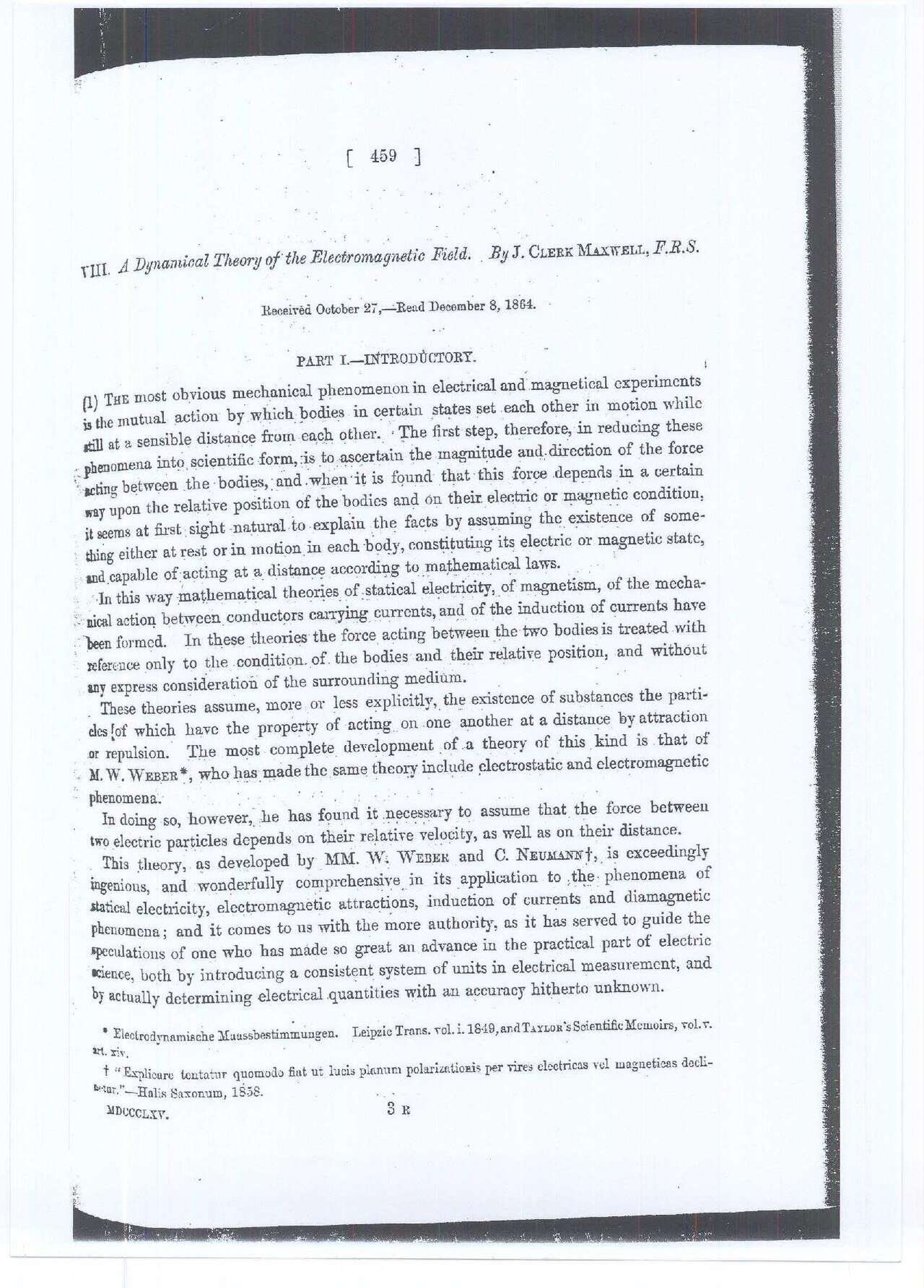 Document
Primary source
A Dynamical Theory of the Electromagnetic Field
James Clerk Maxwell · 1865 (read 8 December 1864)
 Photograph
Primary source
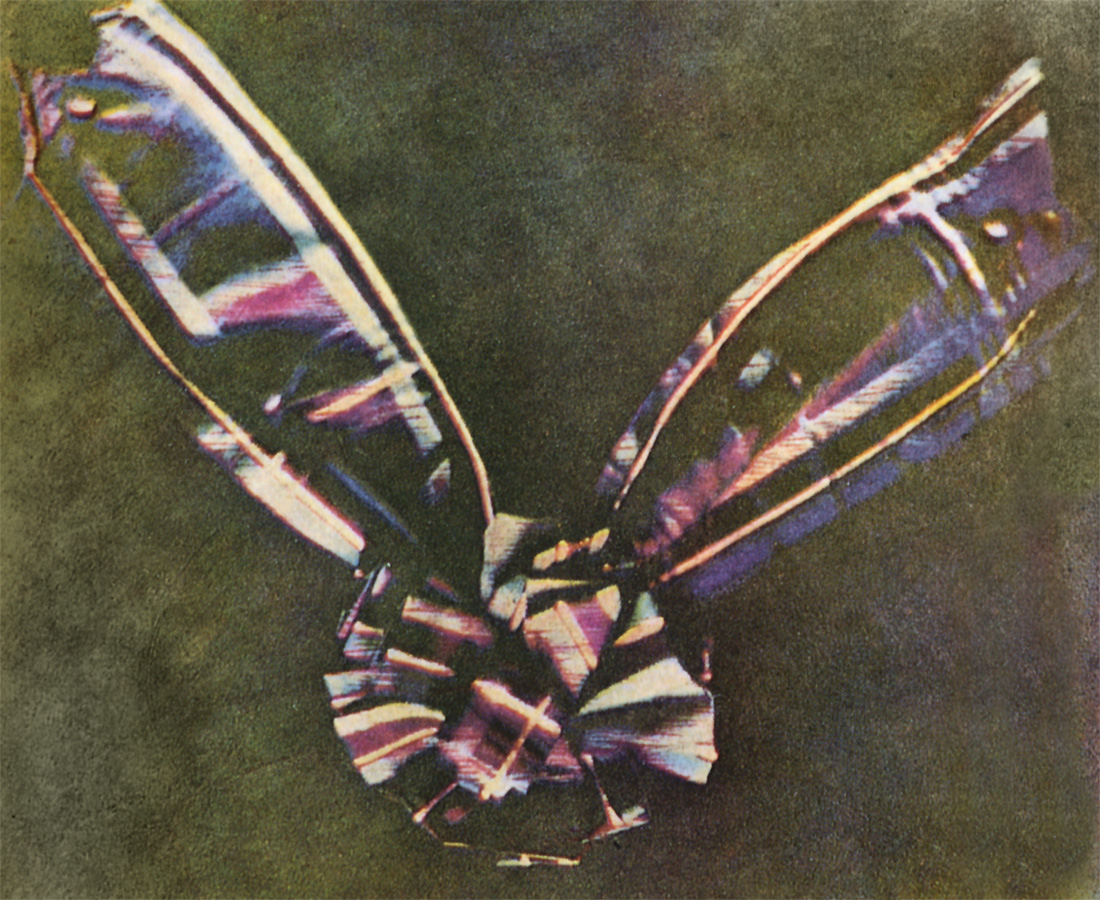
Tartan Ribbon Colour Photograph
James Clerk Maxwell with Thomas Sutton · 1861
 Document
Primary source
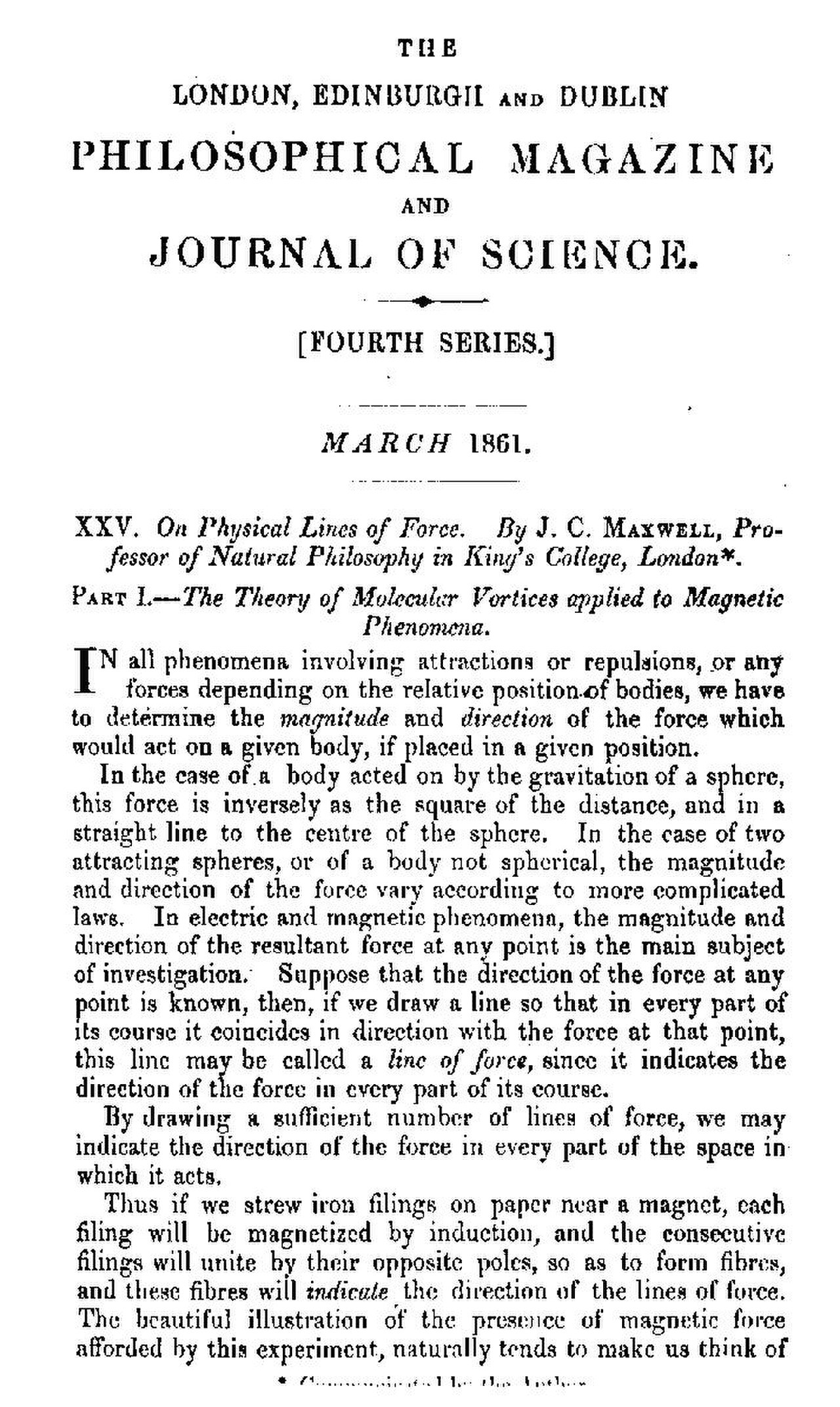
On Physical Lines of Force
James Clerk Maxwell · 1861–1862
 Document
Secondary source
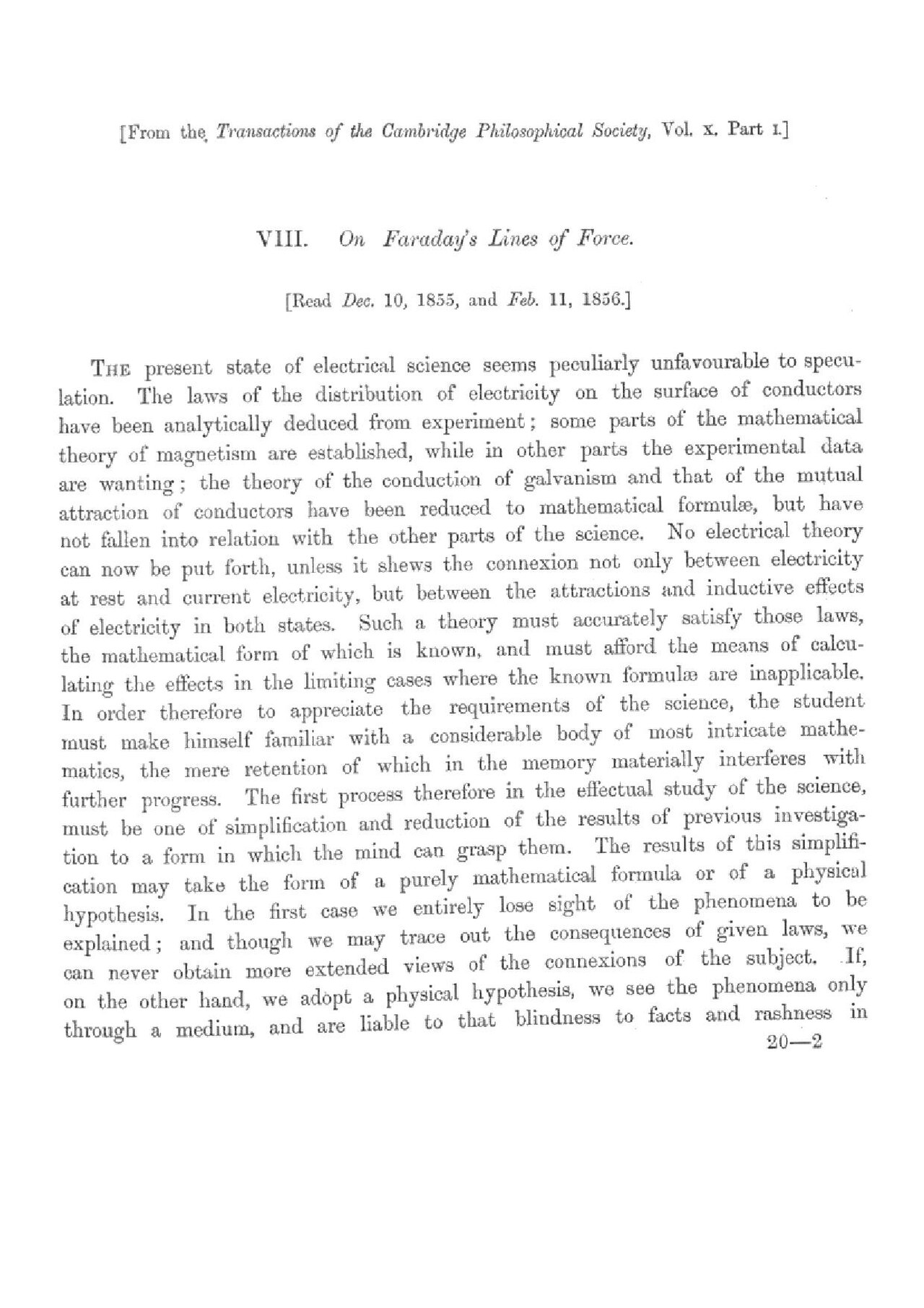
On Faraday's Lines of Force
James Clerk Maxwell · 1855-1856
Free account
Read every James Clerk Maxwell source
Sign up free →
Ready when you are
Start chatting with James Clerk Maxwell now.
20 messages free · No credit card · Available in 50+ languages.