


Primary sourceDocument1875
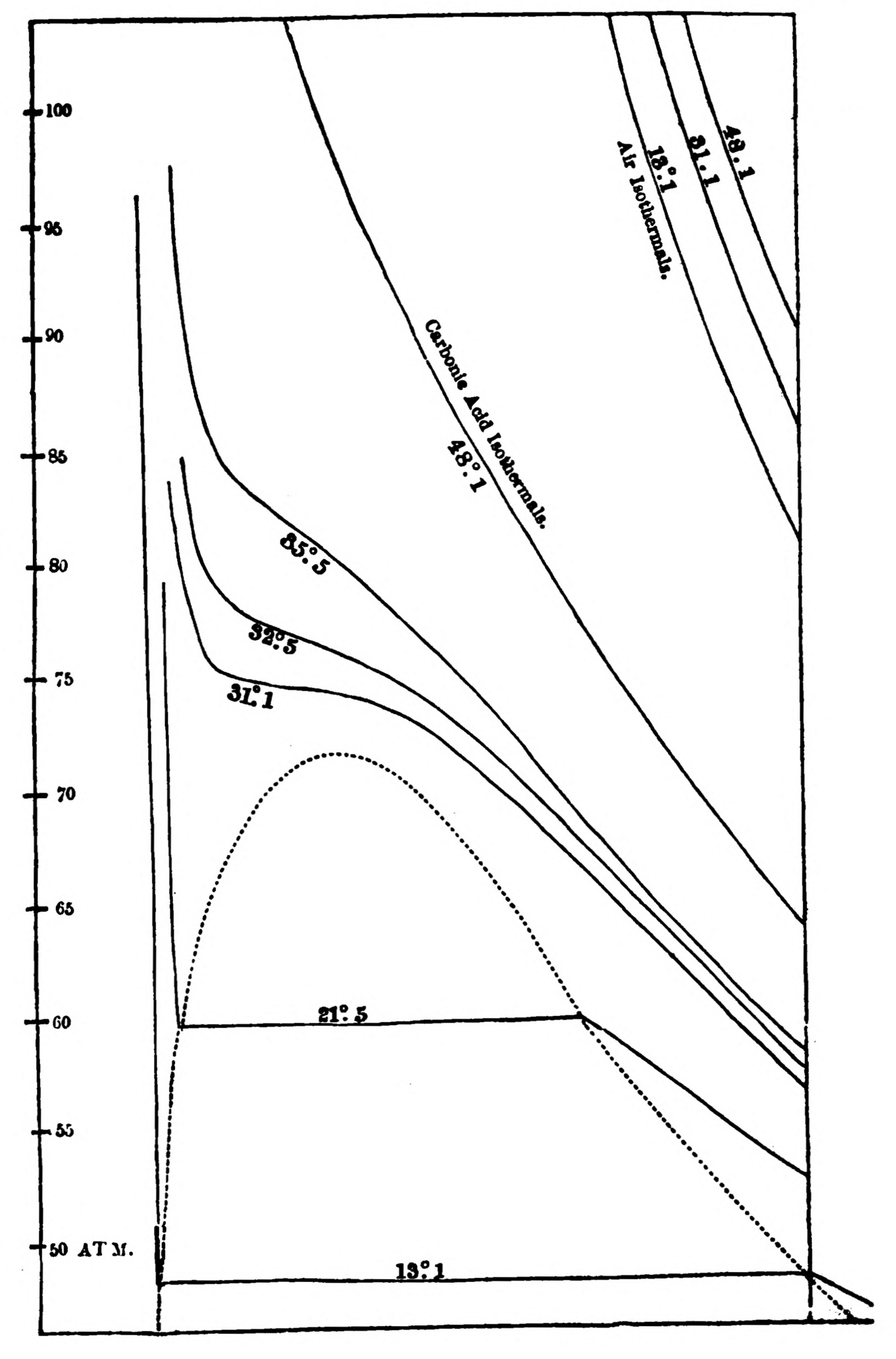
Theory of Heat, Figure 15: Isothermals of Carbonic Acid
James Clerk Maxwell · 1875
A graph by James Clerk Maxwell from Theory of Heat showing pressure-volume curves for carbonic acid, illustrating how gas behaves near the point where it turns to liquid.
Maxwell included this graph to explain gas behaviour, showing how he used comparisons to make his physics clear to readers.
About this source
What it is
This is Figure 15 from James Clerk Maxwell's book Theory of Heat, dated 1875 in the catalogue record. It is a line diagram of pressure-volume isothermals for carbonic acid. The vertical axis runs from 50 to 100 atmospheres, and curves are labelled with temperatures from 13.1 to 85.5 degrees. A dotted dome-shaped curve marks the region where liquid and gas can exist together. The labels 'Carbonic Acid Isothermals' and 'Air Isothermals' also appear.
Why it matters
Carbonic acid was a gas that scientists studied closely in the 1800s, because its behaviour near liquefaction showed how gases turn into liquids. Maxwell's graph compares it with air, helping readers see differences between substances. The figure shows how experimental data on gases was turned into visual arguments in the physics of heat.
Look closer
- How does the dotted dome-shaped curve change the way the other curves should be read?
- Why might the diagram compare carbonic acid directly with air?
- What would you need to know about the experiments behind these curves to judge them fairly?
This document is part of the curated material that grounds the AI version of James Clerk Maxwell on Humy.ai — when students ask about related events, the AI can quote it and cite it.
More James Clerk Maxwell sources
Browse all 90 →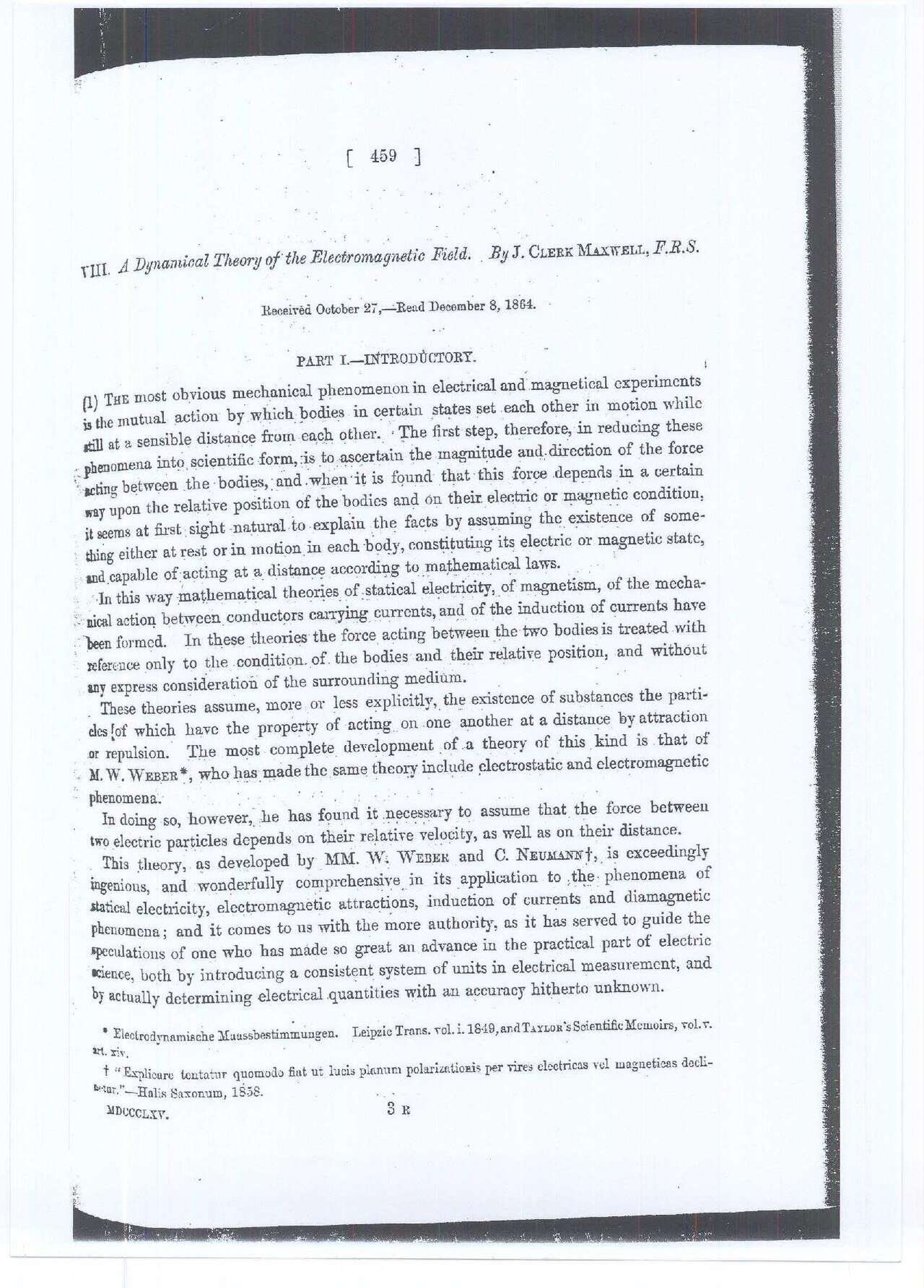 Document
Primary source
A Dynamical Theory of the Electromagnetic Field
James Clerk Maxwell · 1865 (read 8 December 1864)
 Photograph
Primary source
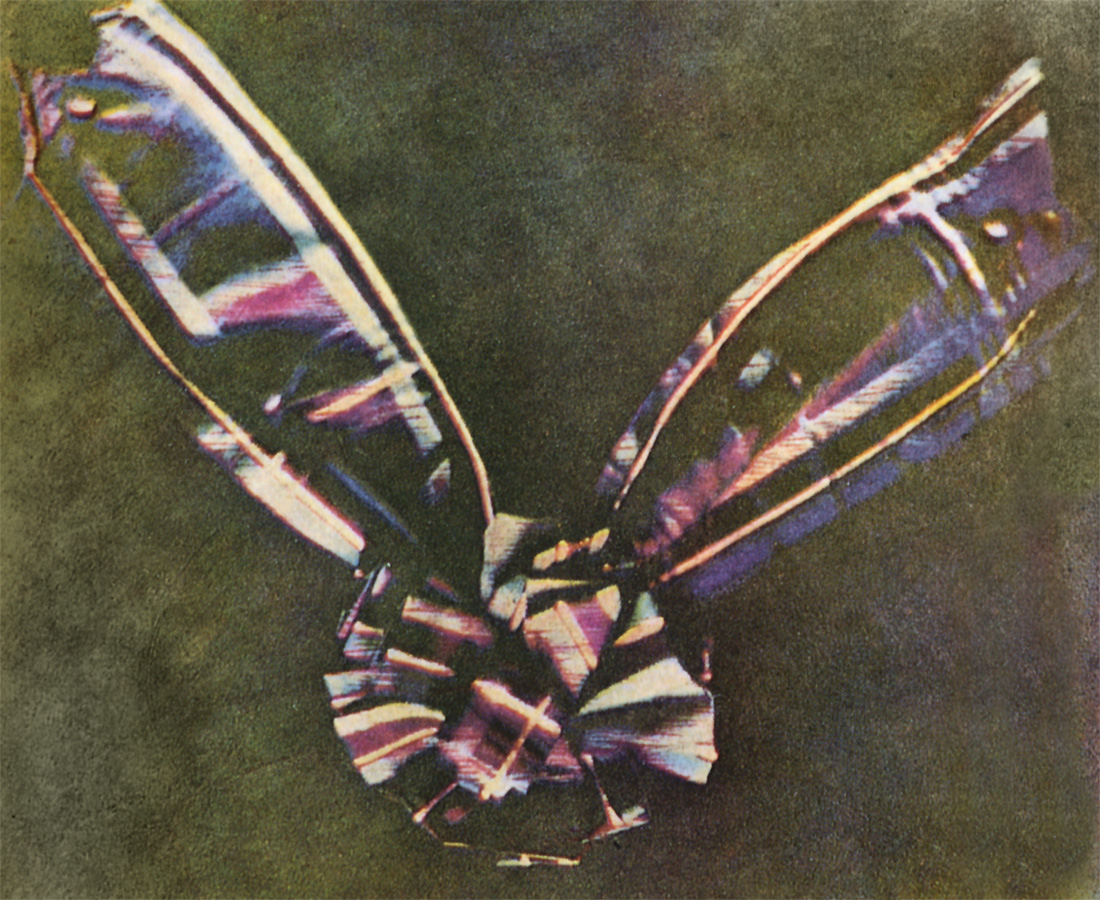
Tartan Ribbon Colour Photograph
James Clerk Maxwell with Thomas Sutton · 1861
 Document
Primary source
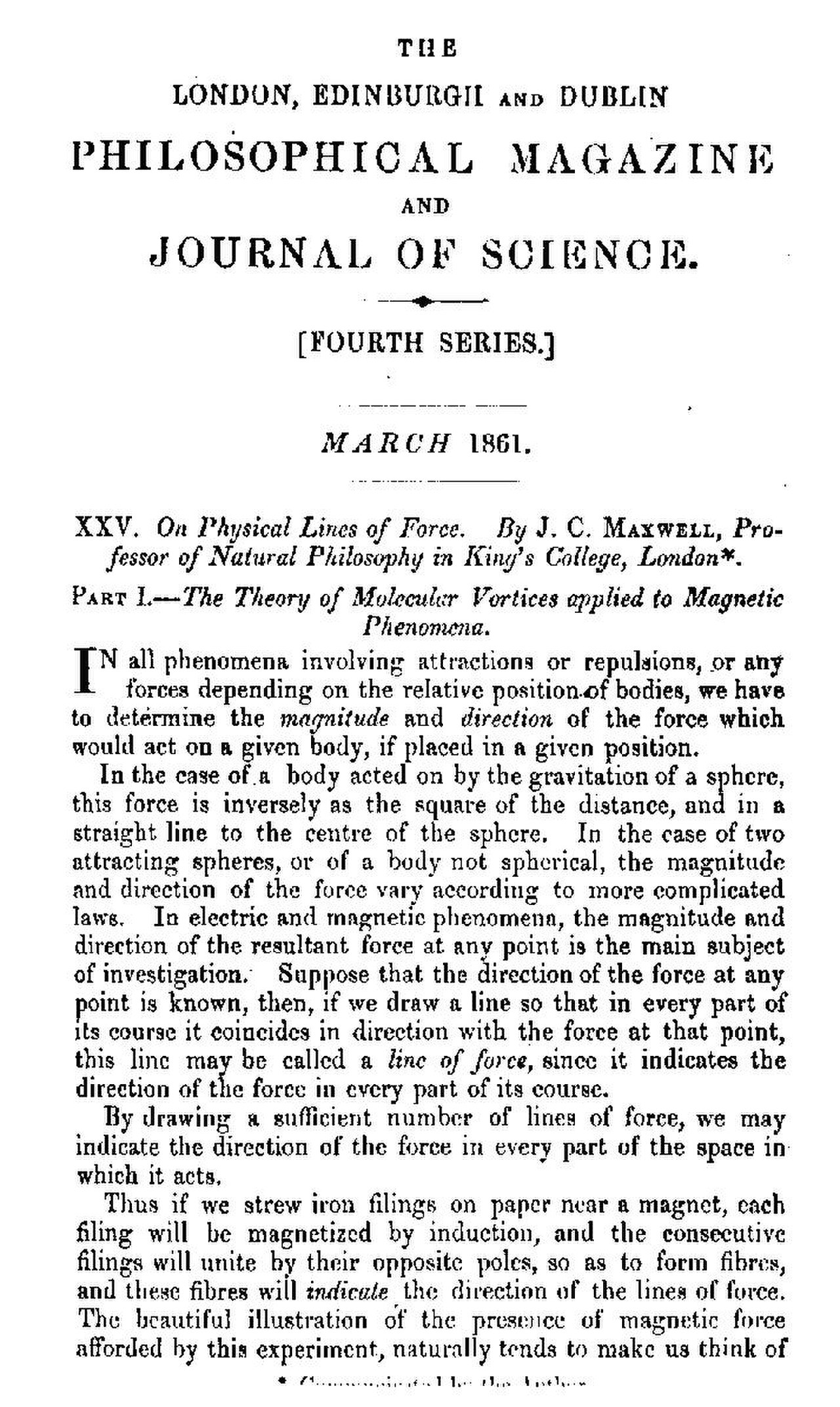
On Physical Lines of Force
James Clerk Maxwell · 1861–1862
 Document
Secondary source
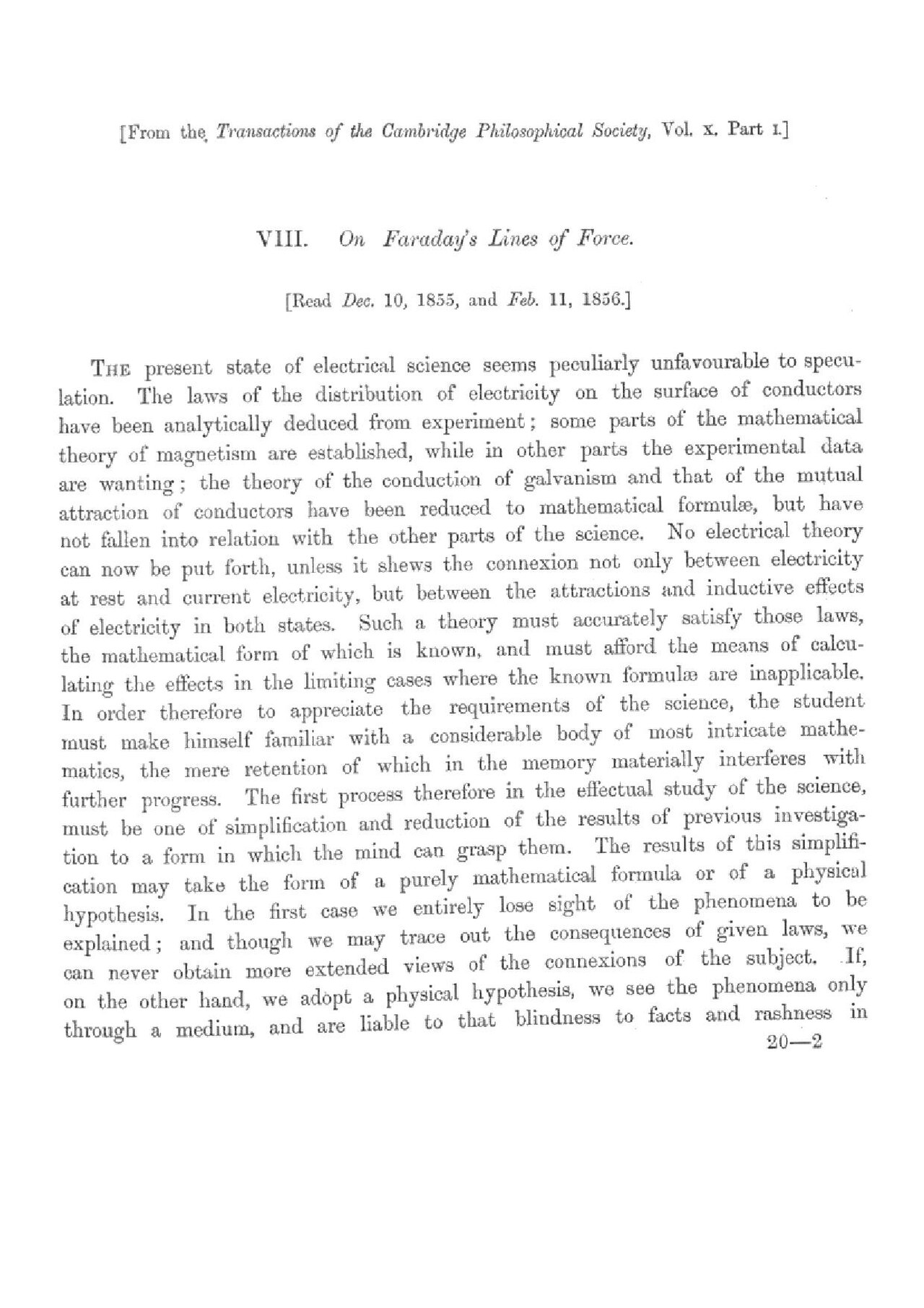
On Faraday's Lines of Force
James Clerk Maxwell · 1855-1856
Free account
Read every James Clerk Maxwell source
Sign up free →
Ready when you are
Start chatting with James Clerk Maxwell now.
20 messages free · No credit card · Available in 50+ languages.