


Primary sourceDocument1821-1823
Theory of the Combination of Observations Least Subject to Error
Carl Friedrich Gauss · 1821-1823
Gauss's foundational text on least squares and error theory, written around 1821-1823, here in English translation from the original Latin and French.
This is Gauss's own foundational work on the theory of errors and least squares, central to his statistical methods.
Free Humy account · No credit card · 120,912 sources to read
About this source
What it is
This is an English translation of a work written by Carl Friedrich Gauss around 1821 to 1823, hosted as a text on Wikisource. It explains how to combine multiple observations so as to minimize error in measurement.
Why it matters
Gauss distinguishes between random and systematic errors in measurement, a distinction still fundamental to statistics and science today. This text shows his practical concern with astronomy and physical measurement, connecting pure mathematics to the real-world problem of getting accurate results from imperfect instruments and observers.
Look closer
- Why does Gauss separate errors into two different categories?
- What does this text tell you about the limits of instruments and human senses in his time?
- How does this early theory of error relate to how scientists check their results today?
This document is part of the curated material that grounds the AI version of Carl Friedrich Gauss on Humy.ai — when students ask about related events, the AI can quote it and cite it.
More Carl Friedrich Gauss sources
Browse all 77 → Diary entry
Primary source
Eureka Diary Entry
Carl Friedrich Gauss · 10 July 1796
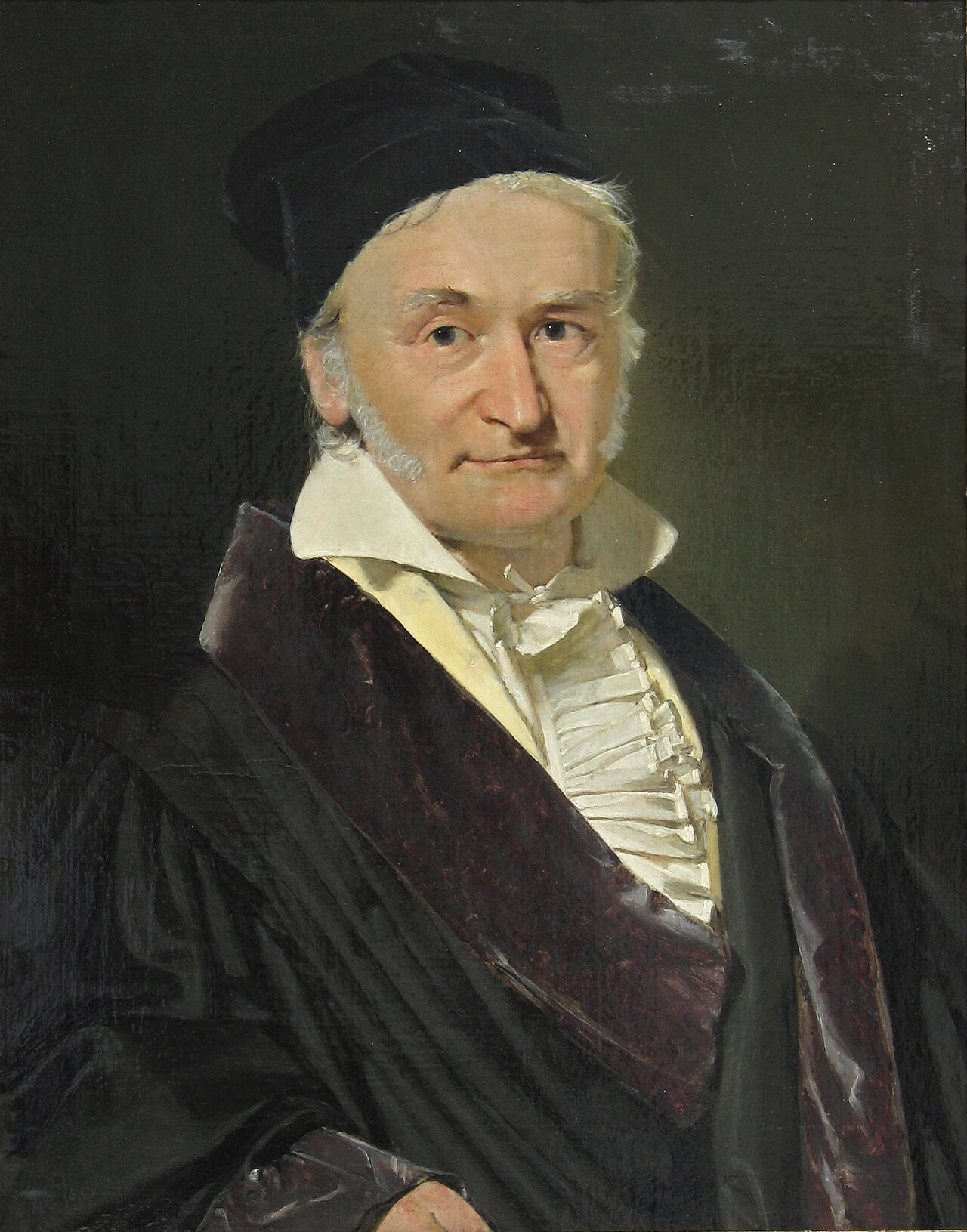 Painting
Primary source
Portrait of Carl Friedrich Gauß
Christian Albrecht Jensen · 1840
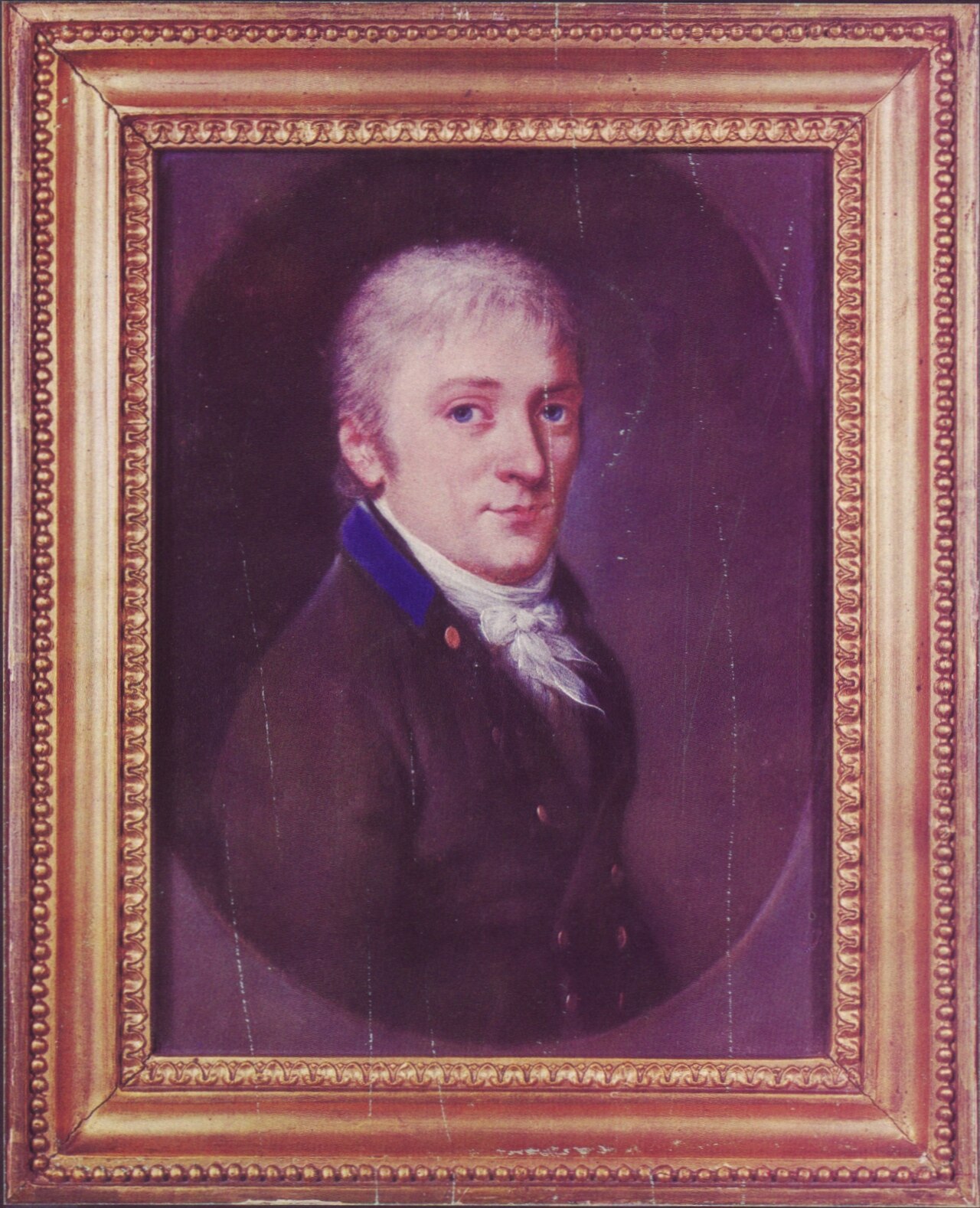 Painting
Primary source
Portrait of Gauss by Johann Christian August Schwartz
Johann Christian August Schwartz · 1803
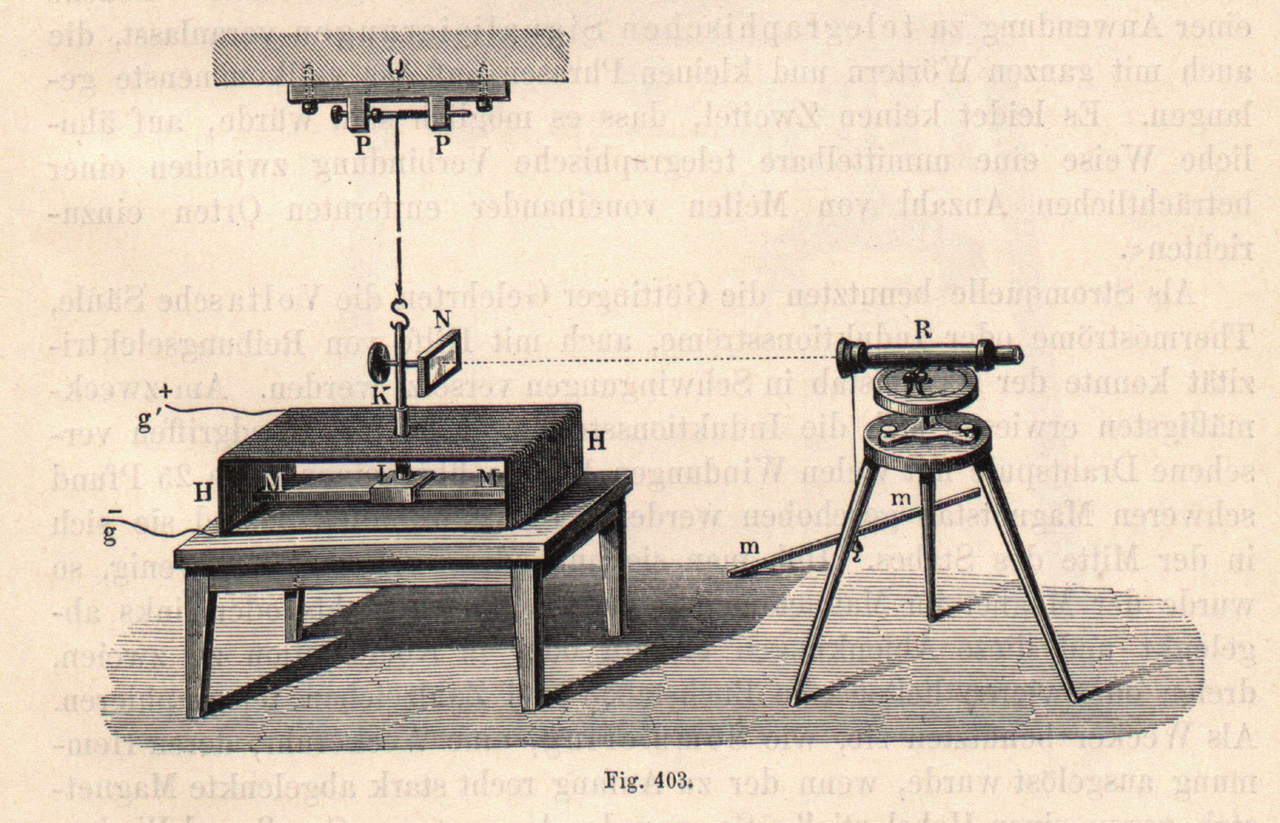 Artifact
Secondary source
Illustration of a Magnetometer Used by Gauss
1899
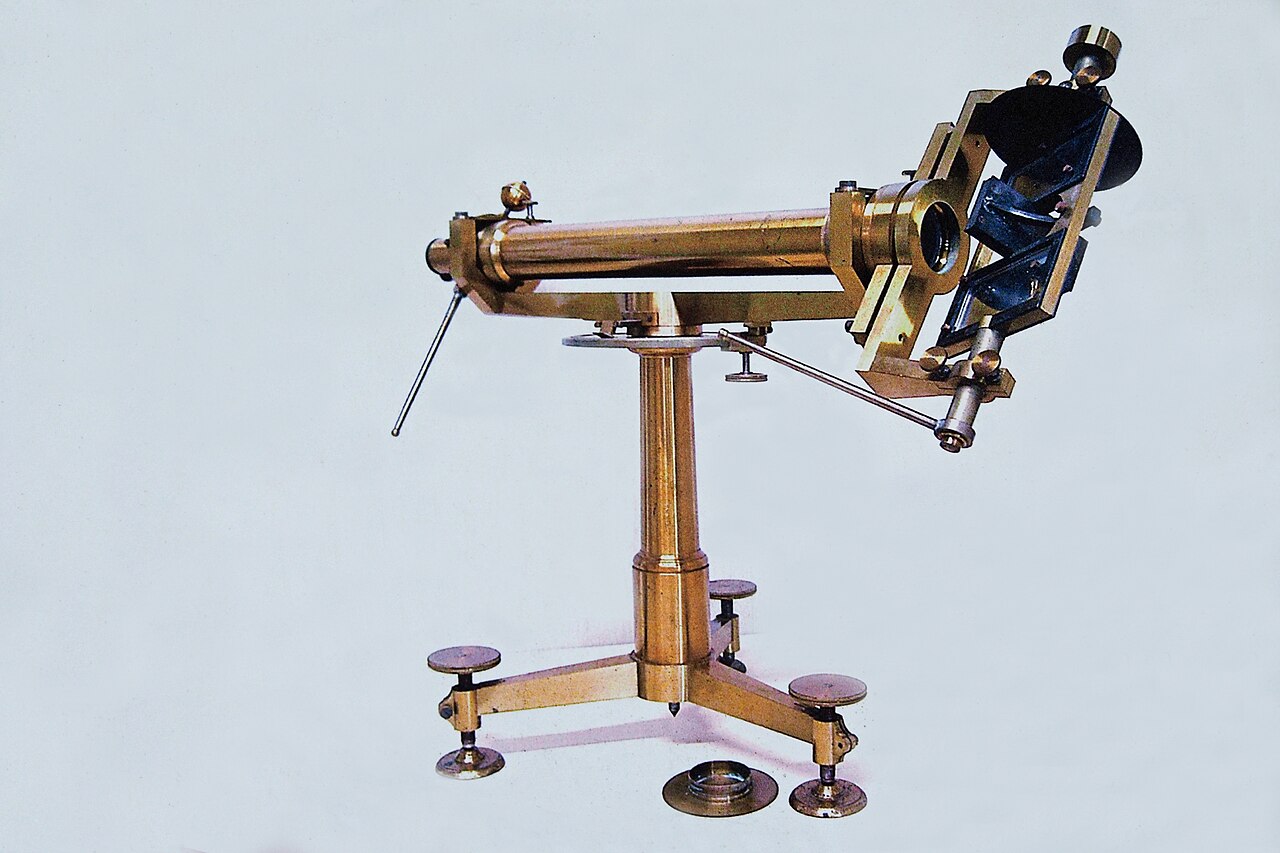

Free account
Read every Carl Friedrich Gauss source
Sign up free →
Ready when you are
Start chatting with Carl Friedrich Gauss now.
20 messages free · No credit card · Available in 50+ languages.