


Primary sourcePainting
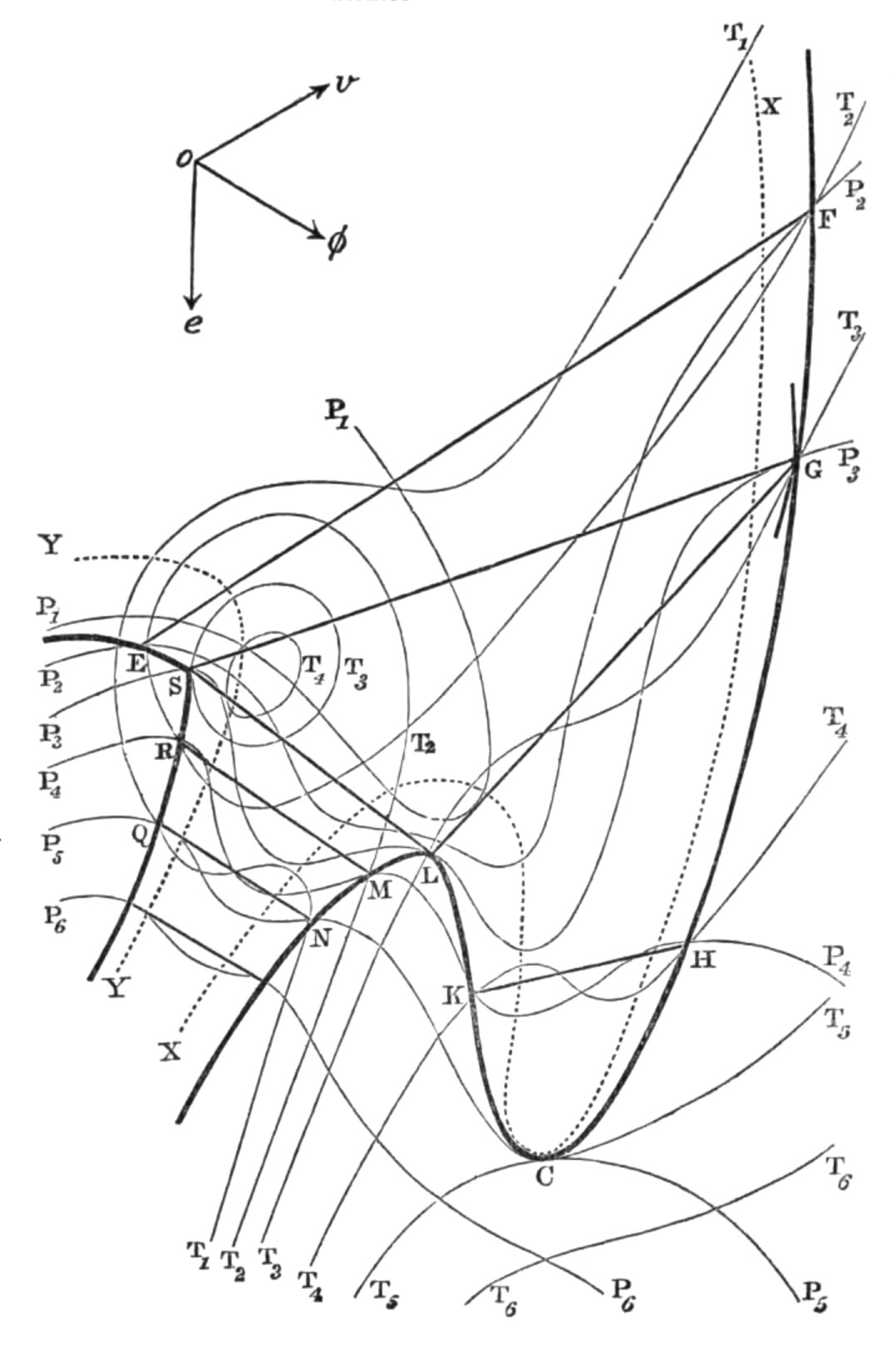
Thermodynamic Surface Figure from Theory of Heat
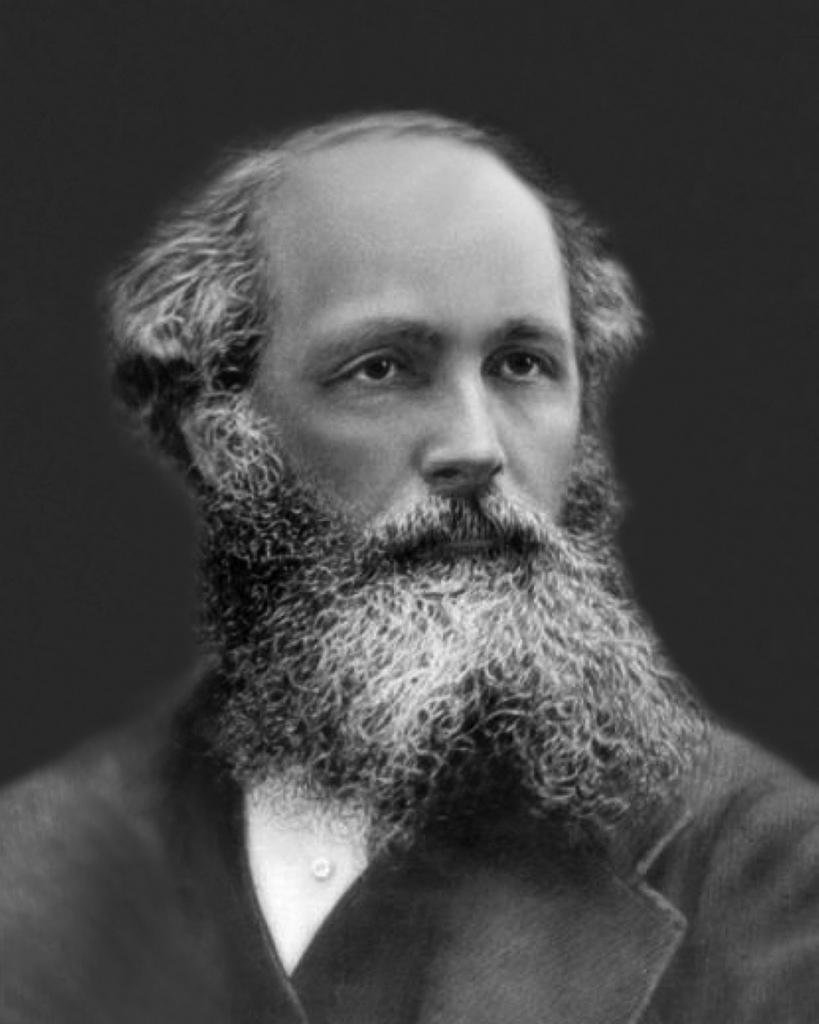
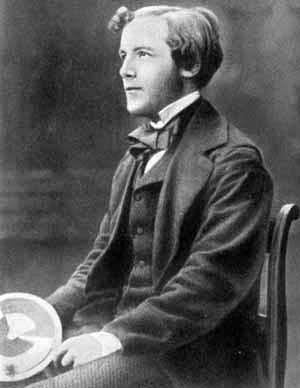
James Clerk Maxwell
Maxwell's own diagram of his thermodynamic surface, published in his book Theory of Heat.
This diagram, from his book Theory of Heat, links Maxwell's mathematical and physical models of thermodynamics.
About this source
What it is
This is a line drawing made by James Clerk Maxwell, showing features of his "thermodynamic surface," a geometric way of representing the relationships between volume, entropy, and energy in a substance. It appears in his book Theory of Heat.
Why it matters
The drawing connects directly to a physical plaster model Maxwell designed to represent the same surface in three dimensions. It shows how Maxwell used both mathematics and physical models to visualize abstract thermodynamic concepts, making complex ideas easier to grasp and teach.
Look closer
- Why might a scientist create both a drawing and a physical model of the same idea?
- What do the labelled curves and planes suggest about what the surface represents?
- How might this kind of visual thinking have helped Maxwell explain thermodynamics to students?
This painting is part of the curated material that grounds the AI version of James Clerk Maxwell on Humy.ai — when students ask about related events, the AI can quote it and cite it.
More James Clerk Maxwell sources
Browse all 90 →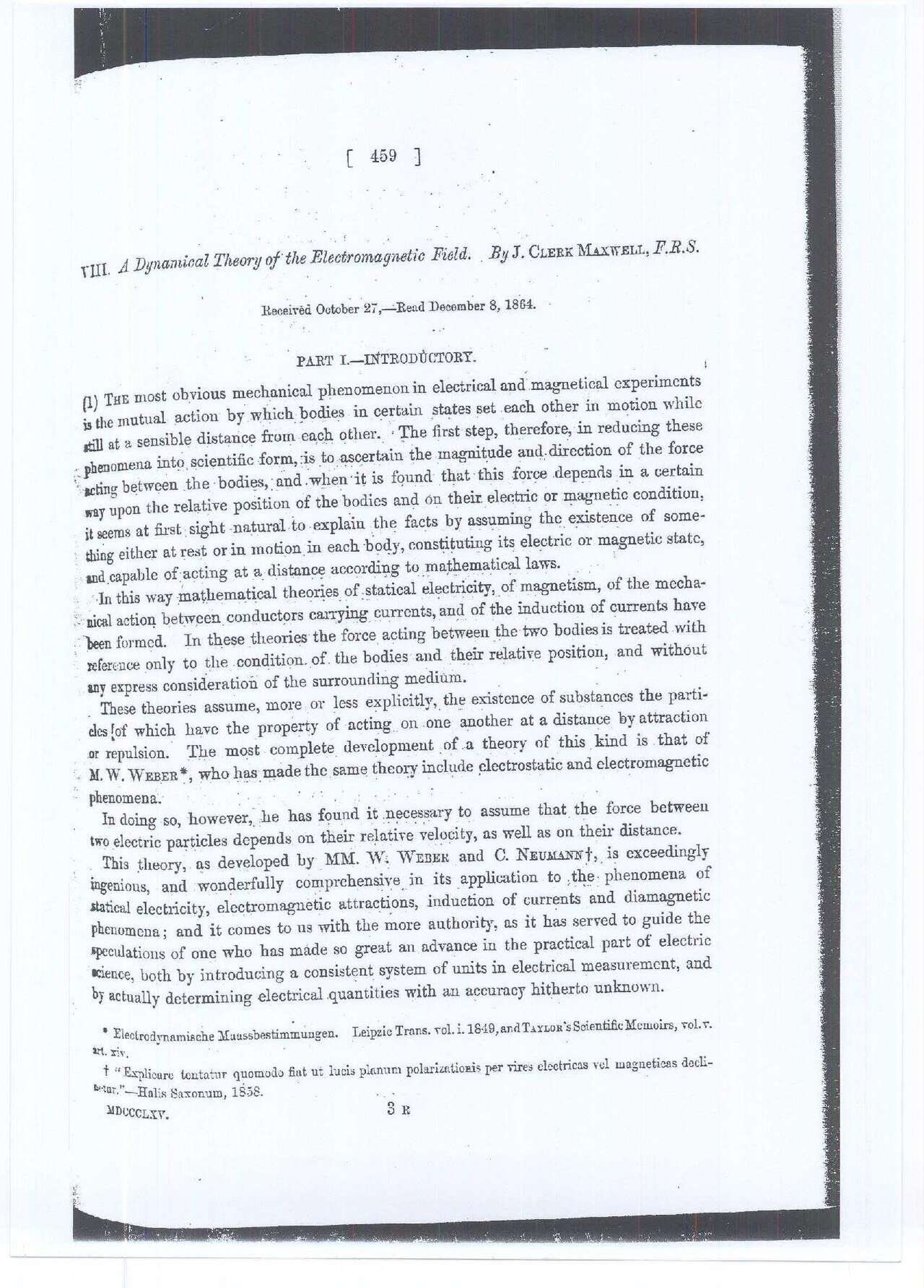 Document
Primary source
A Dynamical Theory of the Electromagnetic Field
James Clerk Maxwell · 1865 (read 8 December 1864)
 Photograph
Primary source
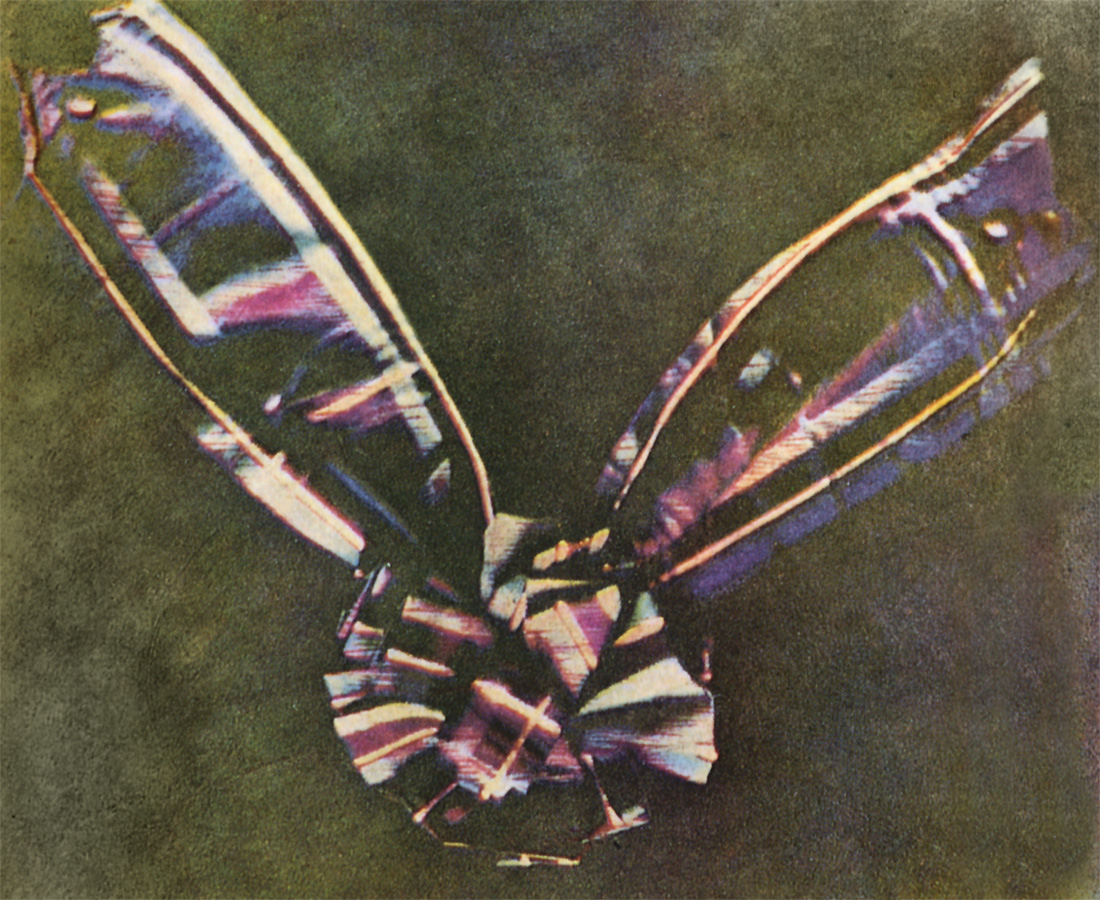
Tartan Ribbon Colour Photograph
James Clerk Maxwell with Thomas Sutton · 1861
 Document
Primary source
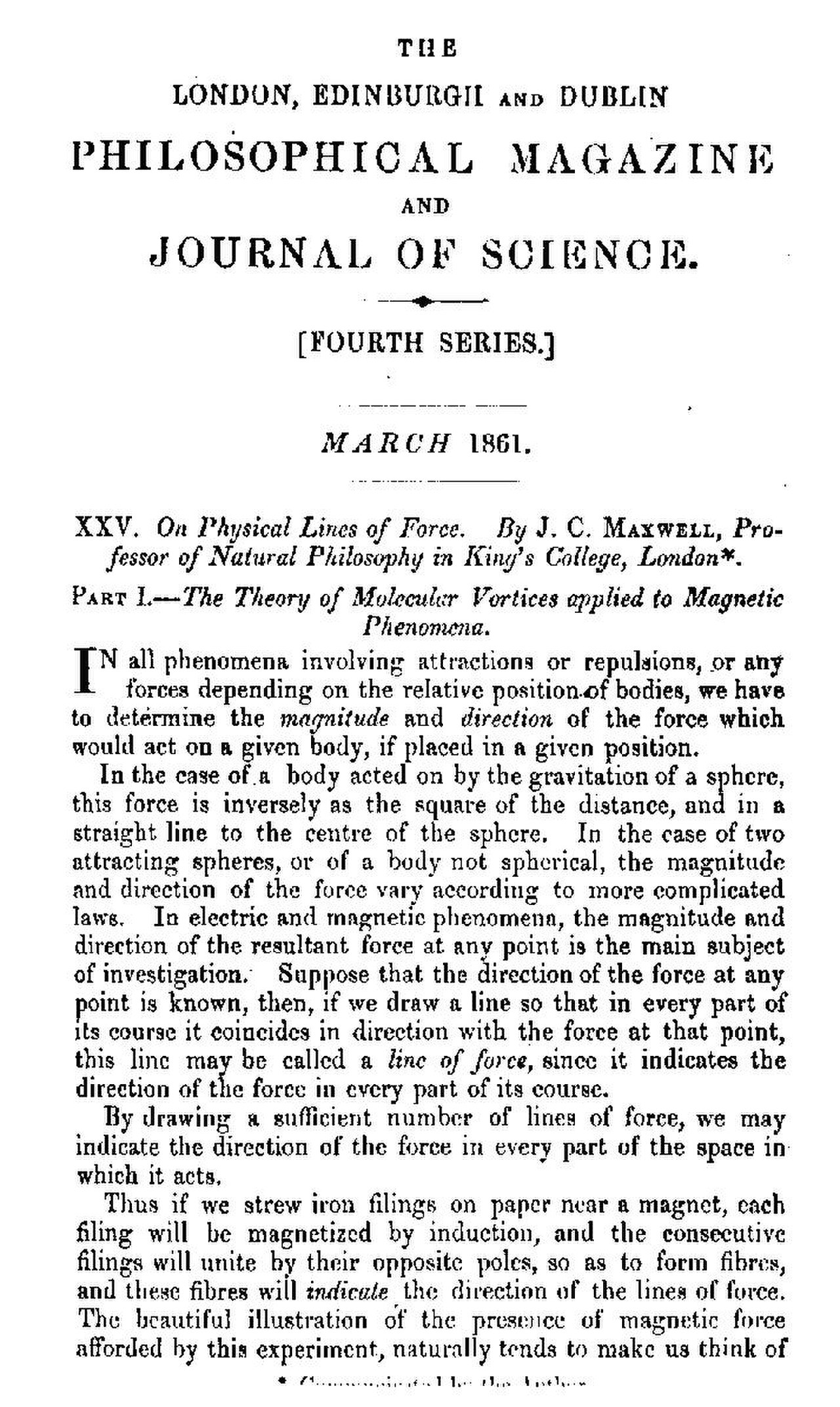
On Physical Lines of Force
James Clerk Maxwell · 1861–1862
 Document
Secondary source
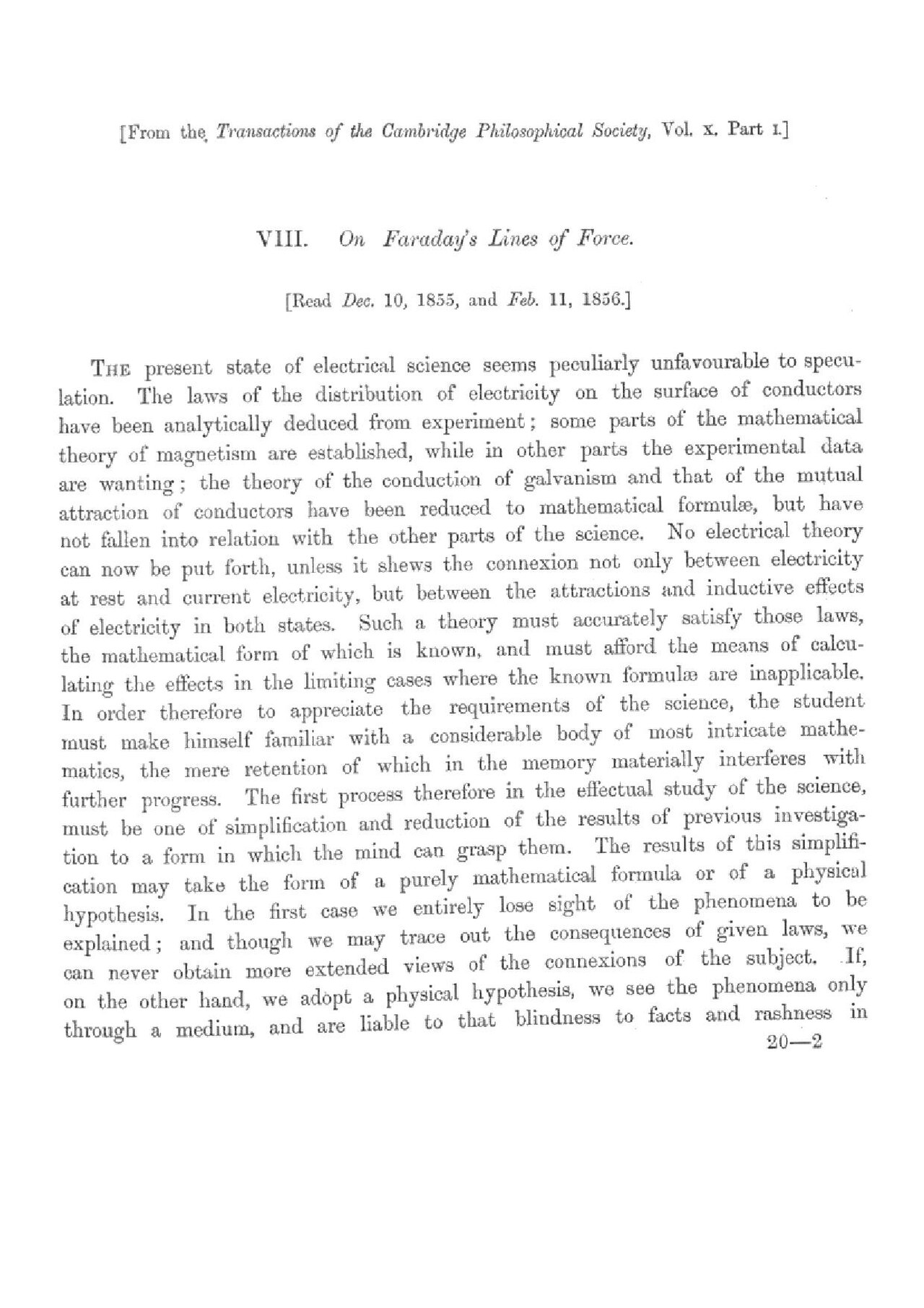
On Faraday's Lines of Force
James Clerk Maxwell · 1855-1856
Free account
Read every James Clerk Maxwell source
Sign up free →
Ready when you are
Start chatting with James Clerk Maxwell now.
20 messages free · No credit card · Available in 50+ languages.