


Primary sourceSculpture1900
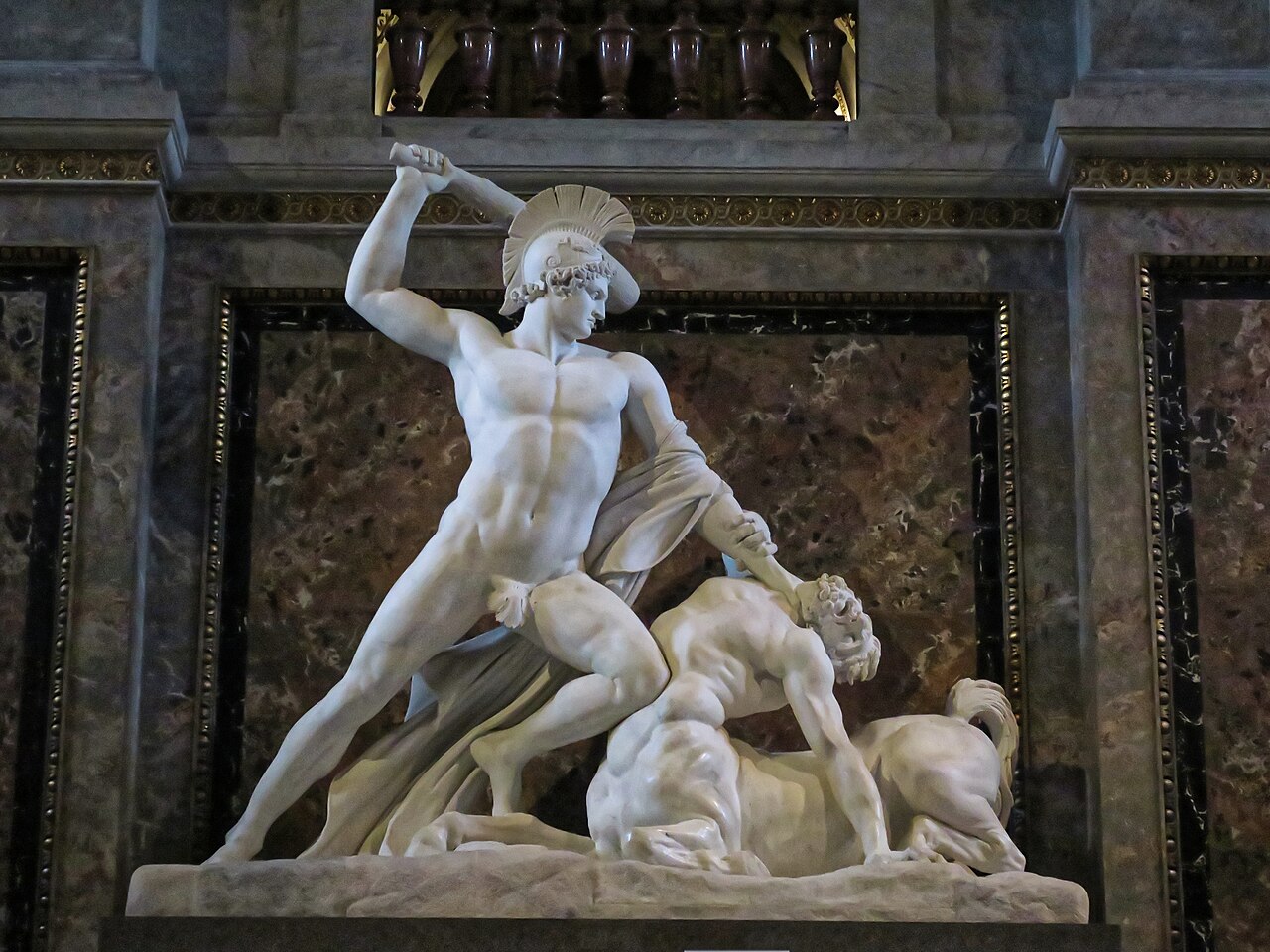
Theseus and Centaur
Antonio Canova · 1900
A marble sculpture by Antonio Canova depicting Theseus battling a centaur, acquired by Francis II/I after Napoleon's fall.
Francis acquired this sculpture after Napoleon's defeat, making it a personal symbol of his triumph over France.
About this source
What it is
This is a marble sculpture group by the Italian sculptor Antonio Canova, showing the hero Theseus overpowering a centaur. It is now held in the Kunsthistorisches Museum in Vienna.
Why it matters
The work was originally connected to Napoleon's circle, but after Napoleon's defeat it was acquired by Francis II/I, Holy Roman Emperor and later Emperor of Austria. For Francis, owning this piece turned a work once tied to his great rival into a symbol of his own victory over France.
Look closer
- What does the pose of Theseus suggest about strength and triumph?
- Why might an emperor want to display a sculpture once associated with his enemy?
- What story is Canova telling through the figures, and what might it have meant to viewers at the time?
This sculpture is part of the curated material that grounds the AI version of Francis II, Holy Roman Emperor on Humy.ai — when students ask about related events, the AI can quote it and cite it.
More Francis II, Holy Roman Emperor sources
Browse all 91 →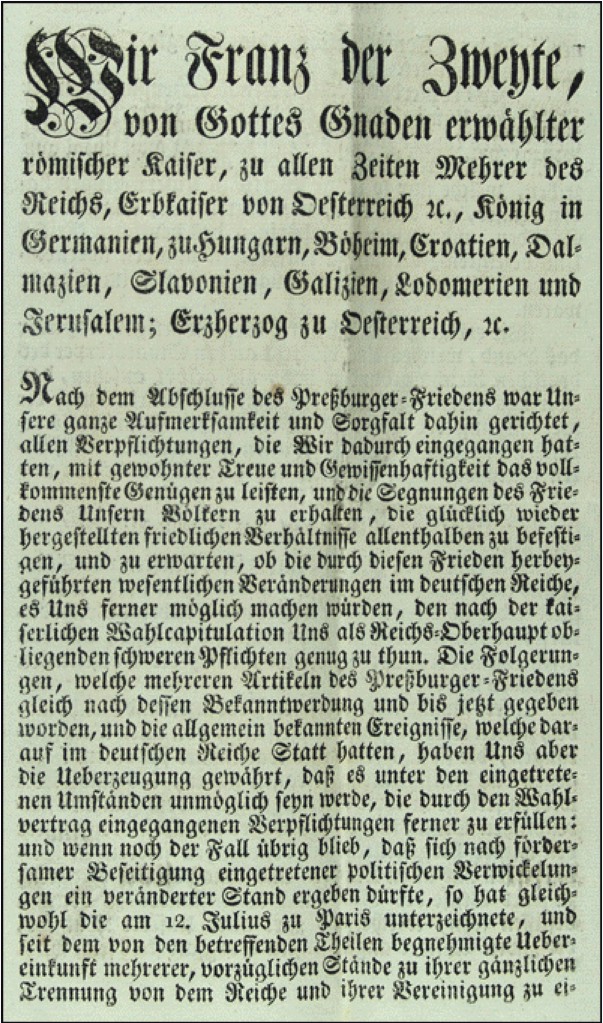 Document
Primary source
Declaration of the Laying Down of the Imperial Crown
Francis II, Holy Roman Emperor · 6 August 1806
 Document
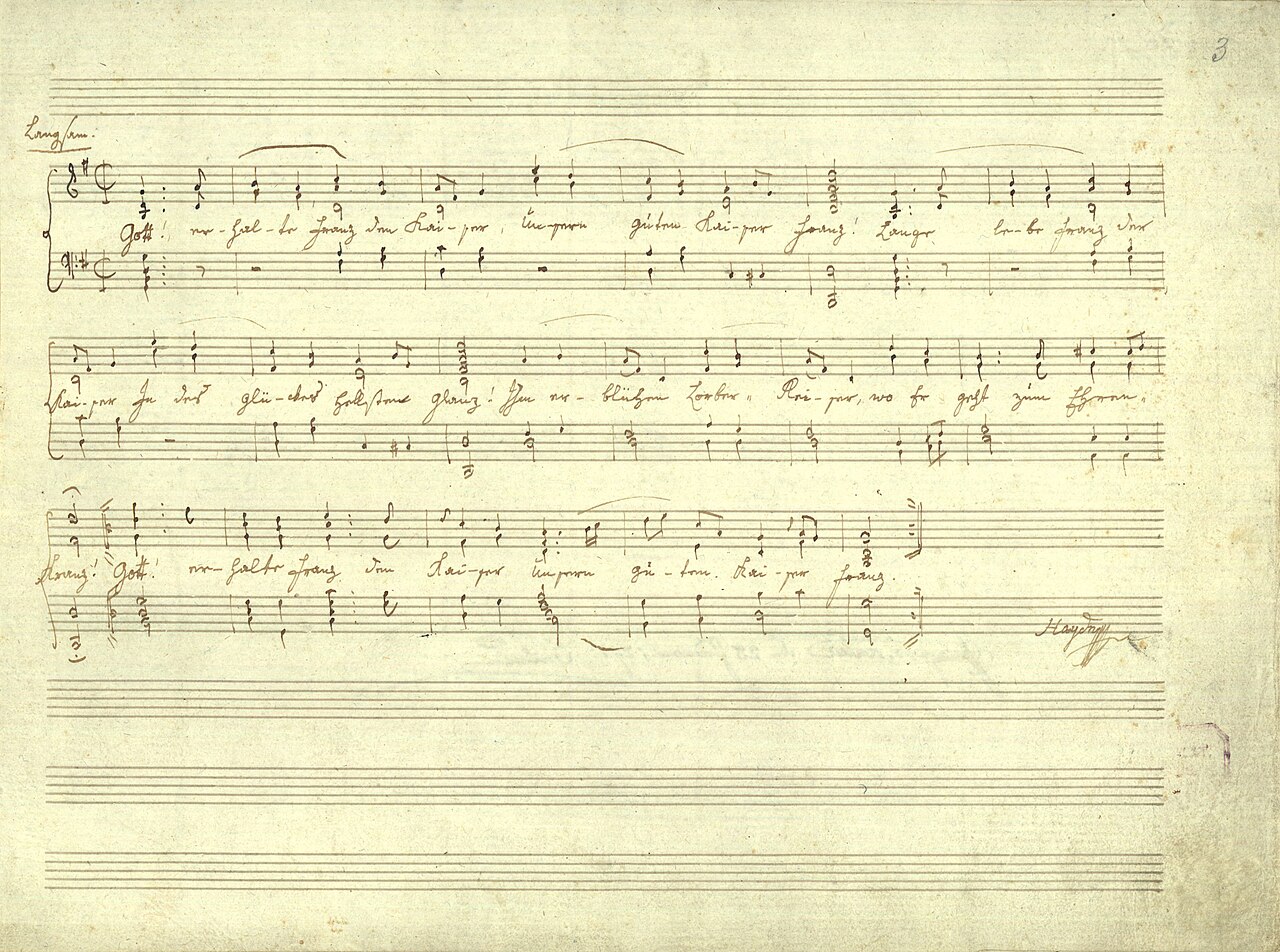
Primary source
Gott erhalte Franz den Kaiser
Joseph Haydn · 1797
 Document
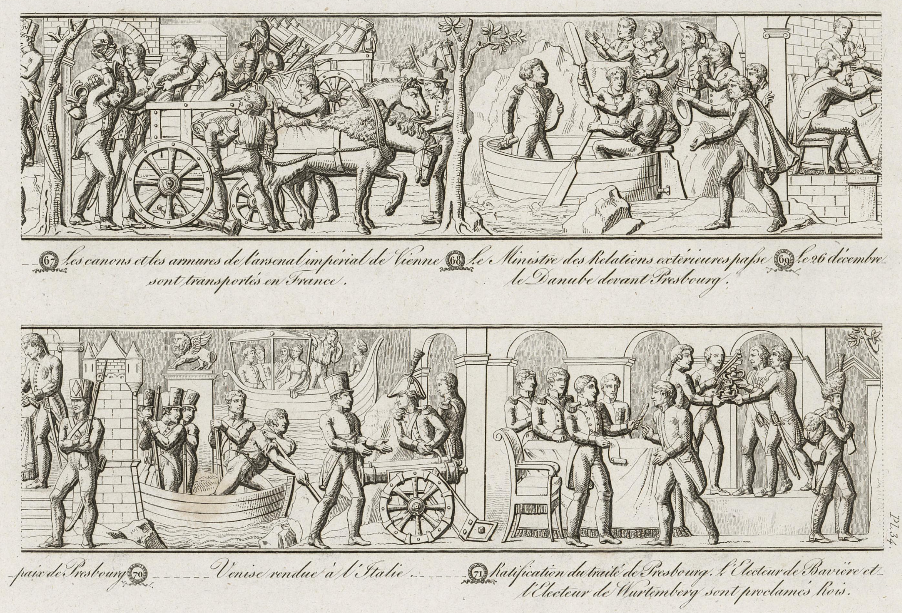
Primary source
Peace of Pressburg
26 December 1805
 Document
Primary source
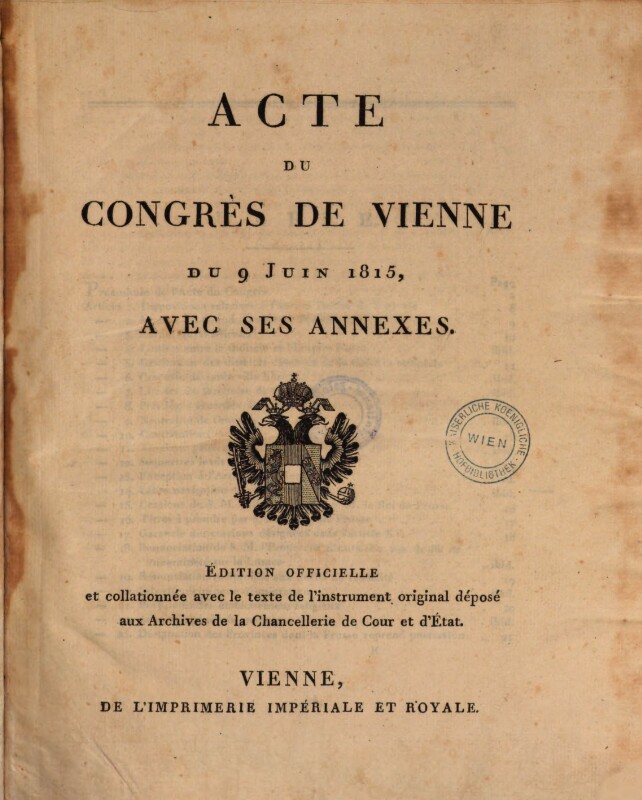
Final Act of the Congress of Vienna
9 June 1815
Free account
Read every Francis II, Holy Roman Emperor source
Sign up free →
Ready when you are
Start chatting with Francis II, Holy Roman Emperor now.
20 messages free · No credit card · Available in 50+ languages.