


Secondary sourcePaintingc. 650
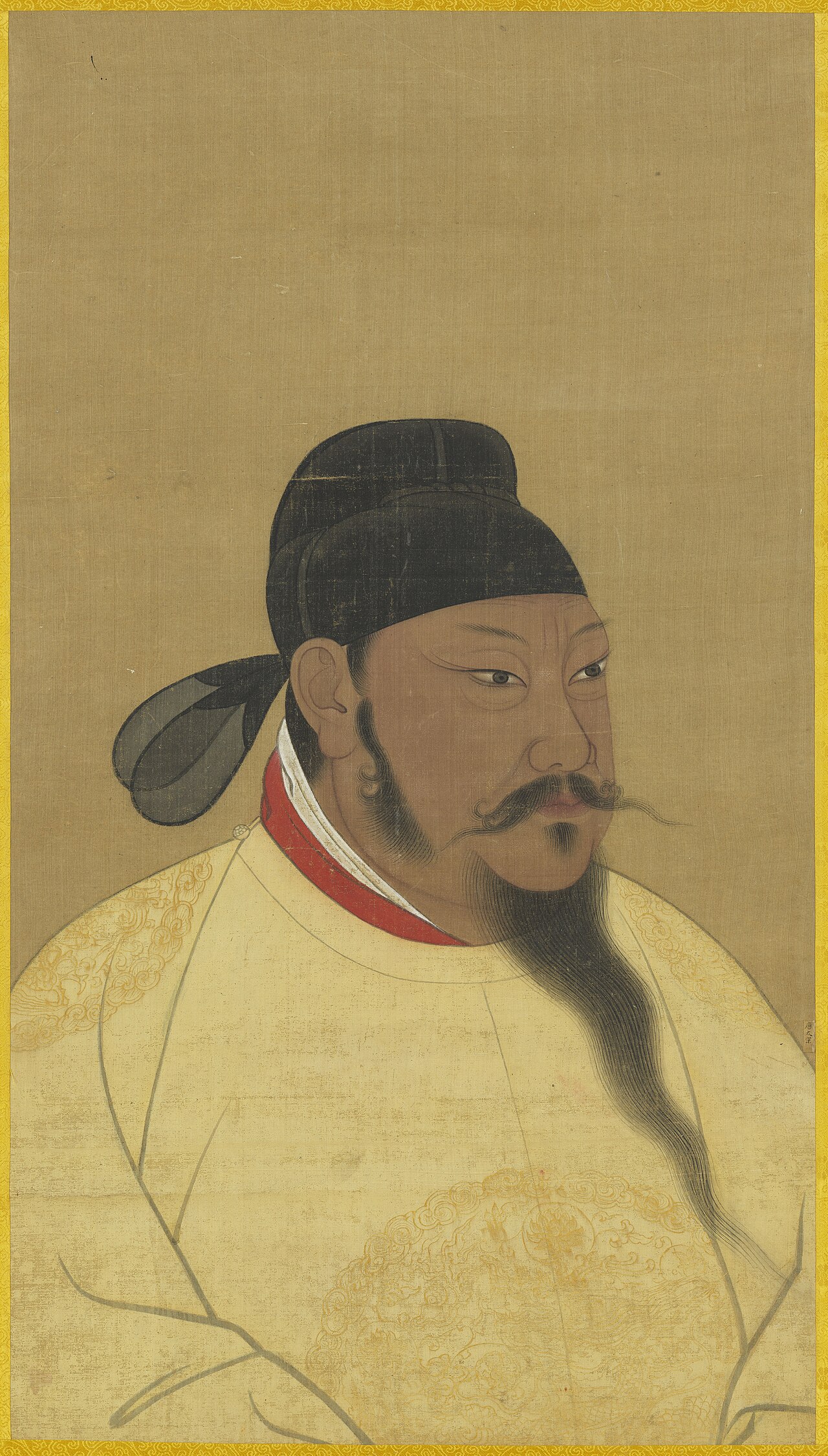
Thirteen Emperors Scroll
Yan Liben · c. 650
A silk handscroll depicting a sequence of past Chinese emperors, attributed to Taizong's court painter Yan Liben.
Painted by Taizong's own court painter, this scroll reflects the use of historical rulers as examples at his court.
Free Humy account · No credit card · 118,535 sources to read

About this source
What it is
This is a long horizontal handscroll on silk showing a row of robed emperors, some seated and some standing in ceremonial dress. It is attributed to Yan Liben, a painter active at the Tang court, and dates to around 650. It is now held at the Museum of Fine Arts, Boston.
Why it matters
The scroll reflects how painters at Taizong's court used portraits of earlier rulers as moral examples, showing virtuous and failed emperors from history. It reveals how Tang court culture thought about rulership and used art to teach lessons about good and bad government, closely tied to the world Taizong himself ruled.
Look closer
- Why might a court painter choose to paint rows of past emperors rather than the current one?
- What do the clothing and poses suggest about who was considered a 'good' or 'bad' ruler?
- What does the choice of past rulers, rather than contemporary events, leave out of the historical record?
This painting is part of the curated material that grounds the AI version of Taizong of Tang on Humy.ai — when students ask about related events, the AI can quote it and cite it.
More Taizong of Tang sources
Browse all 90 →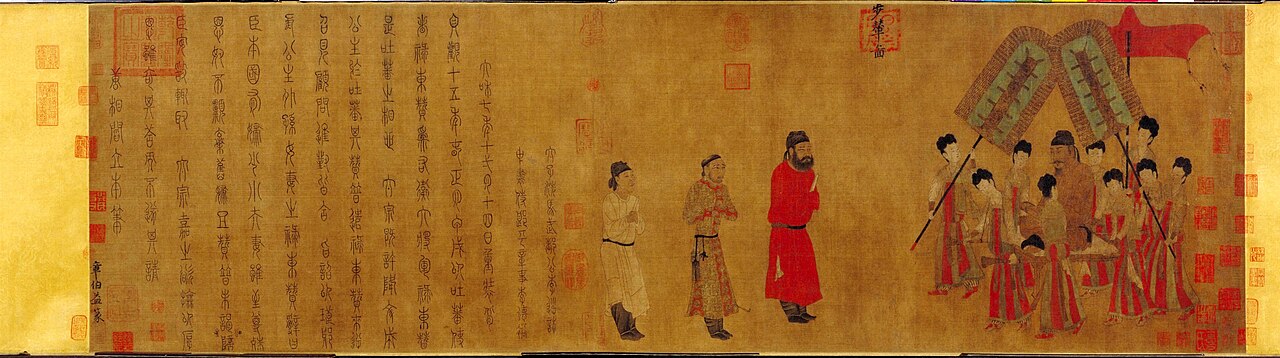 Painting
Secondary source
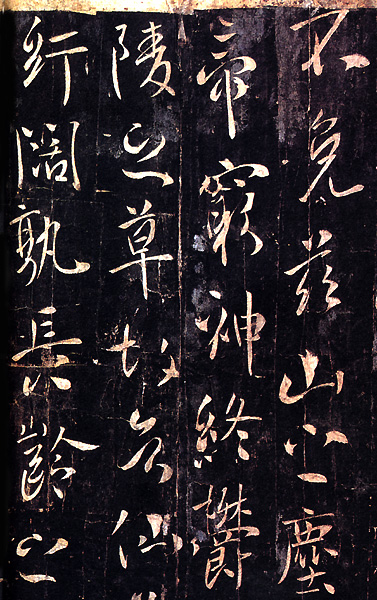
Bunian Tu
Yan Liben · c. 700 (possibly a later copy of an earlier original)
 Document
Primary source
Tang Code
624, revised 627 and 637
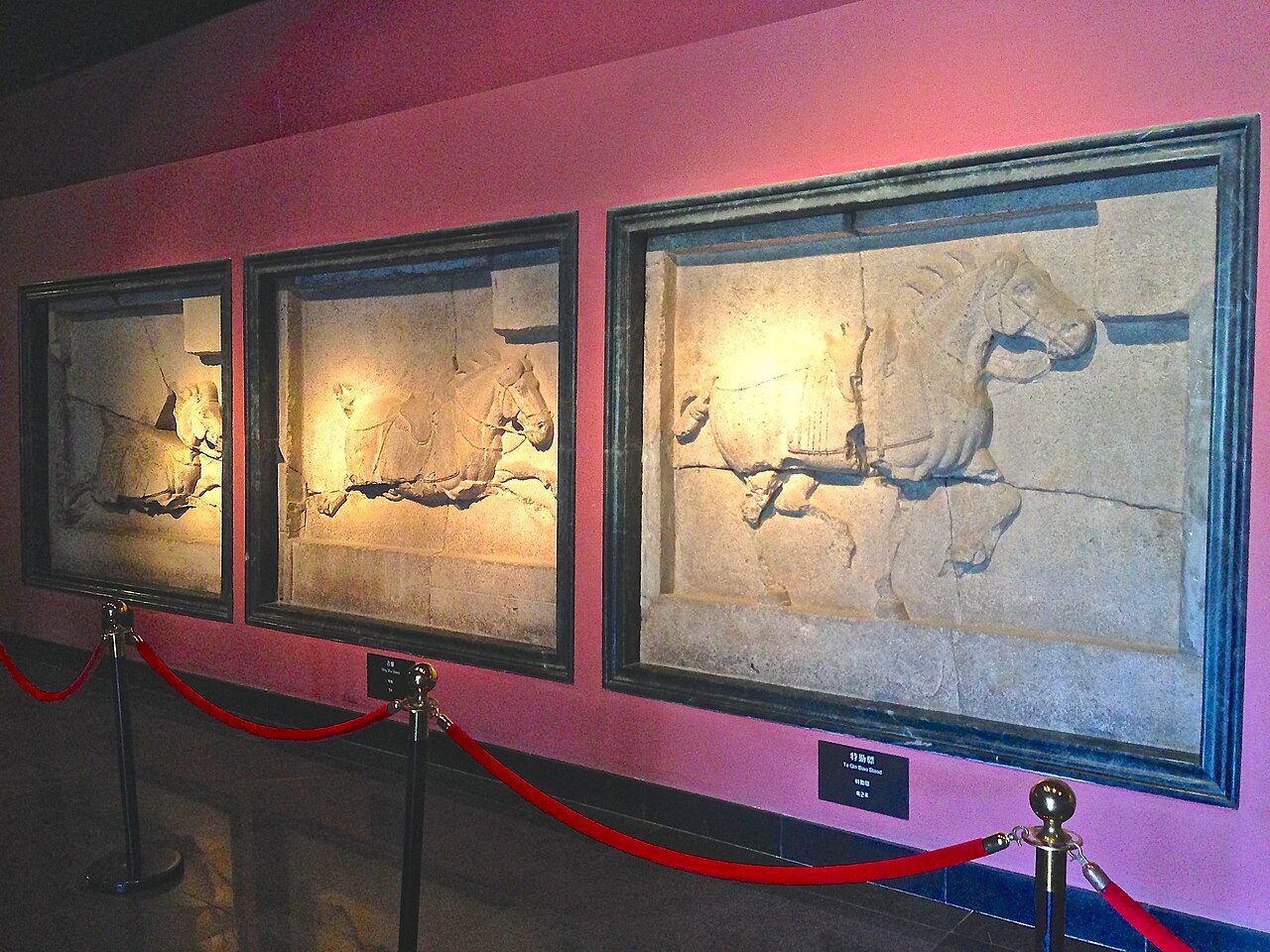 Sculpture
Primary source
Six Steeds of Zhao Mausoleum
Yan Liben (attributed) · Tang dynasty (618-907)
Primary source
Difan
Emperor Taizong of Tang · 648
Free account
Read every Taizong of Tang source
Sign up free →
Ready when you are
Start chatting with Taizong of Tang now.
20 messages free · No credit card · Available in 50+ languages.