


Primary sourcePainting1665
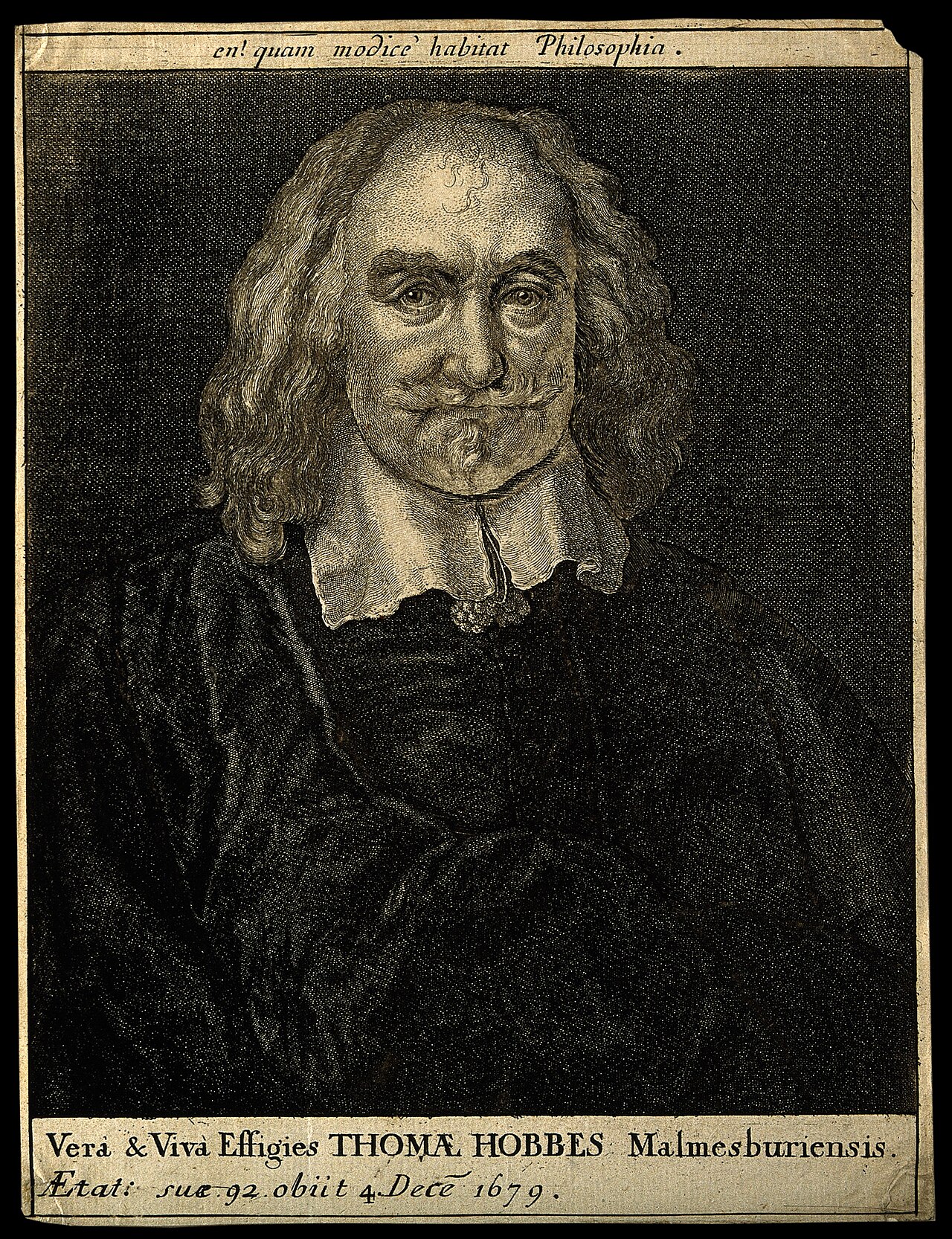
Thomas Hobbes, Etching by Wenceslaus Hollar
Wenceslaus Hollar · 1665
An etched portrait of Thomas Hobbes made during his lifetime, after a work by Jan Baptist Jaspers.
This etching, made during Hobbes's lifetime, helped spread his likeness across Europe as his fame grew.
About this source
What it is
This is an etched portrait of Thomas Hobbes, made by the engraver Wenceslaus Hollar in 1665, based on an image by Jan Baptist Jaspers. It shows Hobbes as an elderly man with wavy hair, a high forehead, and a lace collar, with a Latin caption naming him 'Thomas Hobbes Malmesburiensis'.
Why it matters
Portrait prints like this one were an important way for images of famous or controversial thinkers to circulate widely in the 1600s. Hollar's etching helped spread Hobbes's face across Europe at a time when his philosophy, especially his book Leviathan, was making him both famous and notorious.
Look closer
- What does the clothing and posture suggest about how Hobbes wanted to be seen?
- Why might an engraved print, rather than a painting, have been chosen to spread someone's image?
- What does the Latin inscription tell us about who the intended audience was?
This painting is part of the curated material that grounds the AI version of Thomas Hobbes on Humy.ai — when students ask about related events, the AI can quote it and cite it.
More Thomas Hobbes sources
Meet the AI Thomas Hobbes →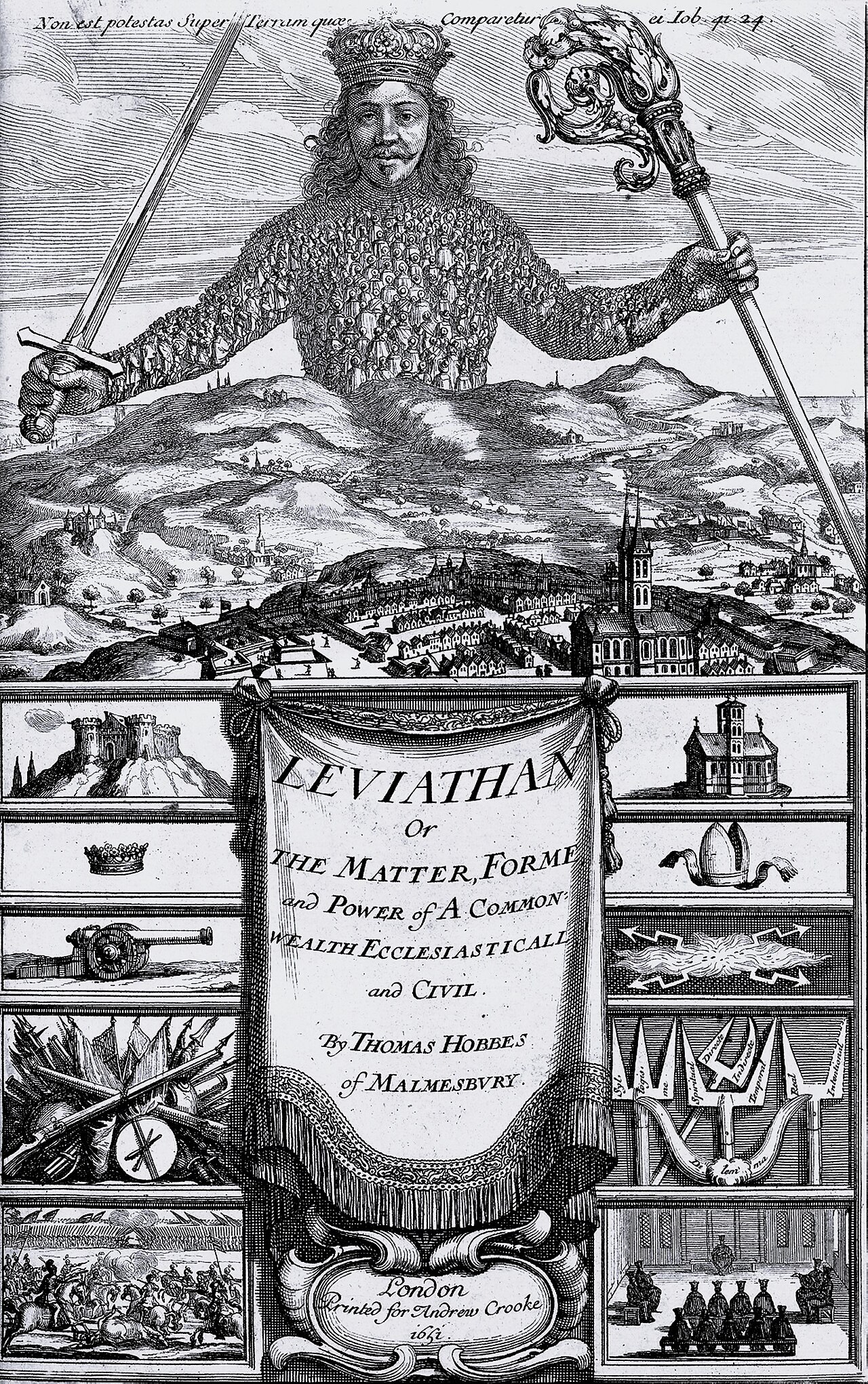 Book
Primary source
Leviathan
Thomas Hobbes · 1651
 Book
Primary source
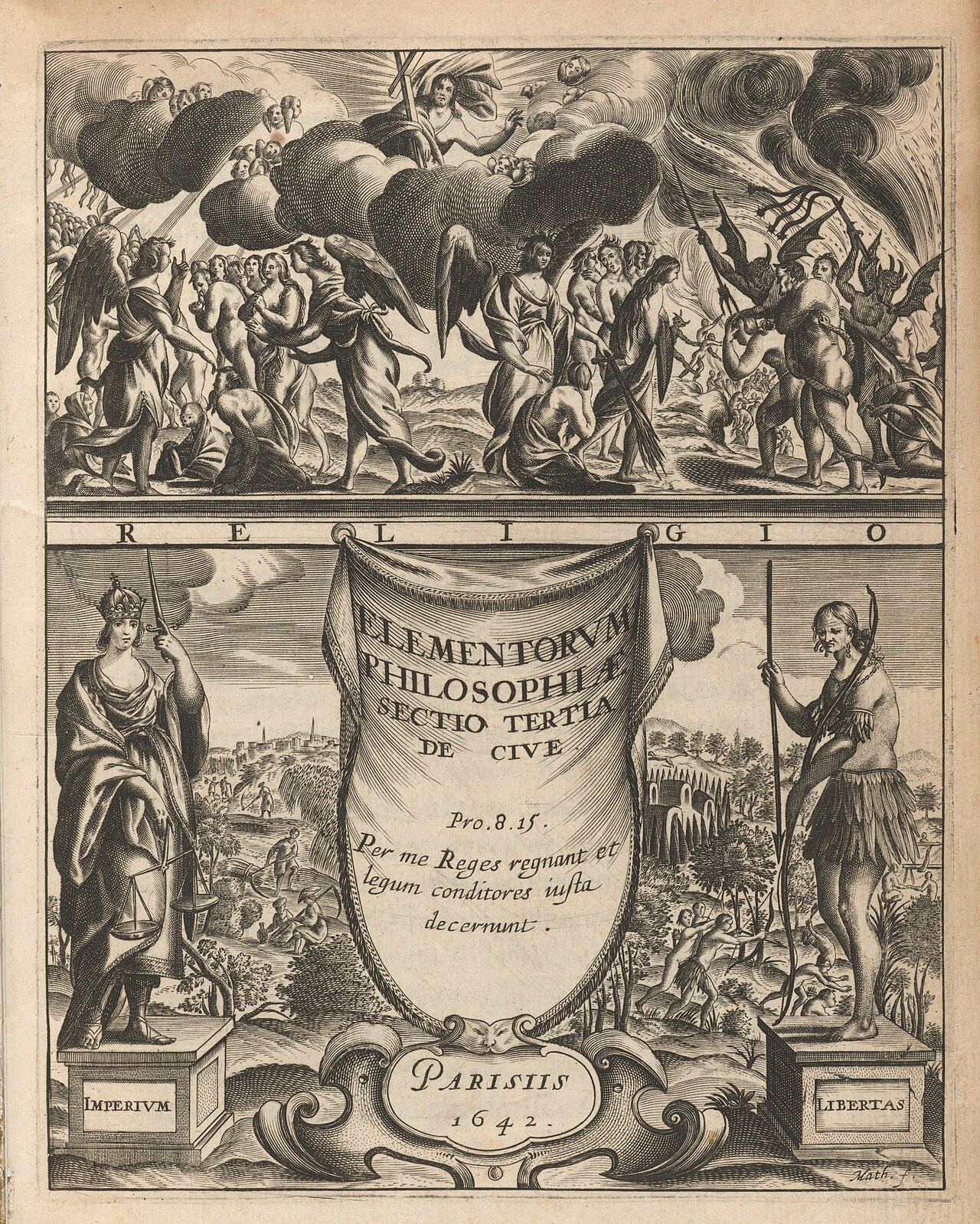
De Cive
Thomas Hobbes · 1642
 Painting
Secondary source
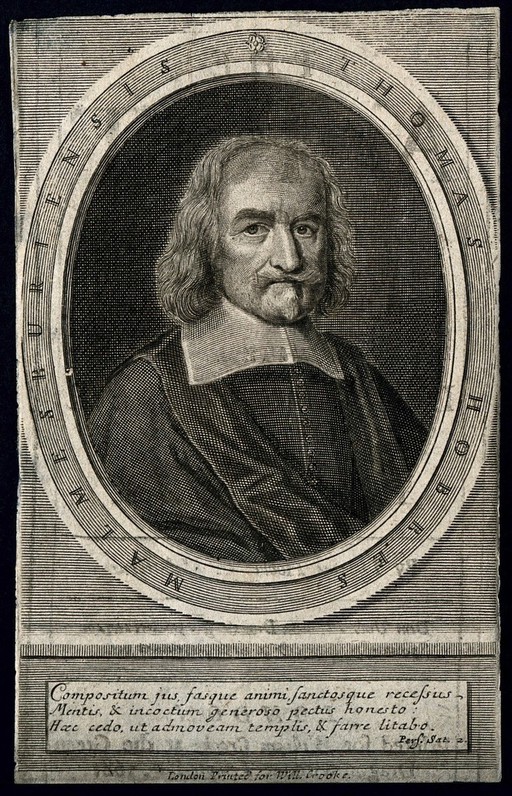
Portrait of Thomas Hobbes, Line Engraving
Primary source
The Elements of Law
Thomas Hobbes · 1640
 Artifact
Secondary source
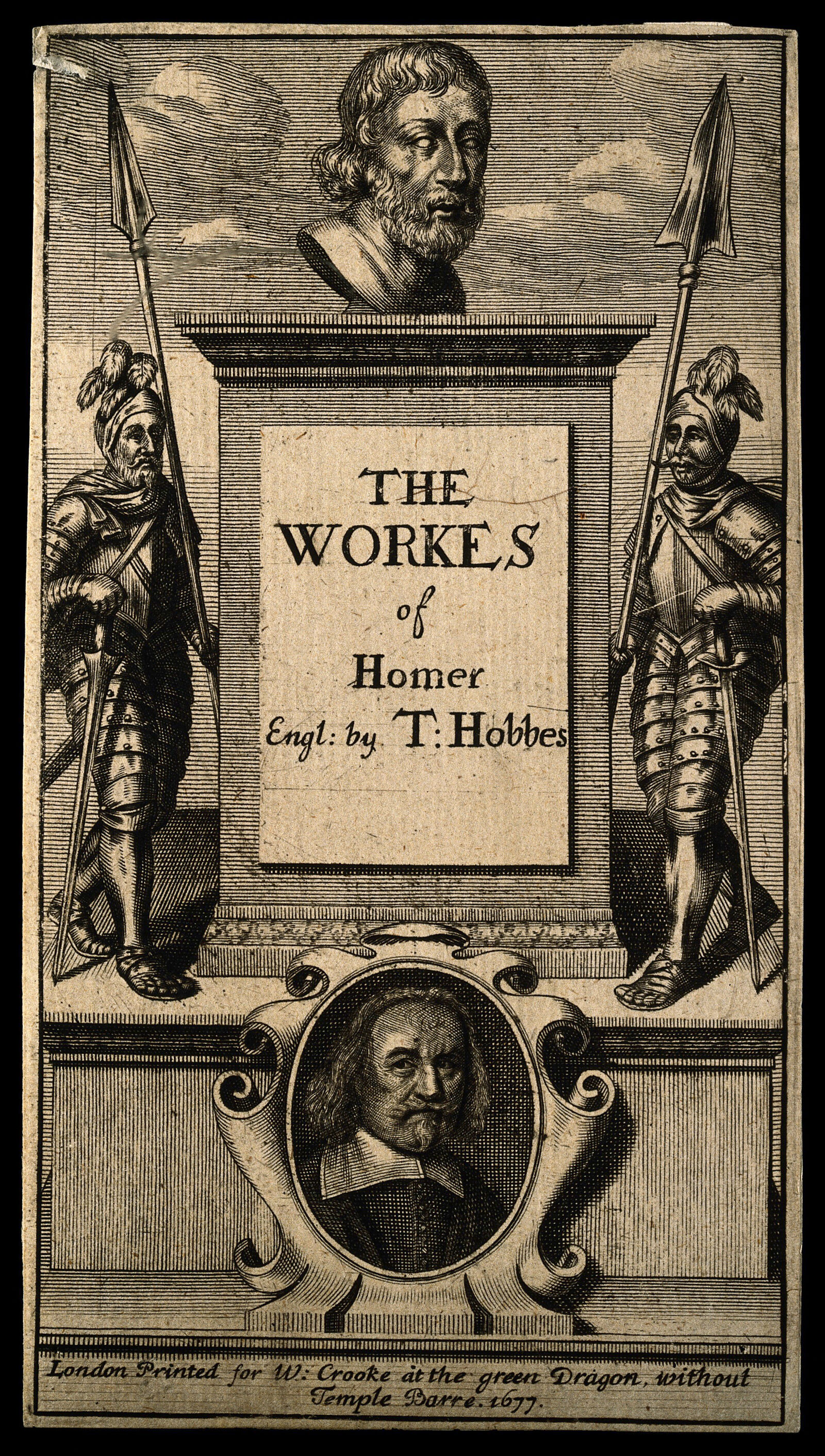
Title Page of The Workes of Homer, Translated by Thomas Hobbes
1677
Ready when you are
Start chatting with Thomas Hobbes now.
20 messages free · No credit card · Available in 50+ languages.