


Primary sourcePainting1651
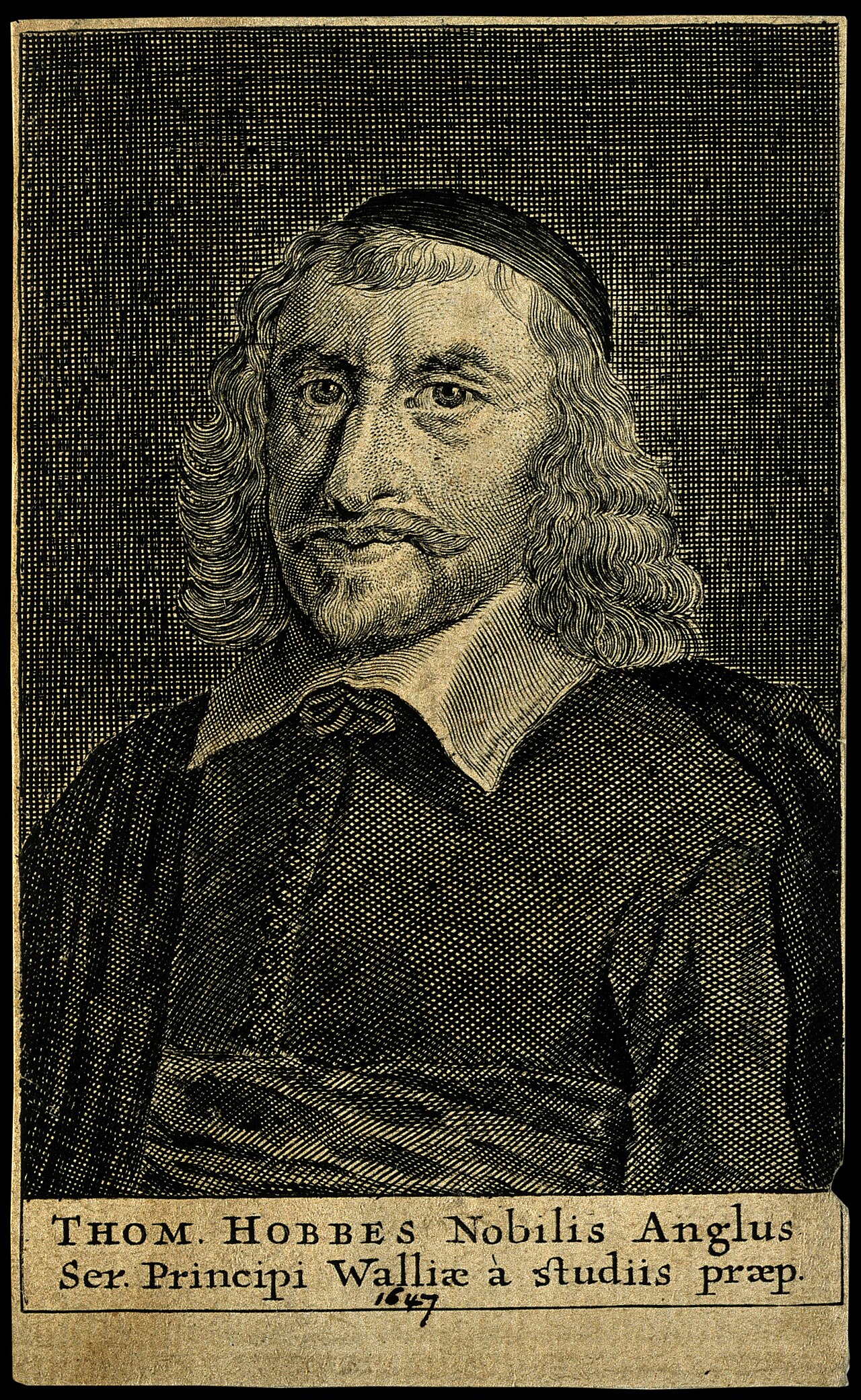
Thomas Hobbes, Line Engraving after R. Vaughan
after R. Vaughan · 1651
A 1651 engraving of Hobbes based on a work by R. Vaughan, showing how he was publicly portrayed at the height of his fame.
This engraving shows how Hobbes was publicly portrayed in the year Leviathan, his most famous work, was published.
About this source
What it is
This is a black-and-white line engraving of Thomas Hobbes, made after R. Vaughan in 1651, the year Leviathan was published. It is part of the Wellcome Collection's iconographic holdings.
Why it matters
Published portraits like this one spread an image of Hobbes to a wider public at the very moment his most famous and controversial work appeared. The Latin caption describes him as a distinguished Englishman connected to the Prince of Wales's studies, reflecting his public role as a scholar and tutor.
Look closer
- Why might an engraving of Hobbes be published in the same year as Leviathan?
- What does the Latin inscription suggest about how Hobbes wanted to be seen, or was seen by others?
- What can't a formal engraved portrait tell us about Hobbes as a person?
This painting is part of the curated material that grounds the AI version of Thomas Hobbes on Humy.ai — when students ask about related events, the AI can quote it and cite it.
More Thomas Hobbes sources
Meet the AI Thomas Hobbes →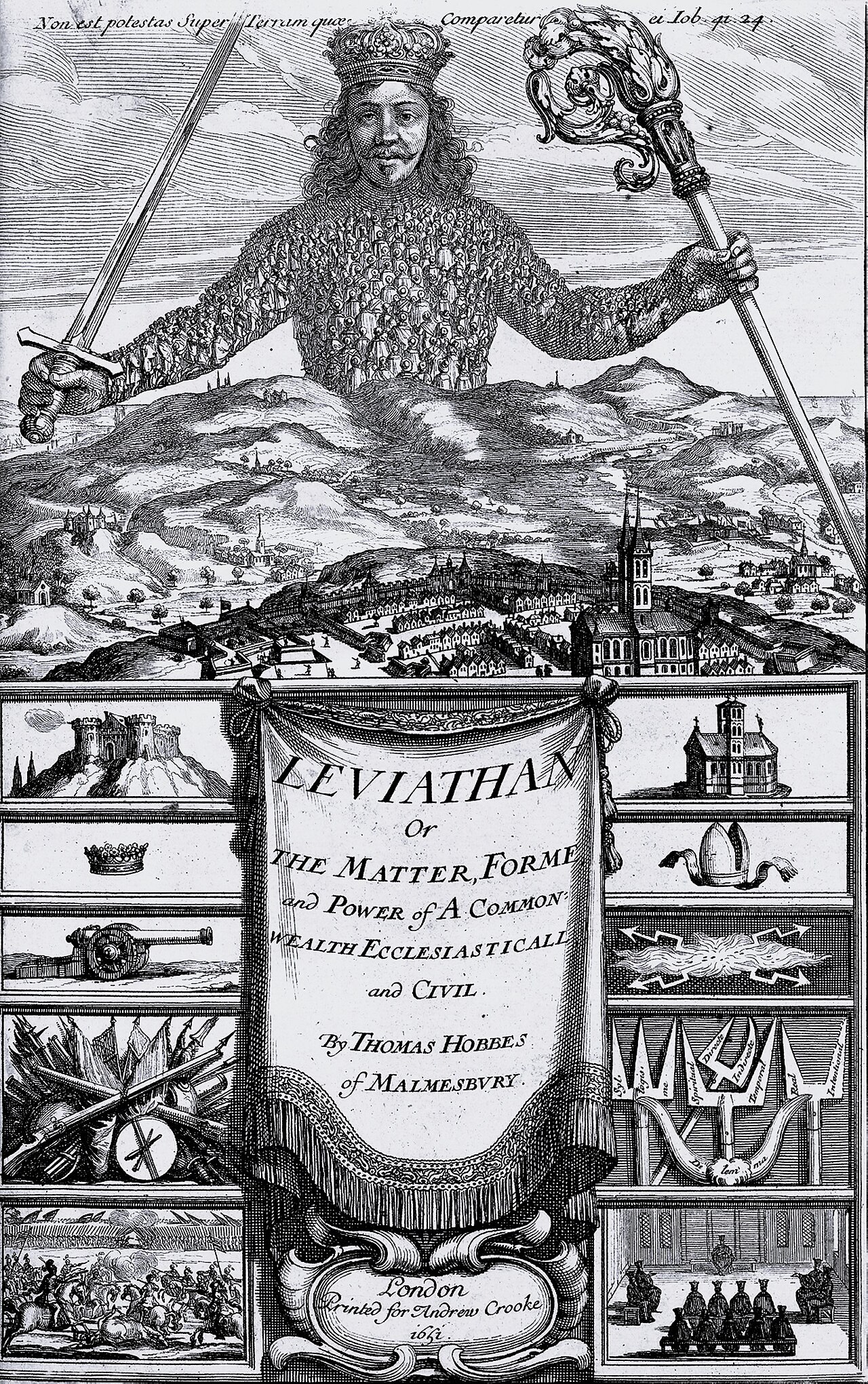 Book
Primary source
Leviathan
Thomas Hobbes · 1651
 Book
Primary source
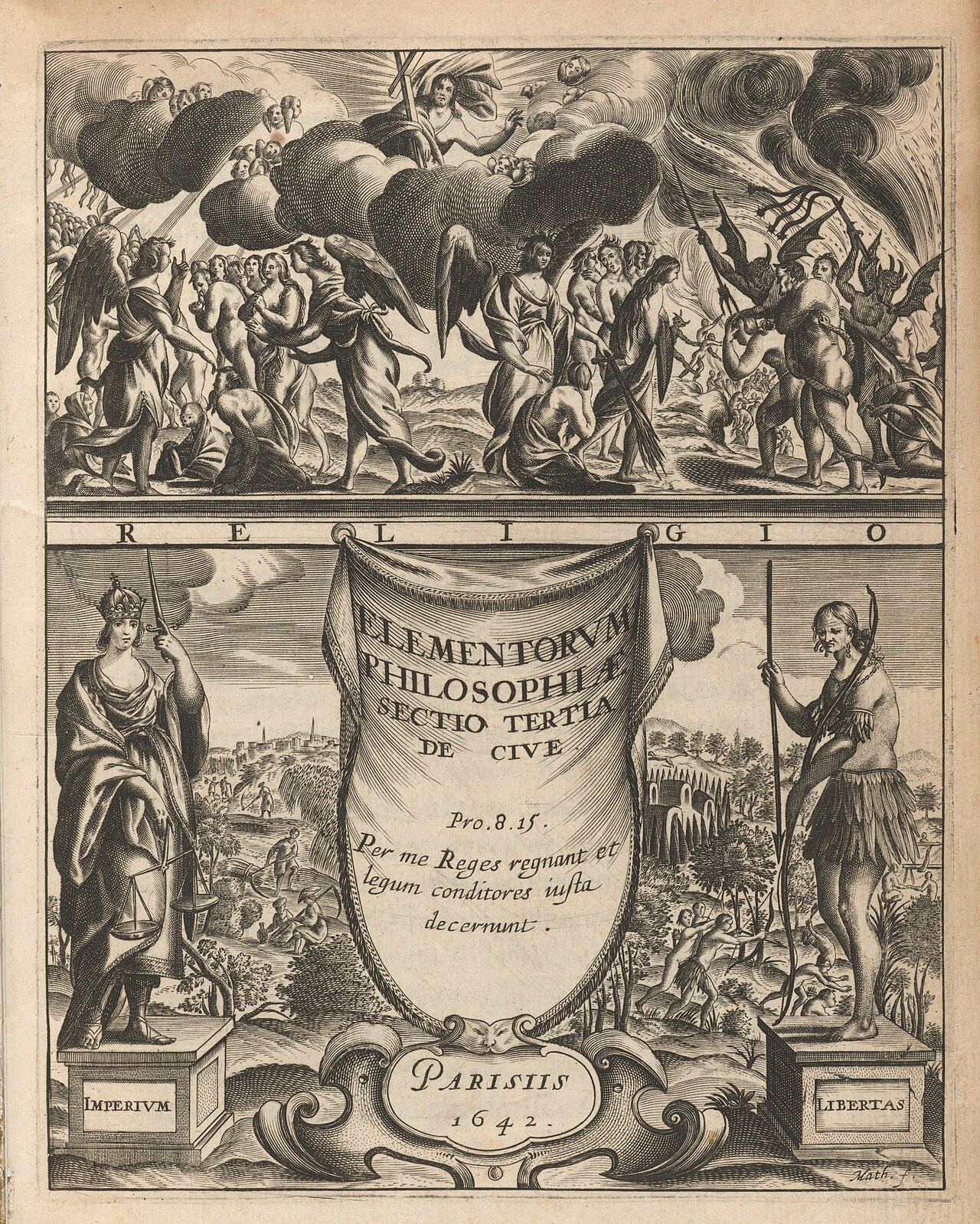
De Cive
Thomas Hobbes · 1642
 Painting
Secondary source
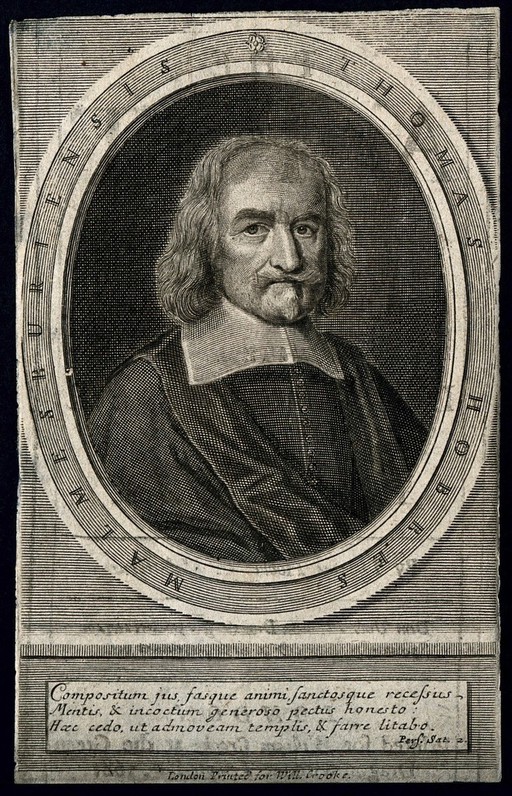
Portrait of Thomas Hobbes, Line Engraving
Primary source
The Elements of Law
Thomas Hobbes · 1640
 Artifact
Secondary source
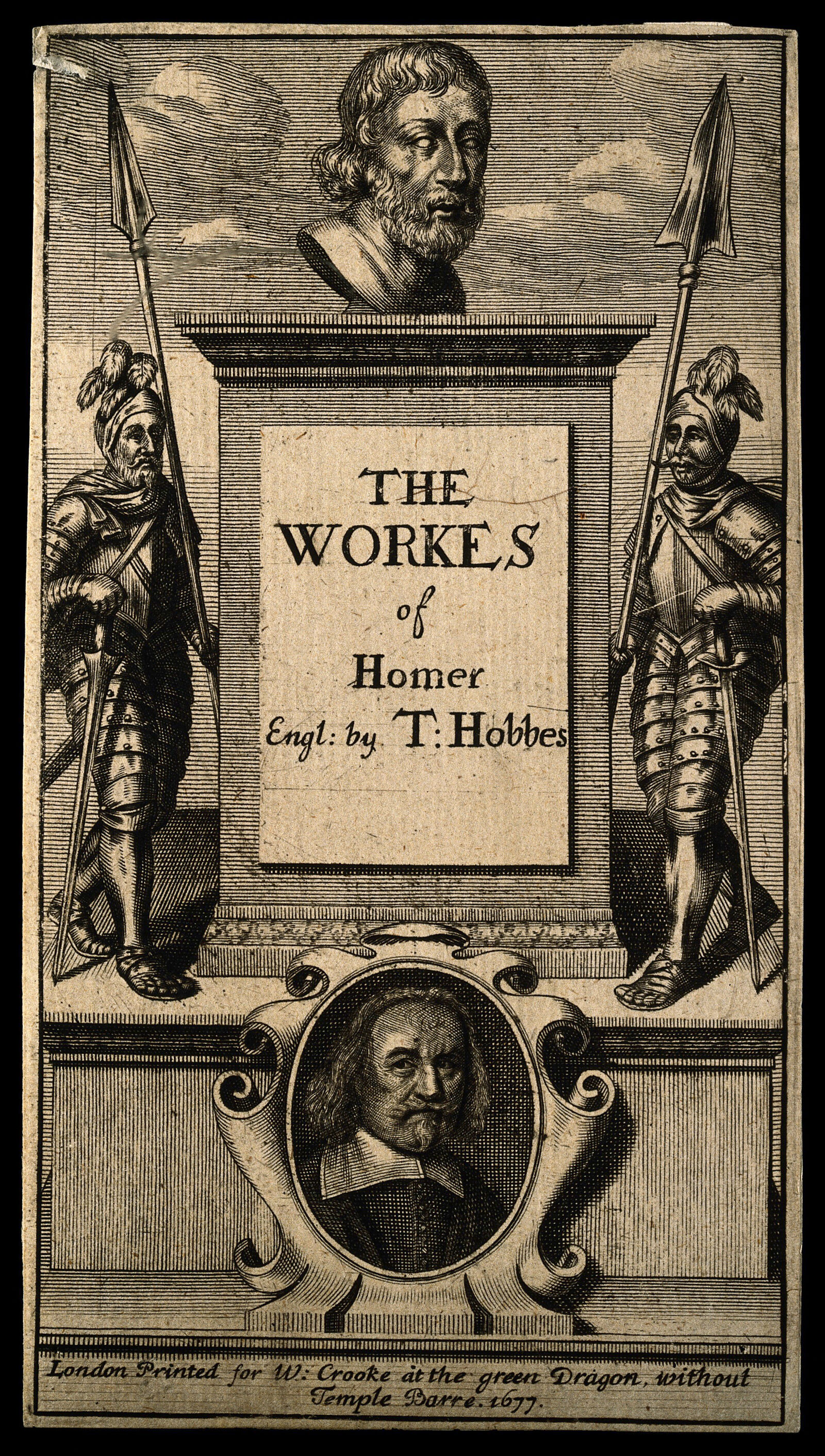
Title Page of The Workes of Homer, Translated by Thomas Hobbes
1677
Ready when you are
Start chatting with Thomas Hobbes now.
20 messages free · No credit card · Available in 50+ languages.