


Primary sourceDocument1926
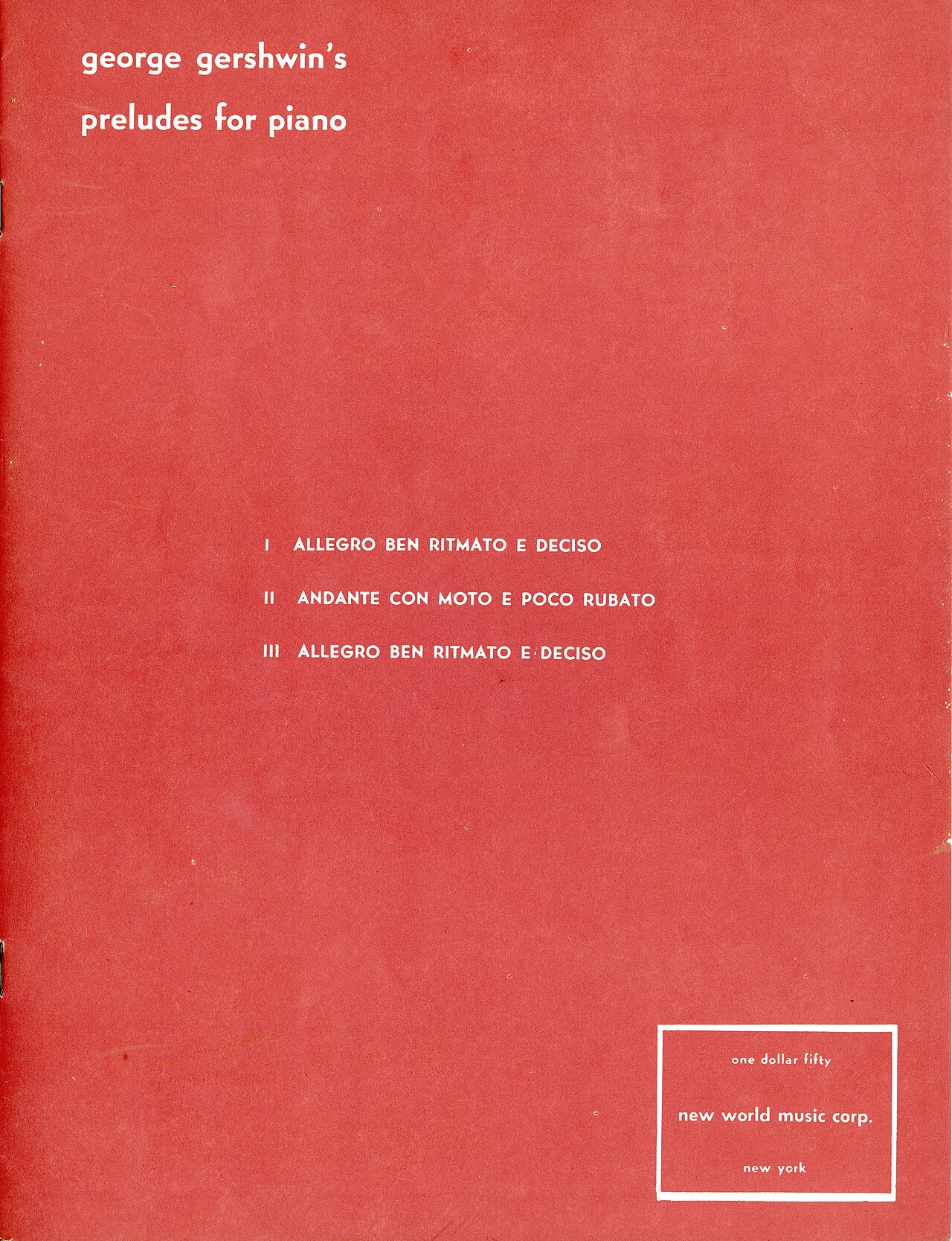
Three Preludes
George Gershwin · 1926
A set of short piano pieces composed and first performed by George Gershwin in 1926, blending jazz influence with classical form.
Gershwin composed and premiered these piano pieces himself, showing his skill as a concert pianist.
About this source
What it is
Three Preludes is a collection of short piano pieces by George Gershwin, first performed by the composer himself at the Roosevelt Hotel in New York City in 1926. Gershwin originally planned many more preludes, eventually narrowing the set down to three for publication.
Why it matters
The preludes show Gershwin not just as a popular songwriter but as a serious pianist-composer working in the concert hall tradition, blending jazz rhythms and blues harmony with classical piano forms. They reveal how early-20th-century American classical music absorbed the sounds of jazz, and Gershwin's own performance of them shows his skill as a pianist.
Look closer
- Why might Gershwin have reduced his planned 24 preludes down to just three?
- What do Gershwin's own descriptions of the pieces (like "a sort of blues lullaby" or "Spanish") tell you about his musical influences?
- What does performing his own works at a public venue suggest about Gershwin's role as both composer and performer?
This document is part of the curated material that grounds the AI version of George Gershwin on Humy.ai — when students ask about related events, the AI can quote it and cite it.
More George Gershwin sources
Browse all 99 →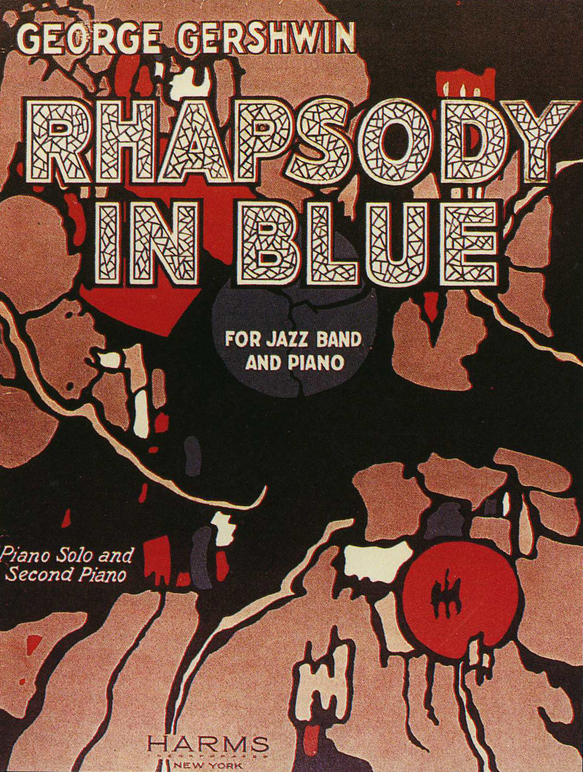 Document
Primary source
Rhapsody in Blue
George Gershwin · 1924
 Document
Primary source
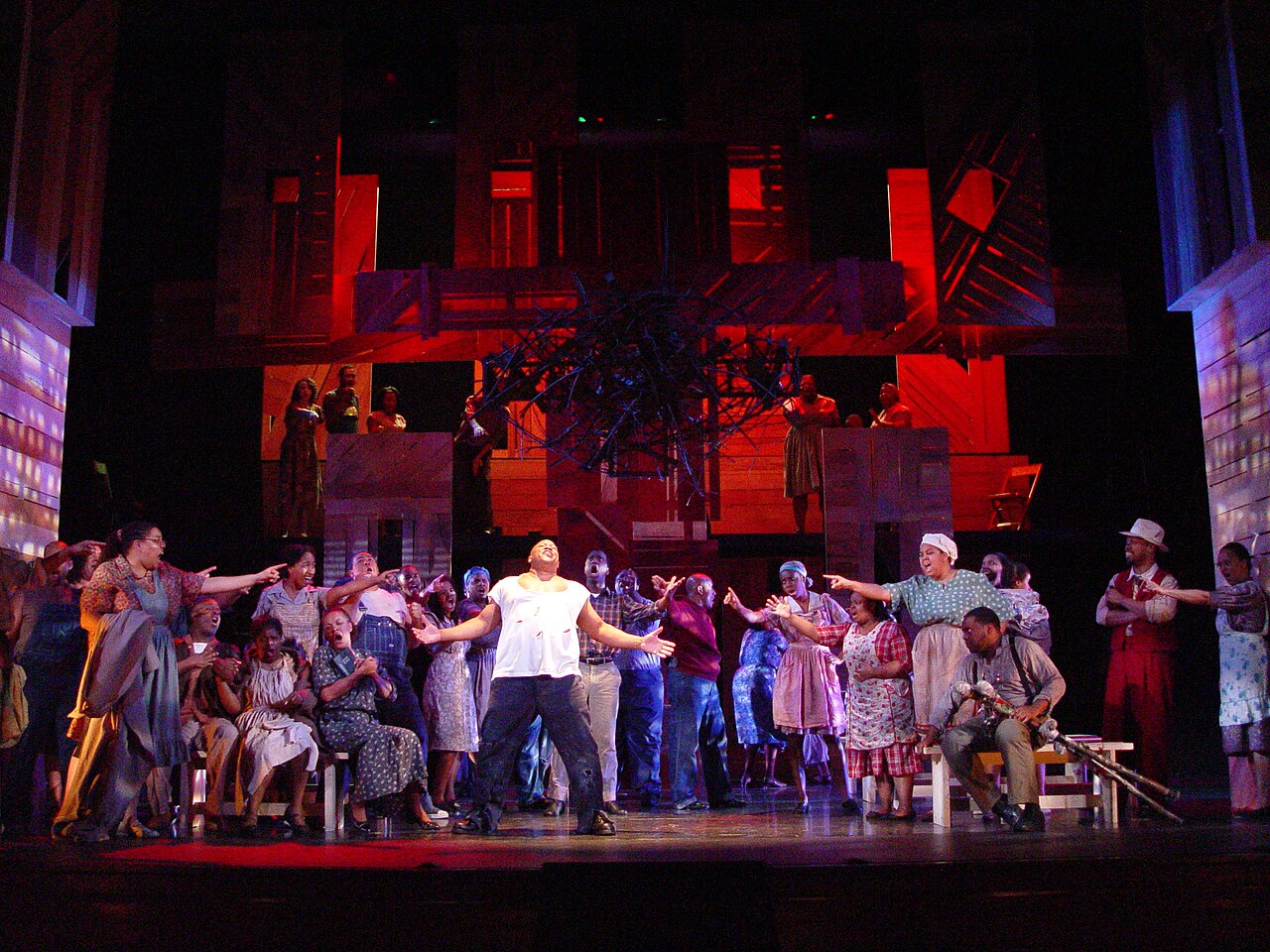
Porgy and Bess
George Gershwin · 1935
 Document
Primary source
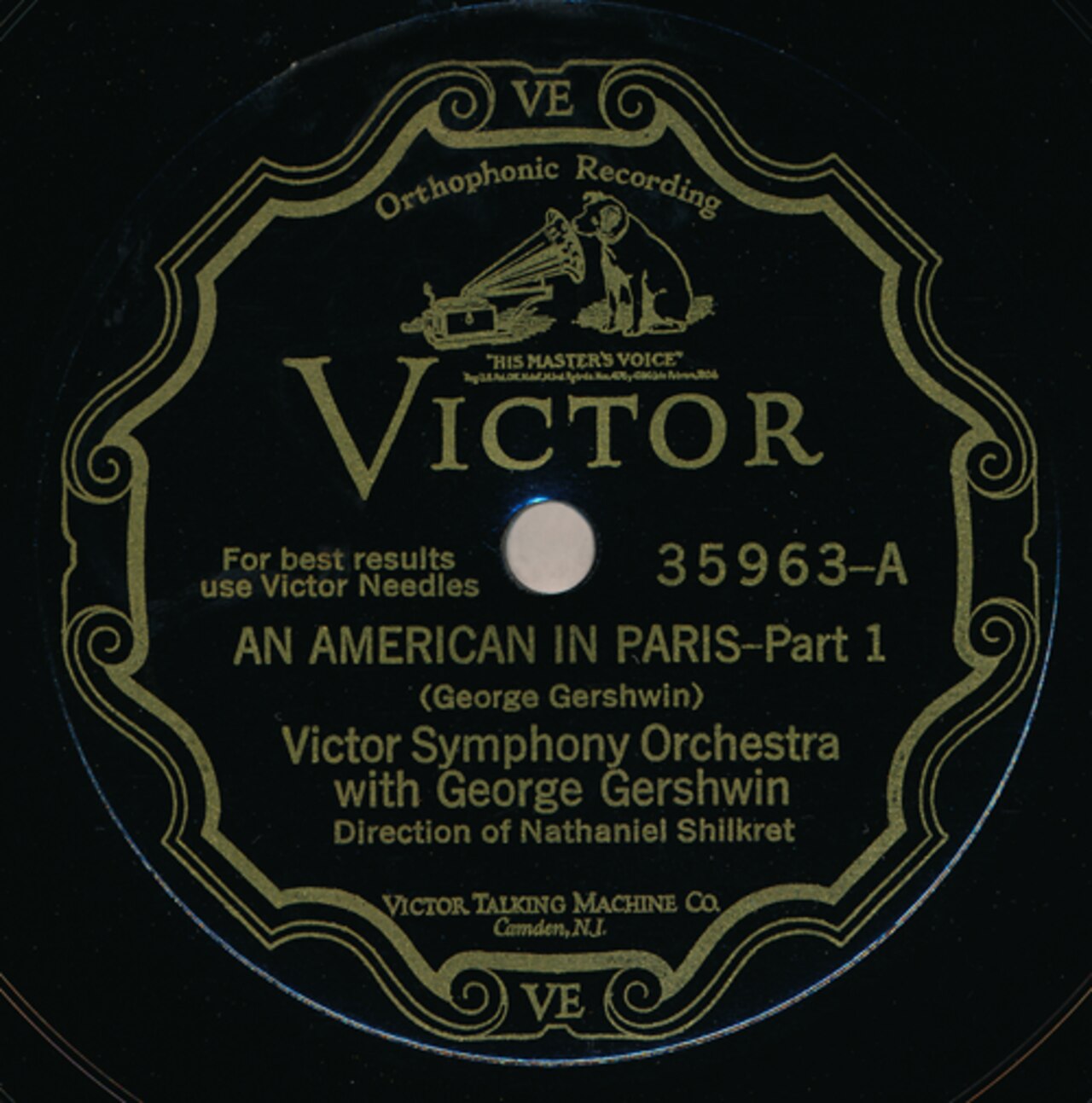
An American in Paris
George Gershwin · 1928
 Document
Primary source
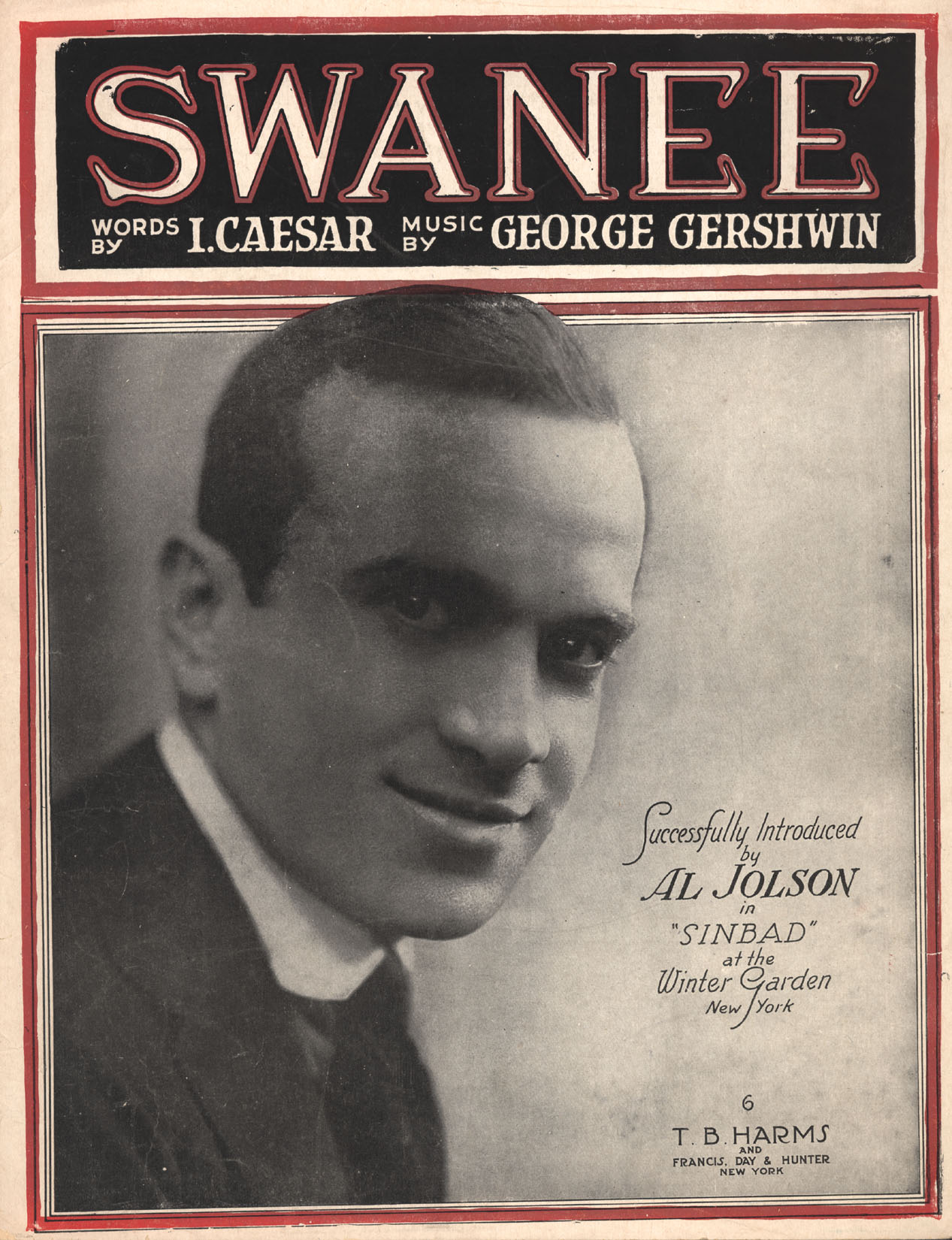
Swanee
George Gershwin · 1919
Free account
Read every George Gershwin source
Sign up free →
Ready when you are
Start chatting with George Gershwin now.
20 messages free · No credit card · Available in 50+ languages.