


Primary sourceArtifact1156–92
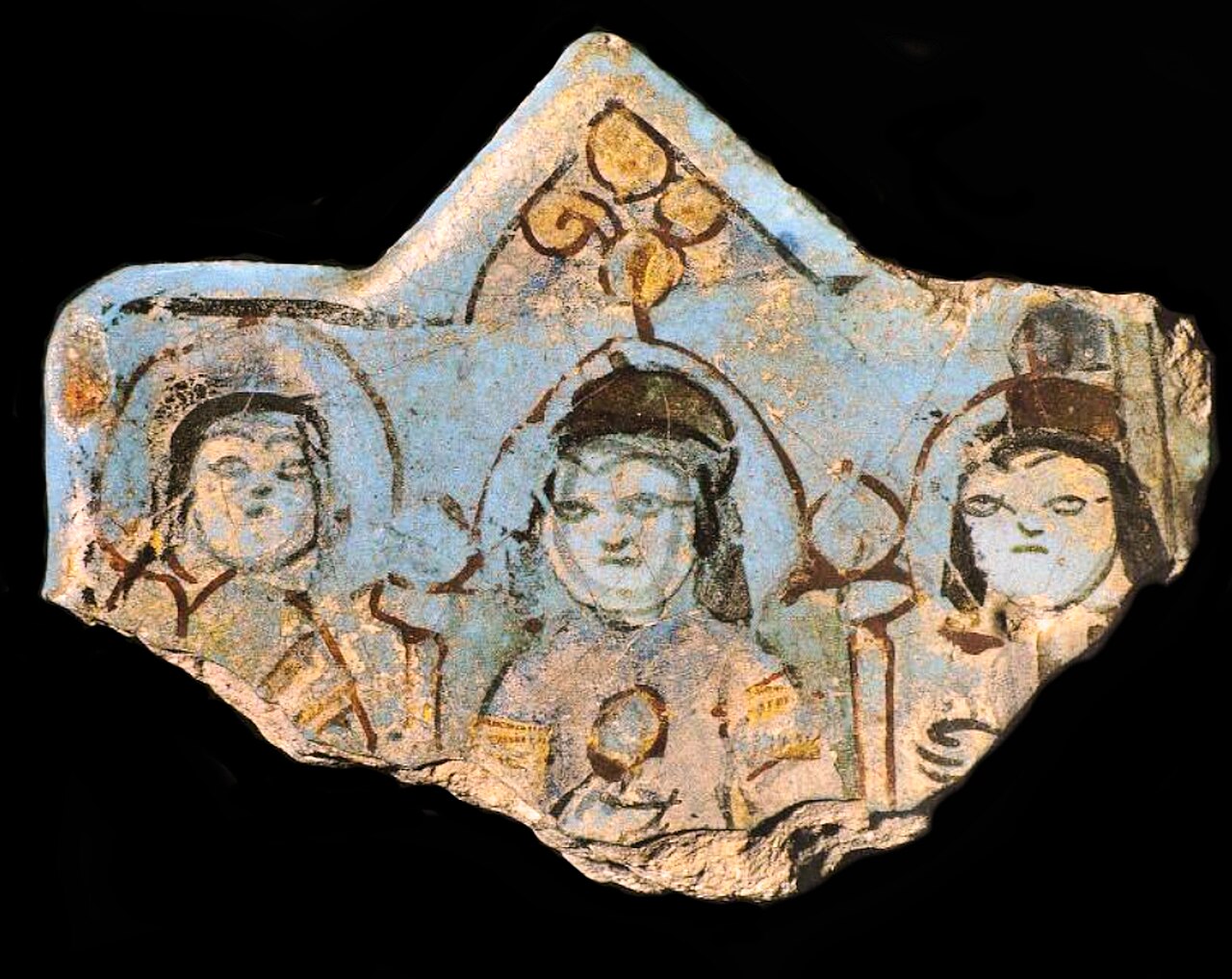
Throne scene tile of Sultan Kilij Arslan II, Konya
1156–92
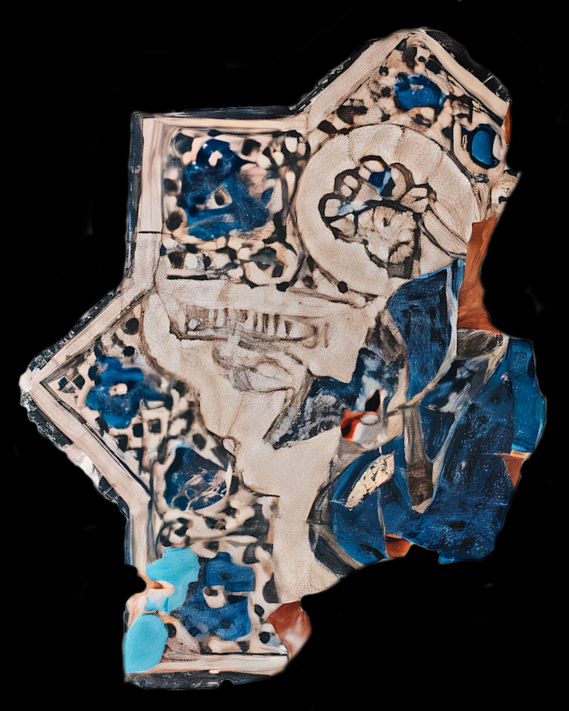
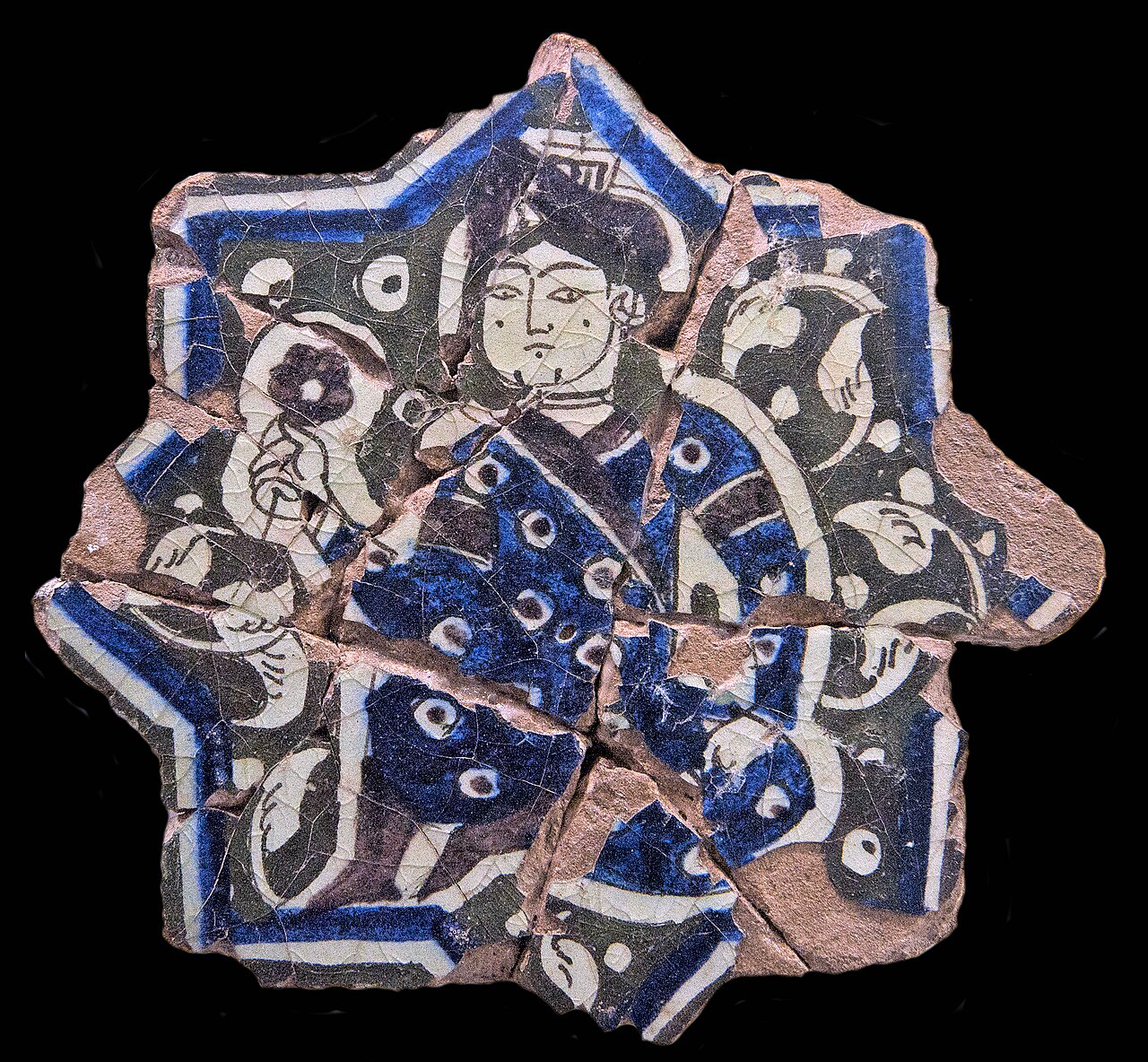
A star-shaped tile from the Alaeddin Palace in Konya showing an enthroned sultan, probably Kilij Arslan II, with guards. It shows the court imagery of an earlier Seljuk sultan.
This tile shows a throne scene of Kilij Arslan II, an earlier Seljuk sultan, and gives context for the court Kayqubad was born into rather than showing Kayqubad himself.
About this source
What it is
This is a star-shaped glazed tile from the Alaeddin Palace in Konya, made in the mina'i technique in the Kilij Arslan II period, 1156–92. It shows a throne scene: the sultan sits cross-legged on his throne holding a pomegranate, with tiraz bands on his arms and two guards beside him. The tile is in the Karatay Madrasah Museum, Konya, and measures 8.5 cm across. The image used here is a photograph of a plate in a 1980 book, The Art and Architecture of Turkey, so it is a reproduction of the tile rather than the tile itself.
Why it matters
The tile shows a Seljuk sultan who ruled before Kayqubad I. It reveals how the court wanted its ruler to look: seated, dressed in tiraz bands, and attended by guards. Kayqubad was a later ruler of the same dynasty, so the image gives context for the court world he was born into.
Look closer
- What objects and clothing does the sultan have, and what might they signal about his power?
- Who are the two guards, and what role do they play in the scene?
- How might a photograph in a book change what we can see of an original tile?
This artifact is part of the curated material that grounds the AI version of Kayqubad I on Humy.ai — when students ask about related events, the AI can quote it and cite it.
More Kayqubad I sources
Browse all 87 →
Ready when you are
Start chatting with Kayqubad I now.
20 messages free · No credit card · Available in 50+ languages.