


Secondary sourcePainting1615
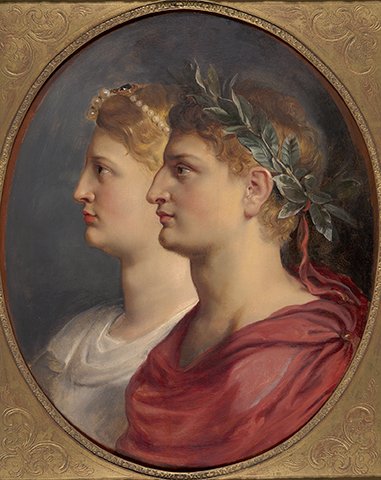
Tiberius and Agrippina
Peter Paul Rubens · 1615
A 1615 double portrait by Rubens imagining Tiberius alongside Agrippina, based on ancient coins and cameos rather than life.
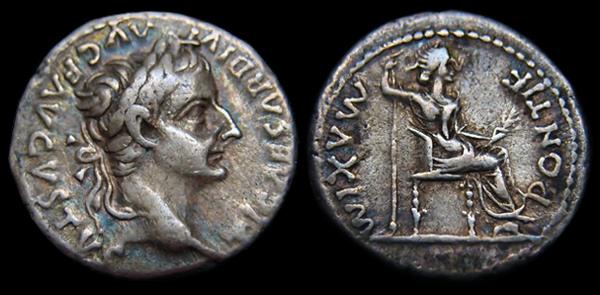
This later painting imagines Tiberius's likeness, based on ancient coin and cameo portraits rather than life.
About this source
What it is
This oval painting by the Flemish artist Peter Paul Rubens, made in 1615, shows two profile heads in classical style: a laurel-wreathed man and a woman behind him. It is held at the Ackland Art Museum and is identified as showing Tiberius and Agrippina.
Why it matters
Painted many centuries after Tiberius's death, this work is not a record of his real appearance but shows how Renaissance and Baroque artists like Rubens imagined ancient Roman emperors, drawing on surviving coins and carved gems. It reveals how later European culture continued to picture and reinterpret Roman history long after the events themselves.
Look closer
- Since Rubens never saw Tiberius, what sources might he have used to imagine his face?
- Why might an artist pair Tiberius with Agrippina in one portrait?
- What does this painting tell us about how later Europeans viewed Roman emperors?
This painting is part of the curated material that grounds the AI version of Tiberius and Peter Paul Rubens on Humy.ai — when students ask about related events, the AI can quote it and cite it.
More Tiberius sources
Browse all 87 →
Ready when you are
Start chatting with Tiberius now.
20 messages free · No credit card · Available in 50+ languages.