


Primary sourceArtifact1237-38
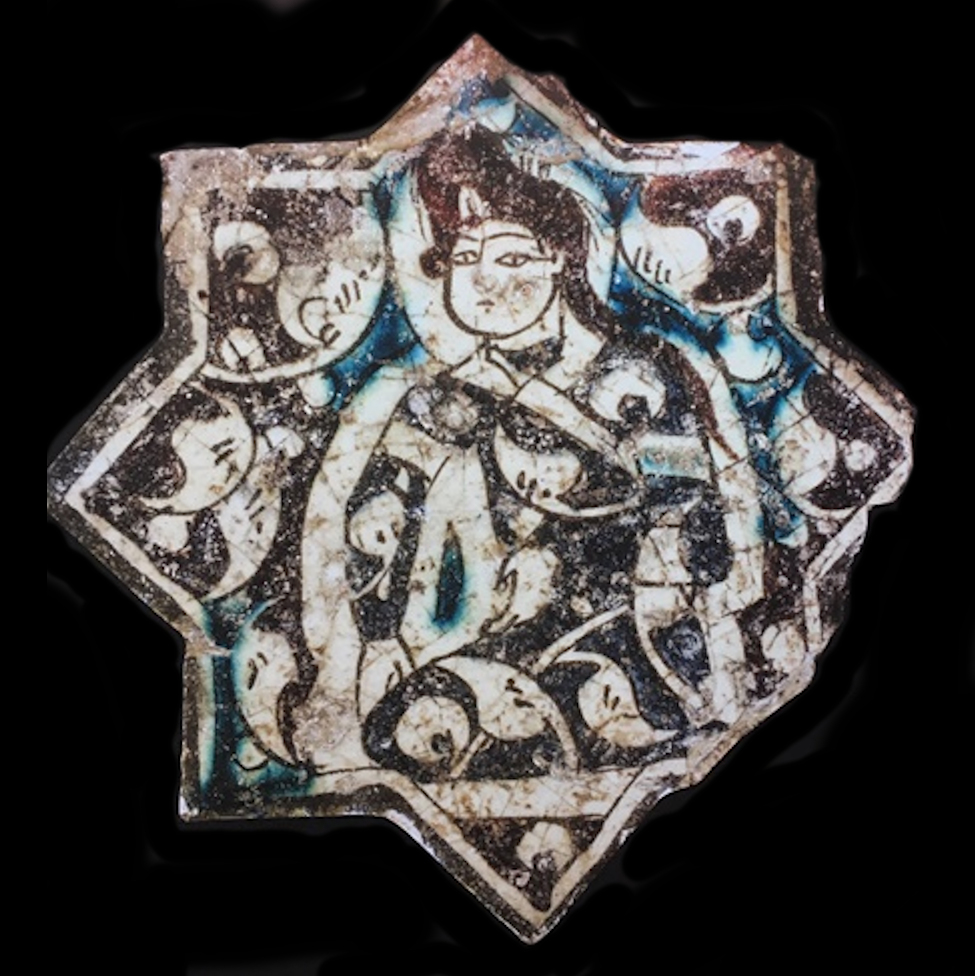
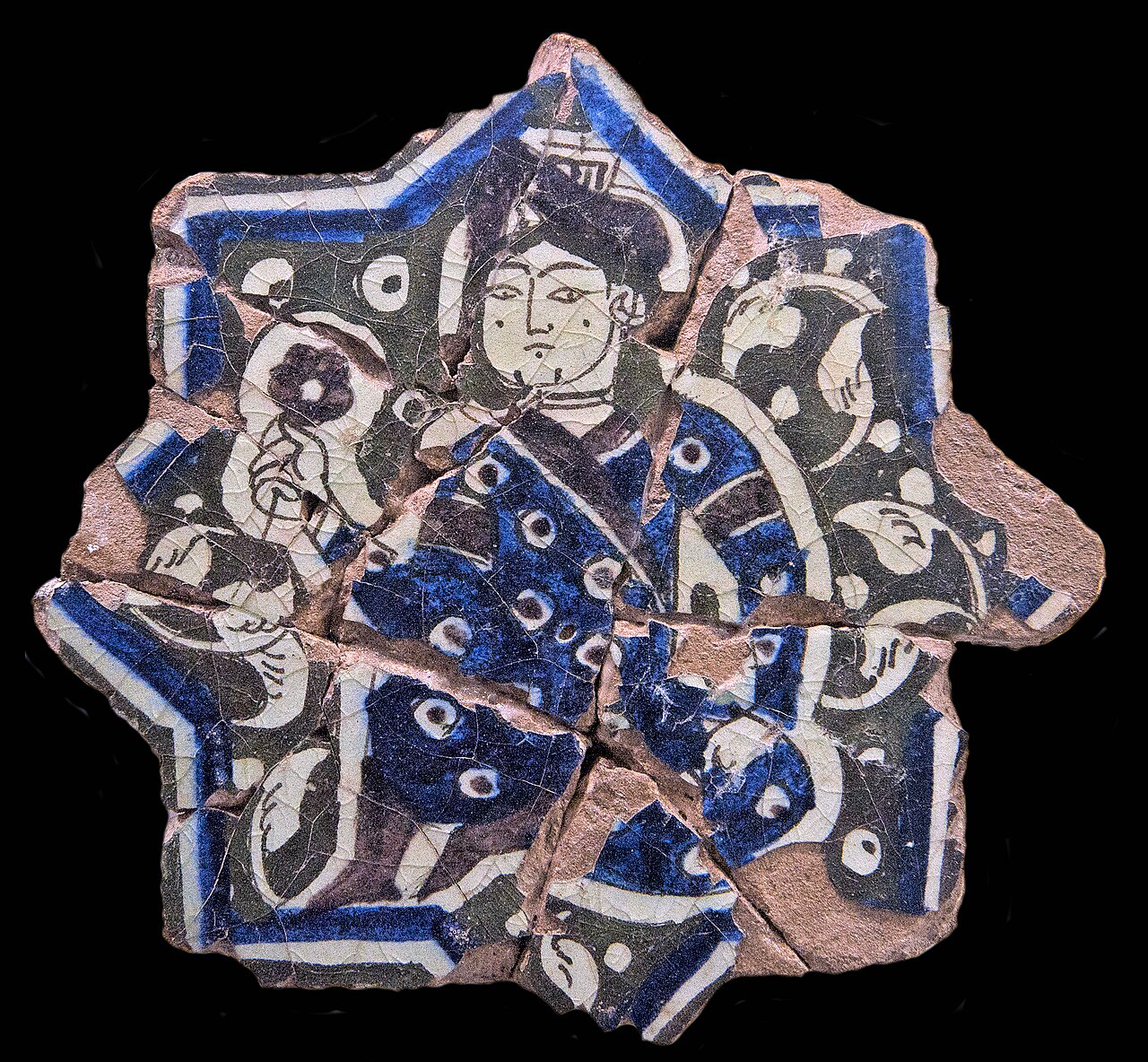
Tile from Hunat Hatun Baths
13th century artist · 1237-38
A glazed tile from the baths of a complex built by Mahperi Khatun, Kayqubad's widow, just after his death.
This tile comes from a bath complex built by Kayqubad's widow right after his death, linking it to his court's legacy.
About this source
What it is
This is a decorative tile from the Hunat Hatun Baths in Kayseri, made around 1237-38. It is held today in the Kayseri Archaeological Museum.
Why it matters
The baths were founded by Mahperi Khatun, the widow of Sultan Kayqubad I, soon after his death. The tile shows that the skilled craftsmen and workshops who decorated the sultan's own buildings kept working for the court under the next ruler. It is a small but useful clue about how art and building projects continued across a change of power.
Look closer
- What kind of decoration or pattern can you make out on the tile?
- Why might a widow build a public bath complex in her husband's memory?
- What does this tile tell us about workshops that served more than one ruler?
This artifact is part of the curated material that grounds the AI version of Kayqubad I on Humy.ai — when students ask about related events, the AI can quote it and cite it.
More Kayqubad I sources
Browse all 87 →
Ready when you are
Start chatting with Kayqubad I now.
20 messages free · No credit card · Available in 50+ languages.