


Primary sourceArtifactlate 1220s
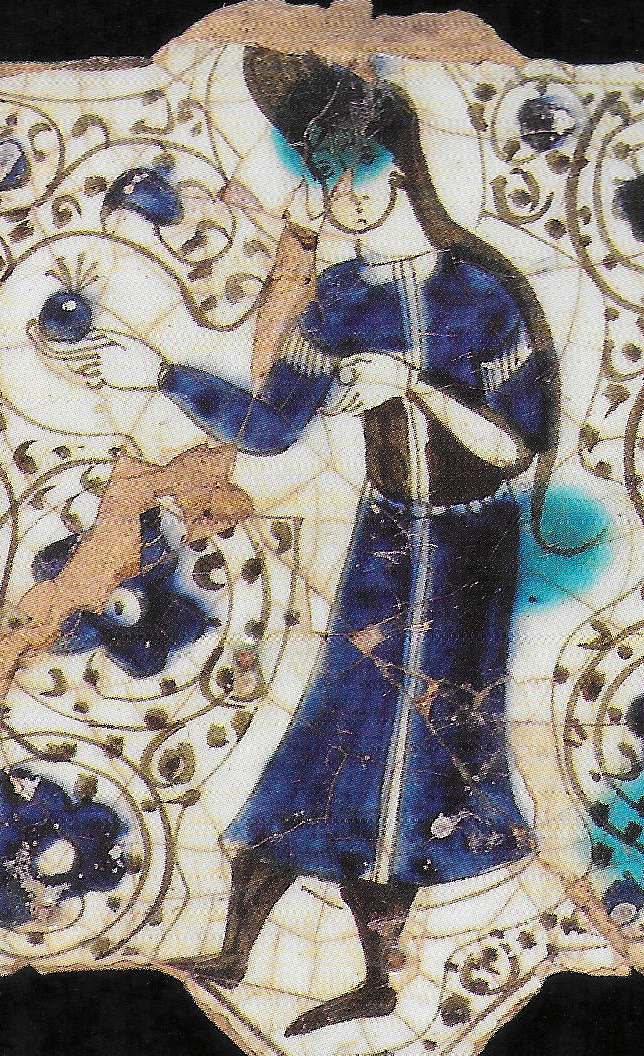
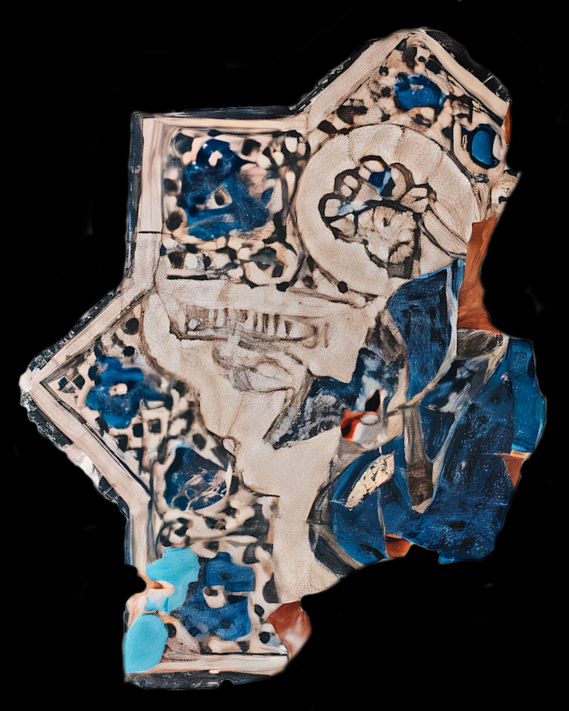
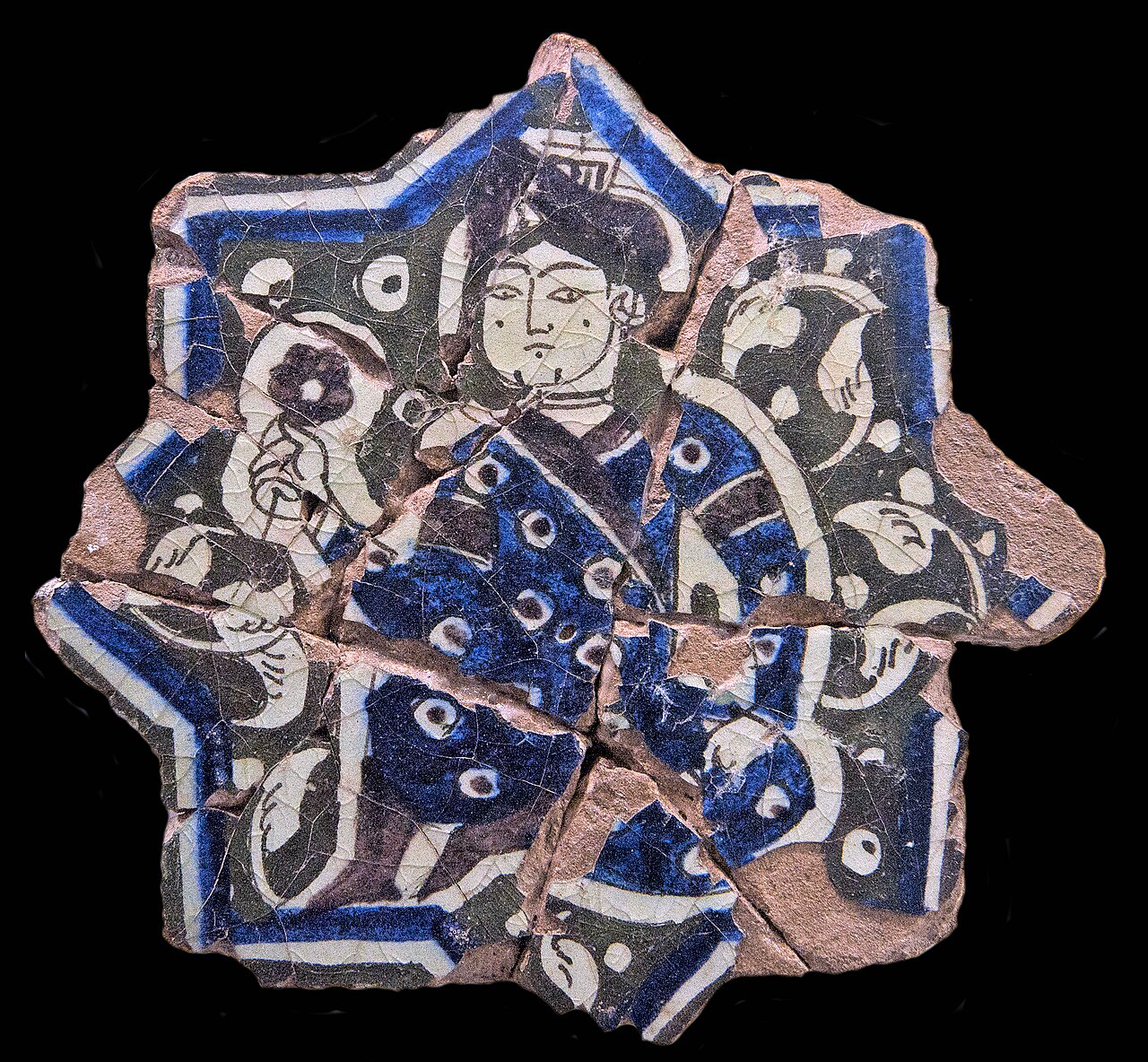
Tile of a Standing Man Holding a Pomegranate, Kubadabad
late 1220s
A decorative tile showing a standing man holding a pomegranate, from Kayqubad I's Kubadabad palace in the late 1220s.
This tile decorated Kubadabad, the palace built during Kayqubad I's reign.
About this source
What it is
This decorative tile depicts a standing man holding a pomegranate. It dates from the late 1220s and comes from Kubadabad, the palace complex built during the reign of Sultan Kayqubad I.
Why it matters
Tiles like this one formed part of the rich decorative program of Kayqubad I's palace, showing figural scenes alongside the more common geometric and floral Seljuk designs. The pomegranate, a fruit often linked to abundance in art of the period, hints at the symbolic meaning craftsmen built into everyday palace decoration.
Look closer
- Why might an artist choose to show a man holding a pomegranate rather than another object?
- What does this tile suggest about the variety of imagery used at Kayqubad I's court?
- What is left unexplained by the brief record describing this tile?
This artifact is part of the curated material that grounds the AI version of Kayqubad I on Humy.ai — when students ask about related events, the AI can quote it and cite it.
More Kayqubad I sources
Browse all 87 →

Ready when you are
Start chatting with Kayqubad I now.
20 messages free · No credit card · Available in 50+ languages.