


Primary sourceArtifactLate 1220s
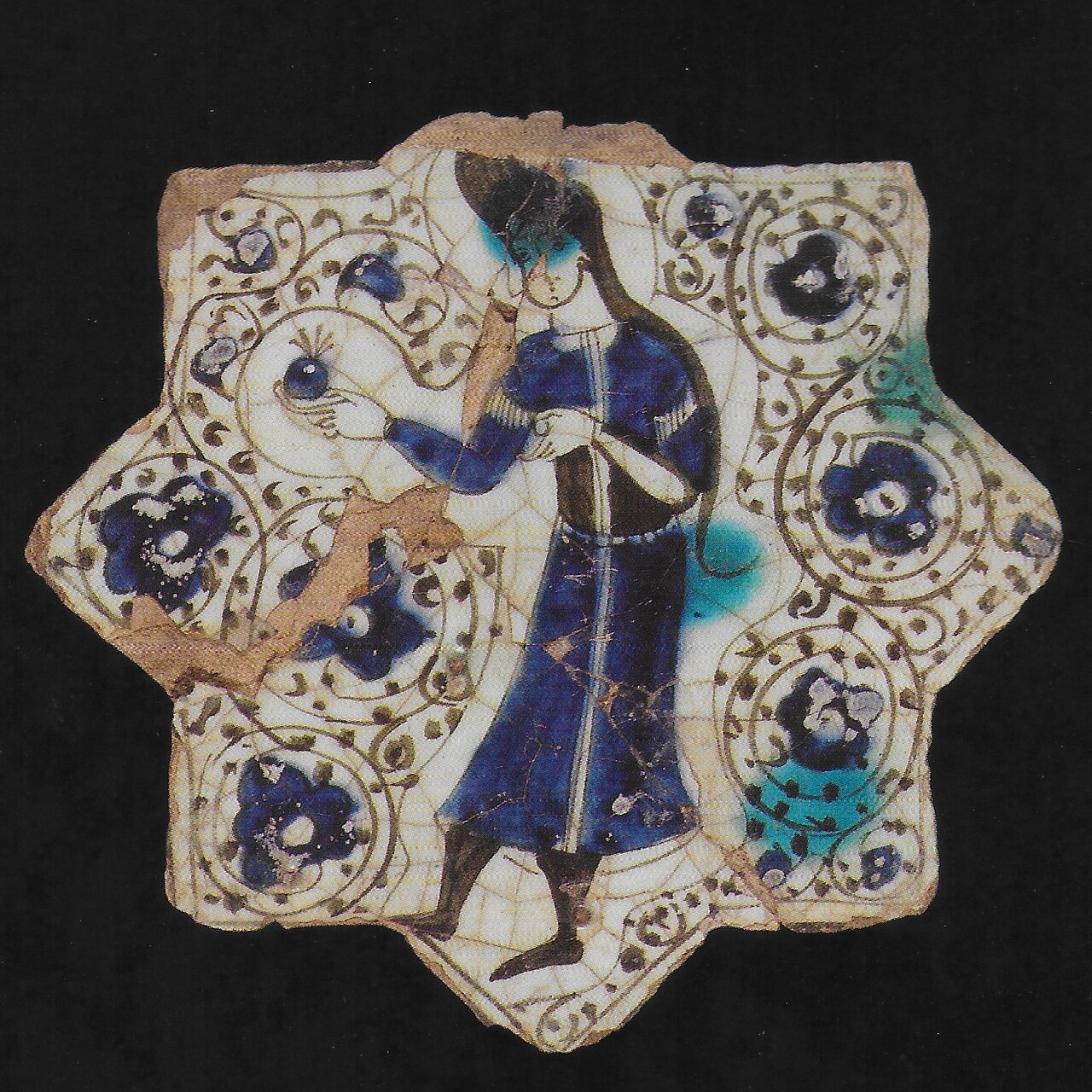
Tile with Standing Man Holding a Pomegranate
Late 1220s artist, Central Turkey · Late 1220s
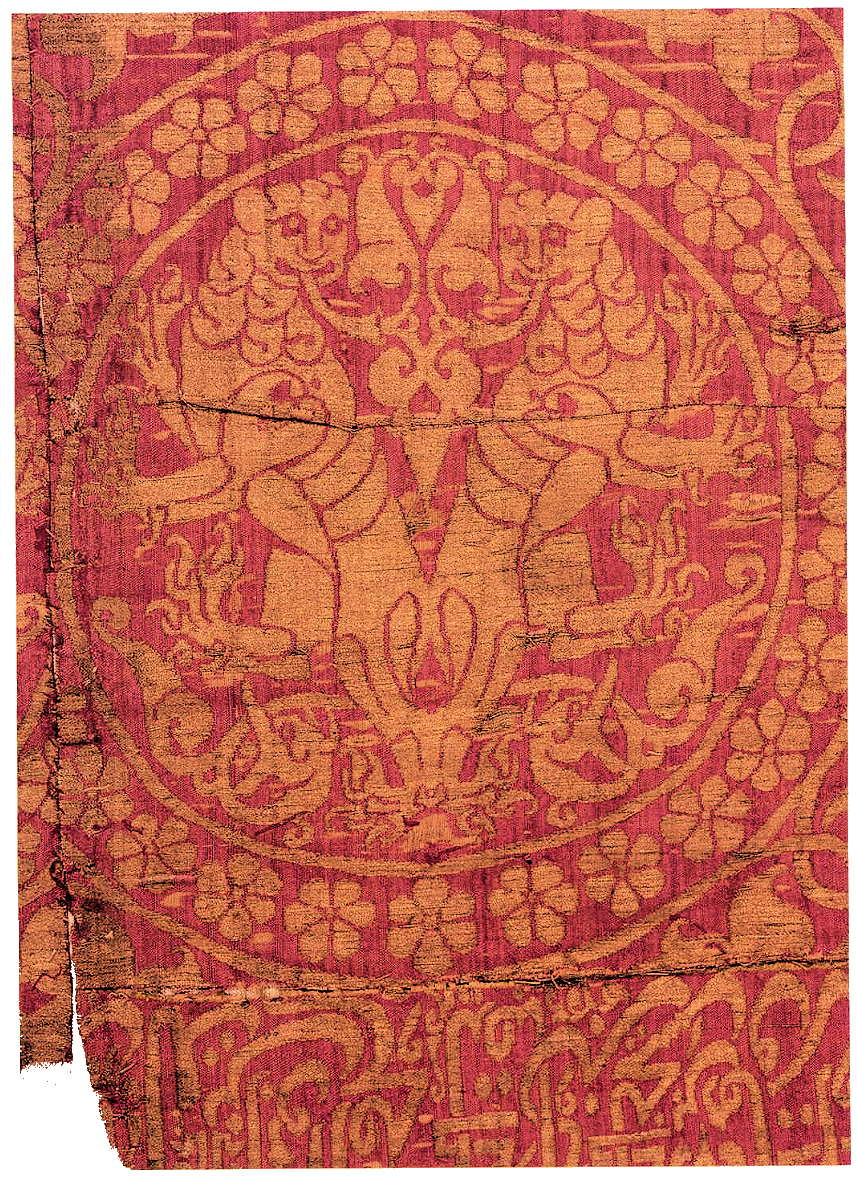
A glazed tile from Kayqubad I's Kubadabad Palace showing a standing man holding a pomegranate, from the late 1220s.
This tile comes from Kayqubad I's Kubadabad Palace, showing decorative art from his court.
About this source
What it is
This is a star-shaped glazed ceramic tile from the late 1220s, made in Central Turkey for the Kubadabad Palace, built during the reign of Sultan Kayqubad I.
Why it matters
The tile is a primary object surviving from the sultan's own palace, showing the kind of figural and floral decoration favoured by his court. The image of a standing man holding a pomegranate gives historians insight into the artistic tastes and daily imagery of the Seljuk elite in this period.
Look closer
- What might the pomegranate symbolize in this decoration?
- What does the clothing of the standing figure tell us about the period?
- Why do you think this scene was chosen for a palace wall or floor?
This artifact is part of the curated material that grounds the AI version of Kayqubad I on Humy.ai — when students ask about related events, the AI can quote it and cite it.
More Kayqubad I sources
Browse all 87 →



Ready when you are
Start chatting with Kayqubad I now.
20 messages free · No credit card · Available in 50+ languages.