


Secondary sourcePainting
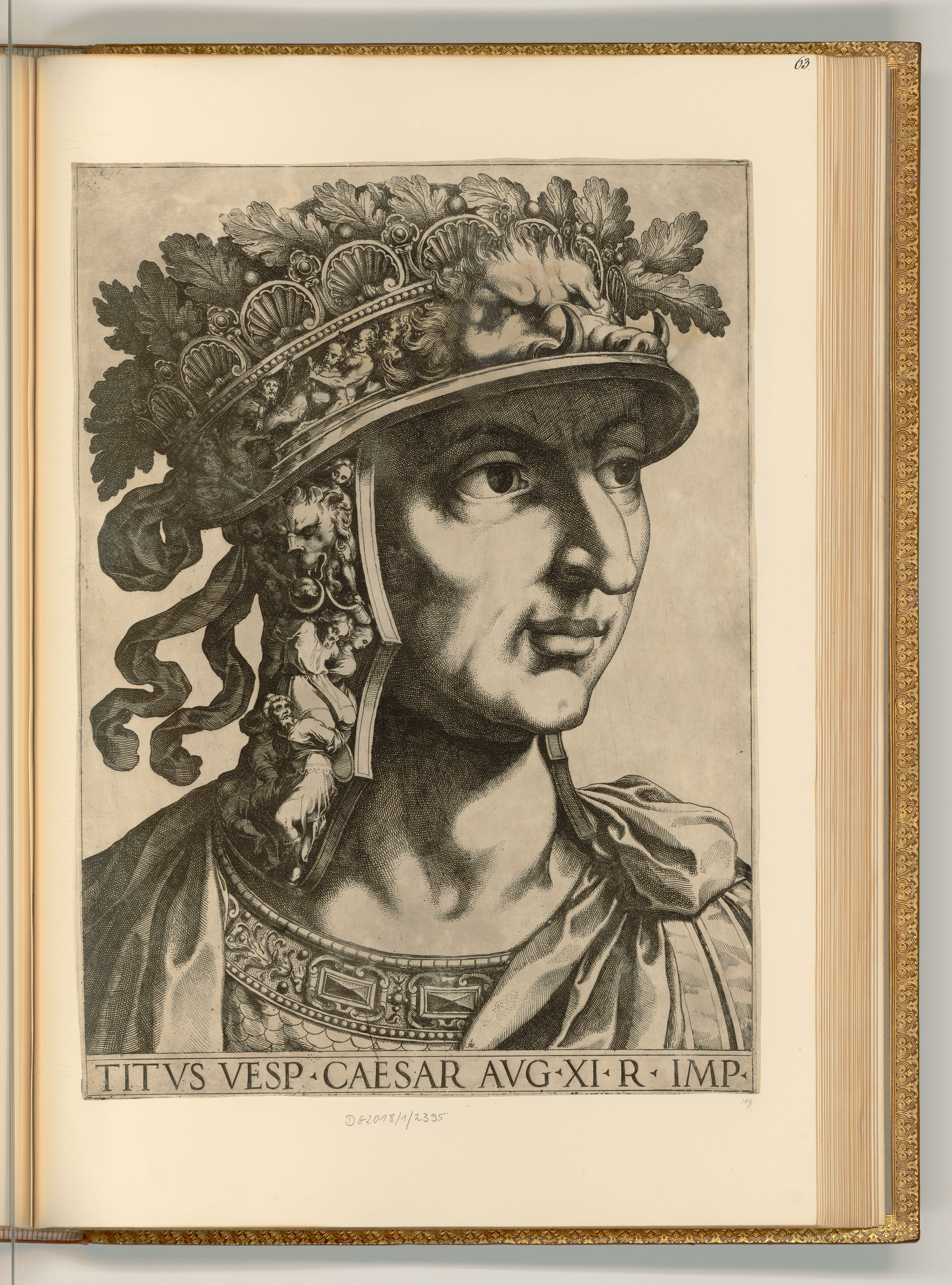
Titus and Vespasian (Albertina engraving, profile)
An engraved portrait of the emperor Titus, son of Vespasian, held by the Albertina Museum. It is a later printed image with little known about its making.
Shows Titus, Vespasian's son and successor, as he was pictured in a later collection of Roman emperors.
About this source
What it is
This is an engraved portrait of a Roman emperor in profile facing right. He wears an ornate helmet decorated with oak leaves, shells and small figures, and a cuirass with a decorative border. The inscription reads TITVS VESP CAESAR AVG XI R IMP, and the image is printed on a book page. The Albertina Museum in Austria holds it. The record gives no maker and no date. The image shows the emperor Titus, who was the son of Vespasian.
Why it matters
Titus succeeded his father Vespasian as emperor, and the two were often shown together in later collections of Roman rulers. This engraving is a later artwork, not a record made during their reigns. It shows how the Flavian emperors were remembered and presented to readers after their time.
Look closer
- What symbols on the helmet and cuirass might suggest power or victory?
- Why would a book include a portrait of Titus, and what story is it trying to tell?
- What does this single portrait leave out about the relationship between father and son?
This painting is part of the curated material that grounds the AI version of Vespasian and Titus on Humy.ai — when students ask about related events, the AI can quote it and cite it.
More Vespasian sources
Browse all 95 →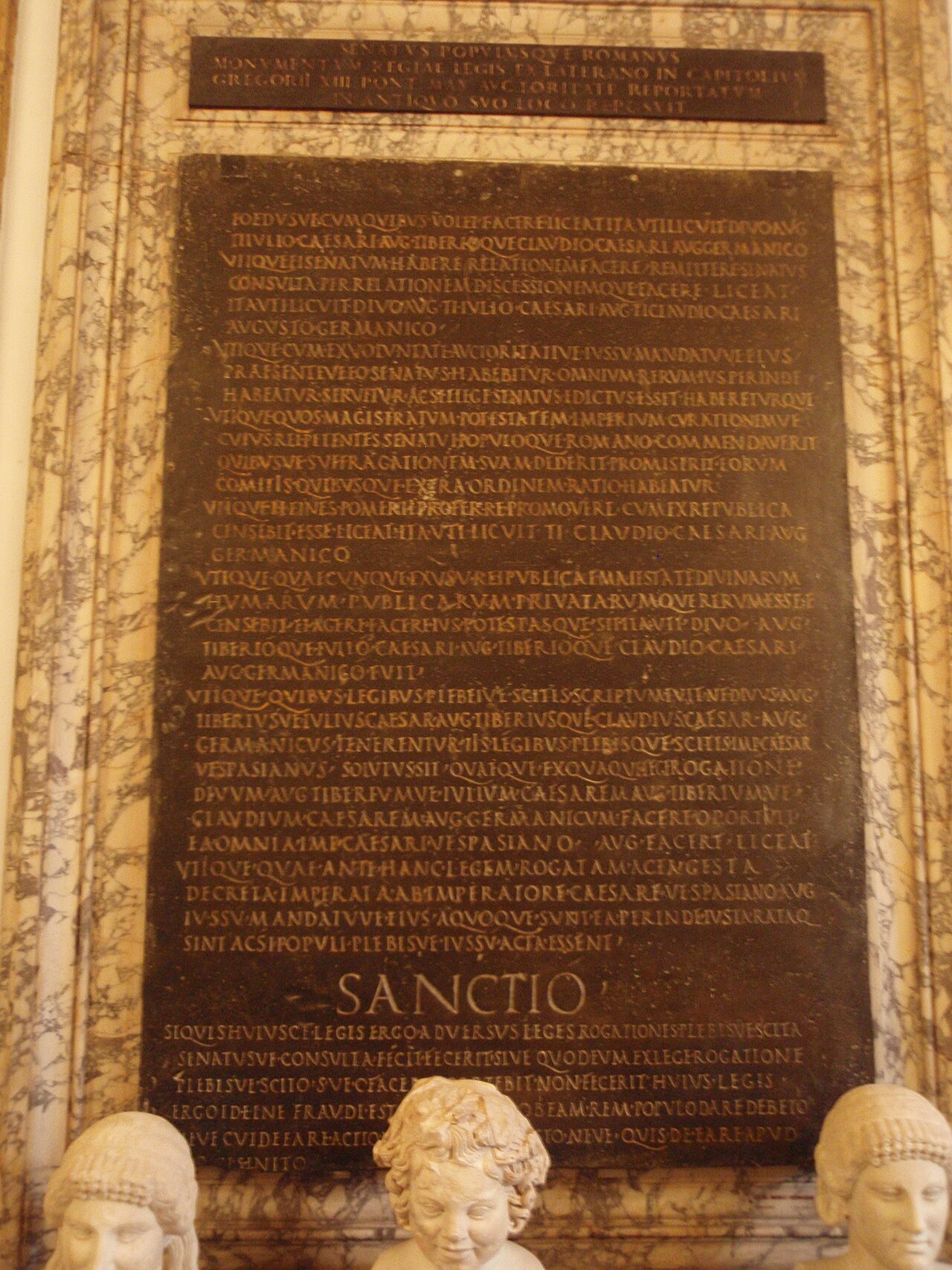 Document
Primary source
Lex de imperio Vespasiani
Roman Senate · AD 69–70
 Artifact
Primary source
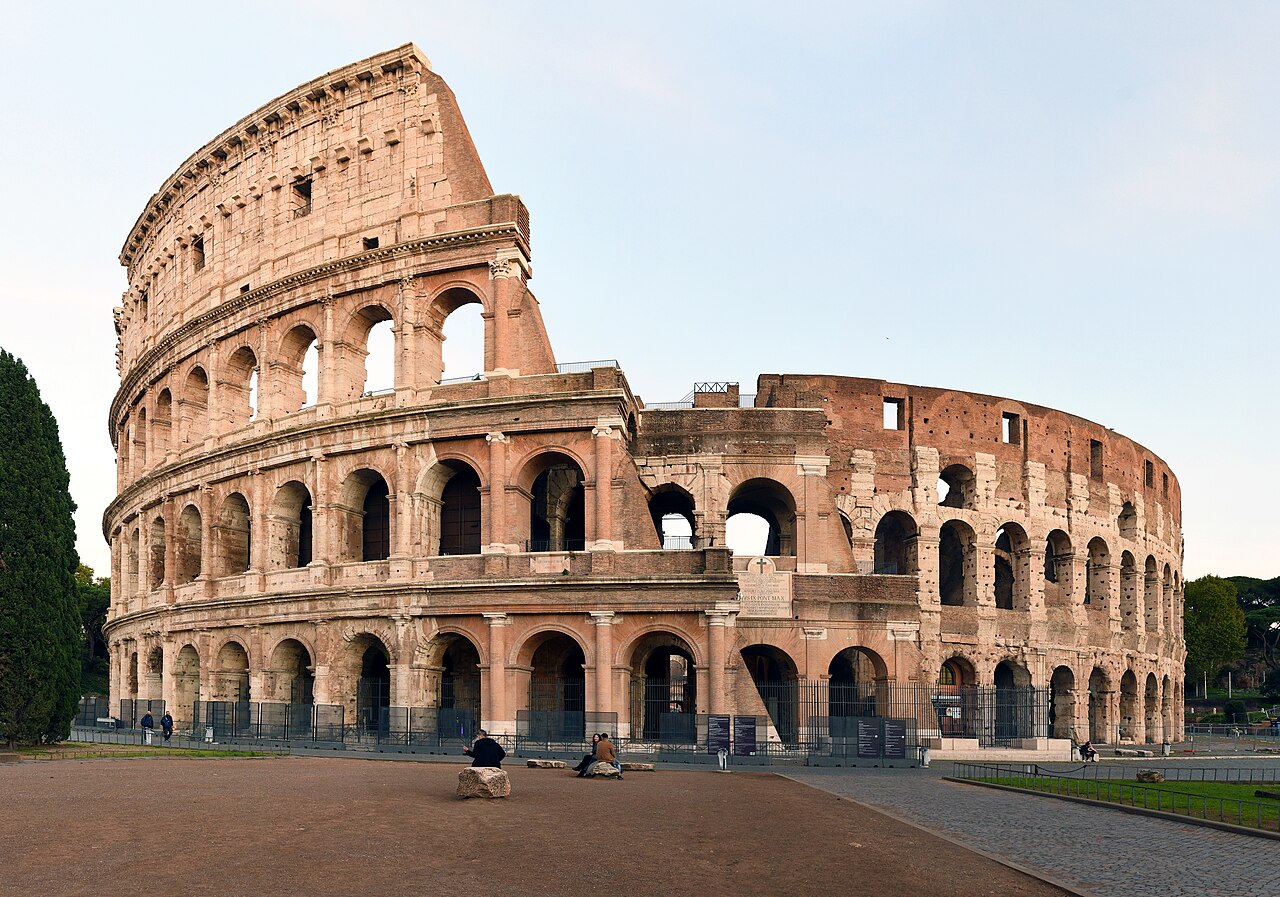
Colosseum
begun 72 AD, completed 80 AD
 Book
Secondary source
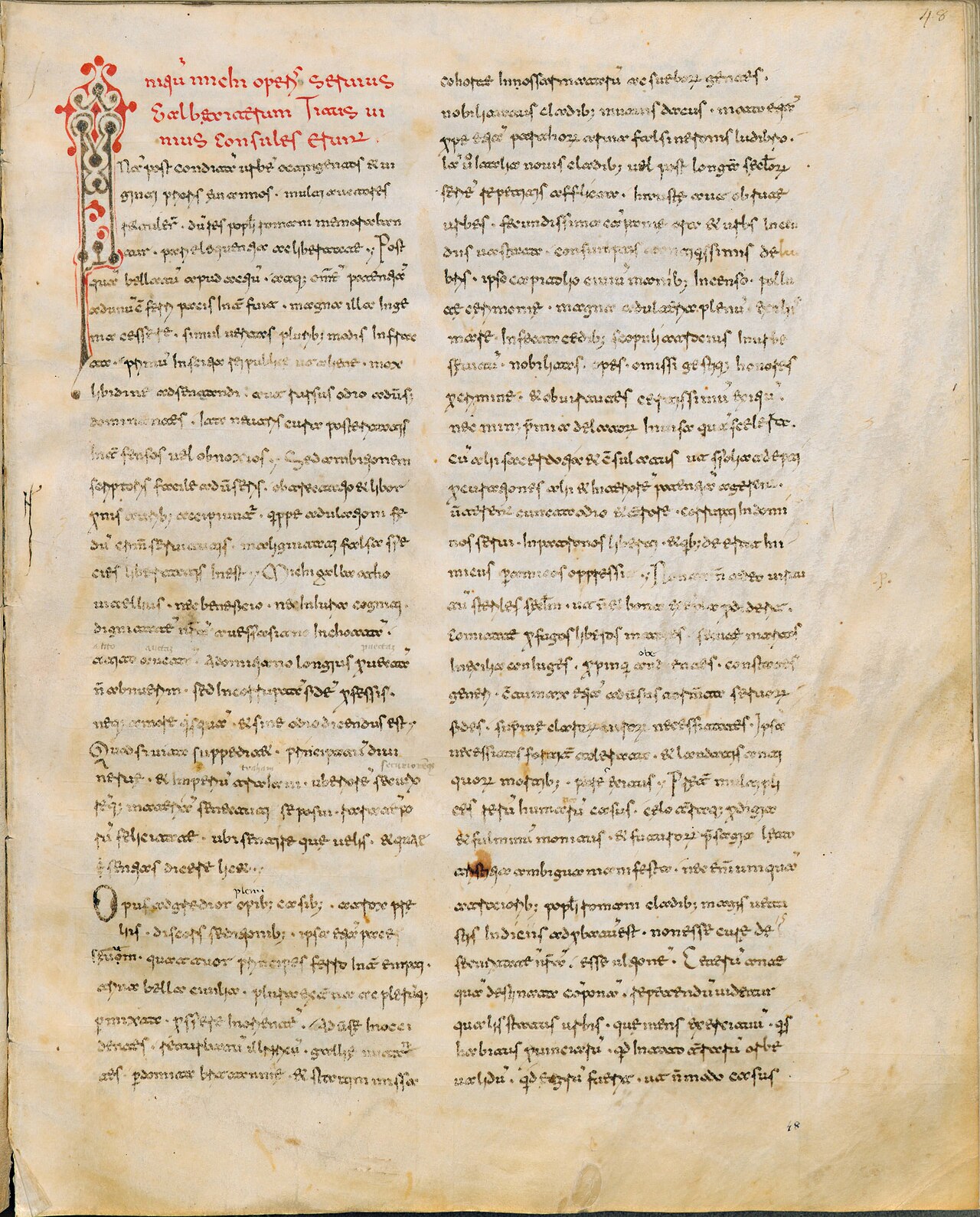
Histories
Tacitus · c. 100-110 AD
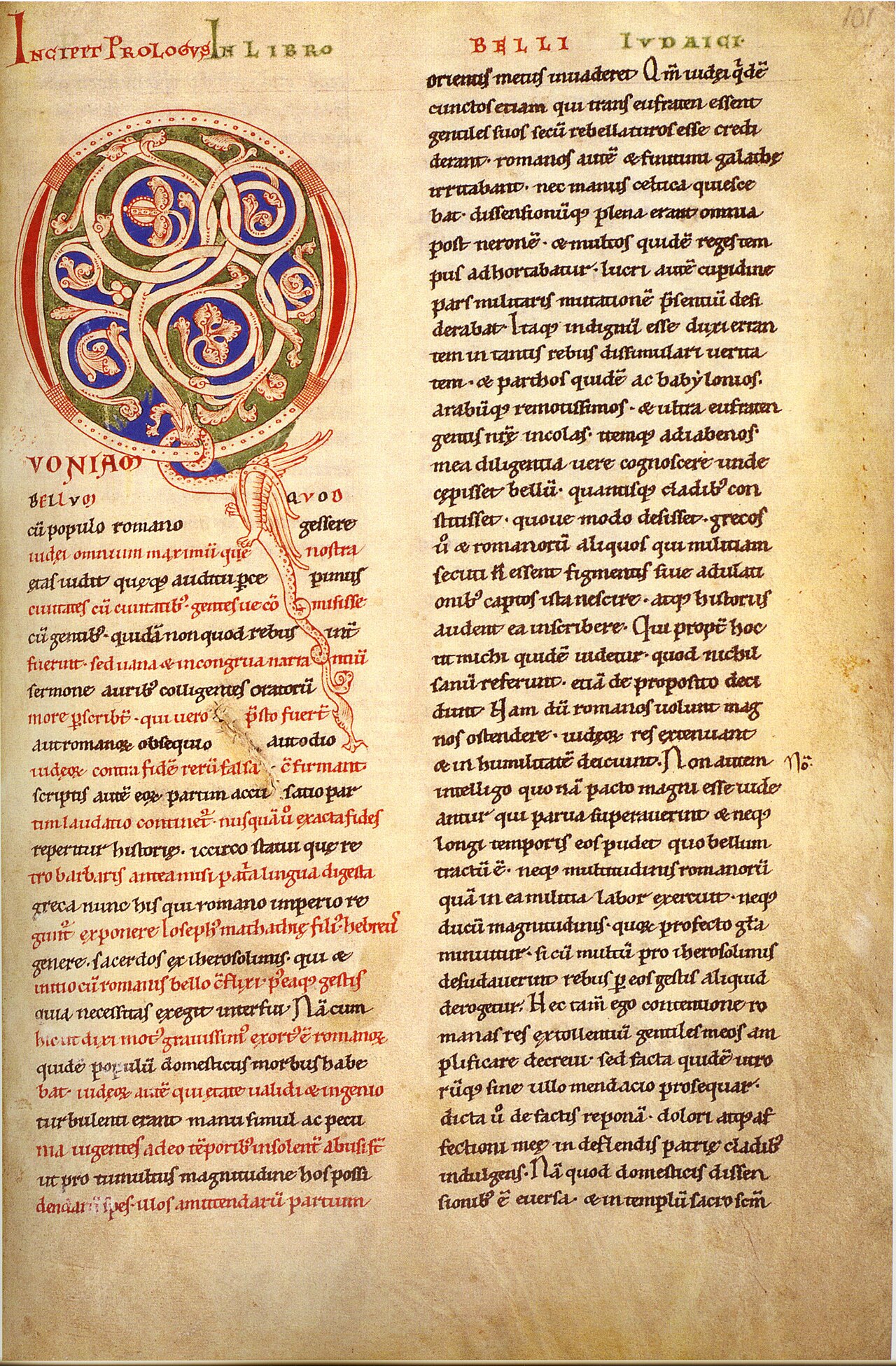 Book
Secondary source
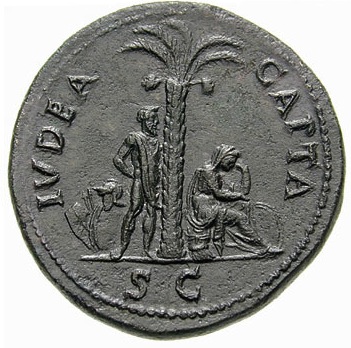
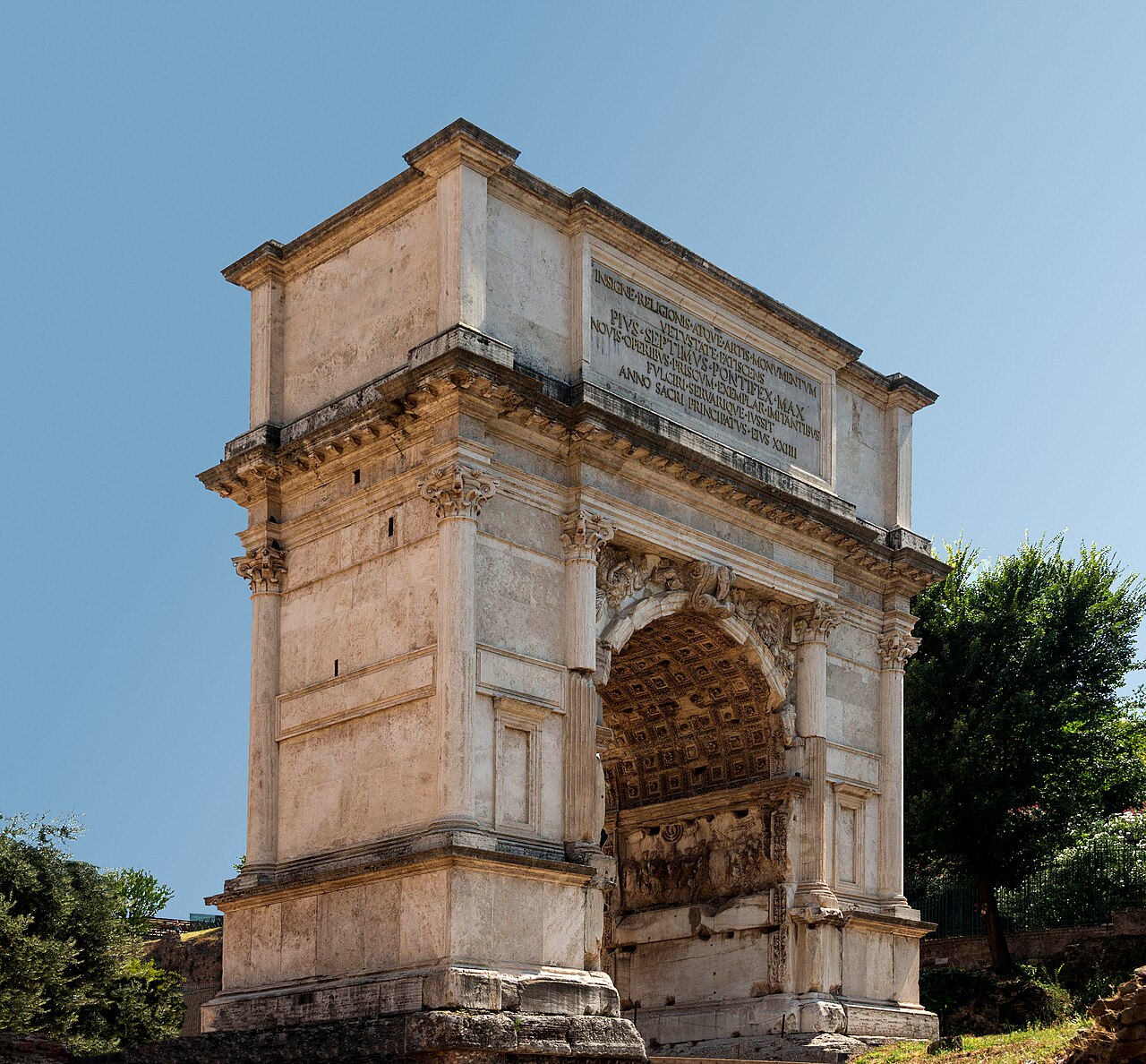
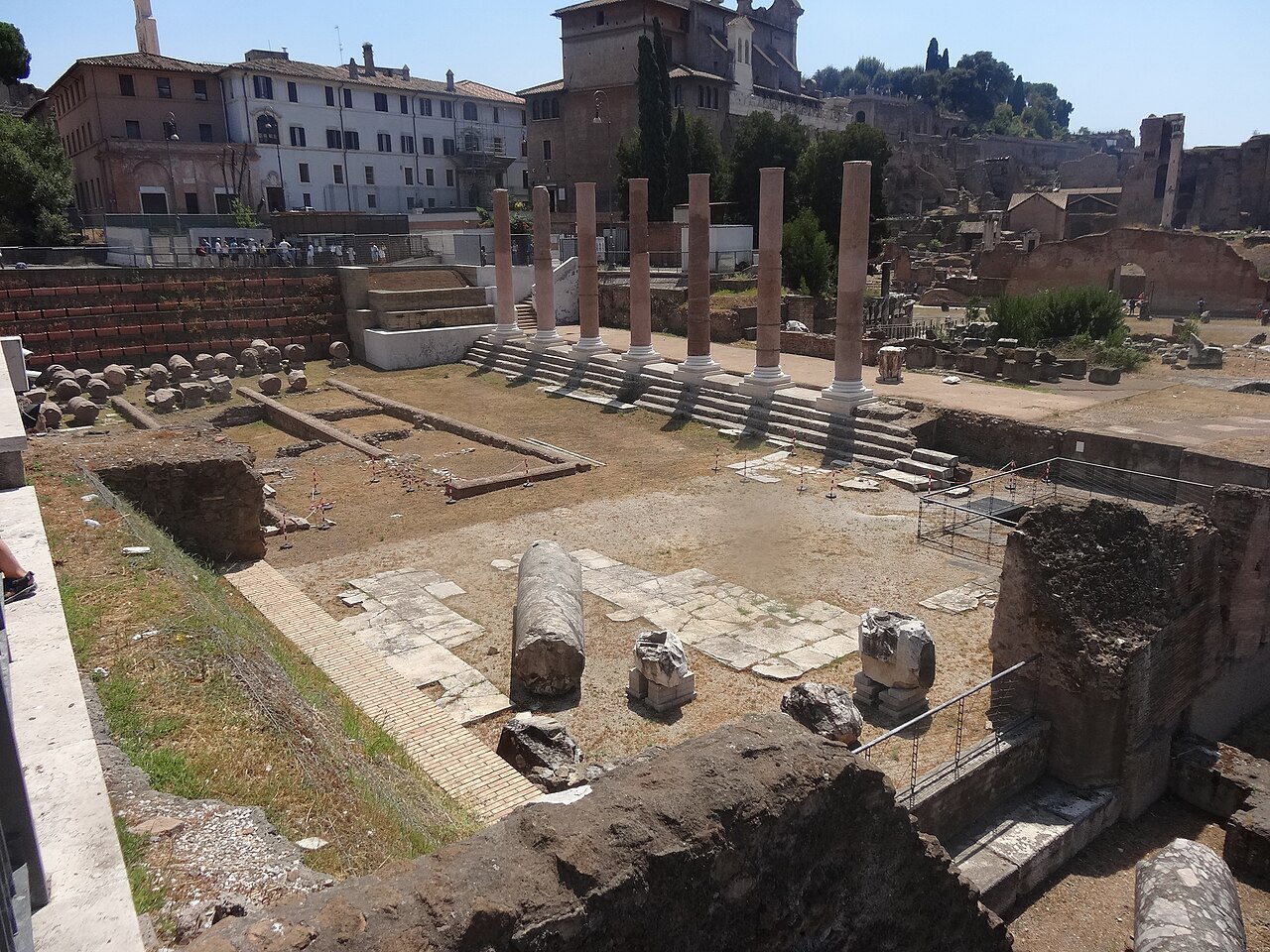
The Jewish War
Josephus · c. AD 75
Free account
Read every Vespasian source
Sign up free →
Ready when you are
Start chatting with Vespasian now.
20 messages free · No credit card · Available in 50+ languages.