


Primary sourceSpeech1772
To the Right Honourable William, Earl of Dartmouth
Phillis Wheatley · 1772
A 1772 poem by Phillis Wheatley celebrating Lord Dartmouth's arrival in the colonies, in which she links colonial liberty to her own capture from Africa.
Wheatley wrote this poem herself, making it a primary autobiographical statement of her views on liberty and slavery.
About this source
What it is
This poem was written by Phillis Wheatley in 1772, addressed to William Legge, Earl of Dartmouth, a British official responsible for colonial affairs.
Wheatley celebrates his appointment and the hopes for freedom in the colonies, then shifts to speak of her own seizure from Africa.
Why it matters
This poem contains one of the clearest moments in Wheatley's work where she connects the colonial cry for liberty to her own personal history as an enslaved person. It shows how an enslaved African-American poet used the language of politics to speak about her own experience.
Look closer
- Why might Wheatley choose to praise a British official while also speaking of her own enslavement?
- What does it tell us that an enslaved poet addressed a high-ranking official directly?
- What questions does the poem leave open about how Wheatley really felt about slavery?
This speech is part of the curated material that grounds the AI version of Phyllis Wheatley on Humy.ai — when students ask about related events, the AI can quote it and cite it.
More Phyllis Wheatley sources
Meet the AI Phyllis Wheatley →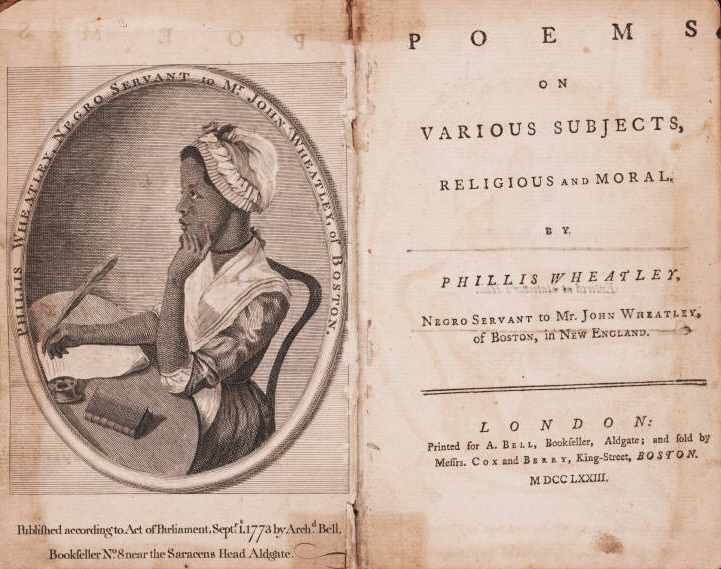 Book
Primary source
Poems on Various Subjects, Religious and Moral
Phillis Wheatley · 1773
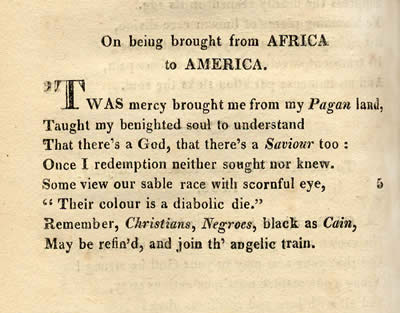 Book
Primary source
On Being Brought from Africa to America
Phillis Wheatley · 1768 (published 1773)
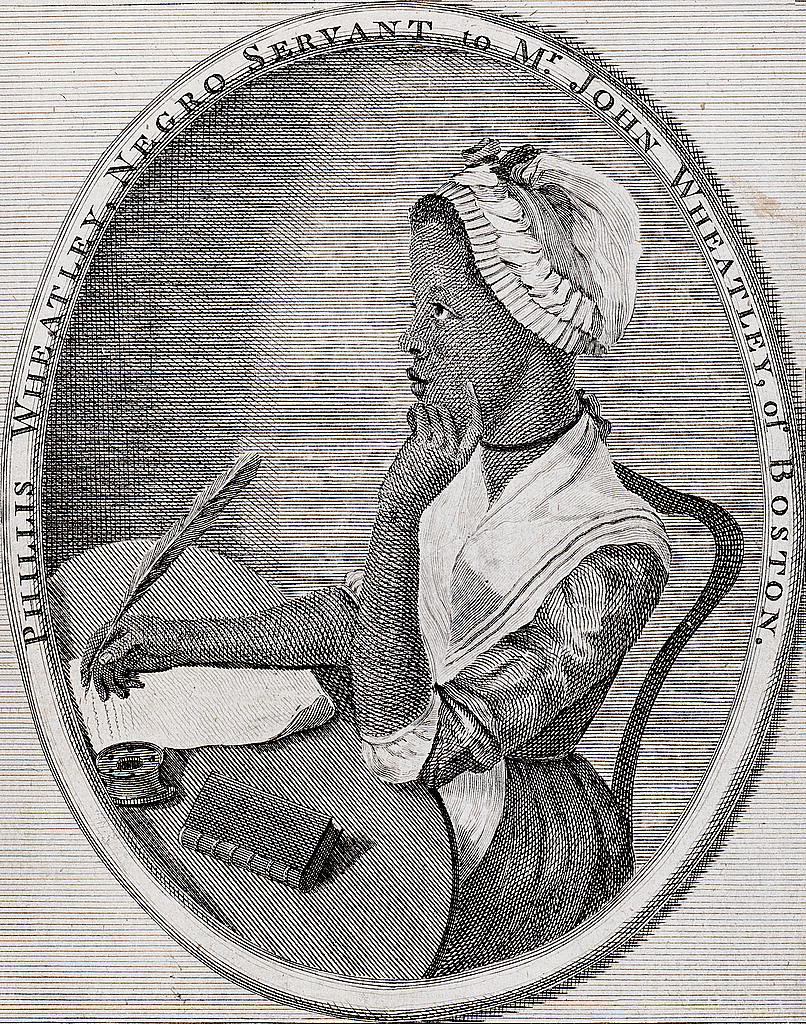 Painting
Primary source
Phillis Wheatley
Scipio Moorhead · 1773
Primary source
To His Excellency General Washington
Phillis Wheatley · 1775
Primary source
Notes on the State of Virginia
Thomas Jefferson · written 1781-1783, published 1785
Ready when you are
Start chatting with Phyllis Wheatley now.
20 messages free · No credit card · Available in 50+ languages.