


Secondary sourcePainting1886
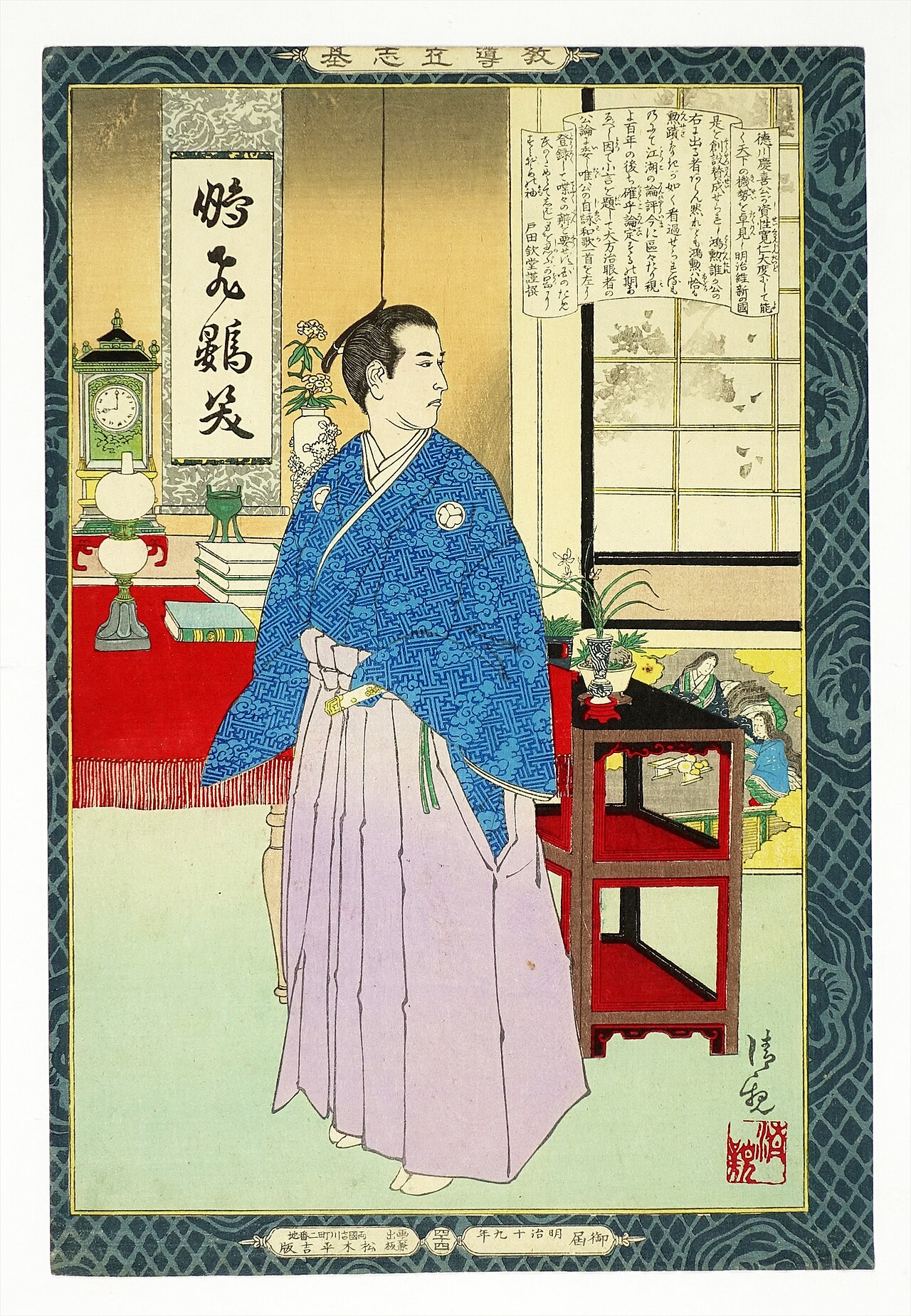
Tokugawa Yoshinobu, Woodblock Print by Kobayashi Kiyochika
Kobayashi Kiyochika · 1886
A 1886 Meiji-era woodblock print by Kobayashi Kiyochika showing Tokugawa Yoshinobu standing in a Japanese room, part of a series on success.
This Meiji-era print presents Yoshinobu as a figure of success after his years as shogun had ended.
About this source
What it is
This is a woodblock print by the artist Kobayashi Kiyochika, published in 1886, part of a series called Instruction in the Fundamentals of Success. It shows Tokugawa Yoshinobu standing with a topknot, wearing a patterned haori over hakama, in a room with a hanging scroll, a clock, books, and a shoji screen.
Why it matters
Published years after Yoshinobu lost power as shogun, this print places him within a series celebrating models of success in the Meiji era. It shows how, even after the end of the shogunate, Yoshinobu remained a figure worth depicting in popular art, and reveals how Meiji-era Japan mixed traditional dress with new objects like a Western clock.
Look closer
- Why might Yoshinobu be included in a series about 'success' after losing political power?
- What do the objects in the room, like the clock and books, suggest about the era he lived in?
- What does the print emphasize about him, and what does it leave out of his story?
This painting is part of the curated material that grounds the AI version of Tokugawa Yoshinobu on Humy.ai — when students ask about related events, the AI can quote it and cite it.
More Tokugawa Yoshinobu sources
Browse all 70 →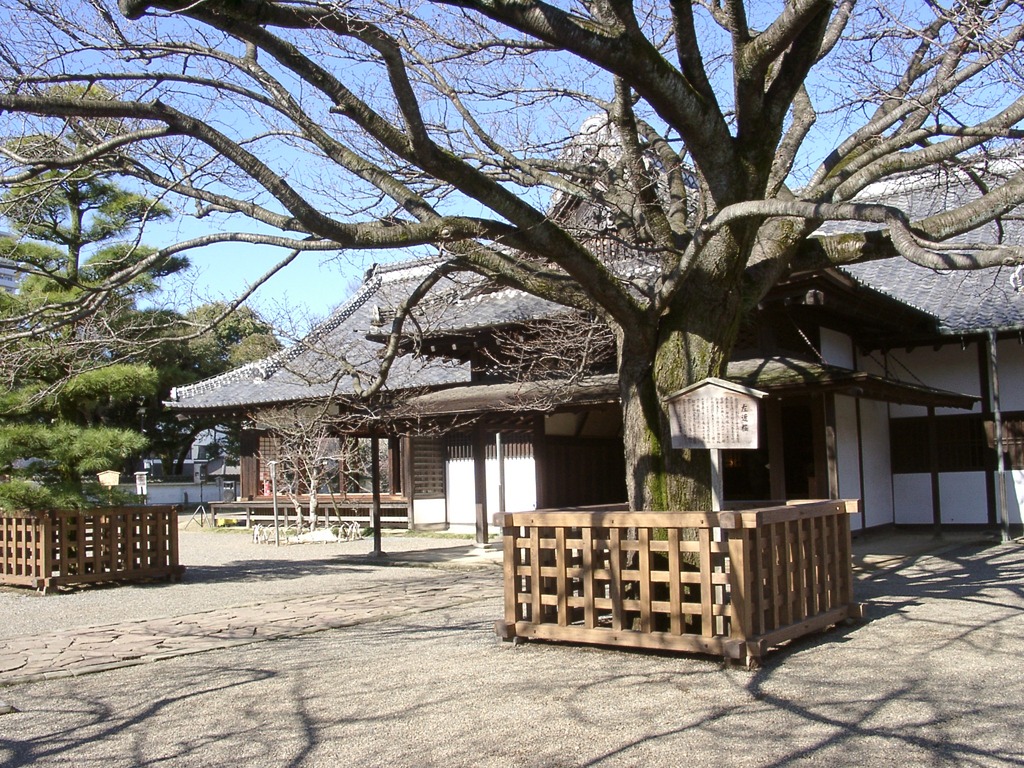 Artifact
Secondary source
Kōdōkan
1841
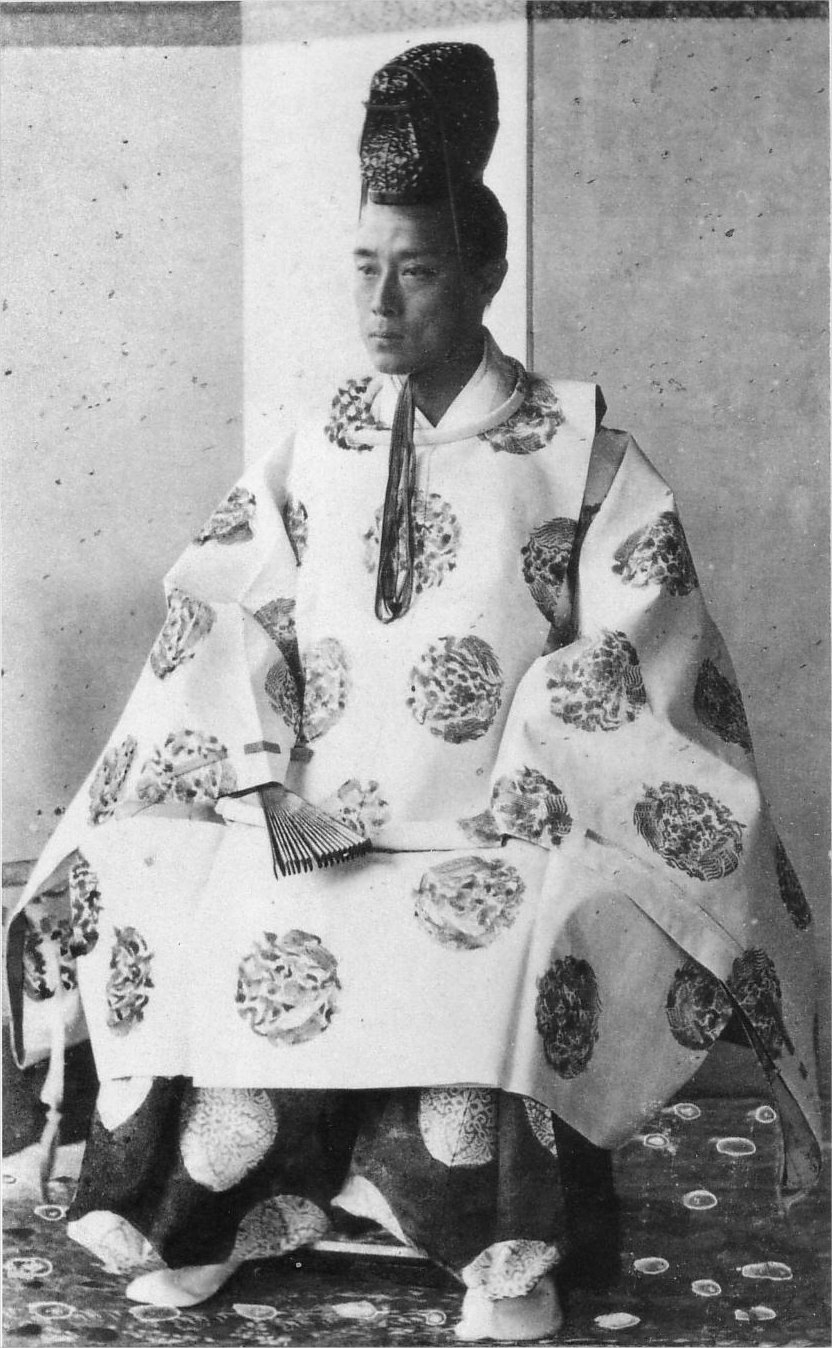 Photograph
Primary source
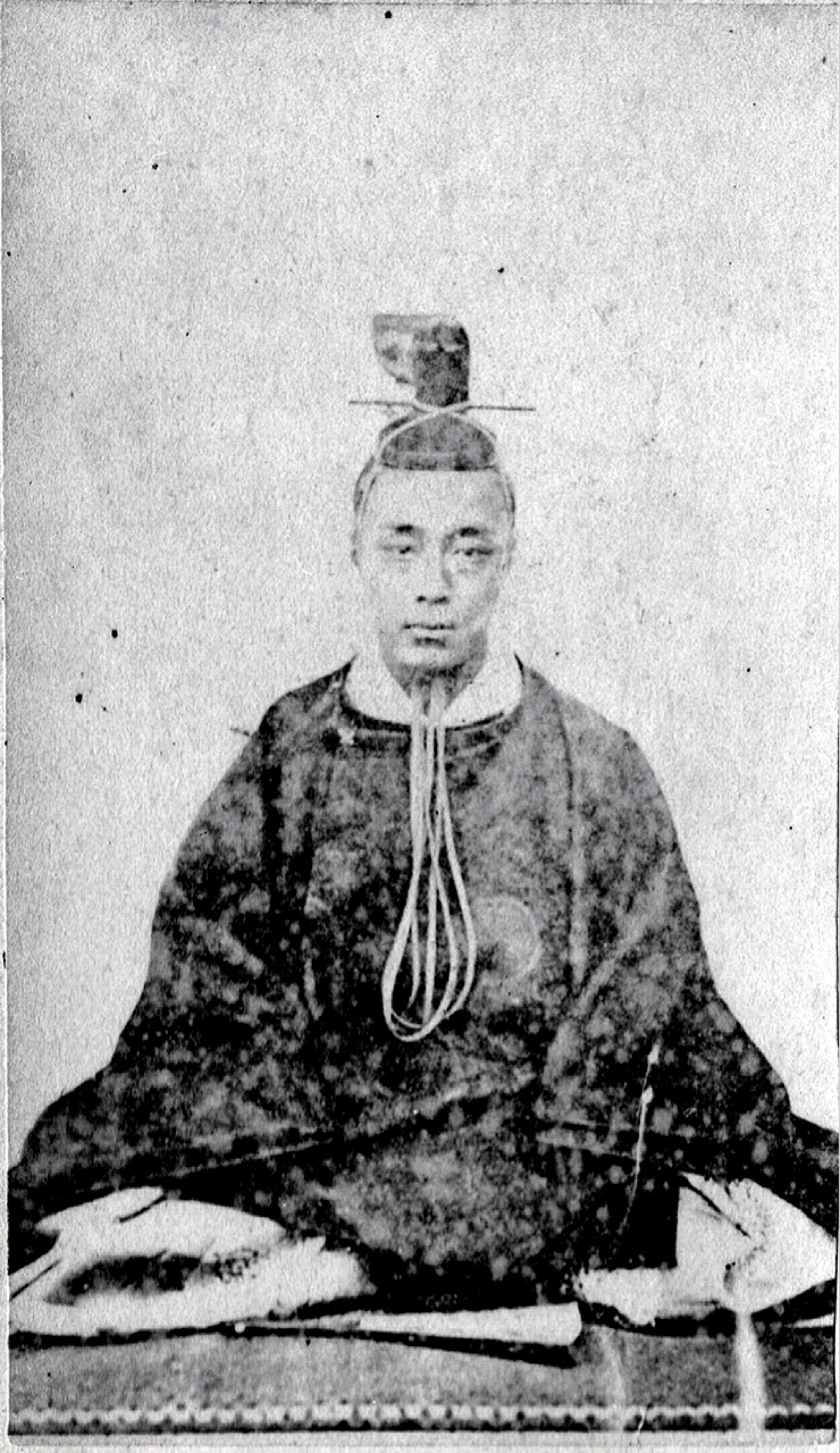
Portrait of Tokugawa Yoshinobu
1867
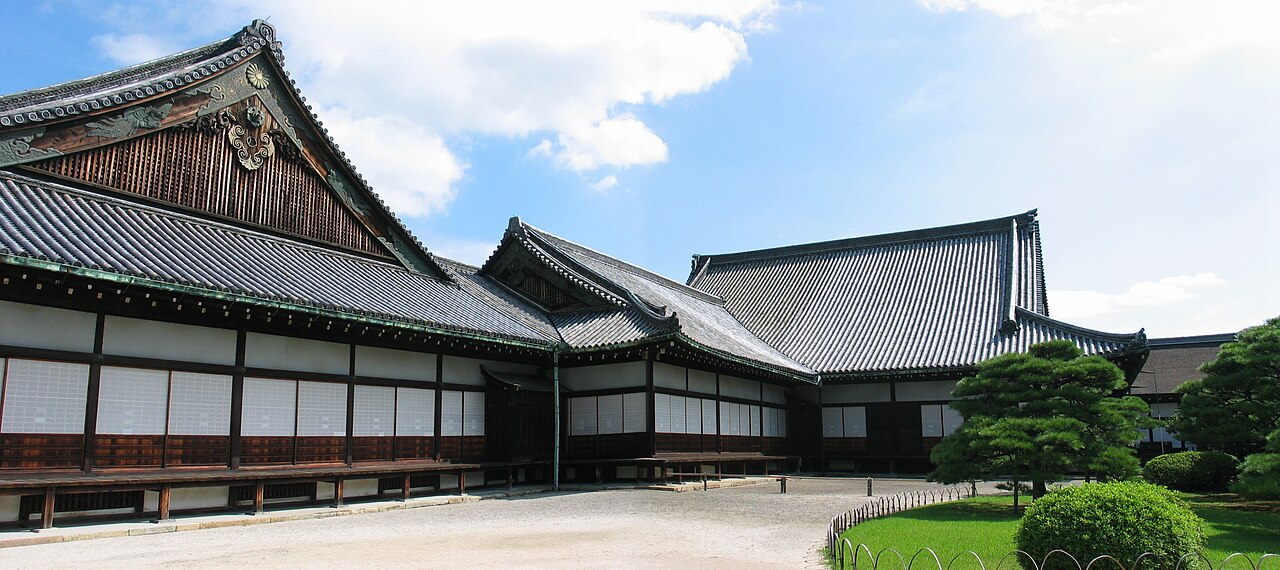 Artifact
Primary source
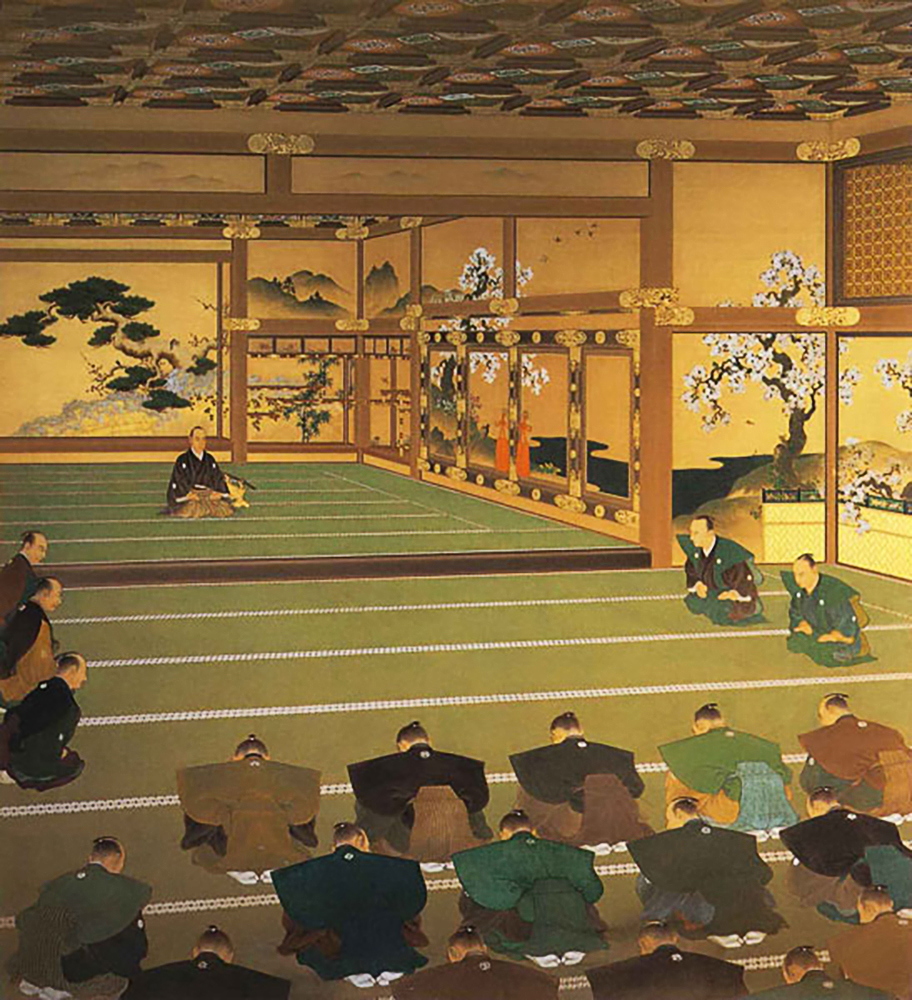
Nijō Castle
1601-1603 (completed 1626)
 Photograph
Primary source
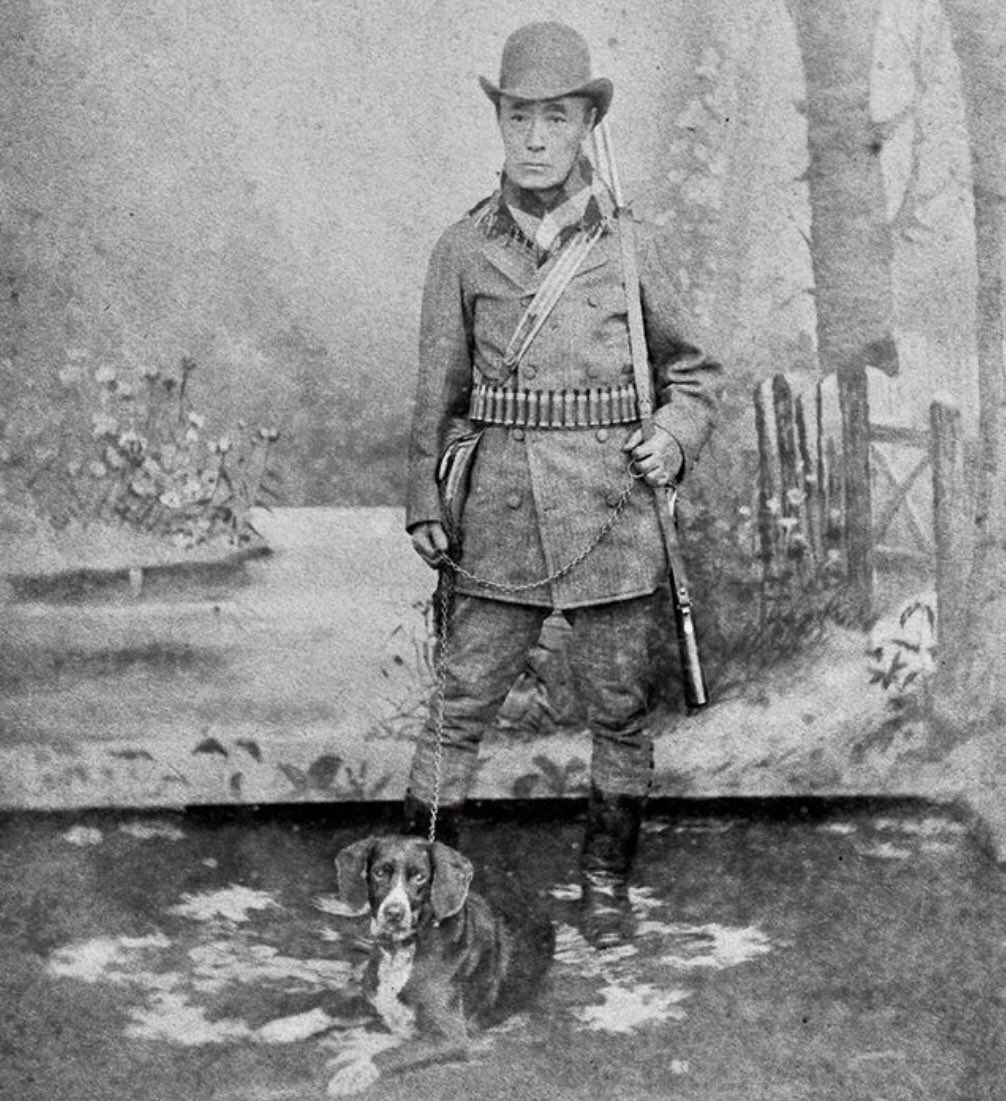
Tokugawa Yoshinobu in Hunting Clothes with Rifle and Pointer
1870s
Free account
Read every Tokugawa Yoshinobu source
Sign up free →
Ready when you are
Start chatting with Tokugawa Yoshinobu now.
20 messages free · No credit card · Available in 50+ languages.