


Secondary sourceSculpture13th century
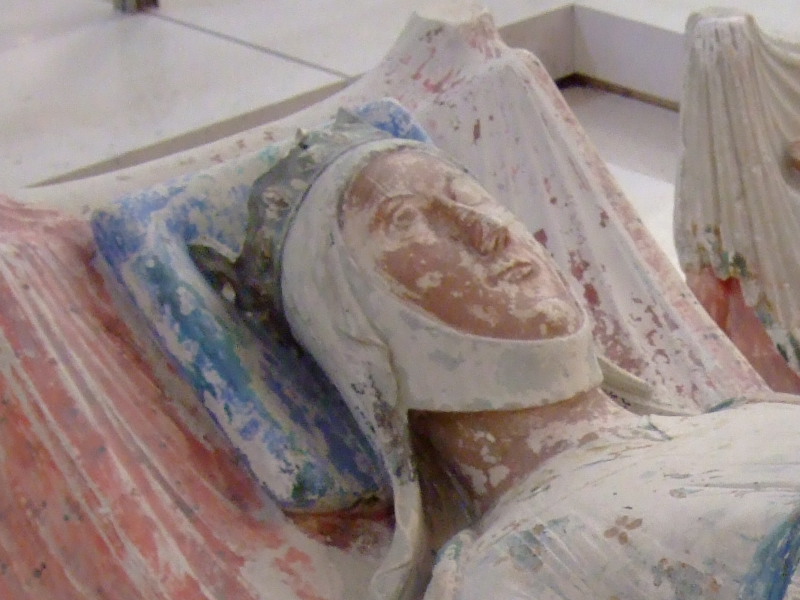
Tomb Effigies of Eleanor and Henry II
Unknown · 13th century
Painted stone effigies lying at Fontevraud Abbey, made long after Eleanor's death to commemorate her and Henry II.
This tomb effigy commemorates Eleanor after her death, showing how she was remembered as queen and duchess.
About this source
What it is
These are carved stone effigies at Fontevraud Abbey, showing Eleanor of Aquitaine and her husband Henry II lying in state. They were made in the 13th century, after both had died, by an unknown sculptor.
Why it matters
Effigies like these were common ways for medieval royal families to be remembered. The effigy of Eleanor shows how later generations wanted her pictured — crowned, calm, and dignified — rather than showing exactly what she looked like in life.
Look closer
- What does the pose and expression suggest about how Eleanor was meant to be remembered?
- Why might the sculptor not have known Eleanor personally, and how does that affect how 'real' this image is?
- What details (clothing, headdress) hint at her status?
This sculpture is part of the curated material that grounds the AI version of Eleanor of Aquitaine on Humy.ai — when students ask about related events, the AI can quote it and cite it.
More Eleanor of Aquitaine sources
Meet the AI Eleanor of Aquitaine →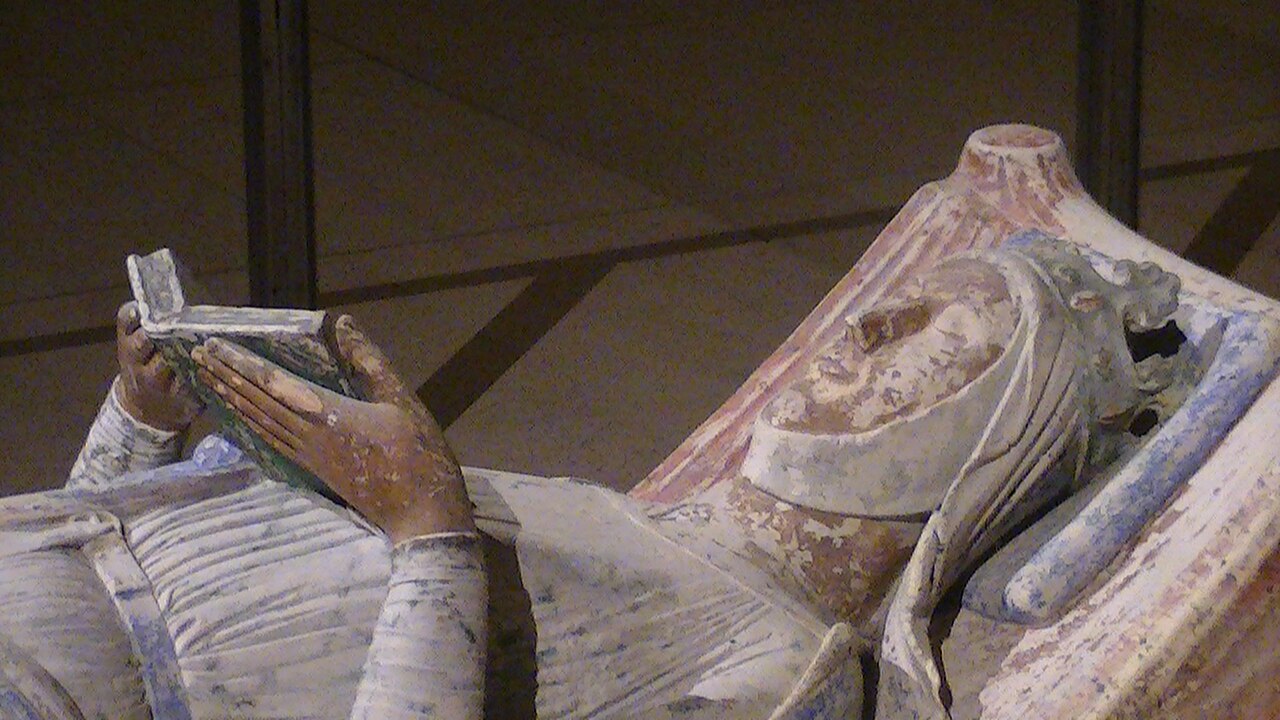 Sculpture
Primary source
Grave of Eleanor of Aquitaine
 Artifact
Primary source
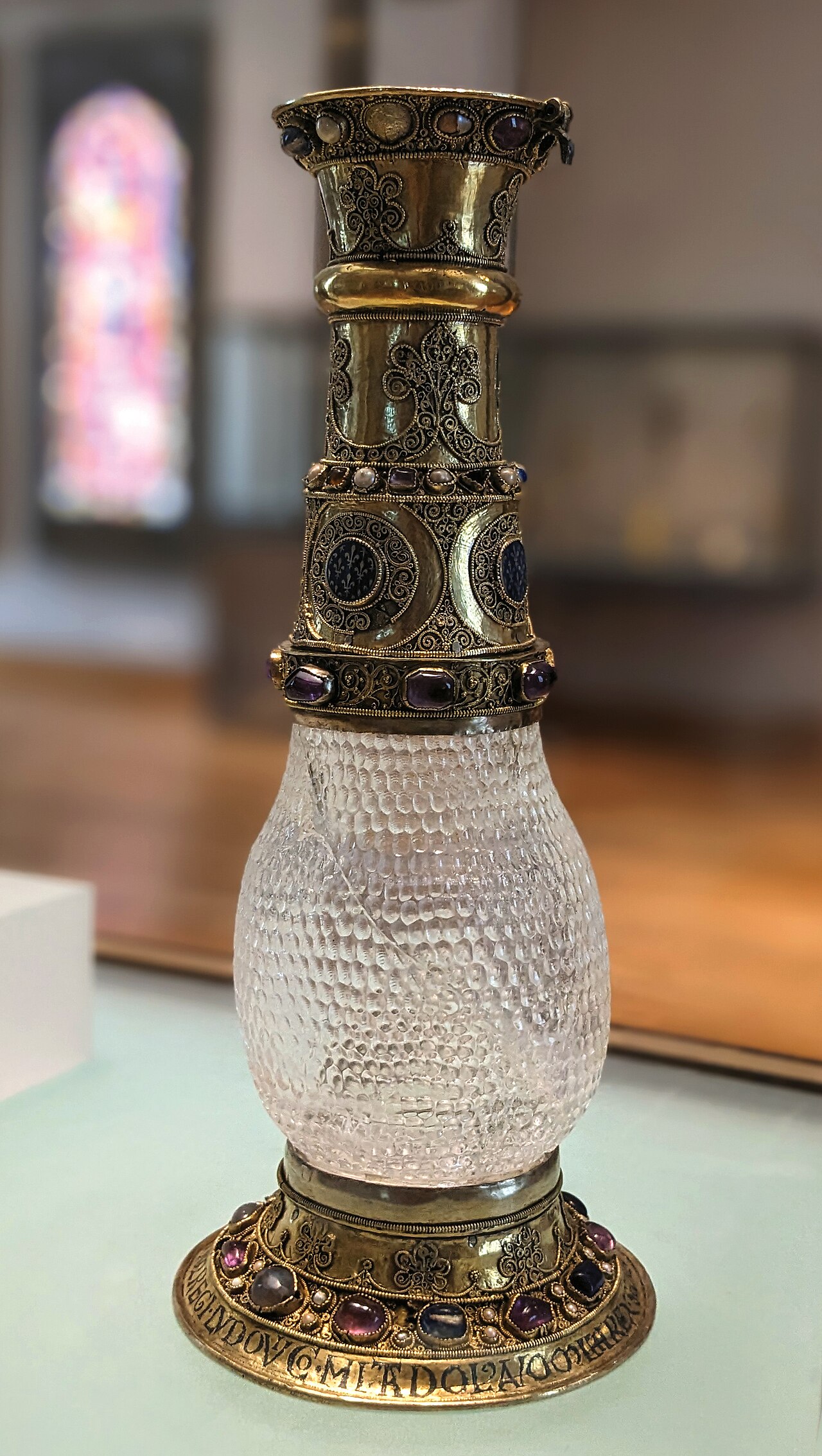
Crystal Vase of Eleanor of Aquitaine
c. 600 (object), given in the 12th century
 Artifact
Primary source
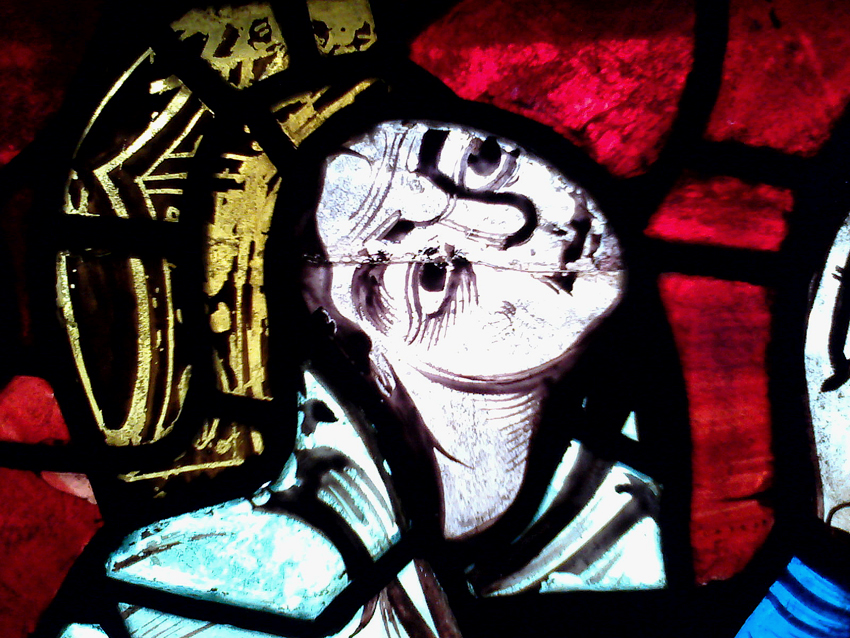
Crucifixion Window of Poitiers Cathedral
c. 1165-1170
 Book
Primary source
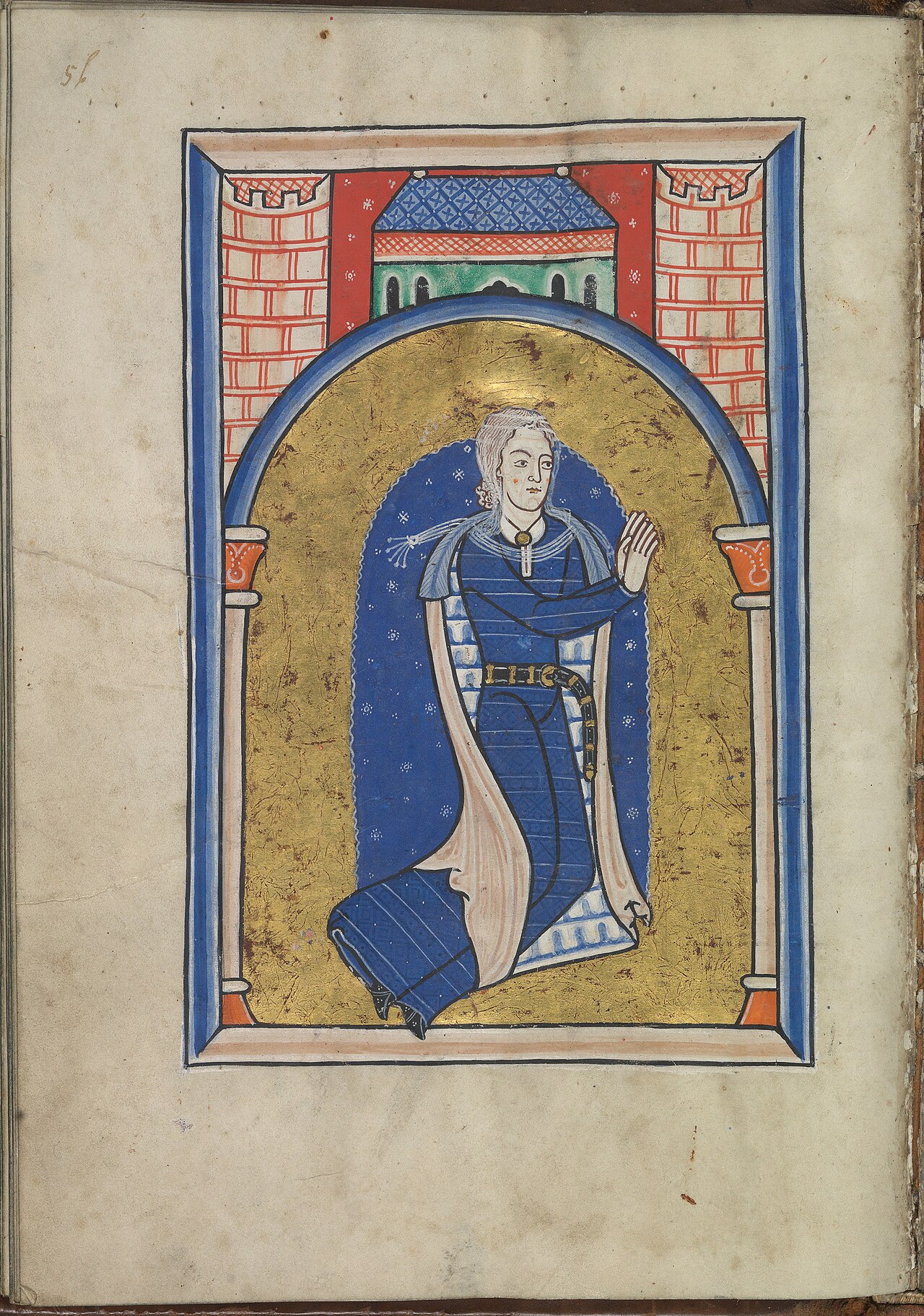
Psalter of Eleanor of Aquitaine
c. 1180
 Artifact
Primary source
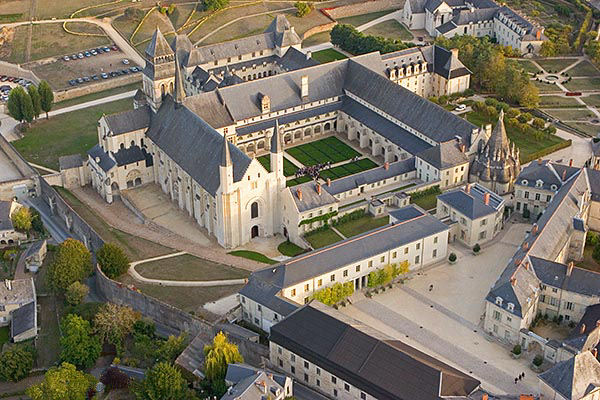
Royal Abbey of Fontevraud
Robert of Arbrissel · founded 1101
Ready when you are
Start chatting with Eleanor of Aquitaine now.
20 messages free · No credit card · Available in 50+ languages.