


Secondary sourceSculpturec. 1199-1200
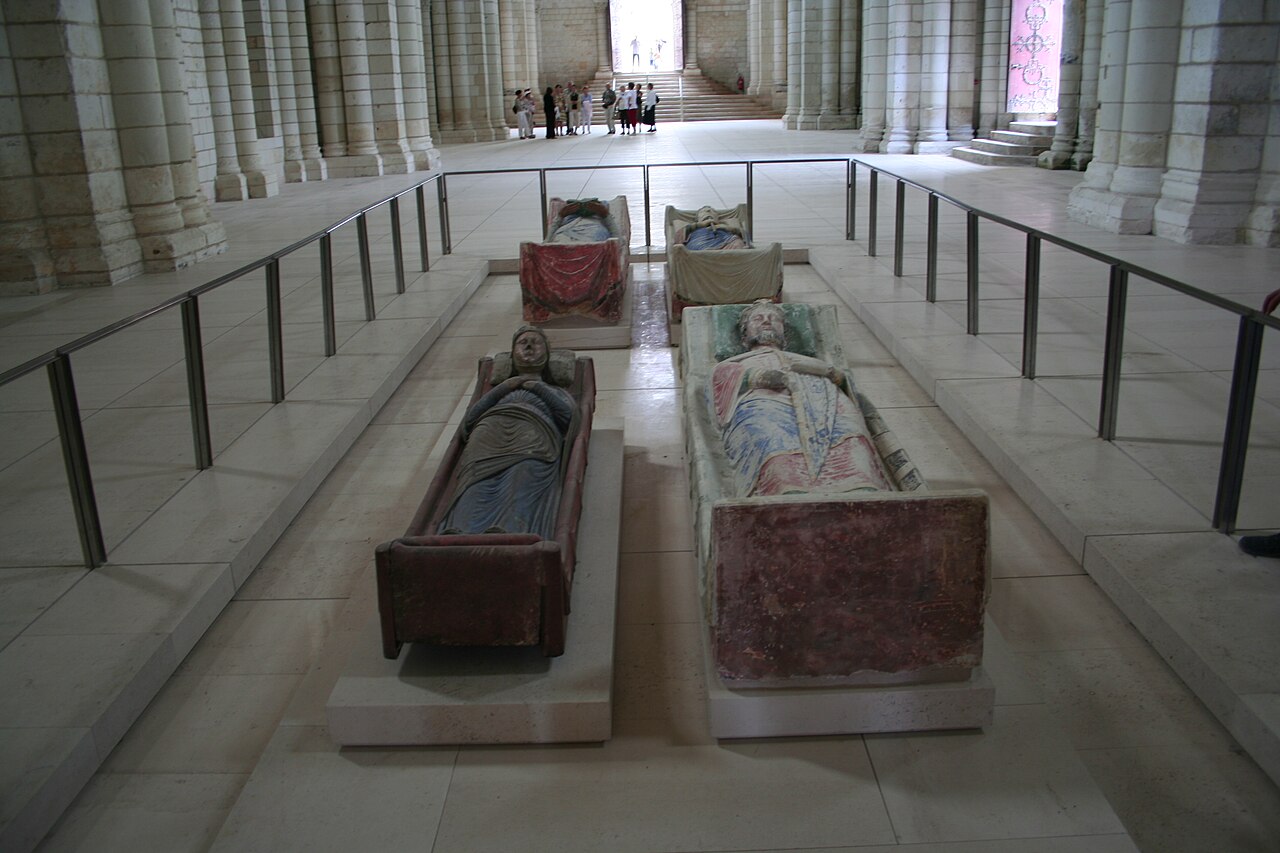
Tomb Effigy of Richard I at Fontevraud
c. 1199-1200
A painted stone effigy of King Richard I, Eleanor of Aquitaine's son, whom she ransomed and served as regent for.
This is the effigy of Richard, the son Eleanor ransomed and ruled for as regent, buried near her at Fontevraud.
About this source
What it is
This is a painted stone tomb effigy of King Richard I of England ('Richard the Lionheart'), made around 1199–1200 and kept at Fontevraud Abbey, among the group of Plantagenet royal tombs there.
Why it matters
Richard was Eleanor's favourite son. She worked to secure his release when he was held captive abroad and acted as regent for him while he was away on crusade. His burial at Fontevraud, alongside his father Henry II and mother Eleanor, reflects the close and sometimes turbulent bonds within this royal family and their shared identity as rulers of a vast cross-Channel realm.
Look closer
- Why might Eleanor have chosen Fontevraud as a resting place for her son as well as herself?
- What can the arrangement of the tombs tell us about how the family wanted to present itself to visitors?
- What does the effigy's crown and posture suggest about how Richard wanted to be remembered as king?
This sculpture is part of the curated material that grounds the AI version of Eleanor of Aquitaine on Humy.ai — when students ask about related events, the AI can quote it and cite it.
More Eleanor of Aquitaine sources
Meet the AI Eleanor of Aquitaine →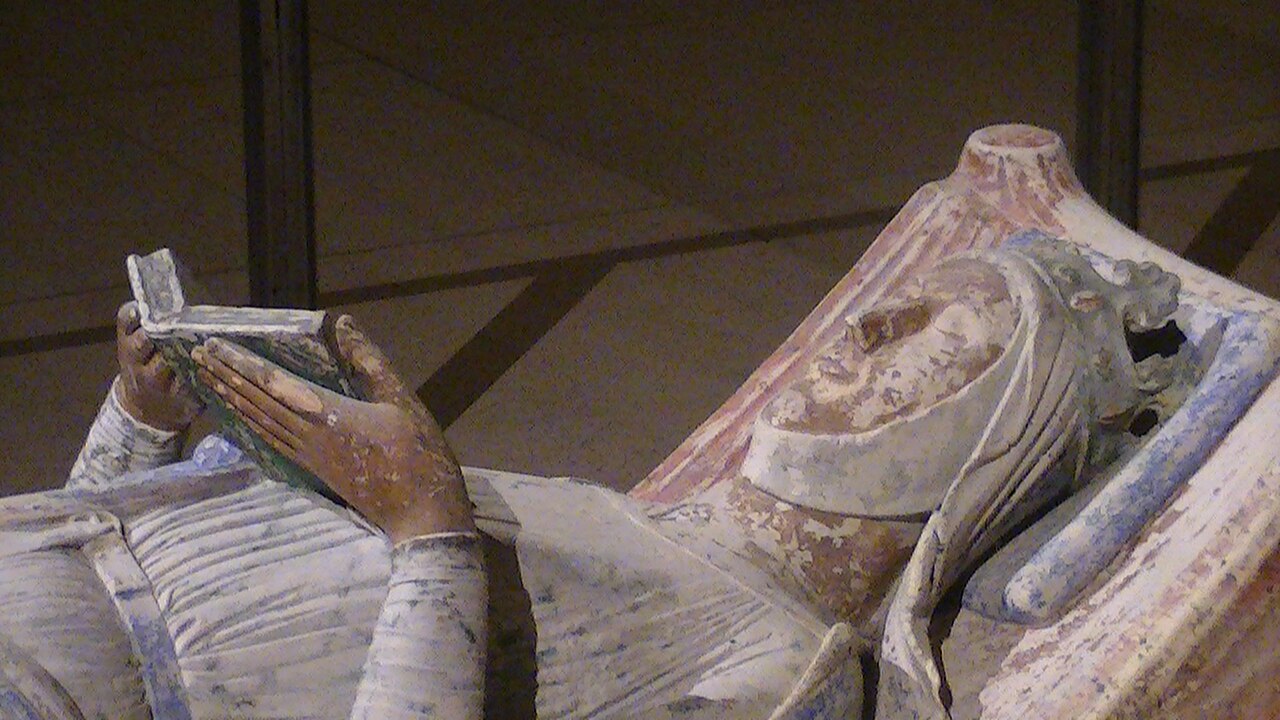 Sculpture
Primary source
Grave of Eleanor of Aquitaine
 Artifact
Primary source
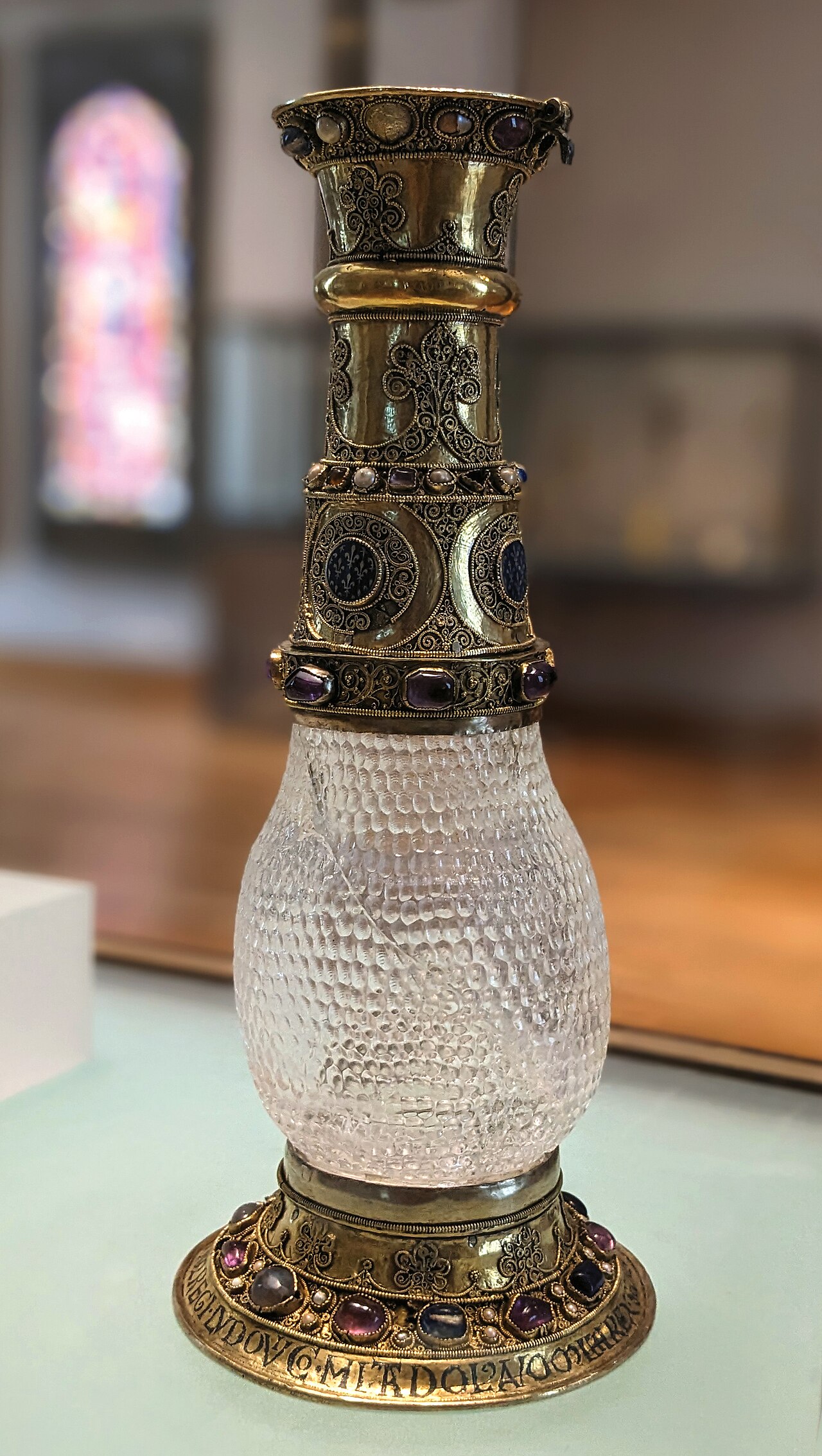
Crystal Vase of Eleanor of Aquitaine
c. 600 (object), given in the 12th century
 Artifact
Primary source
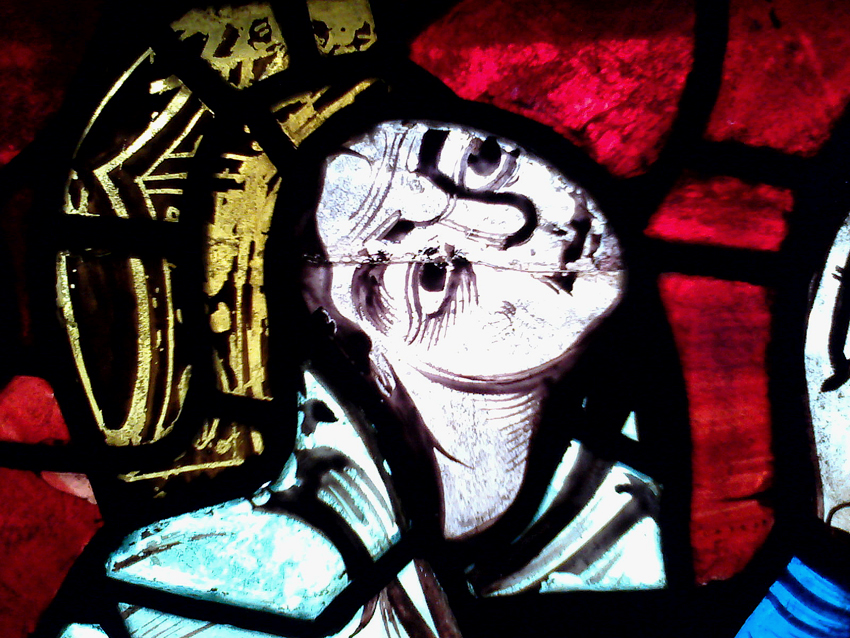
Crucifixion Window of Poitiers Cathedral
c. 1165-1170
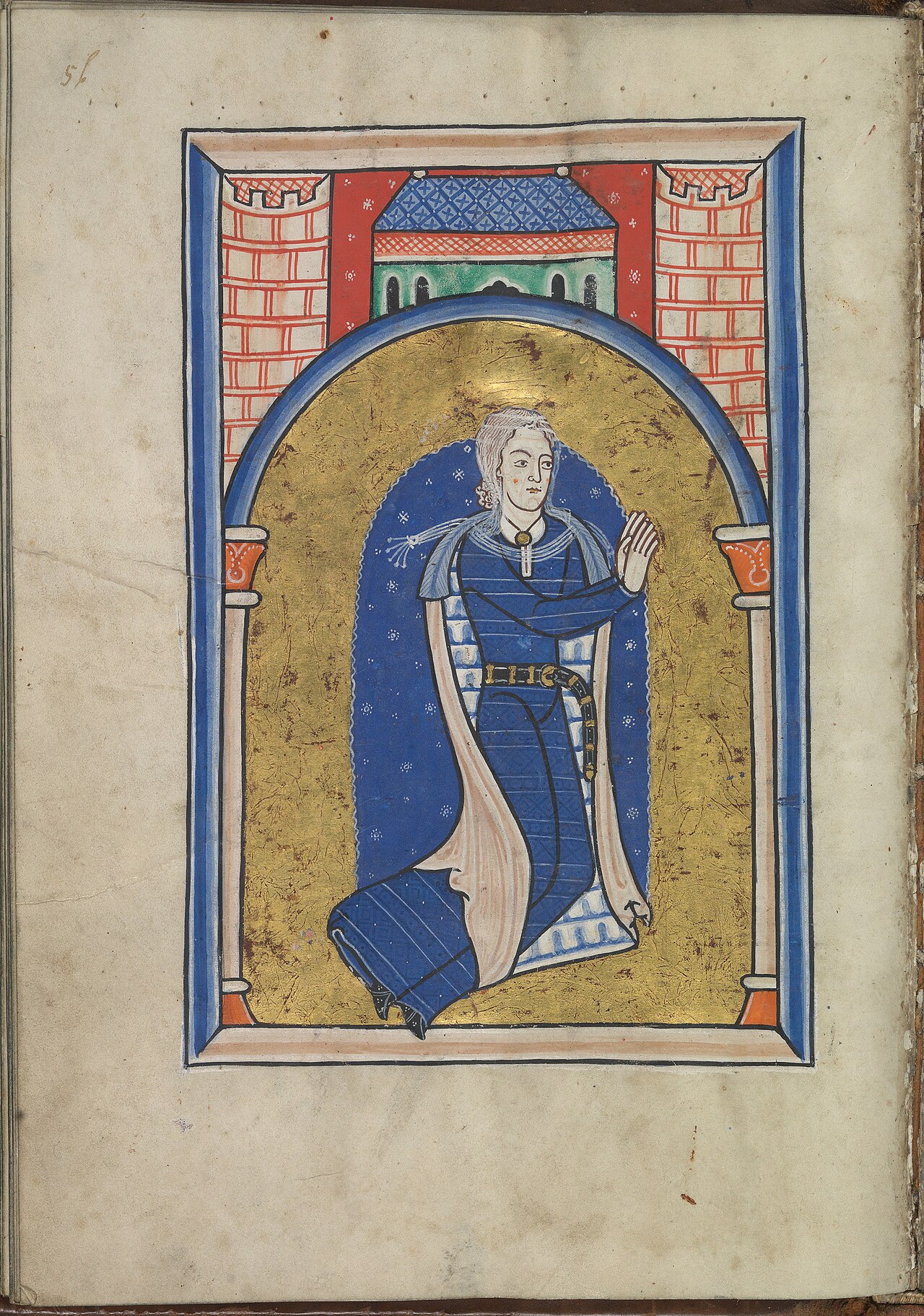 Book
Primary source
Psalter of Eleanor of Aquitaine
c. 1180
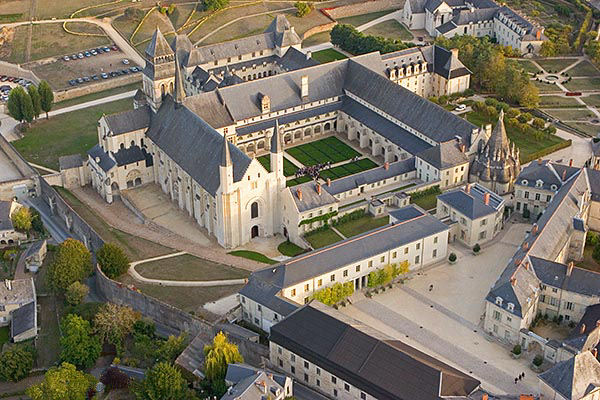 Artifact
Primary source
Royal Abbey of Fontevraud
Robert of Arbrissel · founded 1101
Ready when you are
Start chatting with Eleanor of Aquitaine now.
20 messages free · No credit card · Available in 50+ languages.