


Secondary sourceArtifact1157
Tomb of Ahmad Sanjar
1157
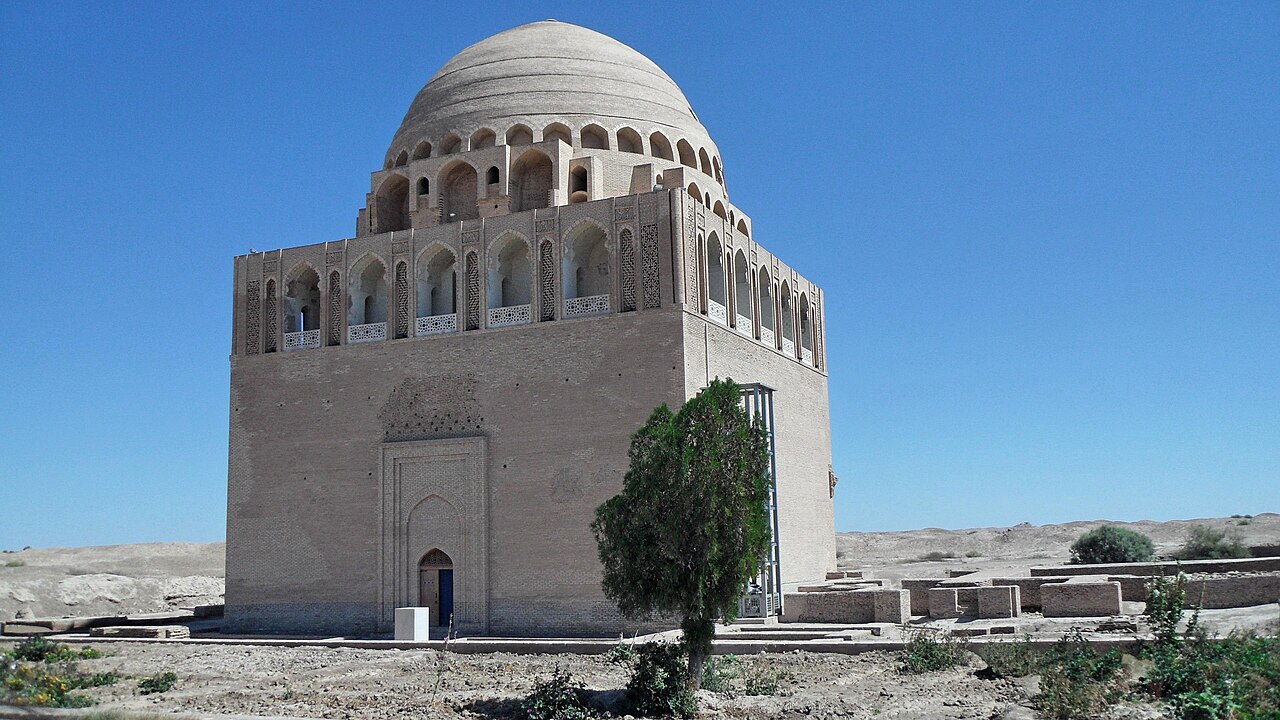
The mausoleum of Seljuk ruler Ahmad Sanjar at Merv, burned by Mongol forces under Genghis Khan's son Tolui in 1221.
The mausoleum's destruction in 1221 by Genghis Khan's son Tolui shows the scale of Mongol conquest under his rule.
About this source
What it is
This is the mausoleum of the Seljuk ruler Ahmad Sanjar, built in 1157 in the city of Merv (now in Turkmenistan) by his successor. It is a large brick building shaped like a cube topped with a dome, built along the Silk Road. Today it stands, much restored, within the UNESCO World Heritage site of Ancient Merv.
Why it matters
Merv was one of the great cities of Central Asia. In 1221, Mongol forces led by Tolui, son of Genghis Khan, besieged and sacked the city, burning much of it, including this mausoleum, and causing great destruction and loss of life according to contemporary accounts. The ruined tomb is physical evidence of the scale of destruction the Mongol conquests brought to the cities of Khorasan, showing both the wealth of the civilization destroyed and the force used against it.
Look closer
- What does the size and decoration of this building tell you about Merv before 1221?
- Why might a building like this have been targeted during a siege?
- What is missing from the building today, and what does that tell you about its history?
This artifact is part of the curated material that grounds the AI version of Genghis Khan on Humy.ai — when students ask about related events, the AI can quote it and cite it.
More Genghis Khan sources
Meet the AI Genghis Khan →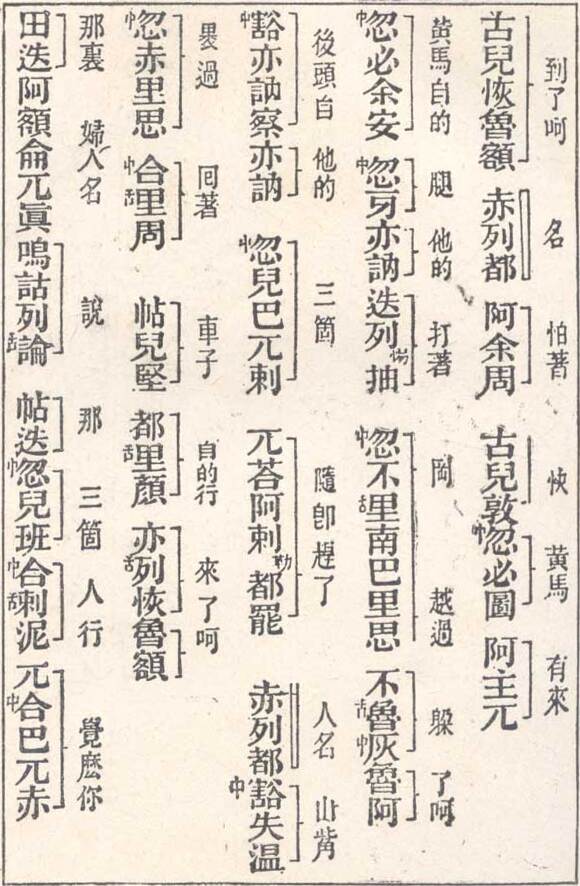 Book
Secondary source
The Secret History of the Mongols
c. 1228 (completed after 1227)
 Painting
Secondary source
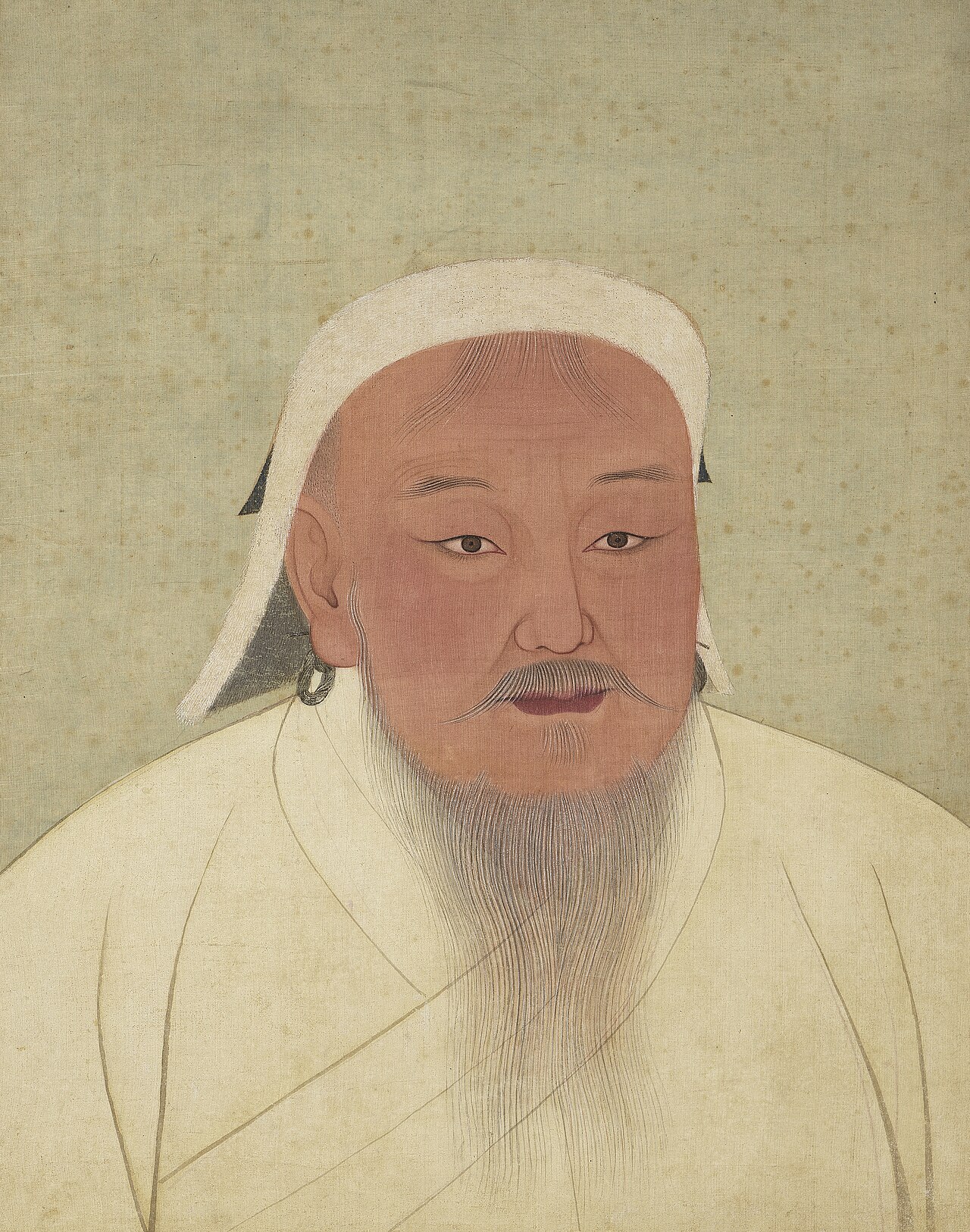
Portrait of Genghis Khan
Unknown Yuan court painter
 Book
Secondary source
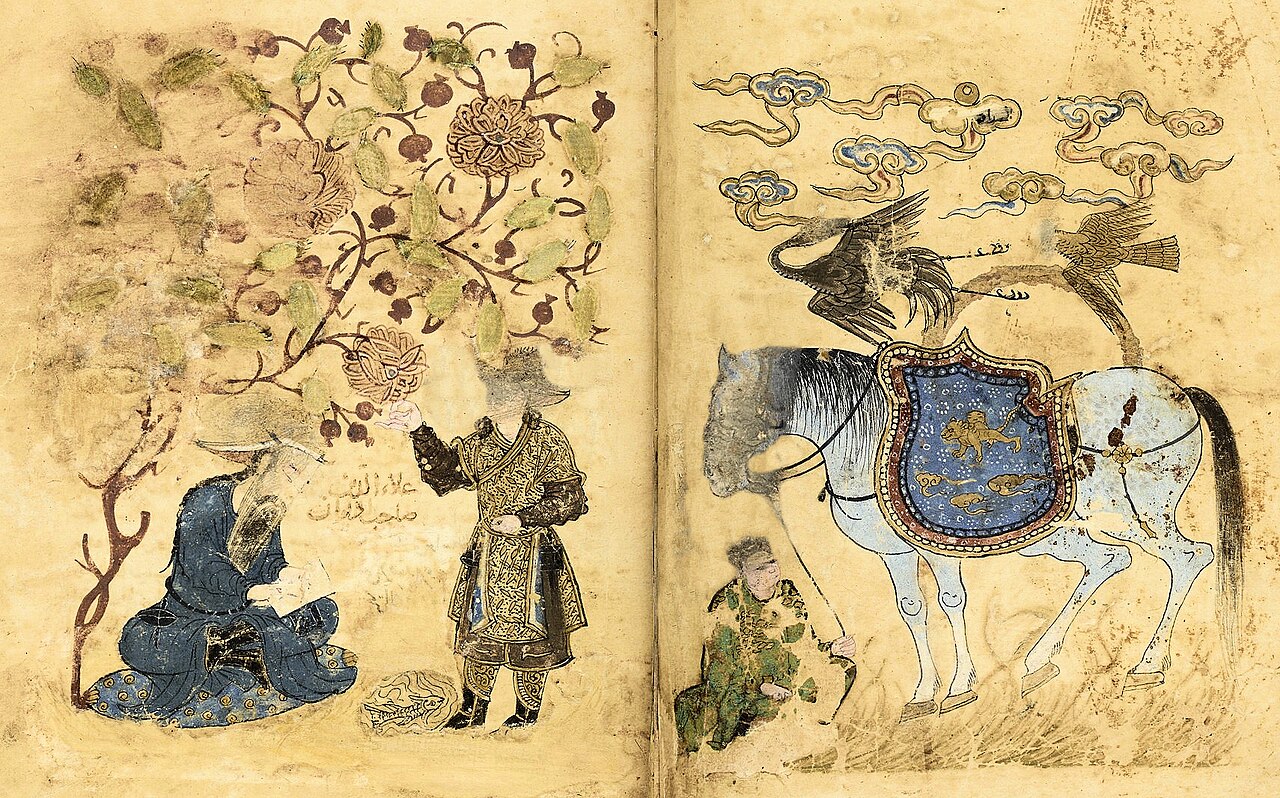
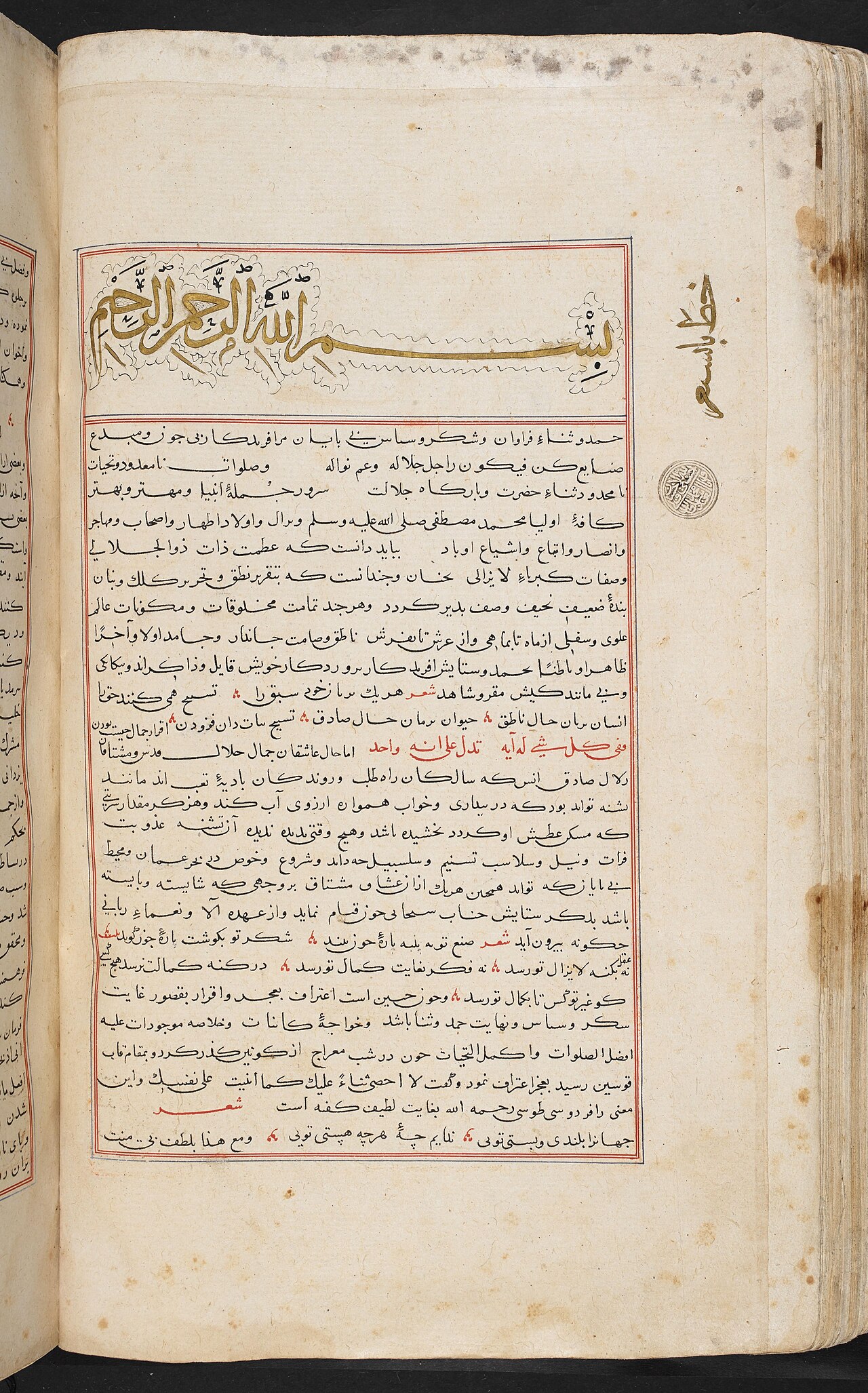
Tarikh-i Jahangushay-i Juvaini
Ata-Malik Juvayni
 Book
Secondary source
Jami' al-tawarikh
Rashid al-Din Hamadani · c. 1400 (manuscript copy)
 Artifact
Primary source
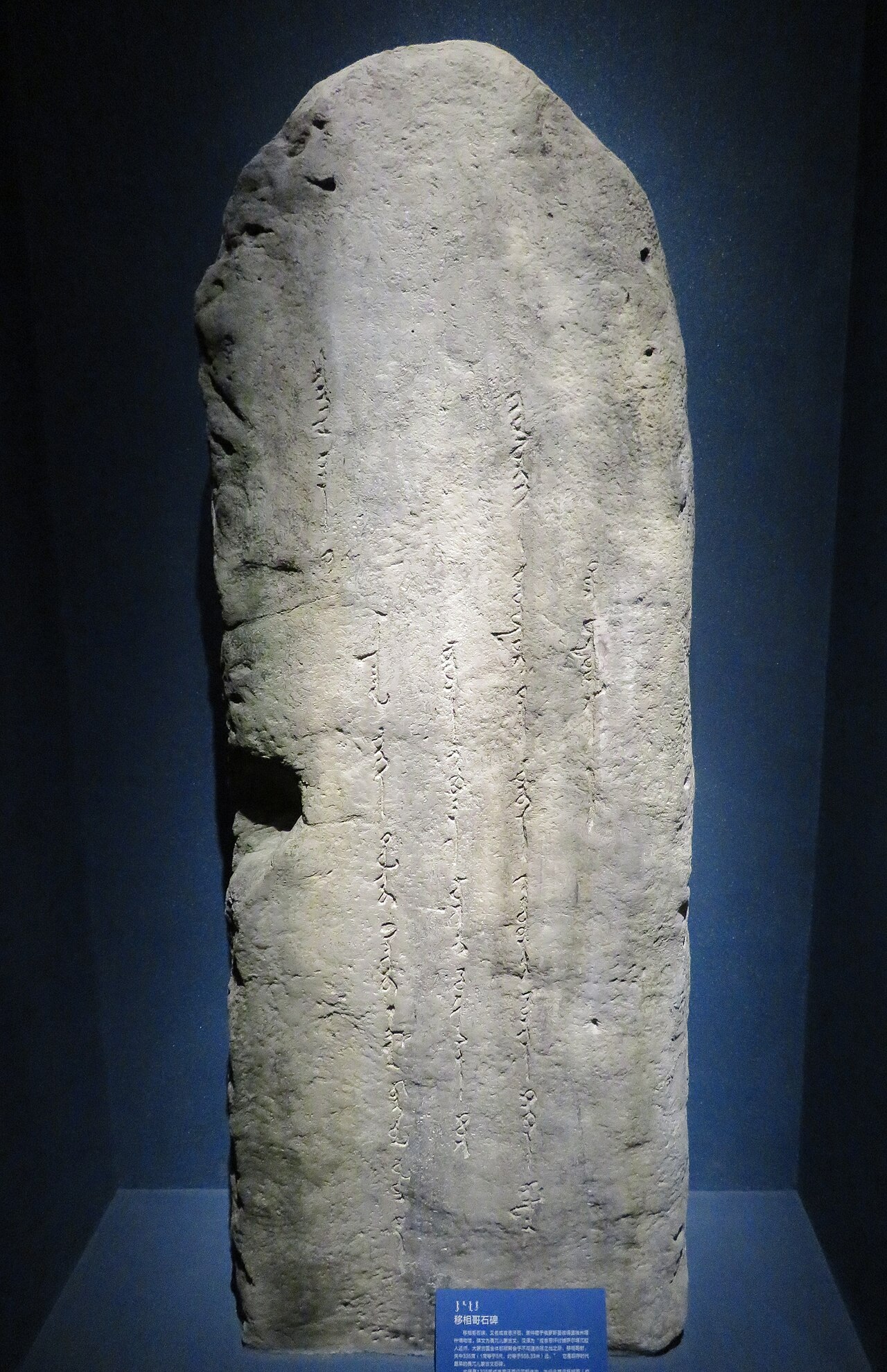
Stele of Genghis Khan
c. 1224-1225
Ready when you are
Start chatting with Genghis Khan now.
20 messages free · No credit card · Available in 50+ languages.