


Secondary sourceArtifactc. 529 BCE
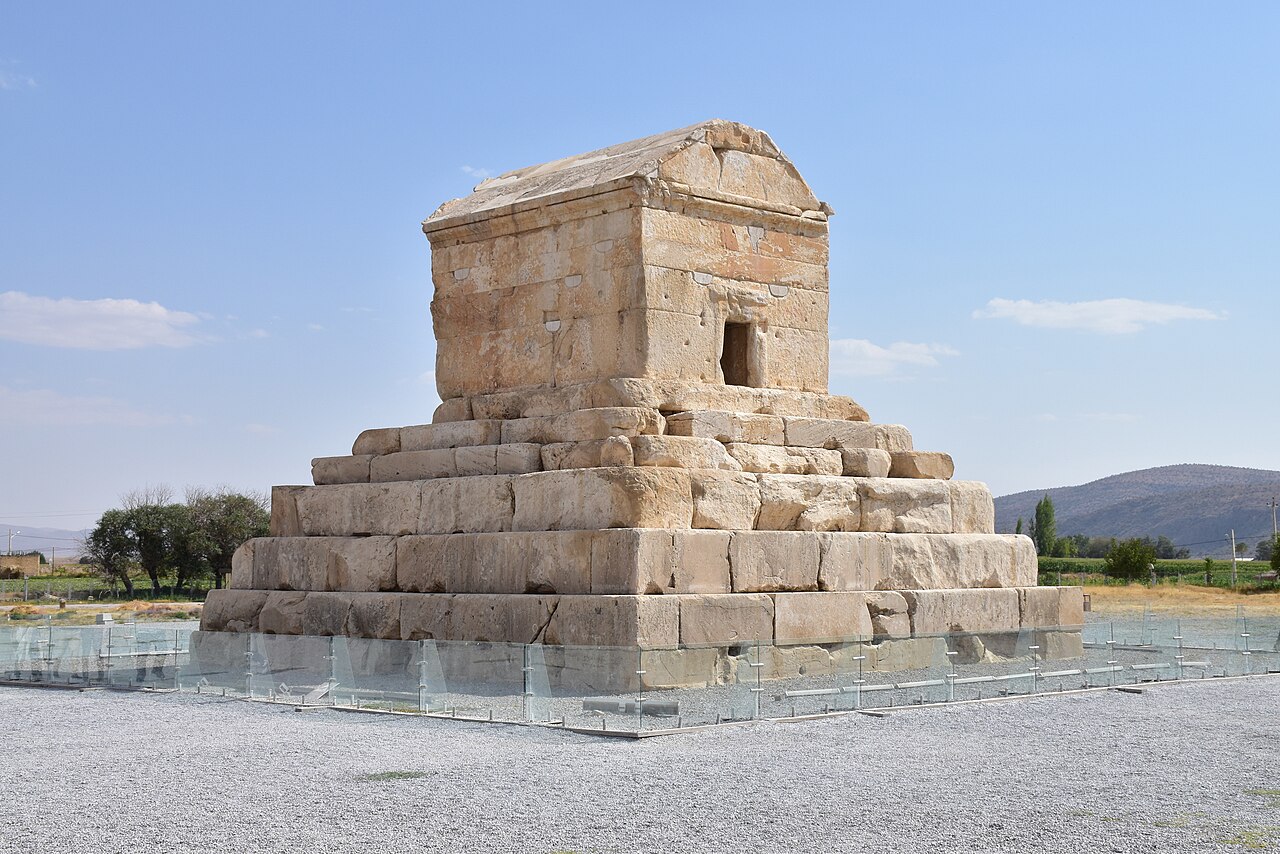
Tomb of Cyrus the Great
c. 529 BCE
The tomb of the Persian king Cyrus the Great at Pasargadae, which Alexander is said to have visited and ordered restored.
Alexander visited and restored this tomb, presenting himself as heir to the Achaemenid kings he conquered.
About this source
What it is
The Tomb of Cyrus the Great is a monument at Pasargadae, Iran, the first capital of the Achaemenid Empire founded by Cyrus the Great around 529 BC. It is a stepped stone structure with a small chamber on top.
Why it matters
The ancient historian Arrian records that Alexander the Great visited this tomb during his conquest of Persia and ordered it restored after finding it damaged. This act was part of Alexander's effort to present himself not just as a conqueror but as a legitimate successor to the Achaemenid kings he had defeated.
Look closer
- Why might Alexander want to be seen as continuing Cyrus's legacy rather than just destroying it?
- What does restoring a conquered enemy's tomb suggest about how Alexander wanted to rule Persia?
- How do later identifications and legends about this tomb show the challenge of interpreting ancient monuments?
This artifact is part of the curated material that grounds the AI version of Alexander the Great and Cyrus the Great on Humy.ai — when students ask about related events, the AI can quote it and cite it.
More Alexander the Great sources
Meet the AI Alexander the Great →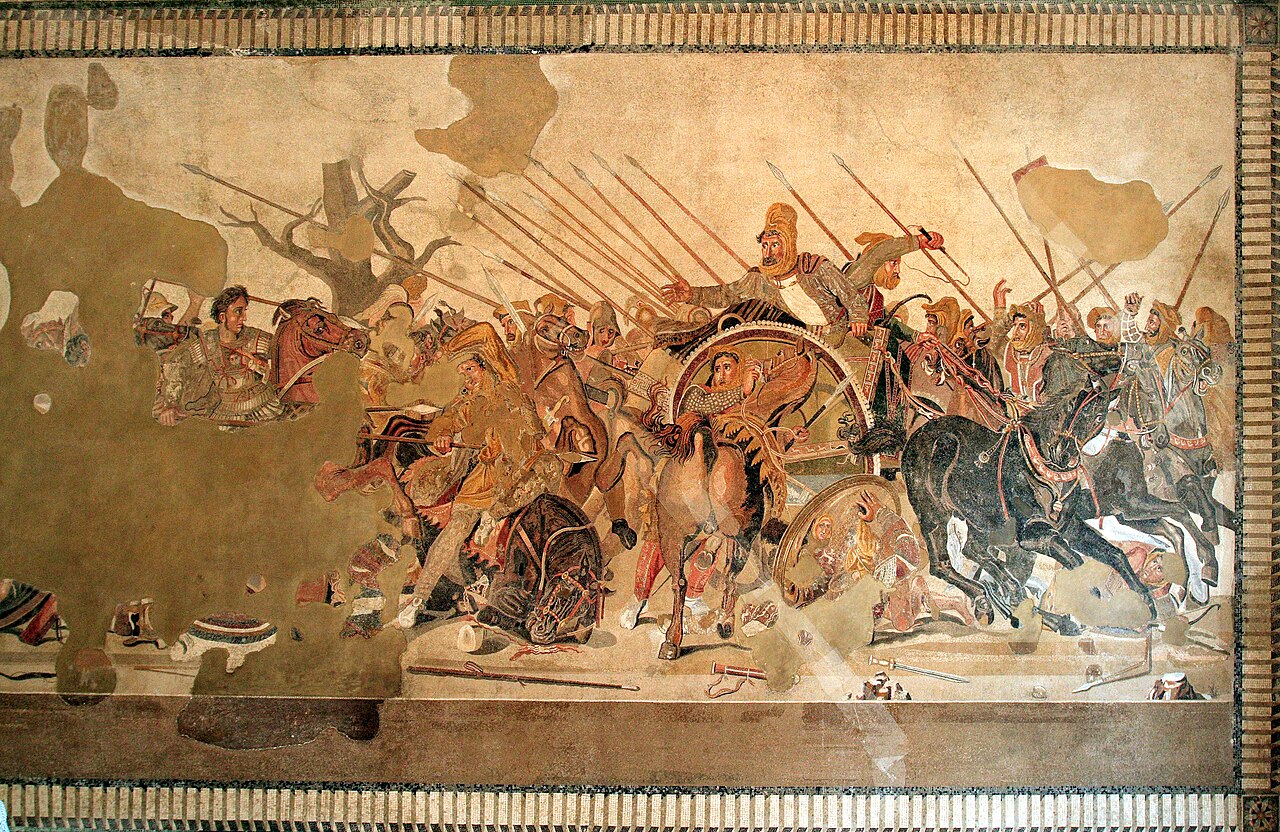 Artifact
Secondary source
Alexander Mosaic
Philoxenus of Eretria · c. 120-100 BCE (copy of an earlier Hellenistic painting)
 Painting
Secondary source
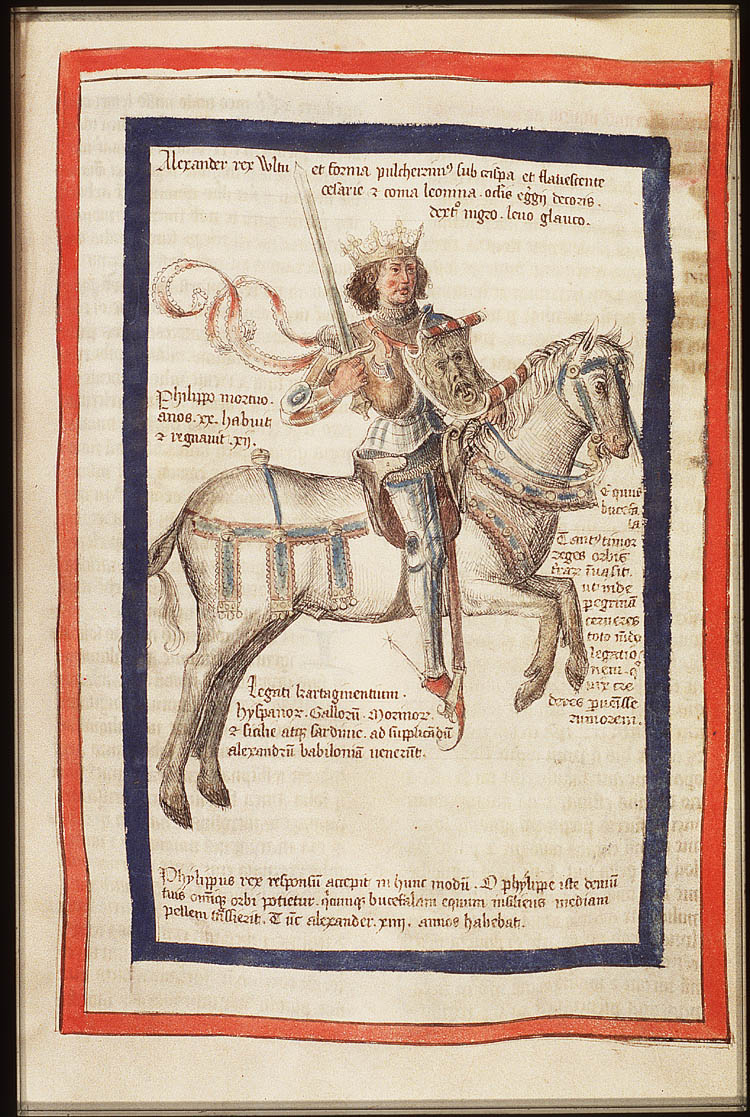
Alexander the Great riding Bucephalus
1460
 Artifact
Primary source
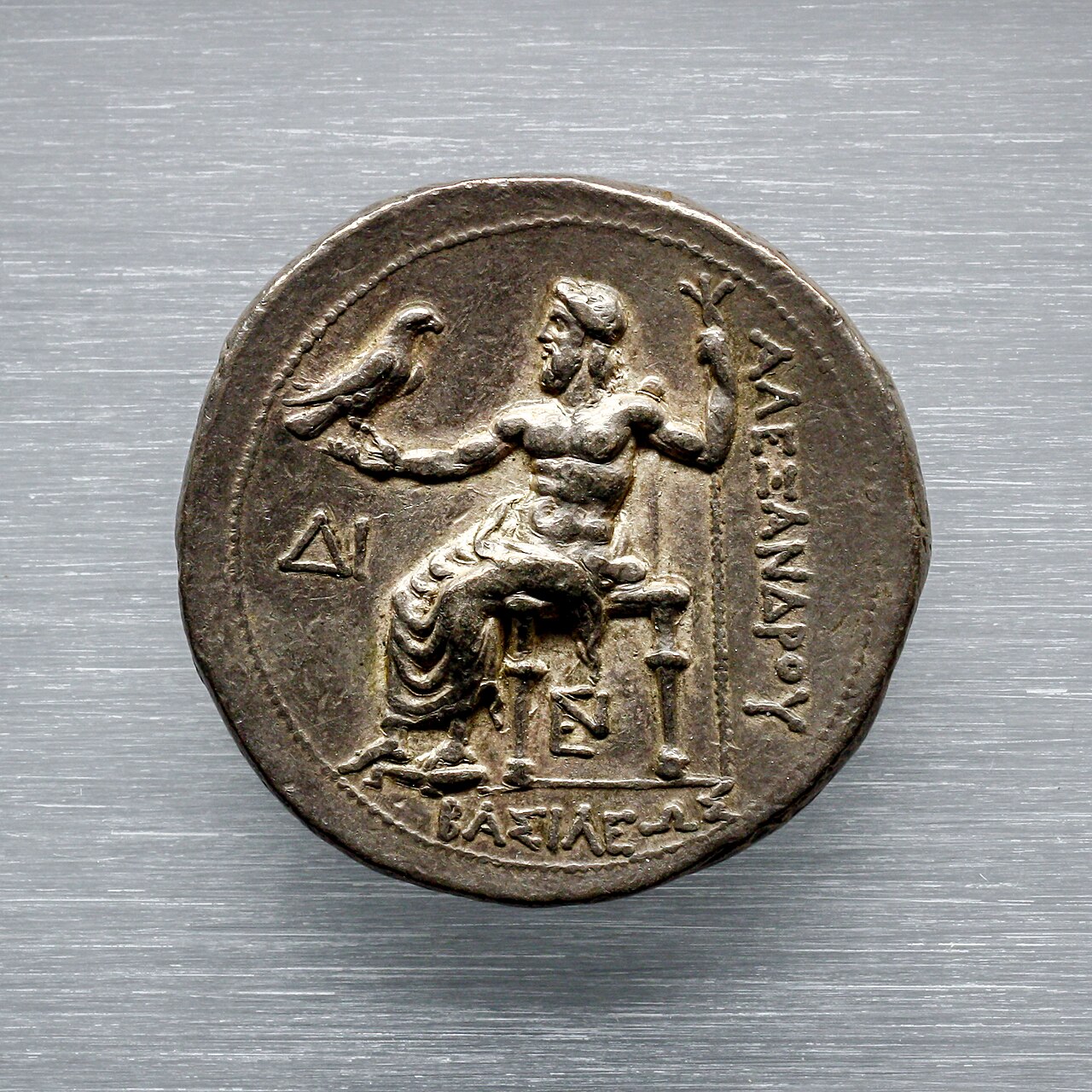
Silver Tetradrachm of Alexander the Great
Royal mints of Alexander III · c. 336-323 BCE
 Painting
Secondary source
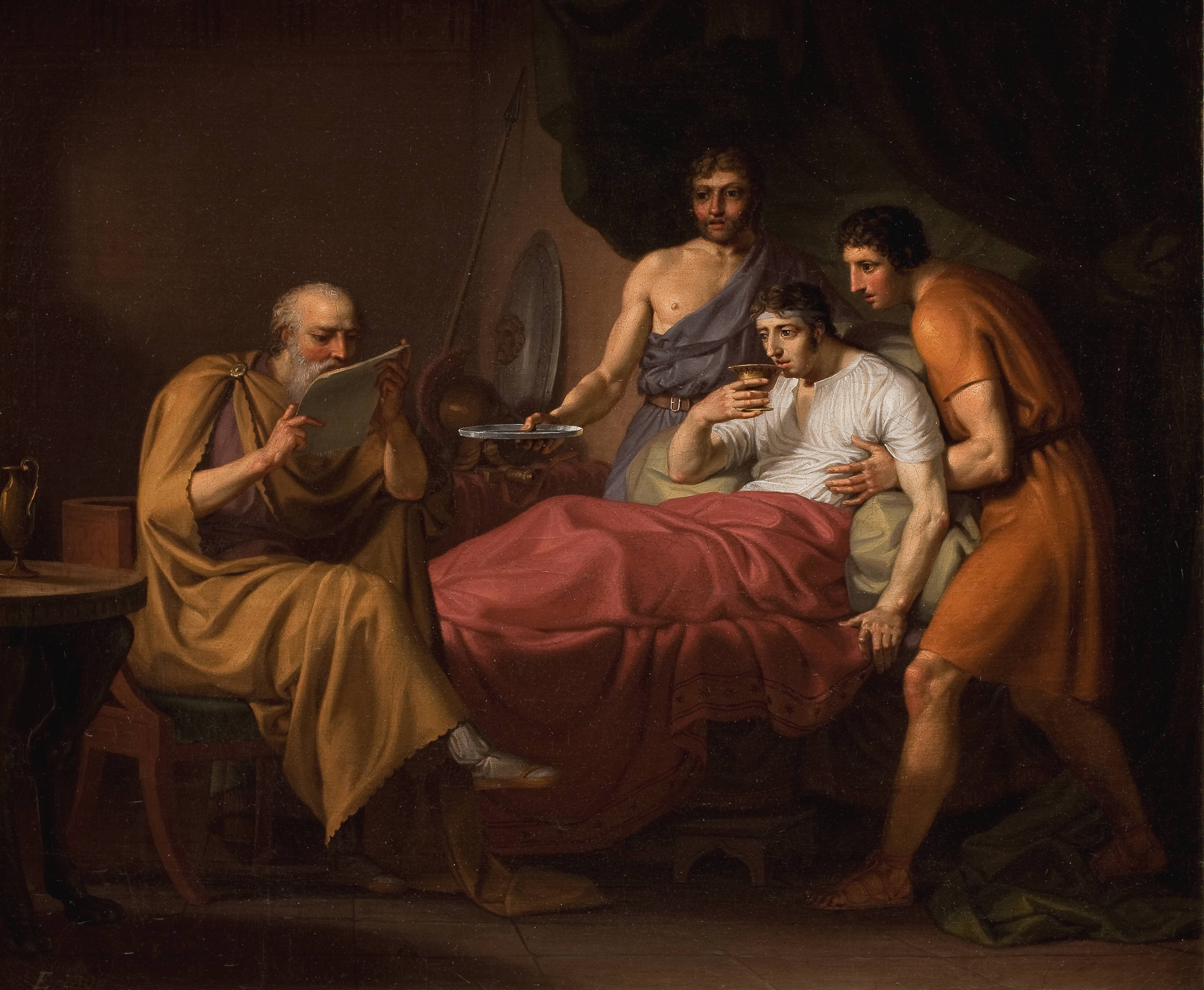
Alexander the Great on his Sickbed
1806
 Book
Secondary source
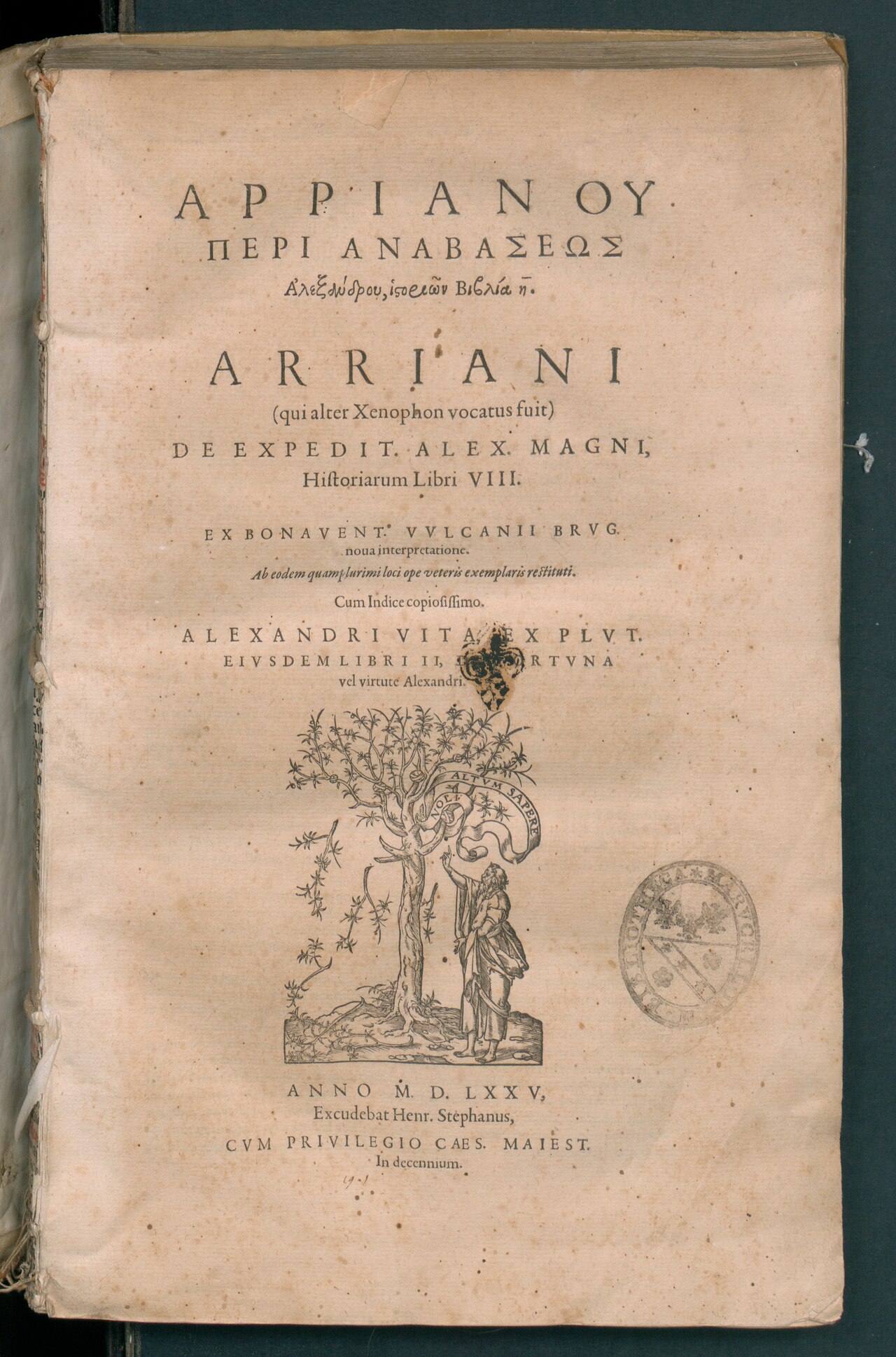
Anabasis of Alexander
Arrian · c. 150 AD
Ready when you are
Start chatting with Alexander the Great now.
20 messages free · No credit card · Available in 50+ languages.