


Secondary sourcePhotograph18 October 2009
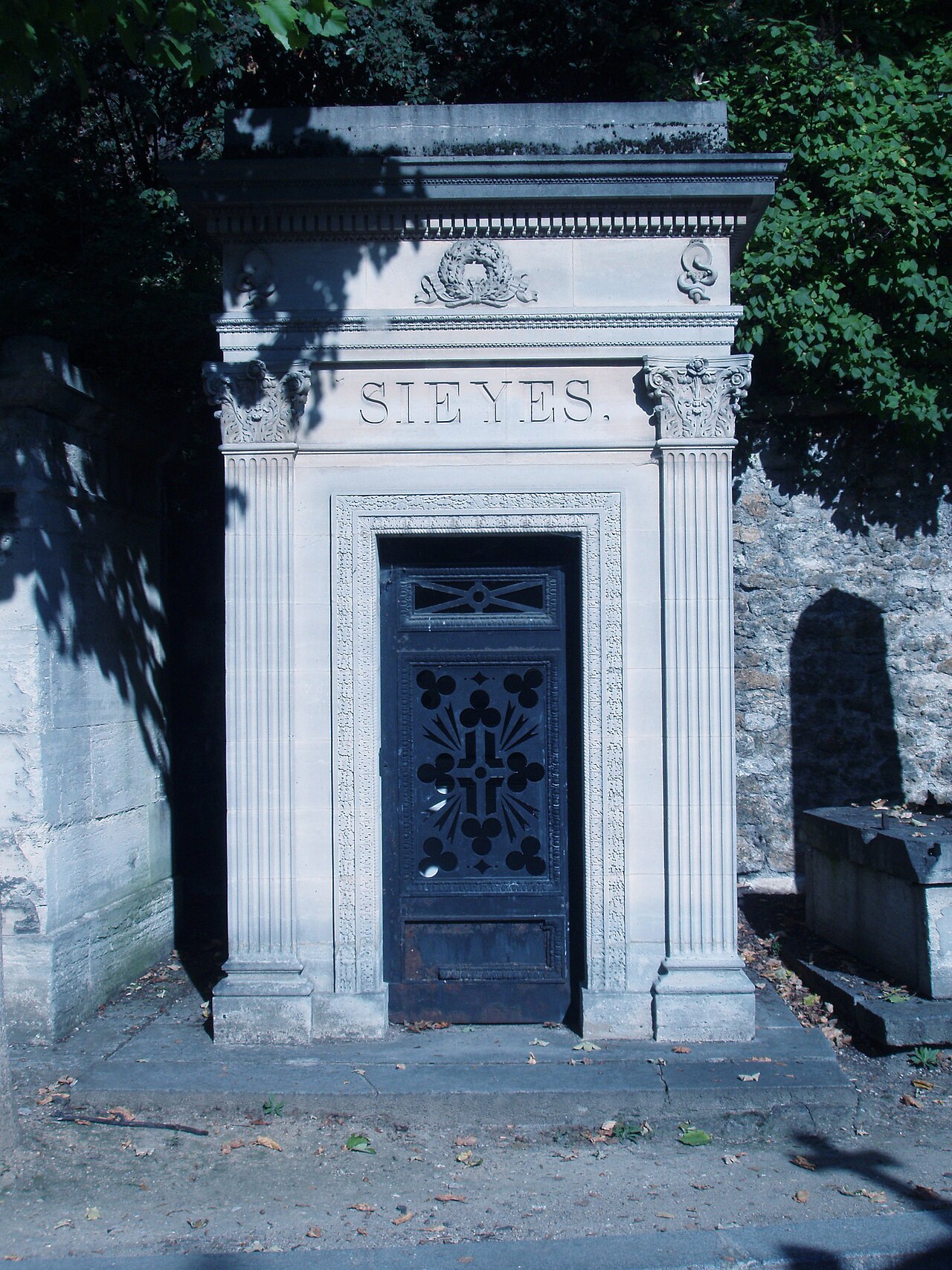
Tomb of Emmanuel-Joseph Sieyès, Père Lachaise
Didier Grau · 18 October 2009
A photograph of the tomb of Sieyès at the Père Lachaise cemetery in Paris.
Shows the tomb where Sieyès is buried, a memorial marking his death and legacy.
About this source
What it is
This 2009 photograph shows the stone tomb of Emmanuel-Joseph Sieyès at Père Lachaise cemetery in Paris. The facade has classical columns, a carved wreath, and his name inscribed above an iron door.
Why it matters
The tomb is a later memorial rather than a document from Sieyès's lifetime, but it marks the final resting place of a man who helped shape revolutionary ideas and later served under Napoleon. Visiting such tombs lets later generations reflect on how historical figures are remembered.
Look closer
- What do the architectural details, like the columns and wreath, suggest about how Sieyès was remembered?
- Why might a tomb be designed to look grand or classical?
- What does a tomb tell us, and what does it leave out, about a person's actual life and ideas?
This photograph is part of the curated material that grounds the AI version of Emmanuel Joseph Sieyès on Humy.ai — when students ask about related events, the AI can quote it and cite it.
More Emmanuel Joseph Sieyès sources
Meet the AI Emmanuel Joseph Sieyès →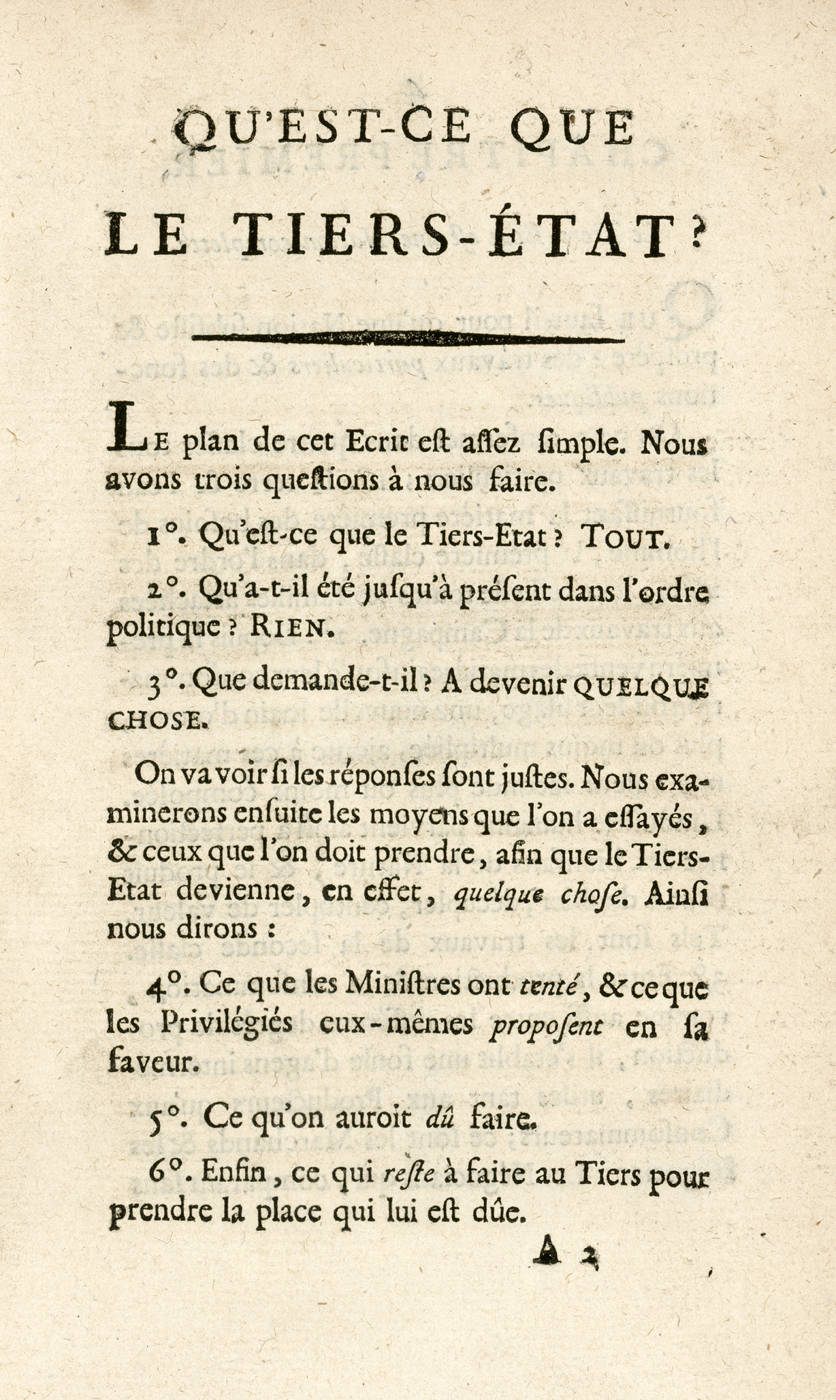 Book
Primary source
What Is the Third Estate?
Emmanuel Joseph Sieyès · January 1789
 Document
Primary source
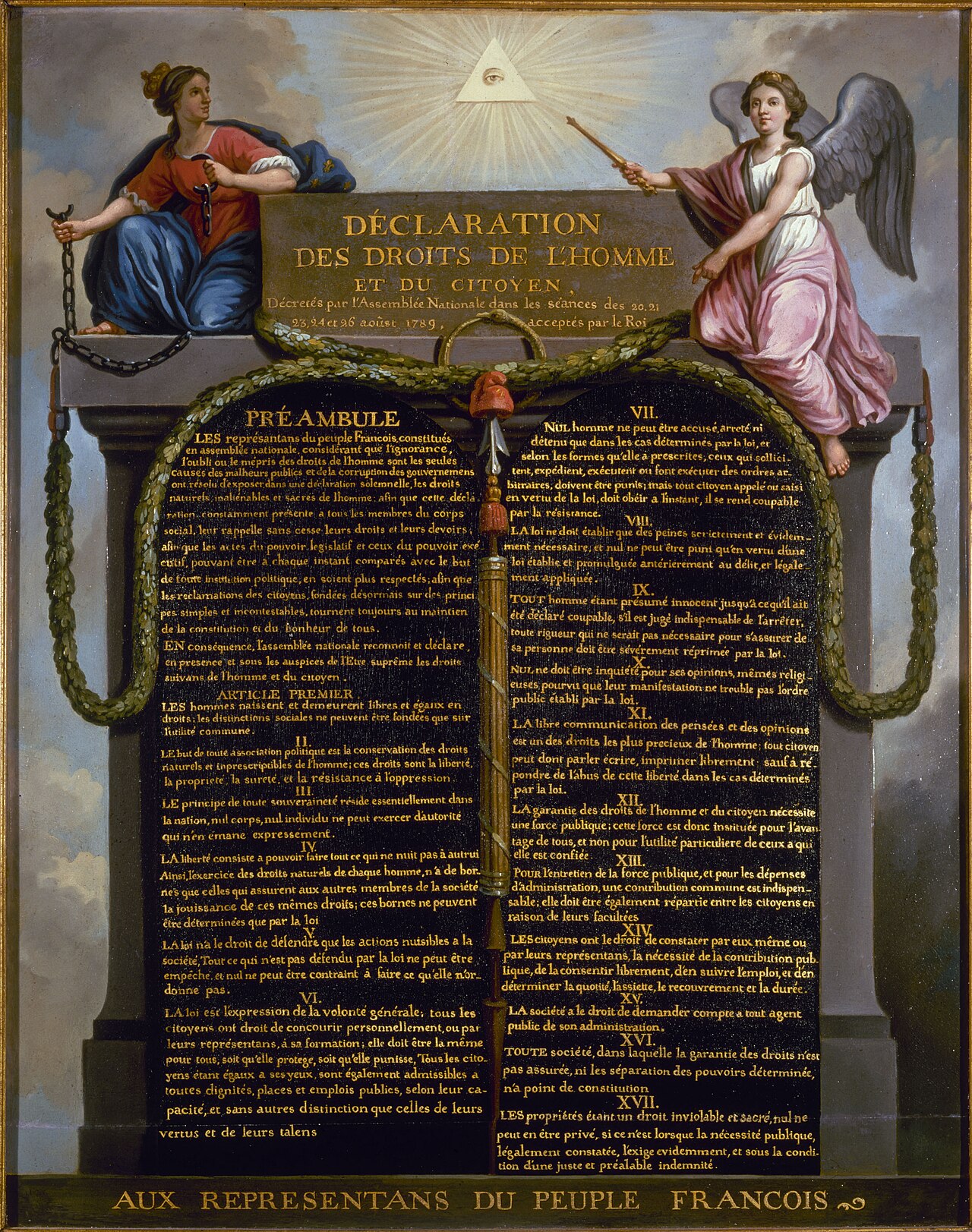
Declaration of the Rights of Man and of the Citizen
National Constituent Assembly · 1789
Primary source
Memoirs of Napoleon Bonaparte, Volume 1
Louis Antoine Fauvelet de Bourrienne
 Book
Primary source
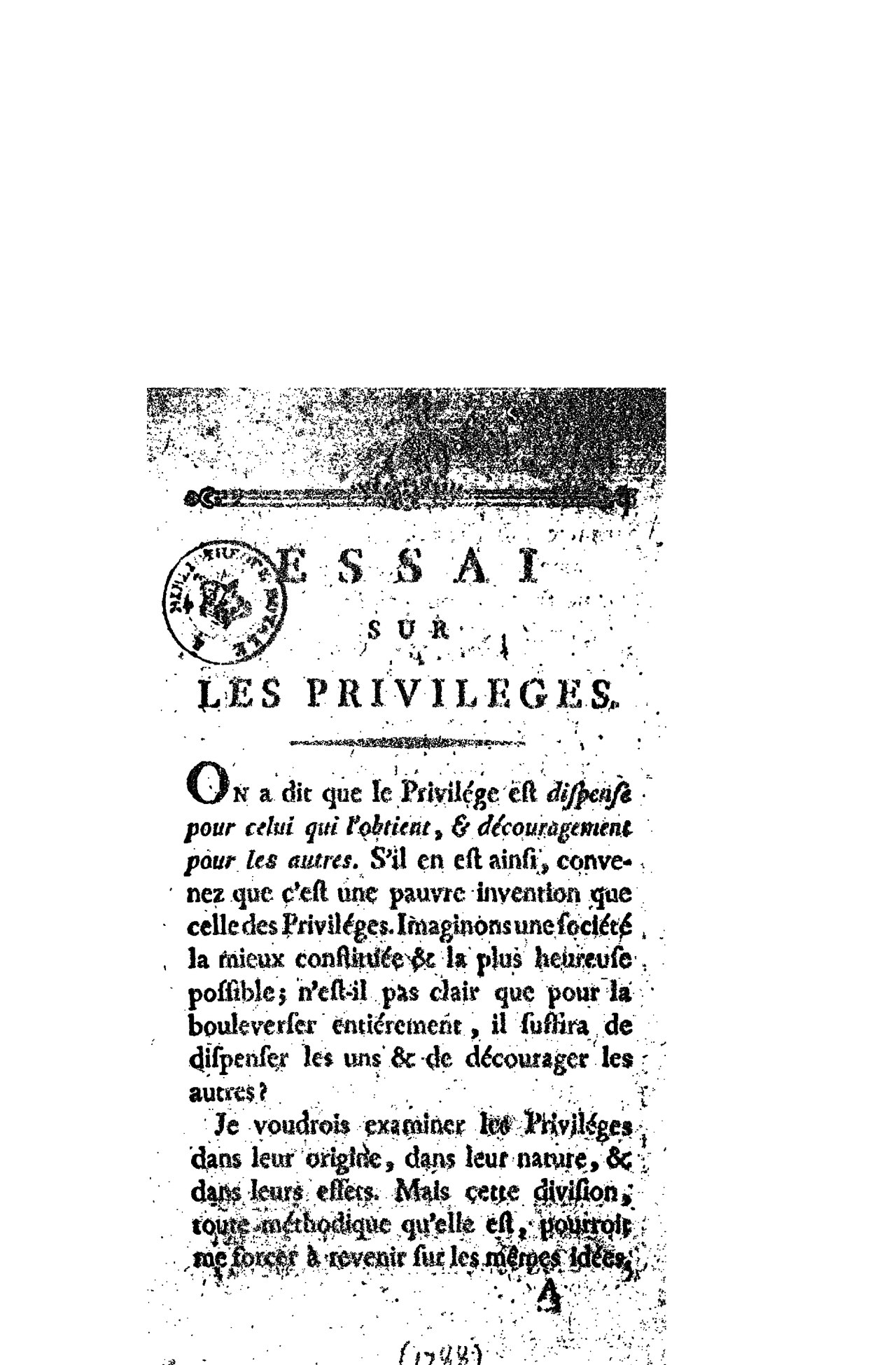
Essai sur les privilèges
Emmanuel Joseph Sieyès · 1788
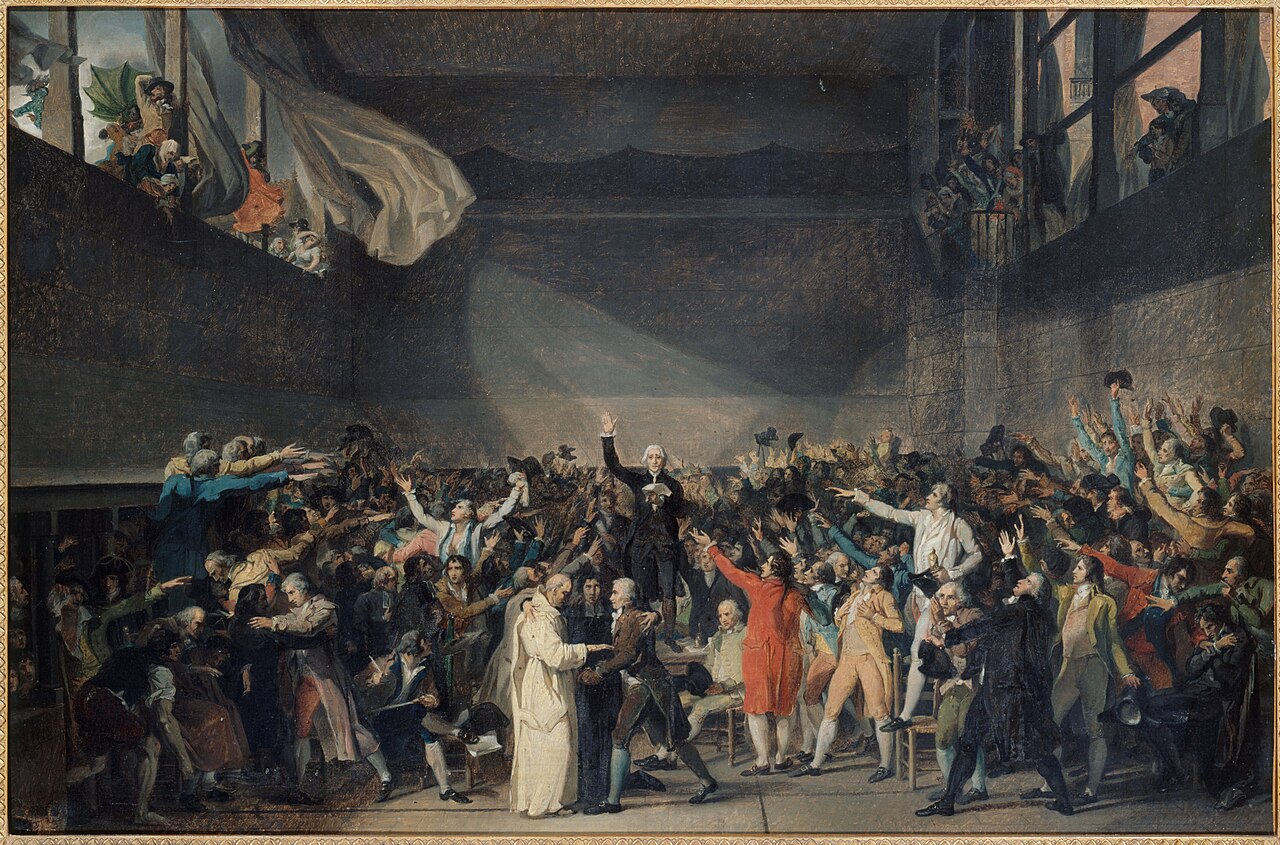 Painting
Secondary source
Tennis Court Oath
Jacques-Louis David · 1791
Ready when you are
Start chatting with Emmanuel Joseph Sieyès now.
20 messages free · No credit card · Available in 50+ languages.