


Primary sourceArtifact1935
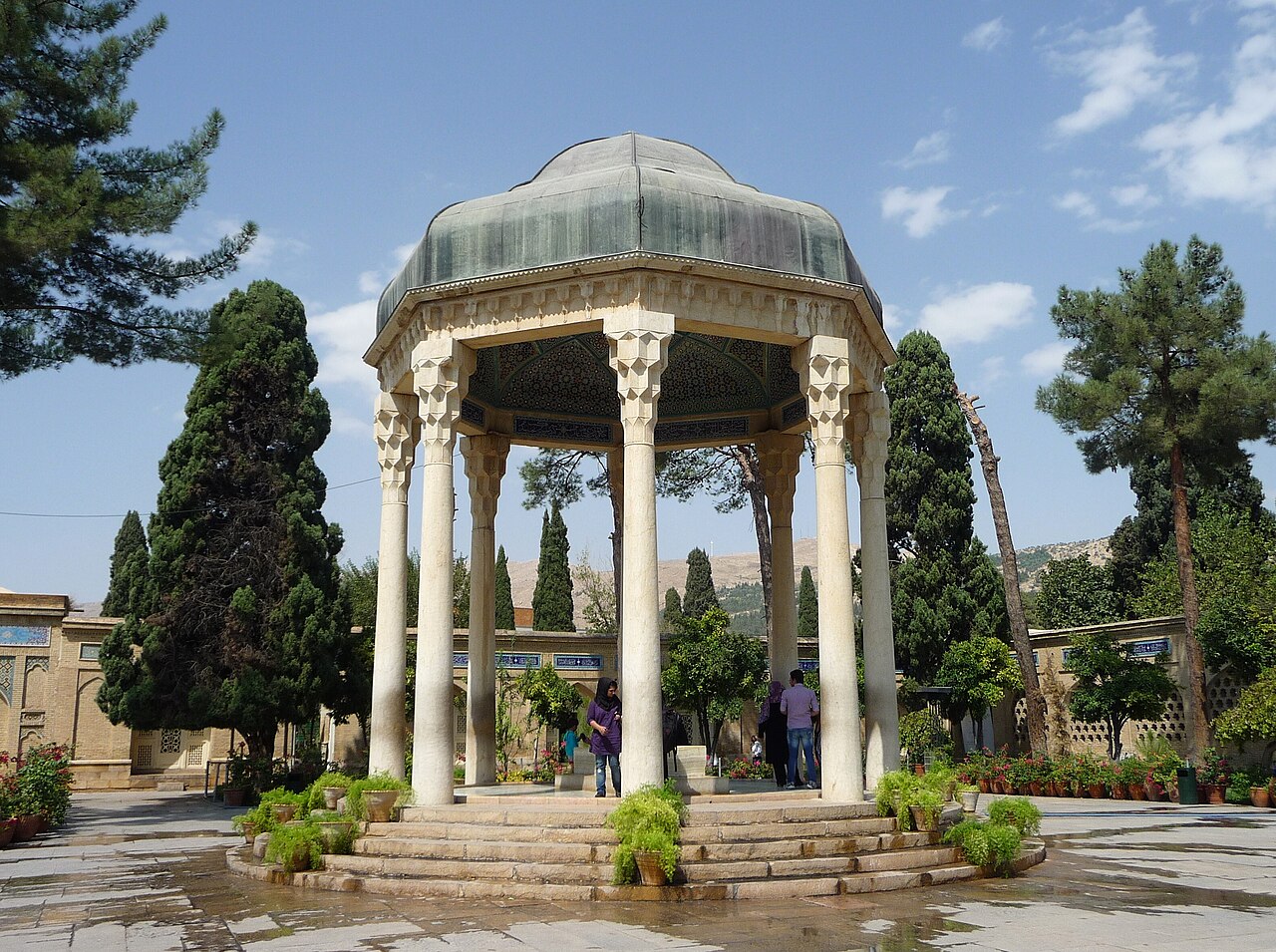
Tomb of Hafez
André Godard · 1935
A domed marble pavilion in Shiraz built in the 1930s to honour the poet Hafez. Reza Shah's government commissioned it, and it shows the state's promotion of Persian poets.
Reza Shah's government commissioned this rebuilt memorial, showing his state's support for national poets.
About this source
What it is
This is the Tomb of Hafez (Hafeziyeh), a memorial complex in the Musalla Gardens on the northern edge of Shiraz. It houses the marble tomb of the poet Hafez, who was born in Shiraz in 1315 and died there in 1390. The present buildings were designed by the French architect and archaeologist André Godard. The Ministry of Education organised the new building in 1935, and construction of the tomb is recorded as beginning in 1938 and finishing in 1940. The tomb is an Iranian national heritage site and a major tourist destination.
Why it matters
The project was part of the state's promotion of Persian poets under Reza Shah, who ruled from 1925 to 1941. Godard drew on traditional tomb towers and the architecture of Shiraz, and he kept older buildings around the tomb to show how the site had changed over time. Earlier memorials had been built by a Timurid governor in 1452 and by Karim Khan Zand's rulers in 1773. The site had also been the scene of a dispute in 1899 over a Zoroastrian shrine. The building shows how a modern state used a national poet to shape its public identity.
Look closer
- What does the design borrow from older tombs, and what is new about it?
- Why might a government choose to fund a memorial to a poet from centuries earlier?
- Which earlier periods of the site does the building preserve, and which does it leave out?
This artifact is part of the curated material that grounds the AI version of Reza Shah on Humy.ai — when students ask about related events, the AI can quote it and cite it.
More Reza Shah sources
Browse all 94 →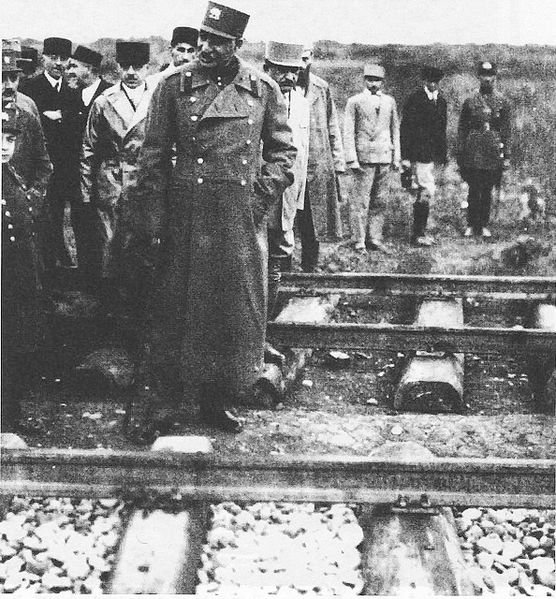 Photograph
Primary source
Trans-Iranian Railway
Kampsax and Government of Iran · 1927–1938
 Artifact
Primary source
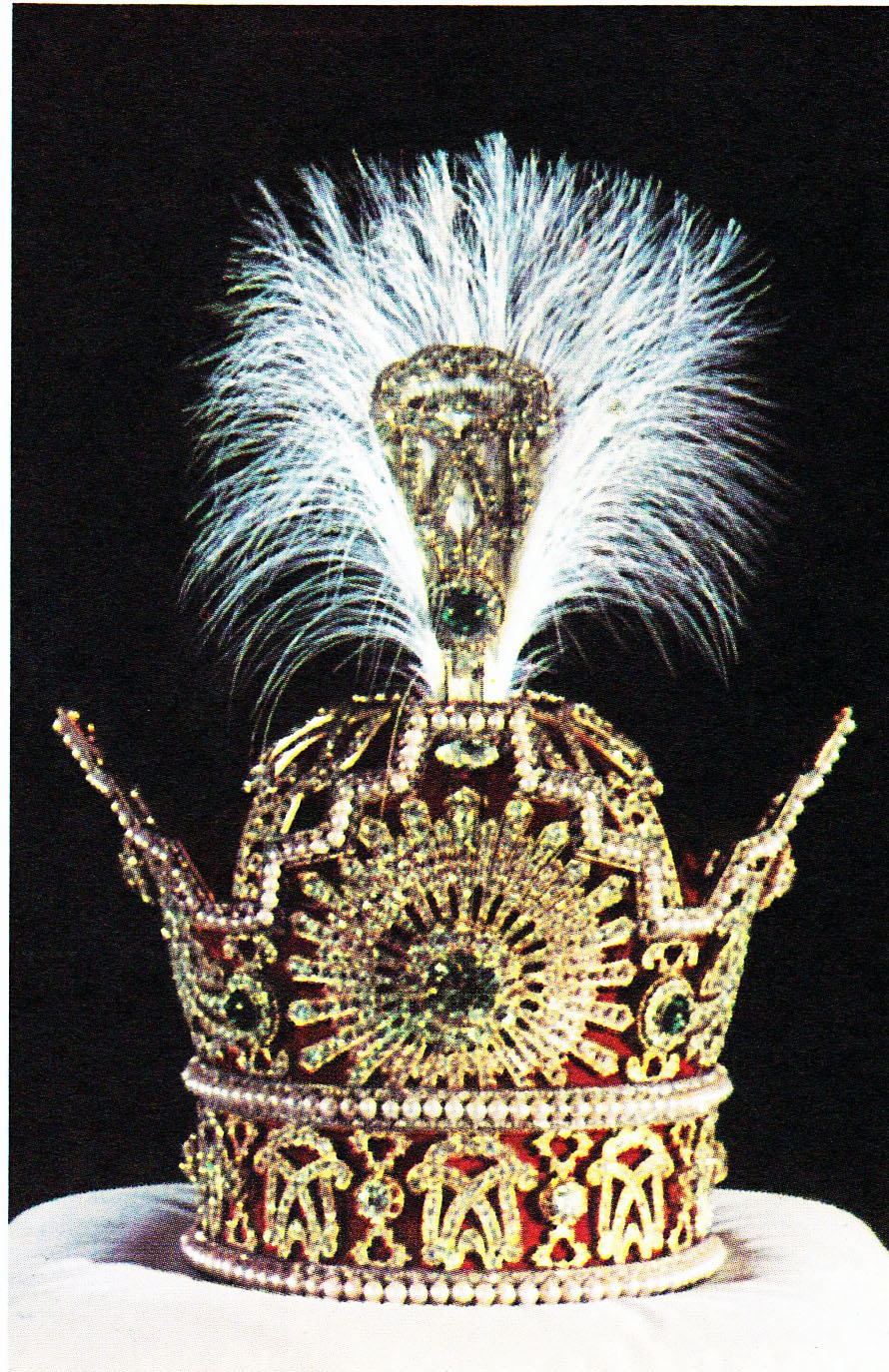
Pahlavi Crown
1925 (used by Mohammad Reza Pahlavi in 1967)
 Photograph
Primary source
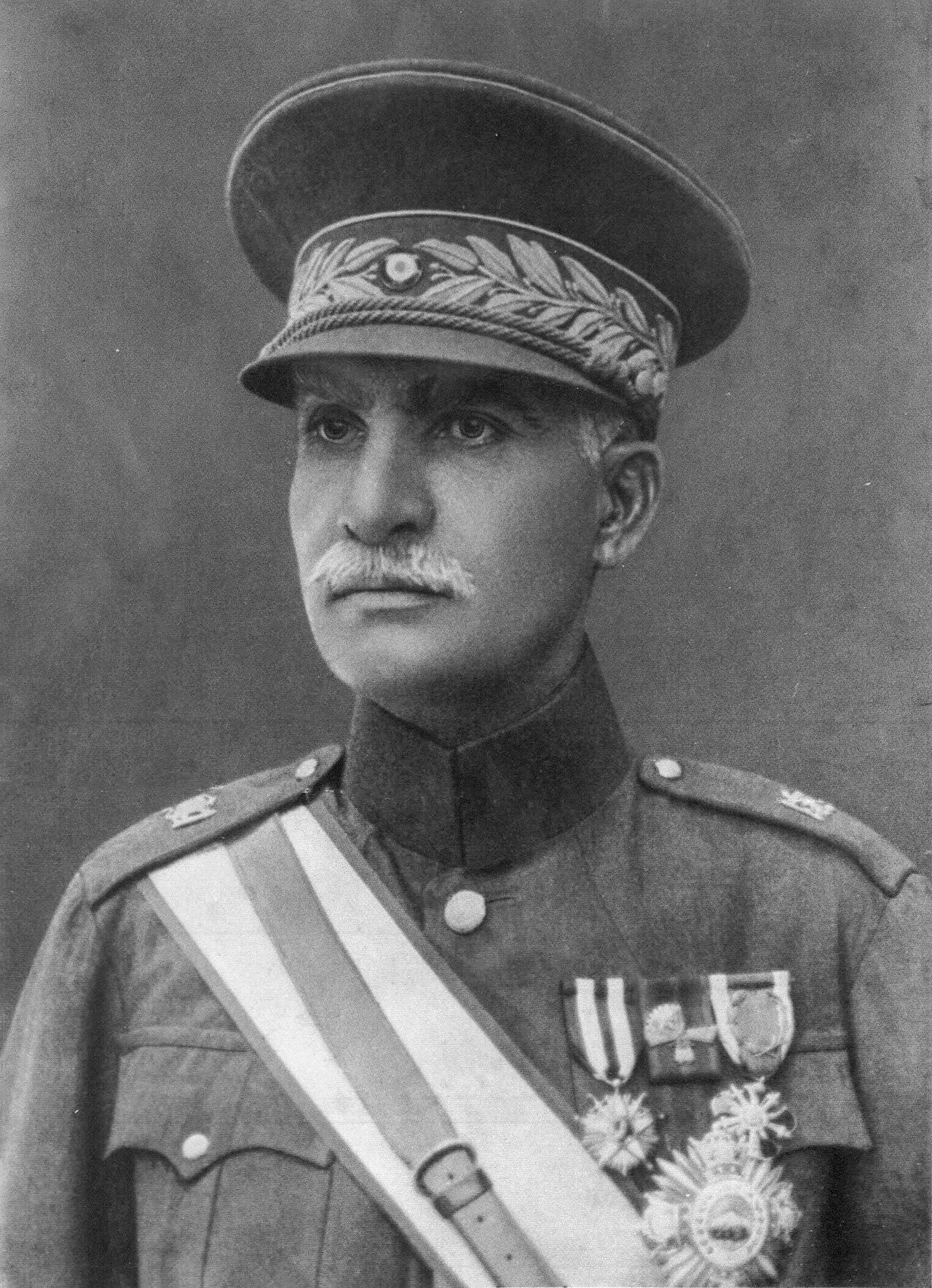
Portrait of Reza Shah
early 1930s
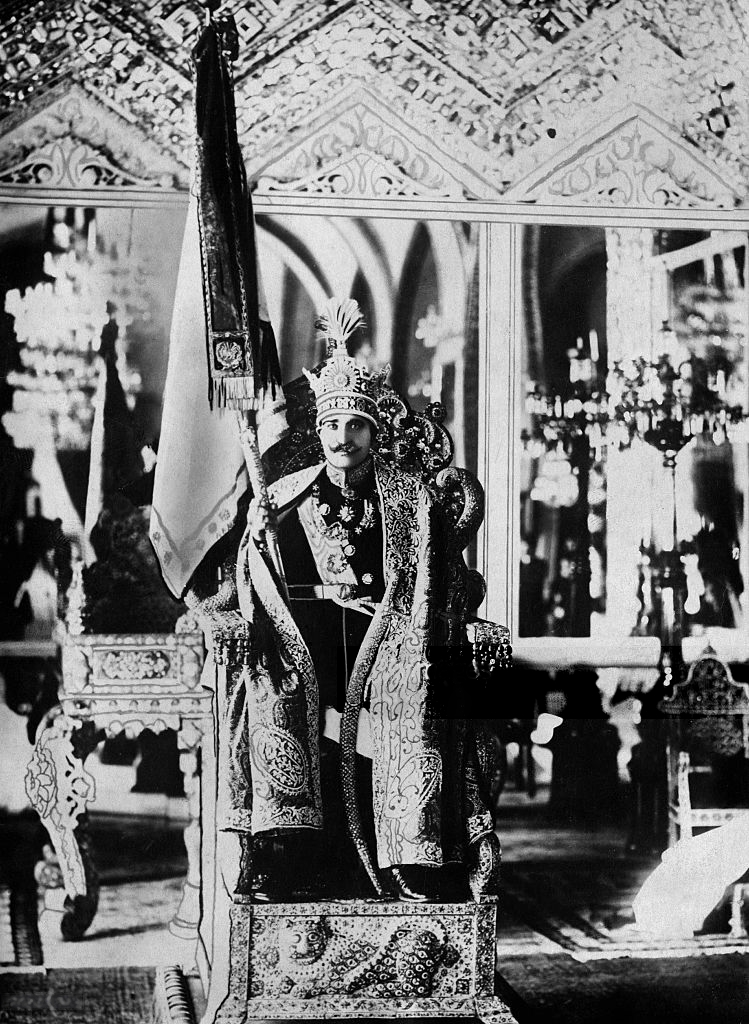 Photograph
Primary source
Photographs of the coronation of Reza Shah
Unknown court photographers · 25 April 1926
Free account
Read every Reza Shah source
Sign up free →
Ready when you are
Start chatting with Reza Shah now.
20 messages free · No credit card · Available in 50+ languages.