


Secondary sourceSculpture2009
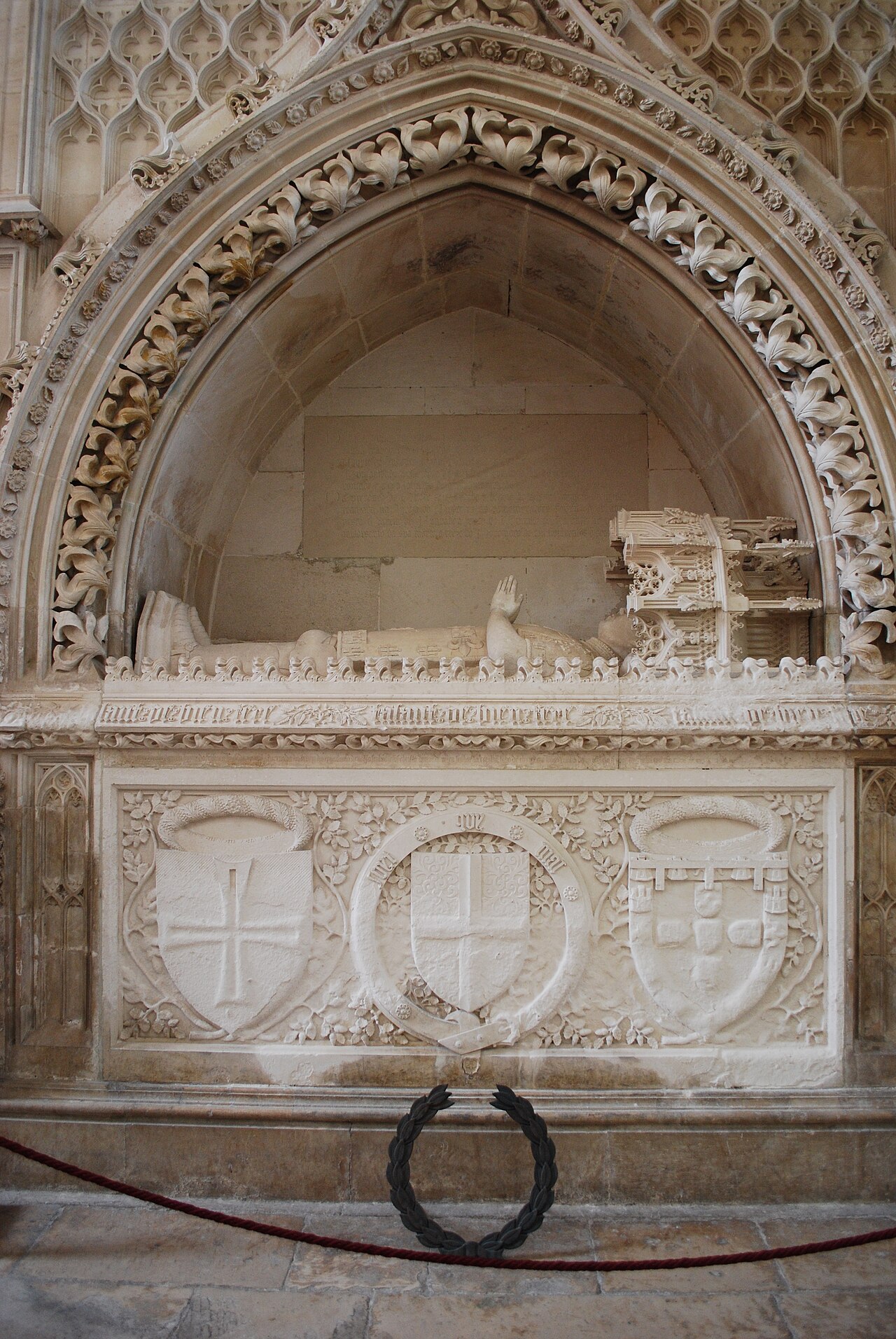
Tomb of Henry the Navigator, Batalha Monastery
2009
A photograph of Prince Henry the Navigator's tomb, a carved Gothic monument at Batalha Monastery in Portugal.
This is the tomb and monument marking Henry's burial place at Batalha Monastery.
About this source
What it is
This photograph shows the stone tomb of Prince Henry the Navigator inside a pointed Gothic arch at Batalha Monastery. It features a carved recumbent effigy of a figure with a raised hand, surrounded by carved tracery, with a lower panel bearing three heraldic shields and a wreath placed on the floor in front.
Why it matters
Batalha Monastery is one of Portugal's most important Gothic monuments, built to commemorate major events in Portuguese royal history. Henry's tomb there places him among the royal and noble figures honored at the site, reflecting his status as a son of the royal house and his later importance to Portuguese national memory.
Look closer
- What does the carved effigy and its raised hand suggest about how Henry was meant to be remembered?
- Why might heraldic shields be included on a tomb?
- What does a modern photograph like this add to, or leave out of, our understanding of the original monument?
This sculpture is part of the curated material that grounds the AI version of Prince Henry the Navigator on Humy.ai — when students ask about related events, the AI can quote it and cite it.
More Prince Henry the Navigator sources
Meet the AI Prince Henry the Navigator →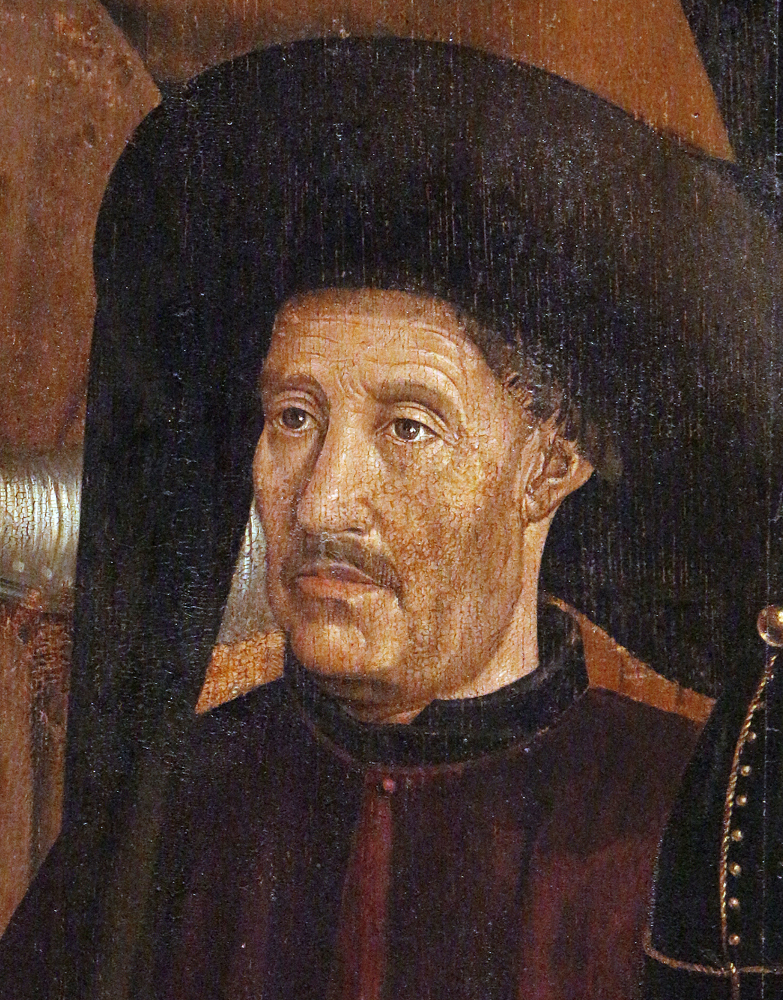 Painting
Secondary source
Panel of the Prince (Detail)
Nuno Gonçalves · c. 1470
 Artifact
Secondary source
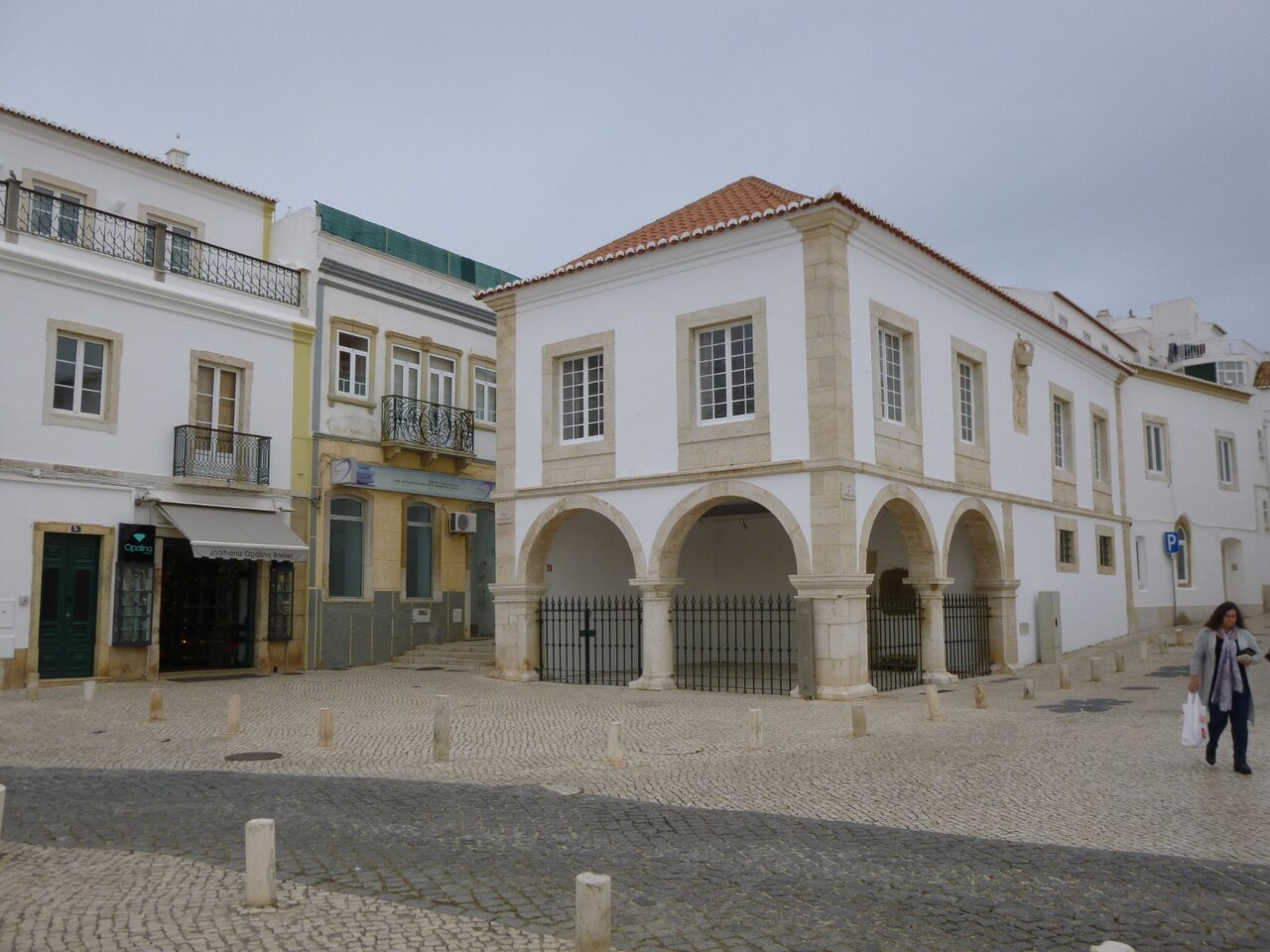
Mercado de Escravos
Built 1691; site of 1444 slave sale
 Book
Secondary source
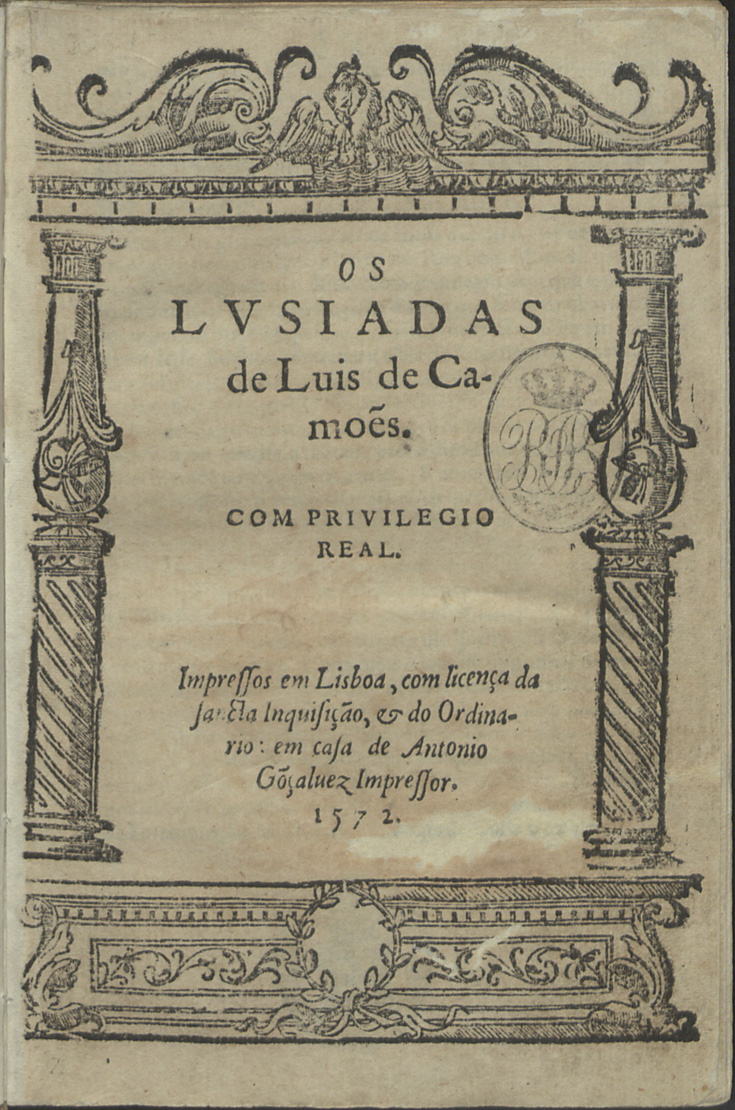
Os Lusíadas
Luís de Camões · 1572
 Painting
Secondary source
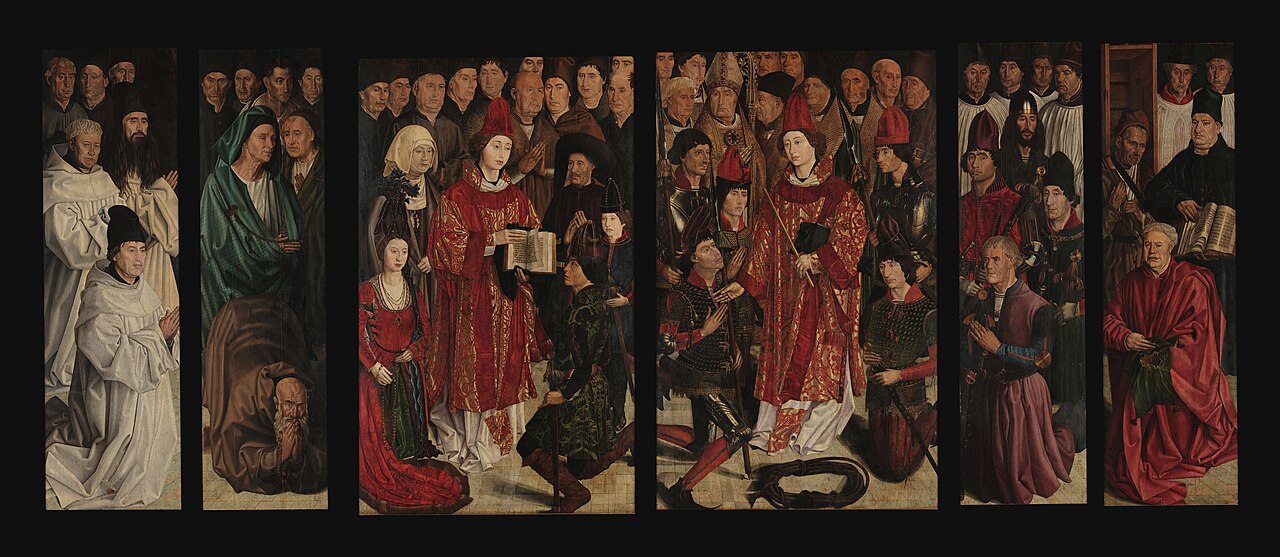
Saint Vincent Panels
Nuno Gonçalves · c. 1450-1480
 Sculpture
Secondary source
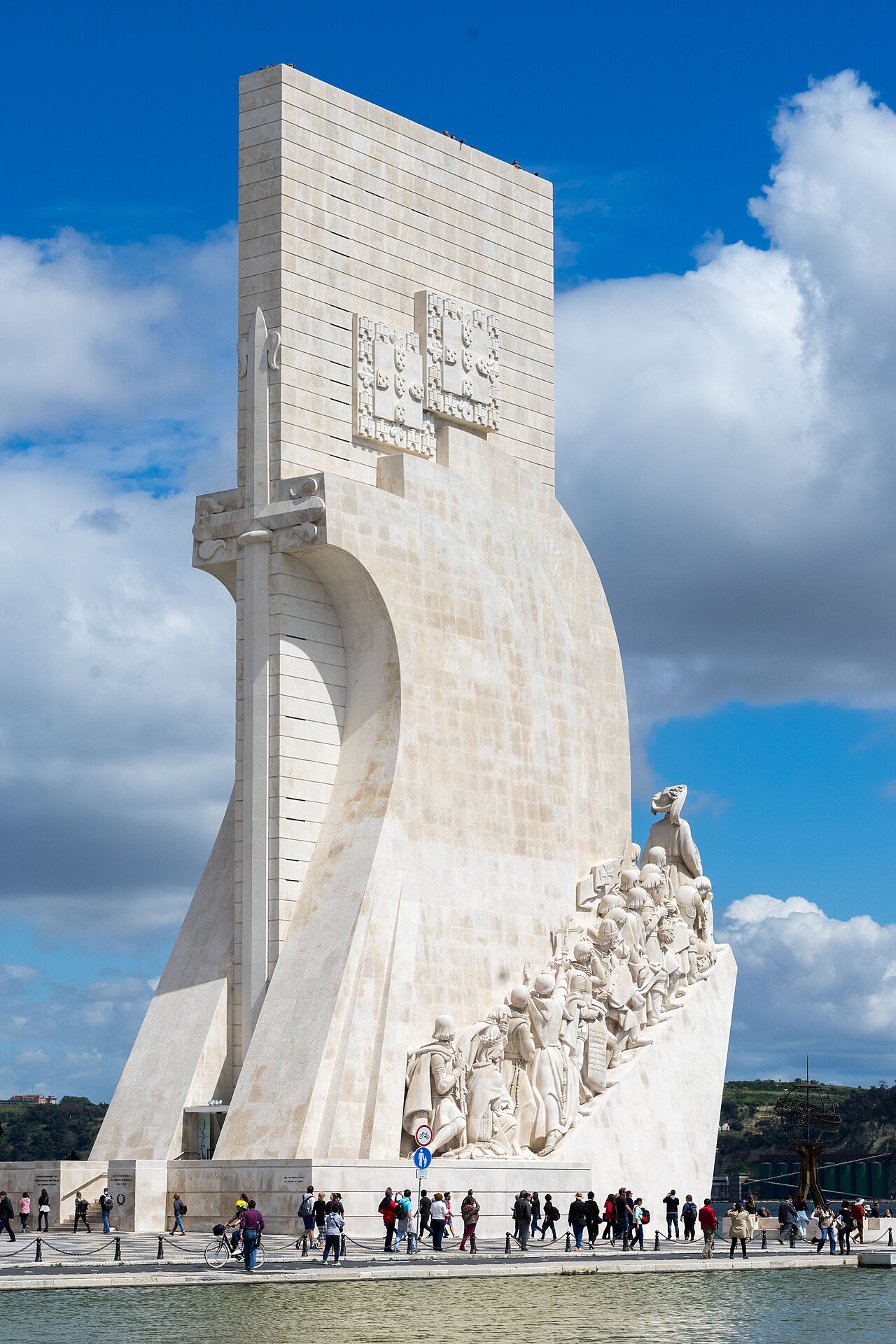
Padrão dos Descobrimentos
Leopoldo de Almeida · 1960 (inaugurated 9 August 1960)
Ready when you are
Start chatting with Prince Henry the Navigator now.
20 messages free · No credit card · Available in 50+ languages.