


Secondary sourceSculpture1734
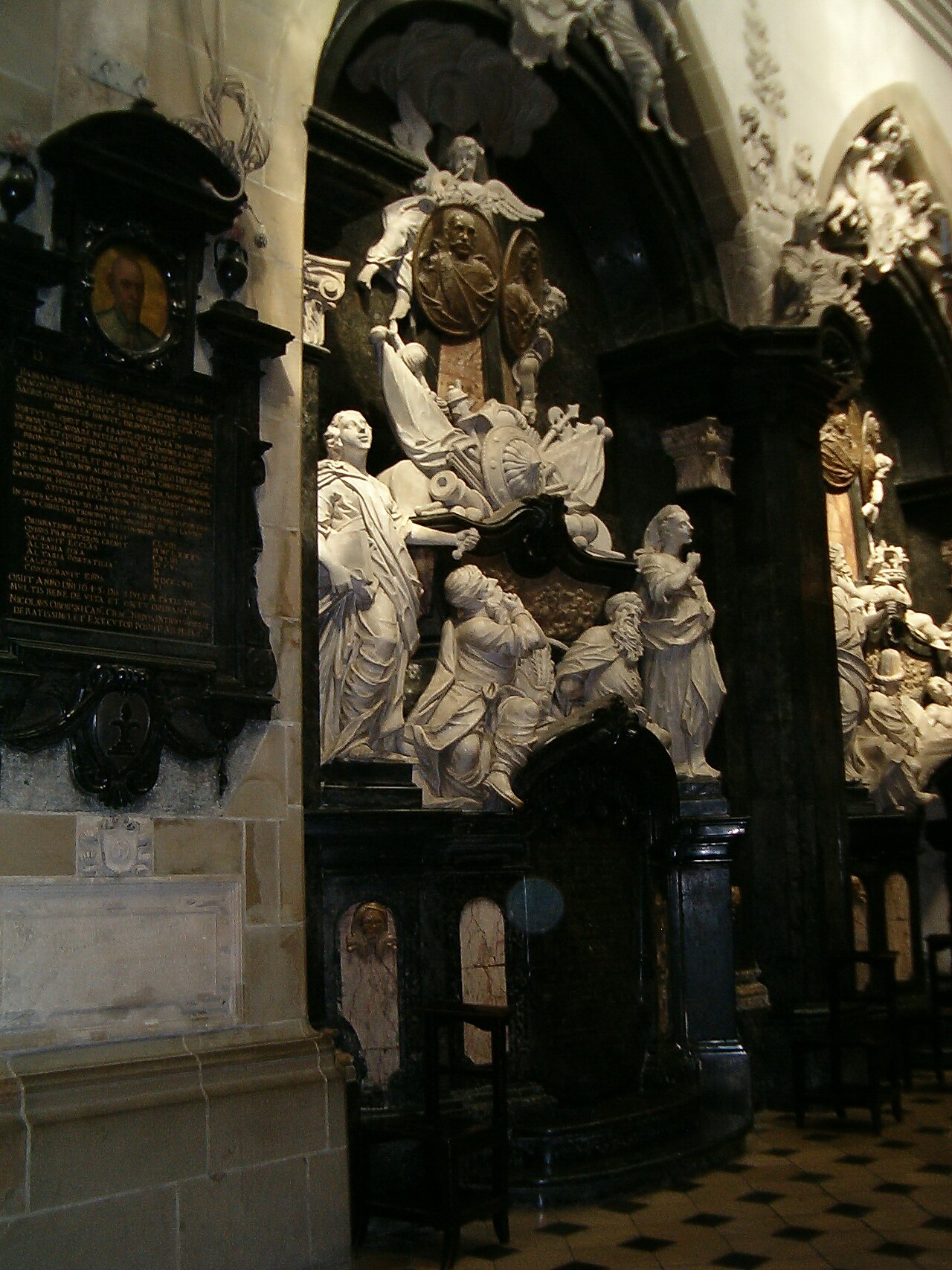
Tomb of John III Sobieski in Wawel Cathedral
1734
The royal tomb of John III Sobieski in the crypts of Wawel Cathedral, marking his place among Poland's kings and national heroes.
This is Sobieski's burial monument, placing him among Poland's kings and national heroes in the Wawel crypts.
About this source
What it is
This baroque tomb monument, dated to 1734, stands in the royal crypts beneath Wawel Cathedral in Kraków. It holds the remains of John III Sobieski and his wife Marie Casimire, and features white marble sculptures, an angel, and a large oval relief portrait.
Why it matters
The crypts of Wawel Cathedral hold the tombs of Polish kings, national heroes, generals and revolutionaries, including later figures such as Tadeusz Kościuszko and Józef Piłsudski. Sobieski's burial there, beside earlier rulers like Jan Kazimierz, shows how he was placed within Poland's royal and national memory.
Look closer
- Why do you think later national heroes, not just kings, were buried in the same crypts as Sobieski?
- What do the sculptures and inscription suggest about how Sobieski was remembered after his death?
- How does a tomb like this shape the way we think about a historical figure centuries later?
This sculpture is part of the curated material that grounds the AI version of John III Sobieski on Humy.ai — when students ask about related events, the AI can quote it and cite it.
More John III Sobieski sources
Browse all 94 →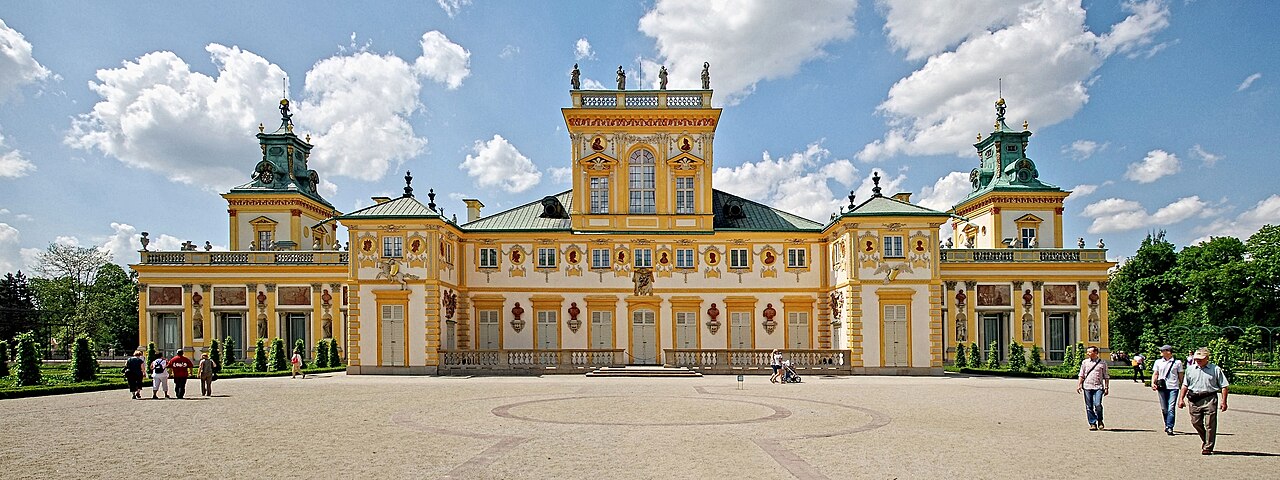 Artifact
Primary source
Wilanów Palace
Augustyn Wincenty Locci · 1677–1696
 Painting
Primary source
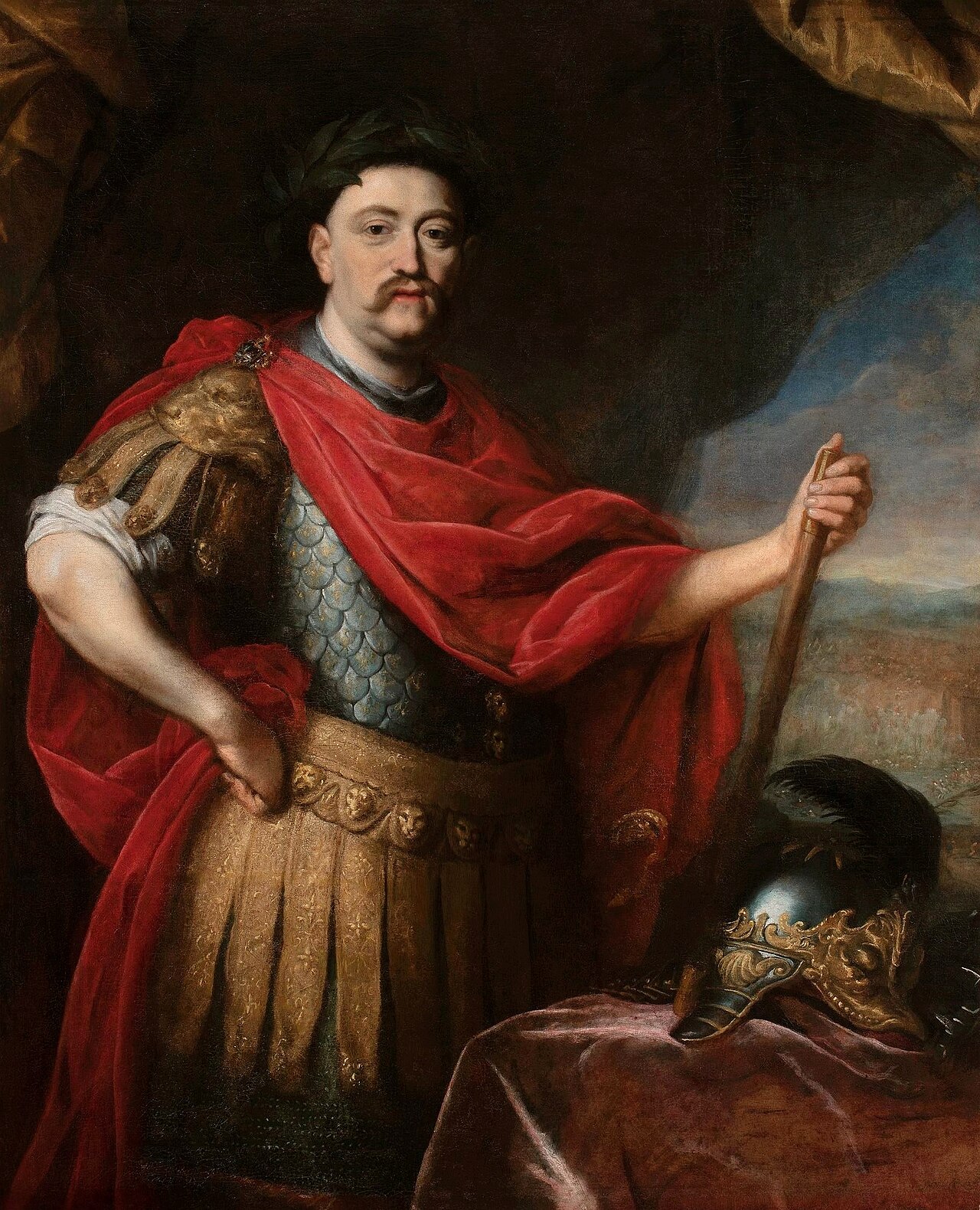
Portrait of John III Sobieski in Roman Costume
Daniel Schultz · 1673
 Painting
Primary source
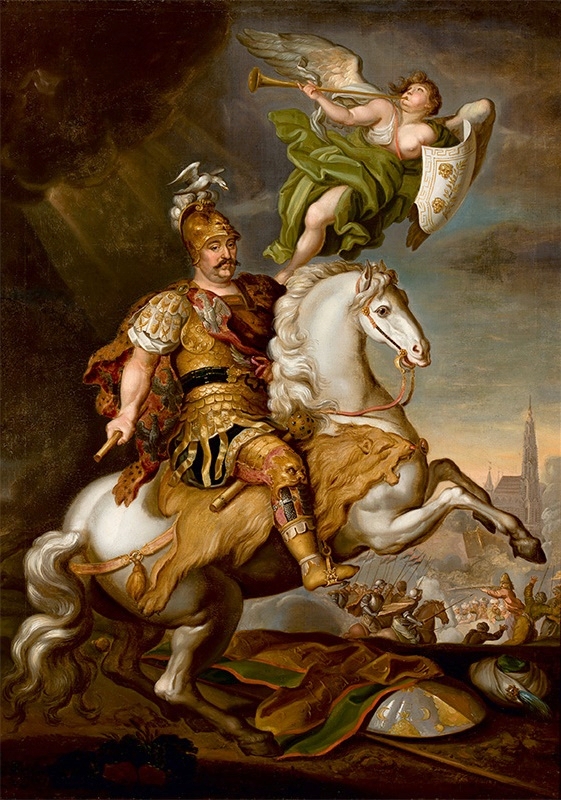
John III Sobieski at the Battle of Vienna
Jerzy Siemiginowski-Eleuter · 1686
 Artifact
Primary source
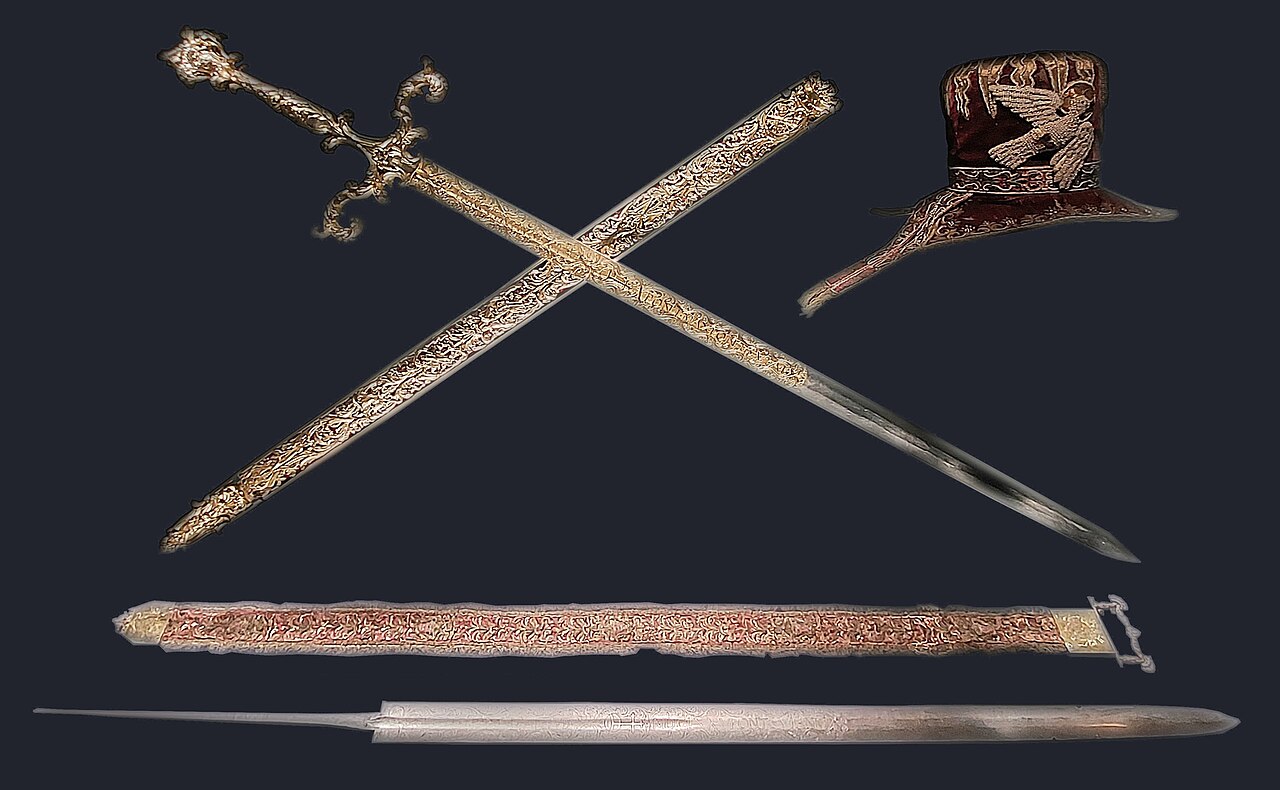
Blessed Sword and Hat of John III Sobieski
1684
Free account
Read every John III Sobieski source
Sign up free →
Ready when you are
Start chatting with John III Sobieski now.
20 messages free · No credit card · Available in 50+ languages.