


Secondary sourceArtifact
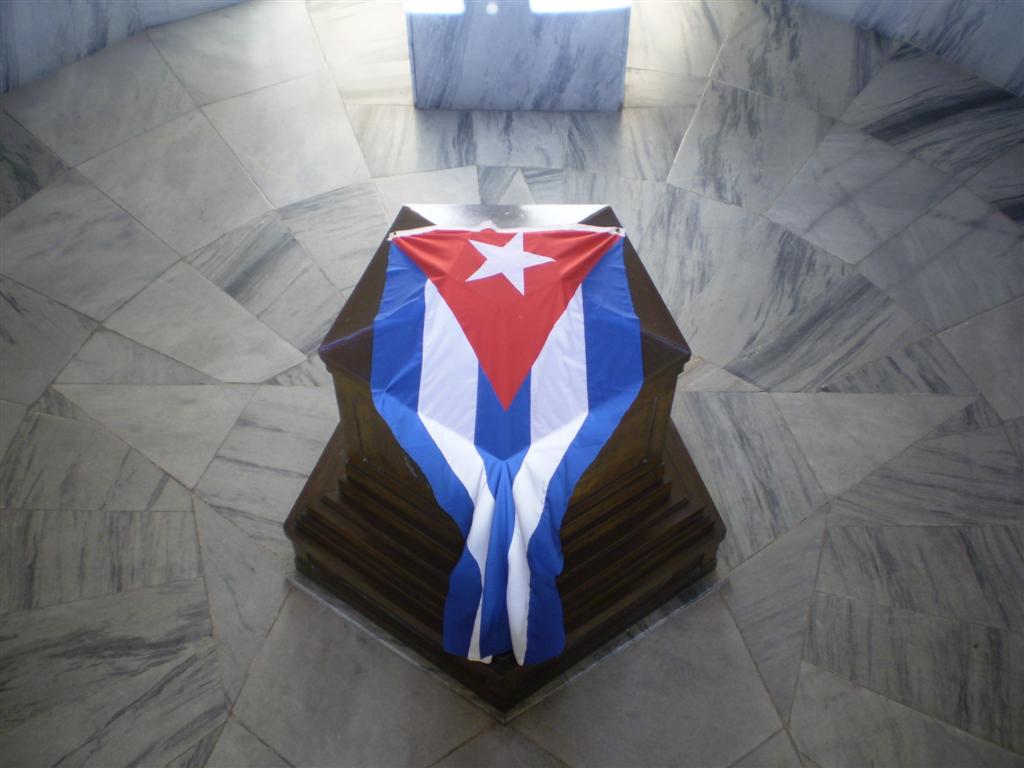
Tomb of José Martí at Santa Ifigenia Cemetery, Santiago de Cuba
An overhead view of the tomb that holds José Martí’s remains at Santa Ifigenia cemetery in Santiago de Cuba, draped with the Cuban flag.
This tomb holds Martí’s remains and shows how Cuba has chosen to honor him as a national hero.
About this source
What it is
This is an overhead photograph of a dark wooden tomb with stepped sides, draped with a Cuban flag. It stands on a grey marble floor in a marble-lined space. The record states that the tomb contains the remains of José Martí, the Cuban national hero, at the Santa Ifigenia Cemetery in Santiago de Cuba. The photograph shows the tomb from above, so the inscriptions and the flag’s placement are only partly visible. The photographer is named on the file as Princesschino.
Why it matters
The tomb is a place where Cuban citizens go to remember Martí. Burial in a public cemetery, with a national flag over the grave, shows how his memory was tied to the nation’s identity. The site connects his life as a writer and independence leader to the later Cuban state that honors him.
Look closer
- Why might a national flag be placed over the tomb of a historical figure?
- What does the choice of a stepped, wooden tomb in a marble space suggest about how the site was designed?
- What does an overhead photograph leave out that a visitor standing at the tomb would see?
This artifact is part of the curated material that grounds the AI version of José Martí on Humy.ai — when students ask about related events, the AI can quote it and cite it.
More José Martí sources
Browse all 92 →Primary source
Simple Verses
José Martí · 1891
 Photograph
Primary source
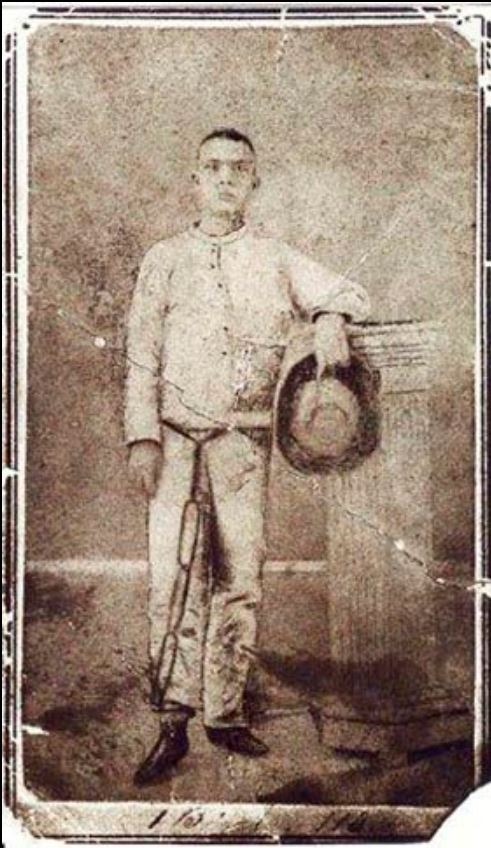
José Martí in the Quarry of San Lázaro
Unknown · c. 1870
 Photograph
Primary source
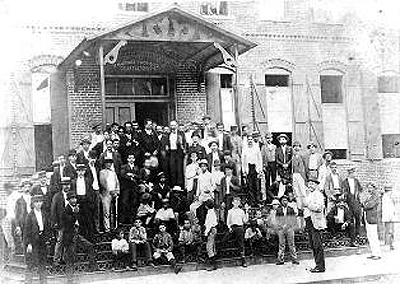
José Martí in Ybor City
Unknown · 1893
 Photograph
Primary source
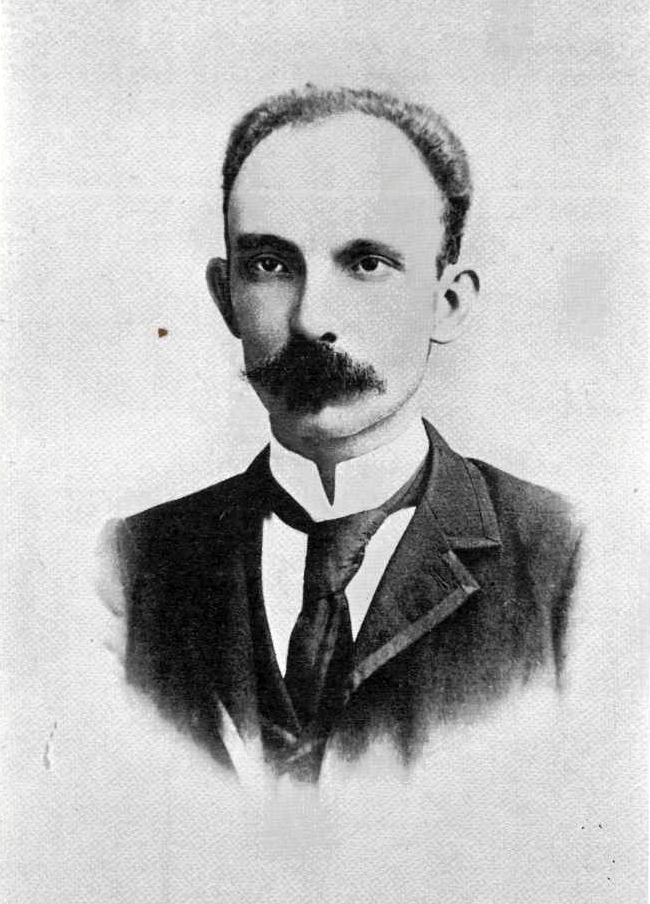
José Martí's Best-Known Portrait, Kingston 1892
Juan Bautista Valdés · 1892
Free account
Read every José Martí source
Sign up free →
Ready when you are
Start chatting with José Martí now.
20 messages free · No credit card · Available in 50+ languages.