


Secondary sourceArtifact5th century BCE
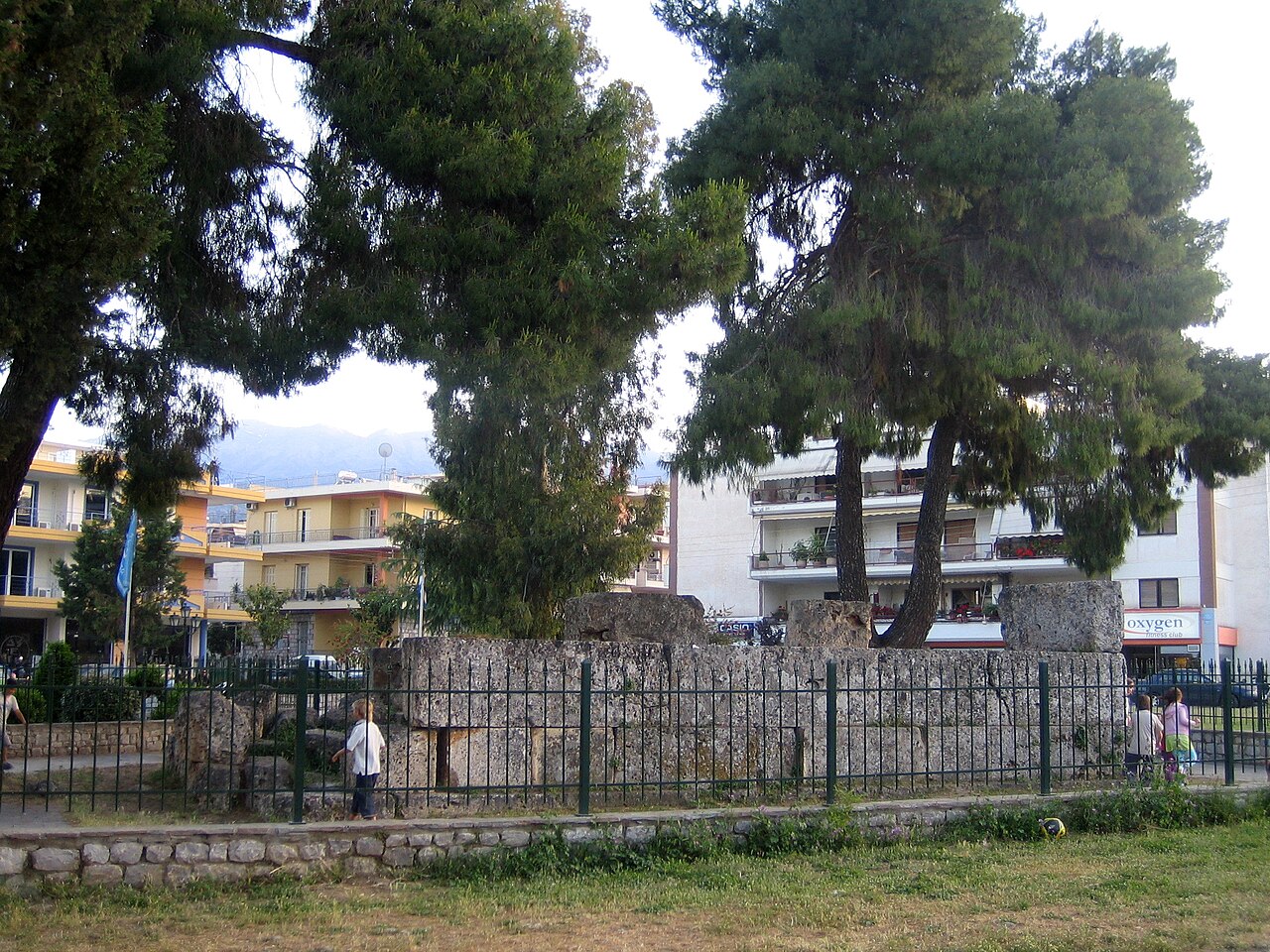
Tomb of Leonidas
5th century BCE
An ancient monument in Sparta traditionally identified as the tomb of King Leonidas, linked to the hero cult that grew up around him after his death.
This monument in Sparta is traditionally identified as Leonidas's tomb, reflecting the hero cult built around him after his death.
About this source
What it is
This small temple-like stone structure in Sparta, Greece, dates to the 5th century BC and is traditionally known as the Tomb of Leonidas or the Leonidaion.
Why it matters
The monument reflects the hero cult that developed around Leonidas after his bones were reportedly brought back to Sparta decades after his death at Thermopylae. Ancient sources describe later Spartans honoring him with a stele and an annual festival, and this building is traditionally connected to that ongoing commemoration, showing how a defeated king could become a lasting symbol of civic identity.
Look closer
- What does it mean that a monument is only 'traditionally' identified with Leonidas rather than certainly linked to him?
- Why might a city build a lasting monument to someone who died in a losing battle?
- How does the modern setting around the ancient monument change how we experience it today?
This artifact is part of the curated material that grounds the AI version of Leonidas I on Humy.ai — when students ask about related events, the AI can quote it and cite it.
More Leonidas I sources
Browse all 58 → Book
Secondary source
Histories
Herodotus · c. 440 BCE
 Document
Primary source
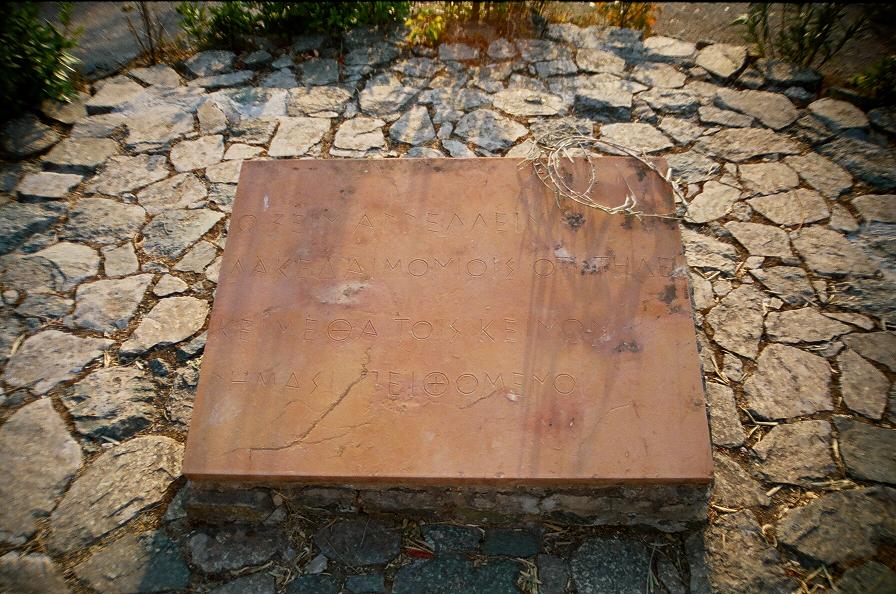
Go Tell the Spartans epitaph
Attributed to Simonides of Ceos · c. 480-479 BCE
 Painting
Primary source
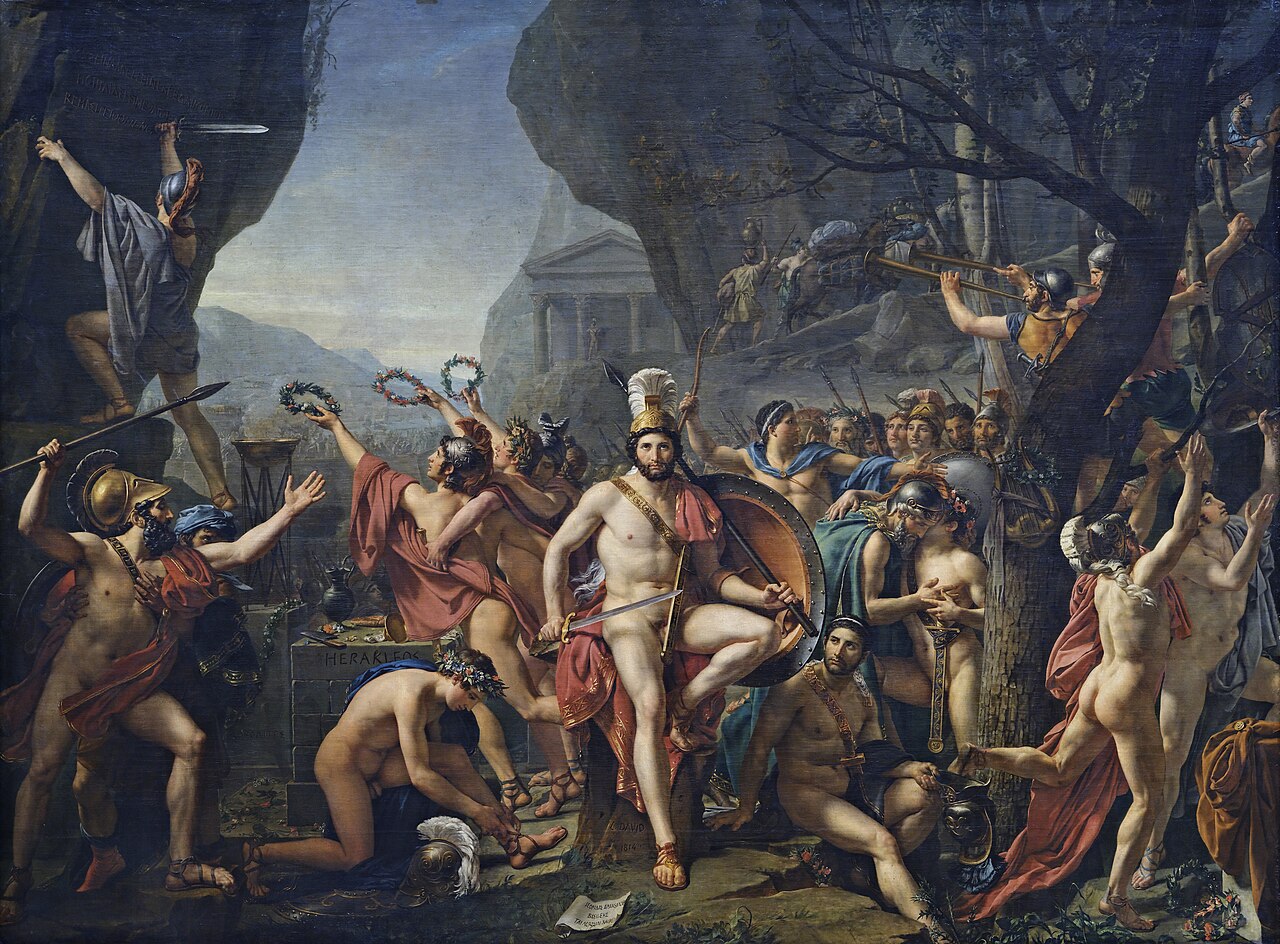
Leonidas at Thermopylae
Jacques-Louis David · 1799–1814
 Book
Secondary source
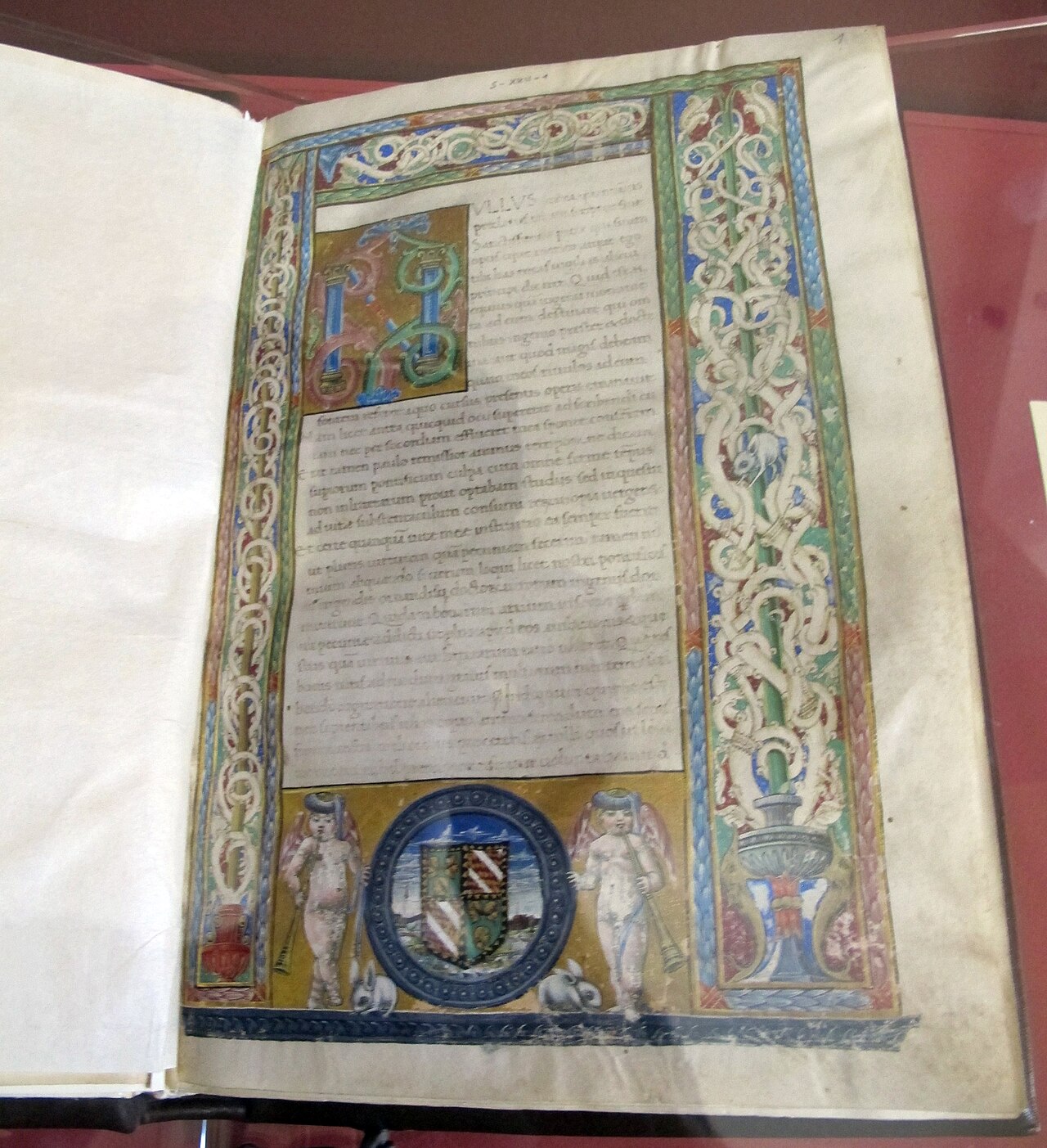
Bibliotheca Historica
Diodorus Siculus · 1st century BCE

Free account
Read every Leonidas I source
Sign up free →
Ready when you are
Start chatting with Leonidas I now.
20 messages free · No credit card · Available in 50+ languages.