


Secondary sourceArtifact17th century
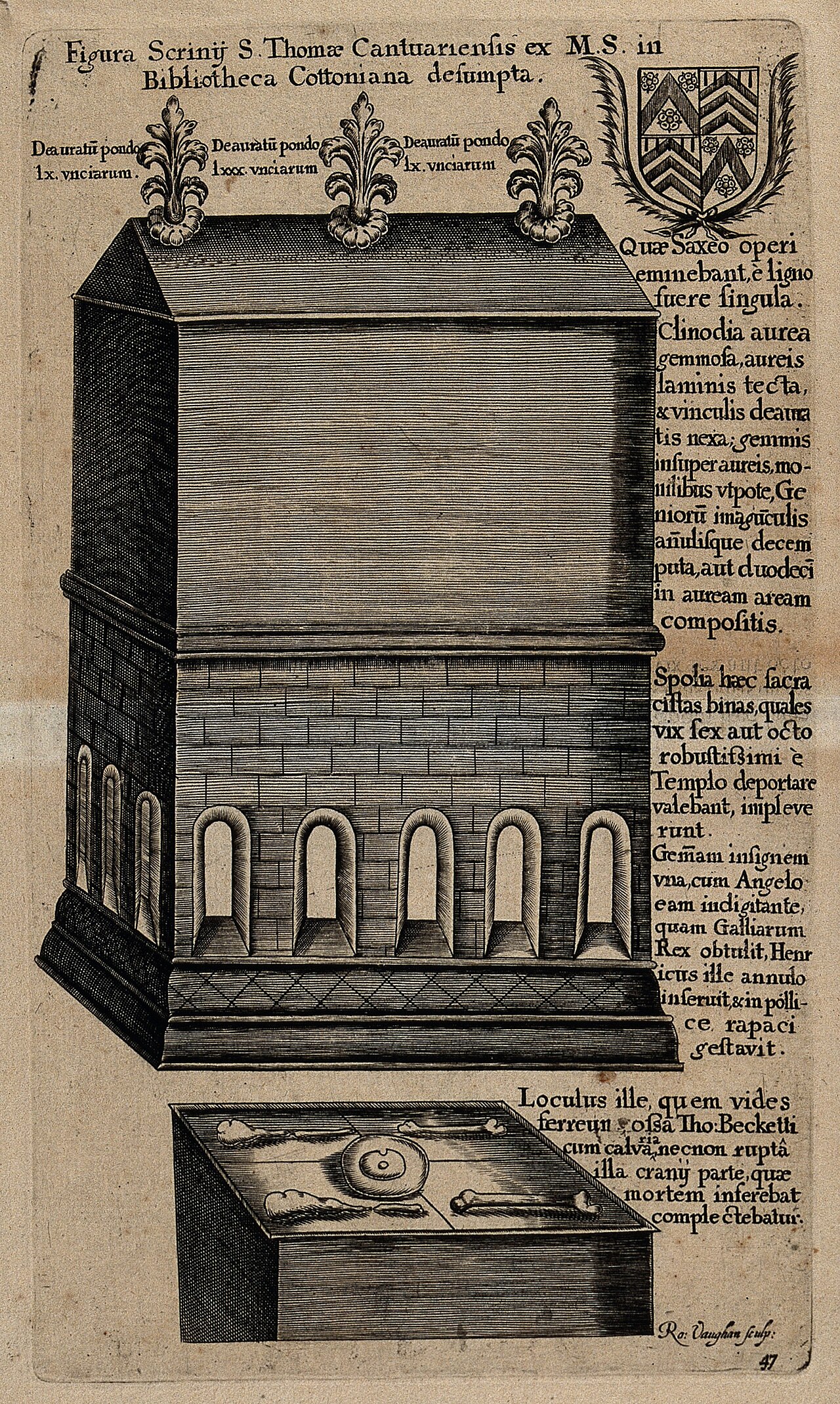
Tomb of Saint Thomas of Canterbury
R. Vaughan · 17th century
A 17th-century engraving by R. Vaughan showing the lost shrine of Thomas Becket at Canterbury, destroyed in 1538.
This engraving preserves the appearance of Becket's shrine, a central site of his veneration after martyrdom.
About this source
What it is
This is an engraved print made by R. Vaughan, titled 'Figura Scrinii S. Thomae Cantuariensis', based on a manuscript in the Cottonian Library. It shows the ornate shrine built to hold the remains of Thomas Becket, along with a smaller chest displaying bone fragments, with a Latin and English text column.
Why it matters
Becket's shrine at Canterbury Cathedral was one of the most important pilgrimage sites in medieval England until it was destroyed in 1538 during the Reformation. This engraving is a rare visual record of what the shrine looked like before its destruction, helping historians understand how Becket was honoured after his death.
Look closer
- What details in the engraving suggest the shrine was meant to be grand and impressive?
- Why might someone in the 17th century have wanted to record the appearance of a shrine destroyed over a century earlier?
- What does the depiction of bones tell us about medieval beliefs concerning relics and saints?
This artifact is part of the curated material that grounds the AI version of Thomas Becket on Humy.ai — when students ask about related events, the AI can quote it and cite it.
More Thomas Becket sources
Meet the AI Thomas Becket →Primary source
Constitutions of Clarendon
Henry II of England · 1164
 Artifact
Primary source
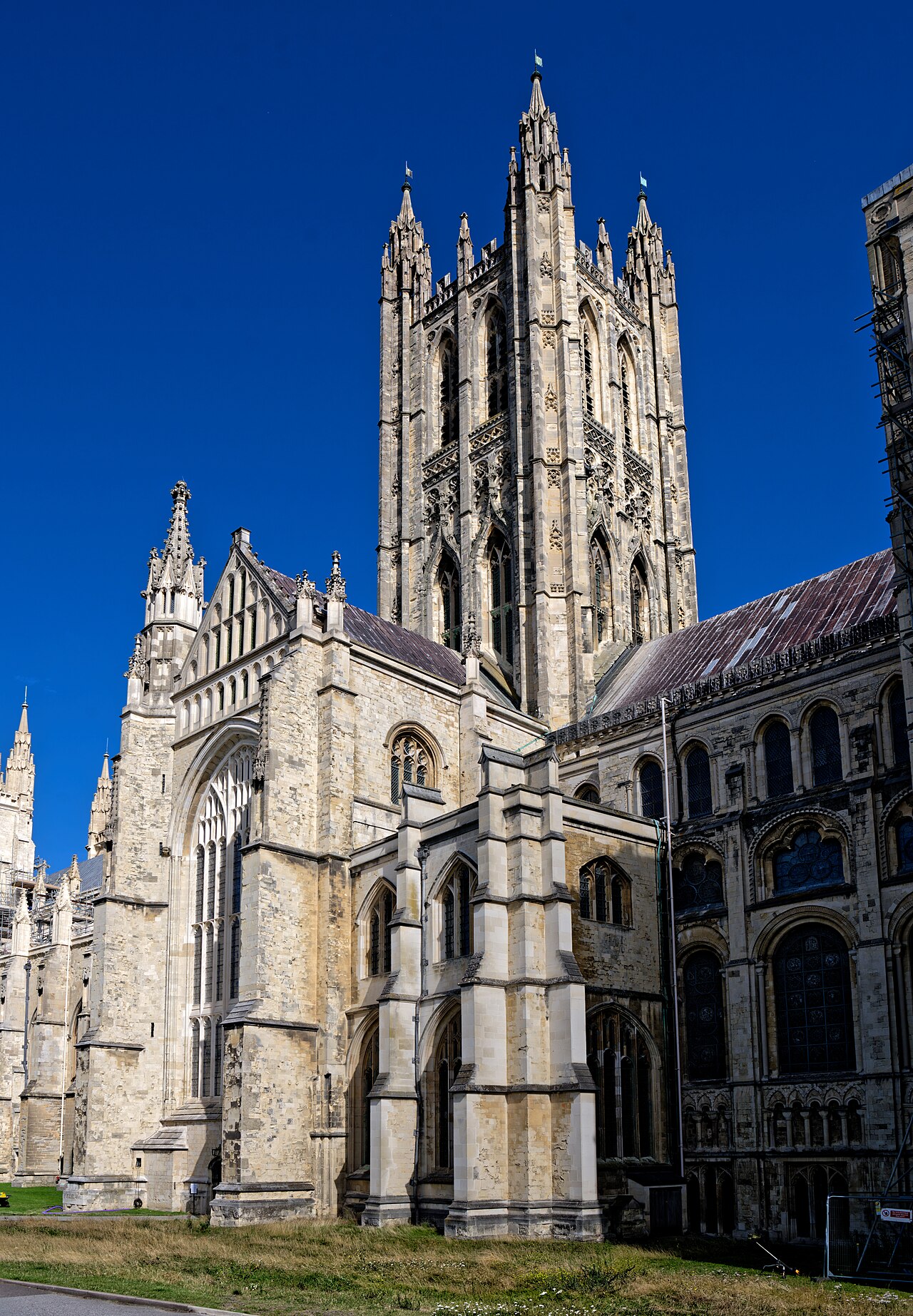
Canterbury Cathedral
founded 597
 Artifact
Secondary source
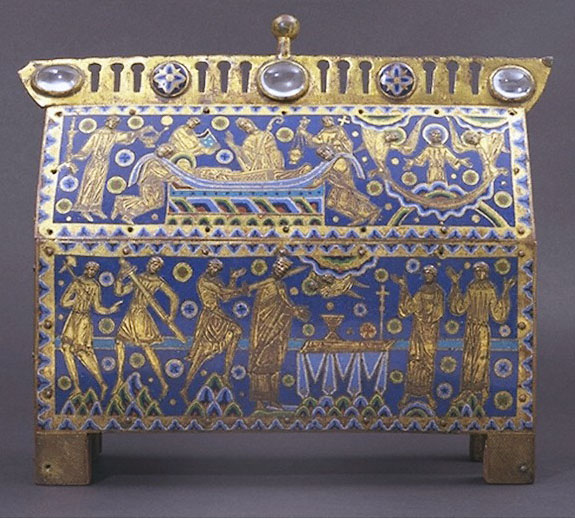
Becket Casket
c. 1180-1190
 Artifact
Secondary source
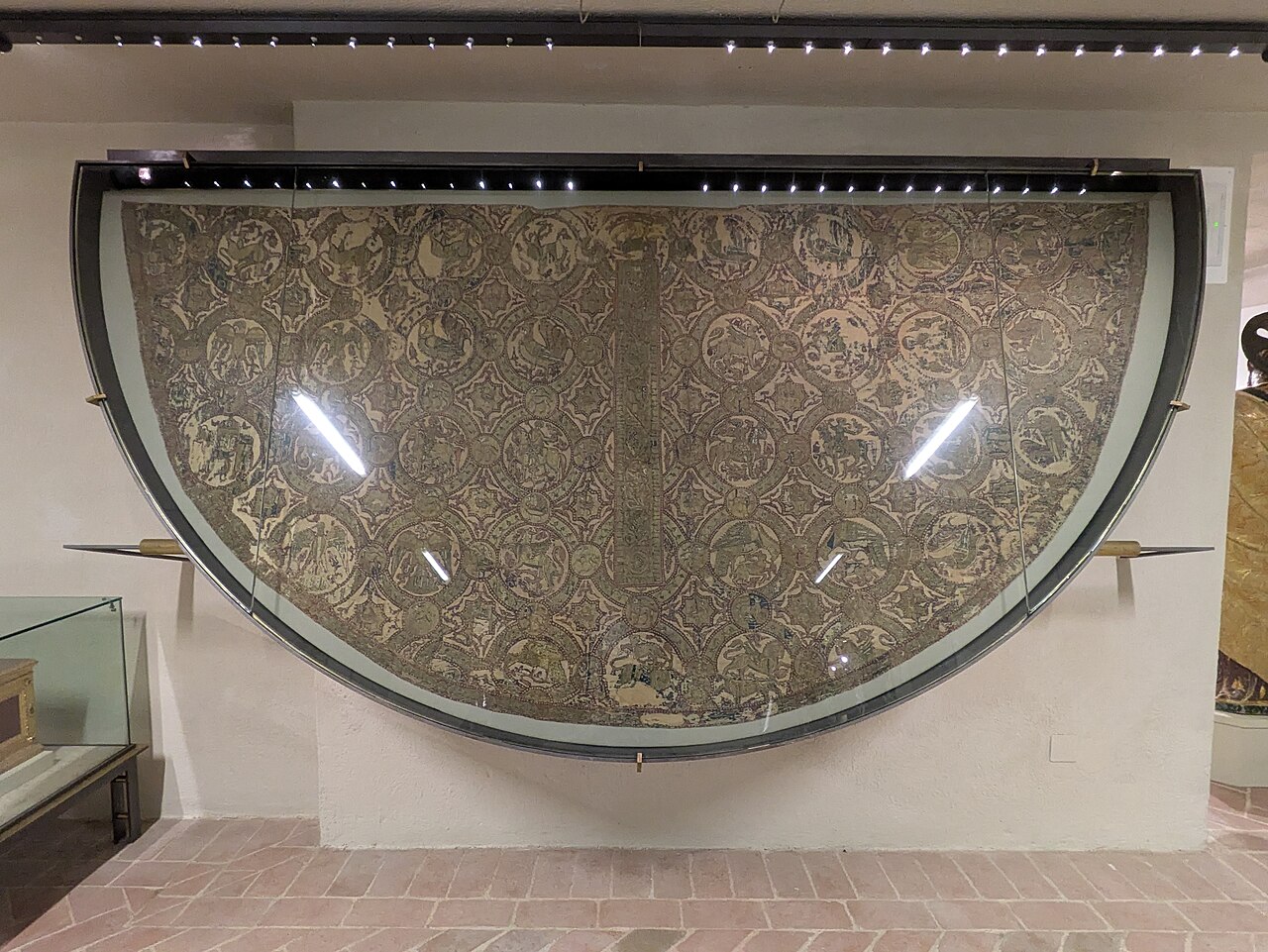
Fermo Chasuble of St. Thomas Becket
12th century
 Artifact
Secondary source
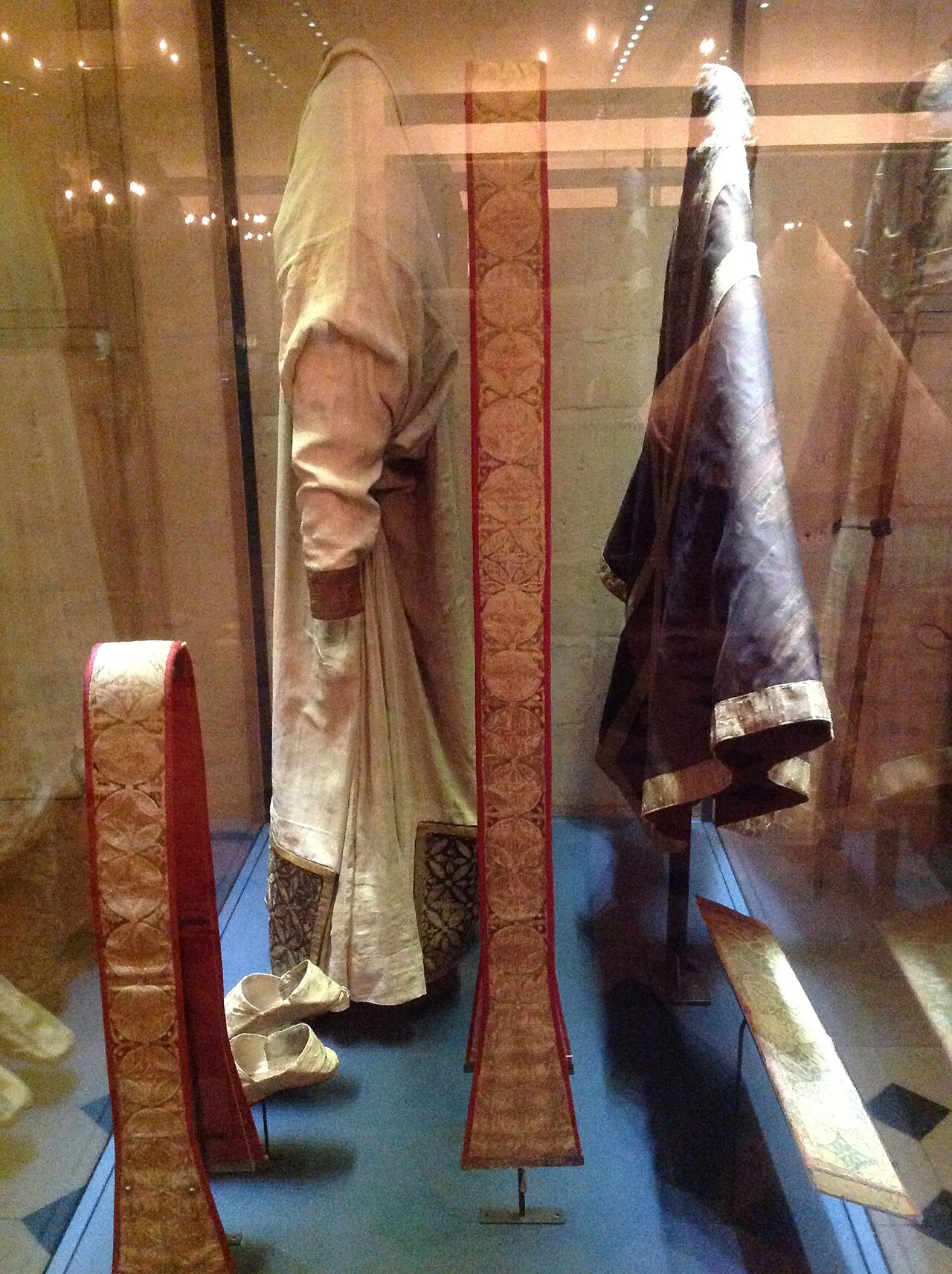
Becket Liturgical Garments, Sens Cathedral
12th century
Ready when you are
Start chatting with Thomas Becket now.
20 messages free · No credit card · Available in 50+ languages.