


Secondary sourceSculpture2007
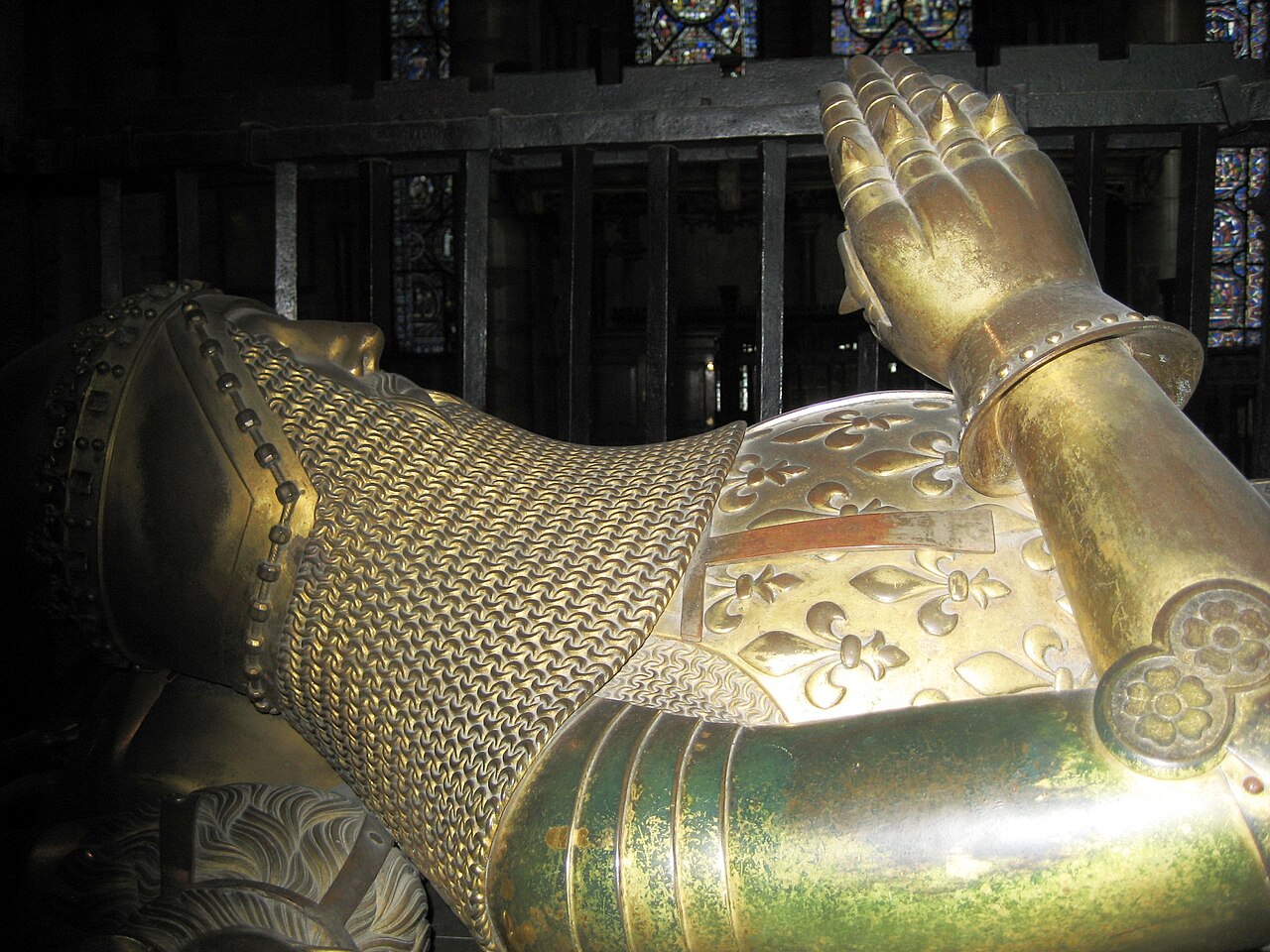
Tomb of the Black Prince, Canterbury Cathedral
Isabel San Juan · 2007
A 2007 photograph of the gilded bronze effigy on the tomb of Edward, the Black Prince, in Canterbury Cathedral.
Photograph of the tomb effigy made for the Black Prince himself, showing how he chose to be commemorated.
About this source
What it is
This photograph, taken in 2007 by Isabel San Juan, shows a close view of the gilded bronze effigy on the tomb of Edward, the Black Prince, in Canterbury Cathedral. The tomb dates from 1376, the year of his death, and is decorated with his heraldry.
Why it matters
The tomb is one of the most important surviving medieval monuments in England. Its armour and heraldic fleur-de-lis reflect the Black Prince's military reputation and his claims in France, showing how he wanted to be remembered after death.
Look closer
- What does the armour and the raised hand suggest about how the Prince wanted to be shown?
- Why might fleur-de-lis, a French royal symbol, appear on an English prince's tomb?
- How does a tomb effigy differ from a photograph taken during someone's life?
This sculpture is part of the curated material that grounds the AI version of Edward, the Black Prince on Humy.ai — when students ask about related events, the AI can quote it and cite it.
More Edward, the Black Prince sources
Browse all 89 →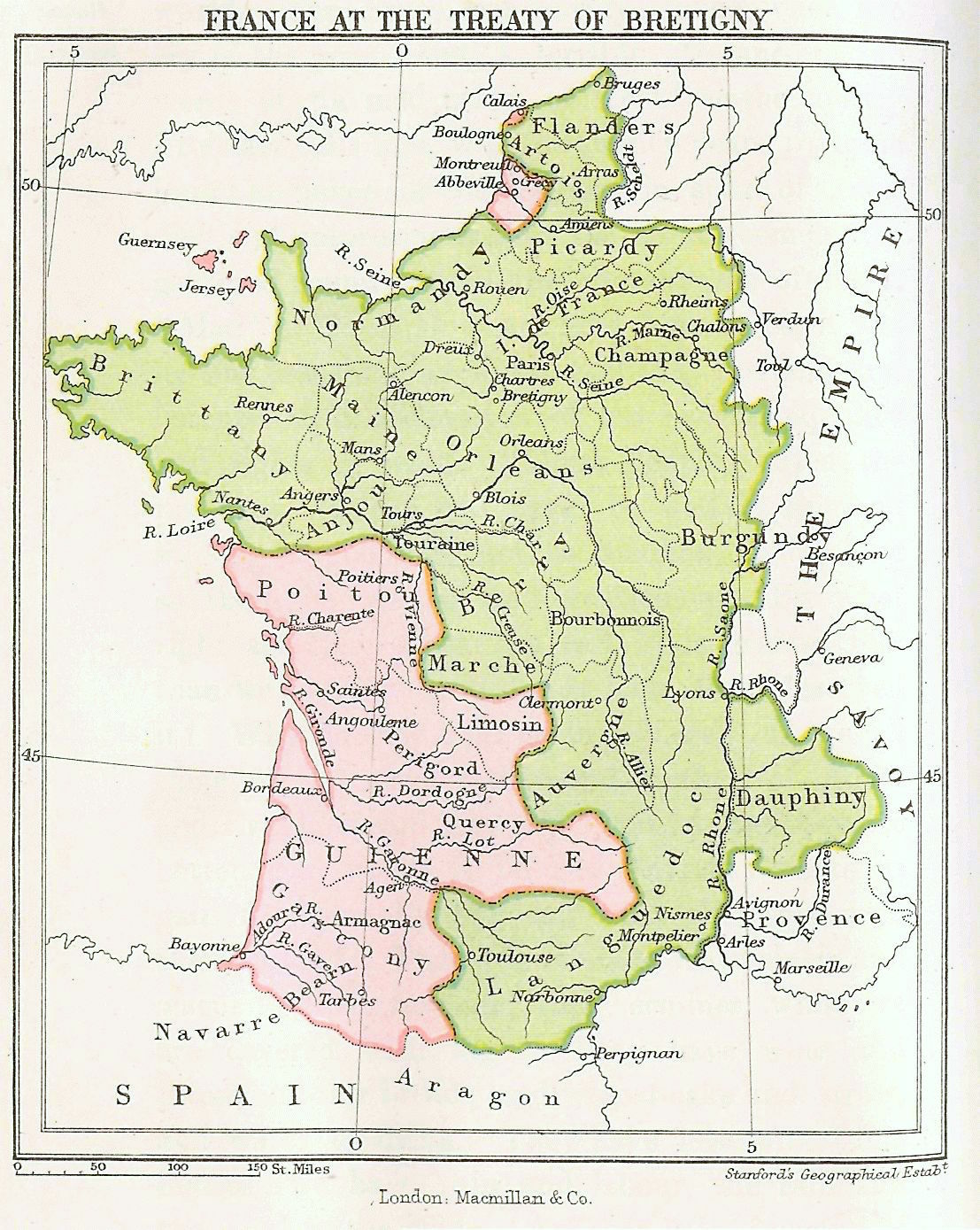 Document
Primary source
Treaty of Brétigny
1360
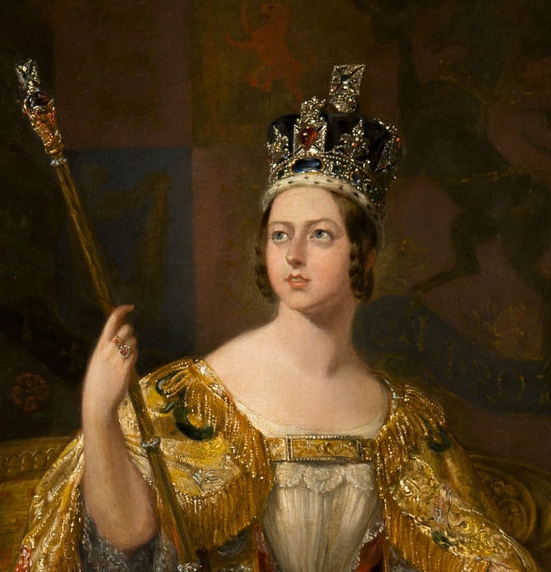 Artifact
Secondary source
Black Prince's Ruby
acquired 1367
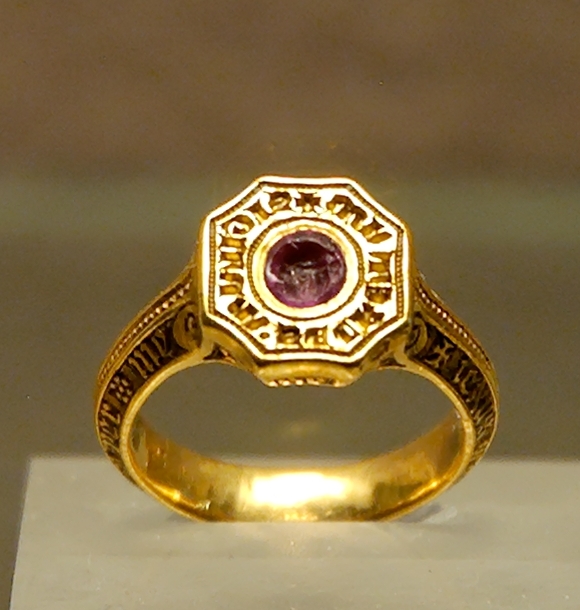 Artifact
Primary source
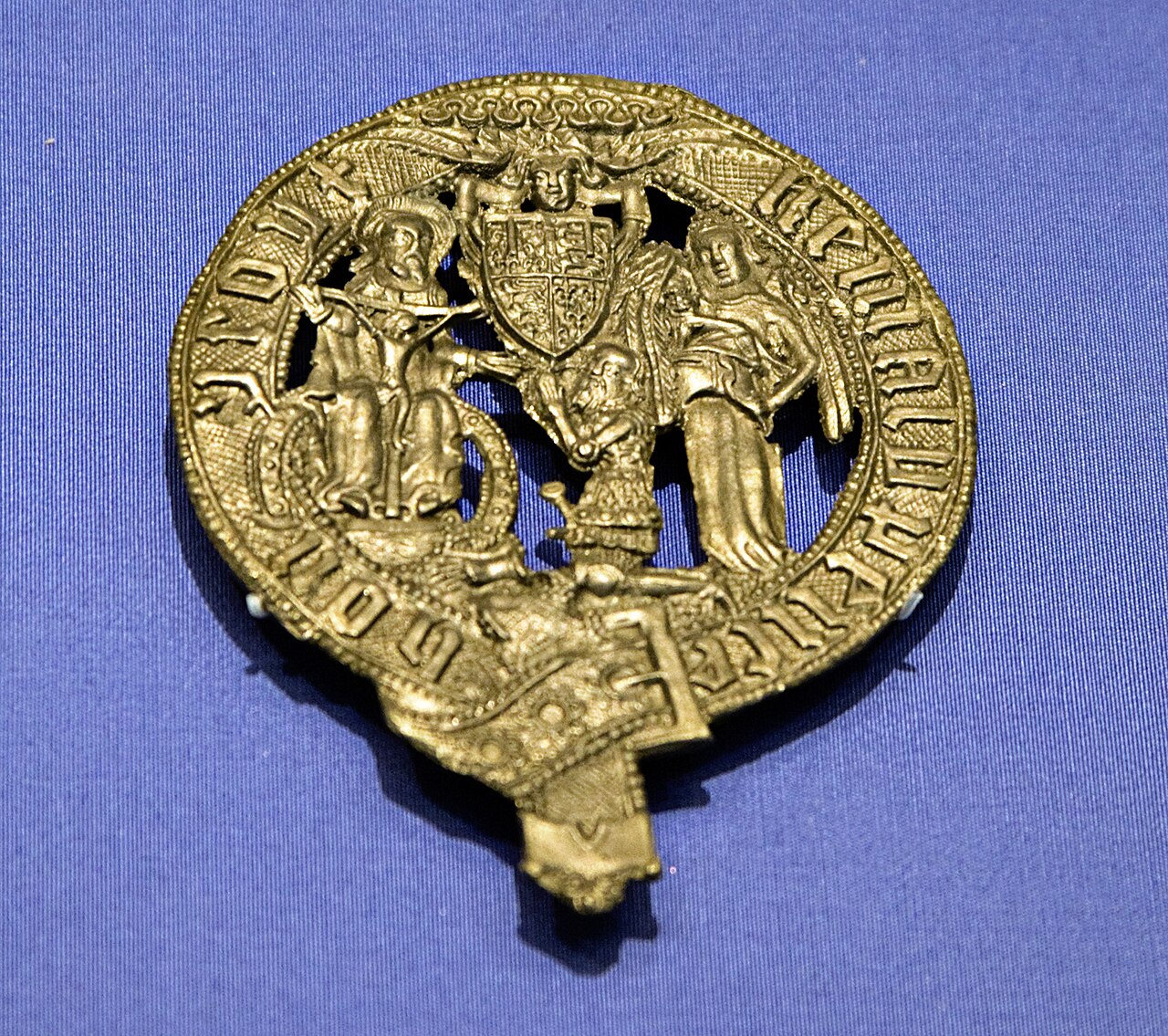
Signet Ring of the Black Prince
late 14th century
 Artifact
Primary source
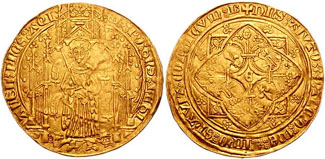
Pavillon d'Or of Edward the Black Prince
Mints of Aquitaine (Bordeaux, La Rochelle and others) · c. 1362-1372
Free account
Read every Edward, the Black Prince source
Sign up free →
Ready when you are
Start chatting with Edward, the Black Prince now.
20 messages free · No credit card · Available in 50+ languages.