


Primary sourceDocument1360
Treaty of Brétigny
1360
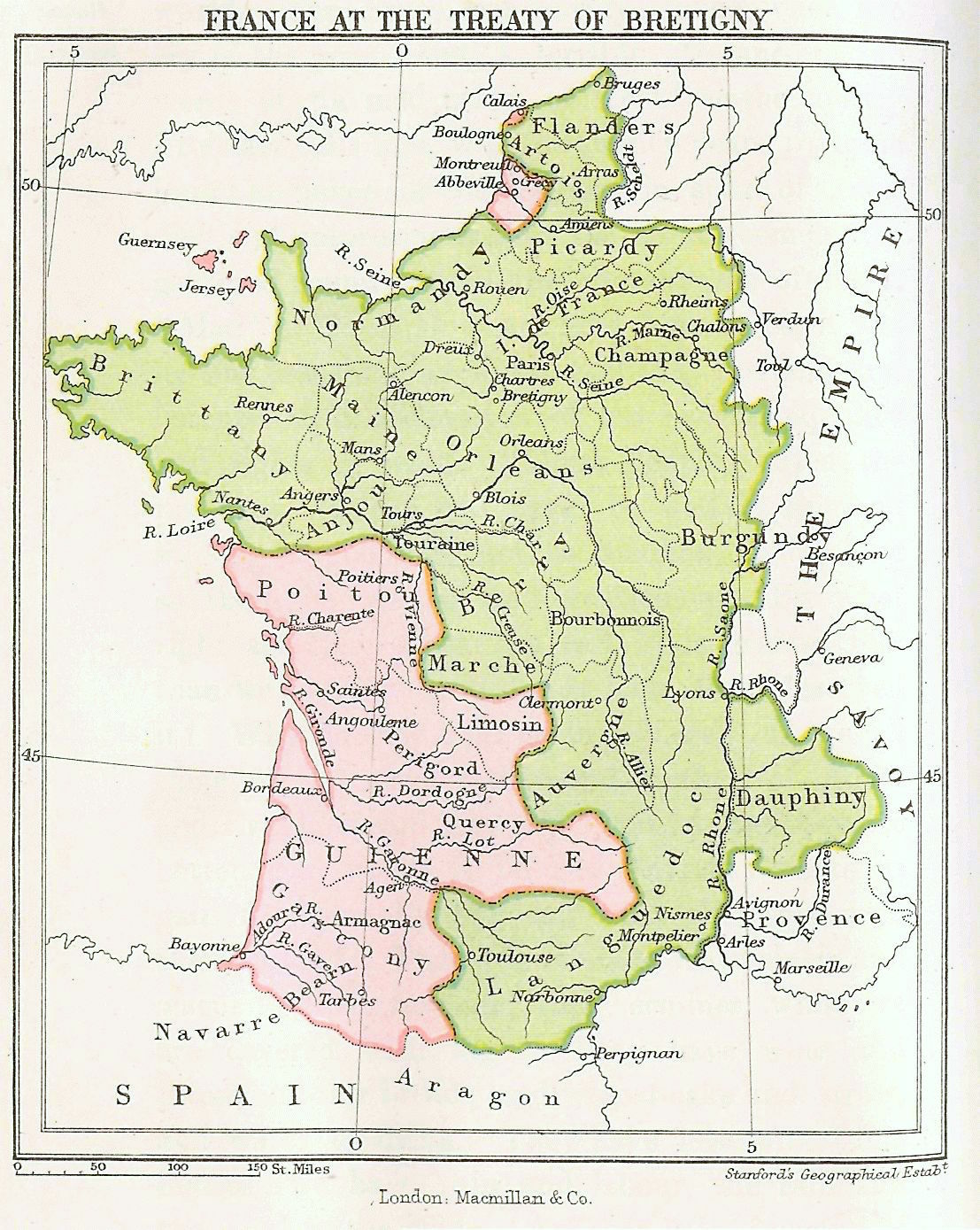
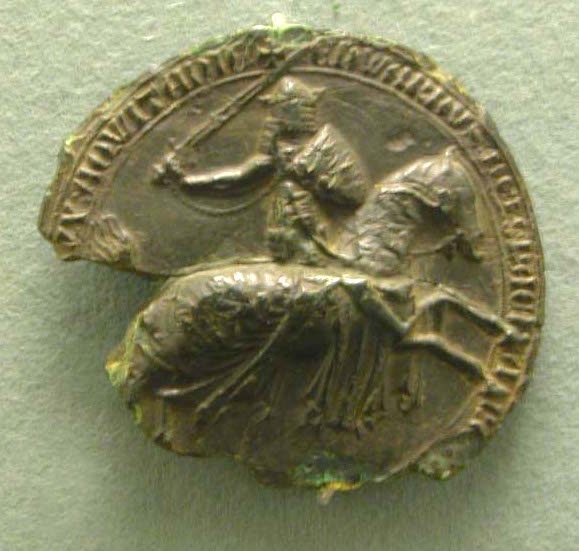
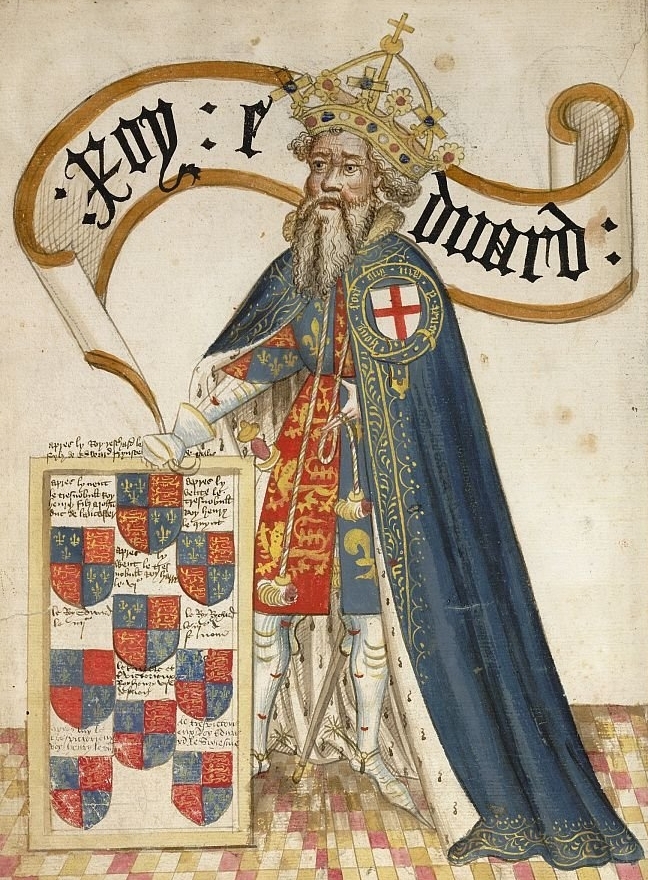
The 1360 peace treaty between Edward III and King John II of France marked the high point of English gains in the Hundred Years' War.
Edward III negotiated and is bound by this treaty, which marked the height of his territorial gains in France.
About this source
What it is
The Treaty of Brétigny was drafted in May 1360 and ratified in October 1360 between King Edward III of England and King John II of France, who had been captured at the Battle of Poitiers. It was signed near Chartres and finalised at Calais.
Why it matters
By its terms Edward gained large territories in France, including Aquitaine and Calais, holding them free of French overlordship, while giving up his claim to the French crown. John II had to pay a huge ransom and hand over hostages, including his own sons. The treaty paused, but did not end, the Hundred Years' War: fighting resumed within a decade and England later lost most of the gained land.
Look closer
- Why might a king agree to give up a claim to a crown in exchange for land?
- What does the ransom and hostage arrangement tell you about how medieval kings were valued as prisoners?
- Why do you think this 'peace' lasted less than ten years?
This document is part of the curated material that grounds the AI version of Edward III and Edward, the Black Prince on Humy.ai — when students ask about related events, the AI can quote it and cite it.
More Edward III sources
Browse all 93 → Sculpture
Secondary source
Tomb of Edward III
Primary source
Statute of Labourers 1351
1351
 Book
Secondary source
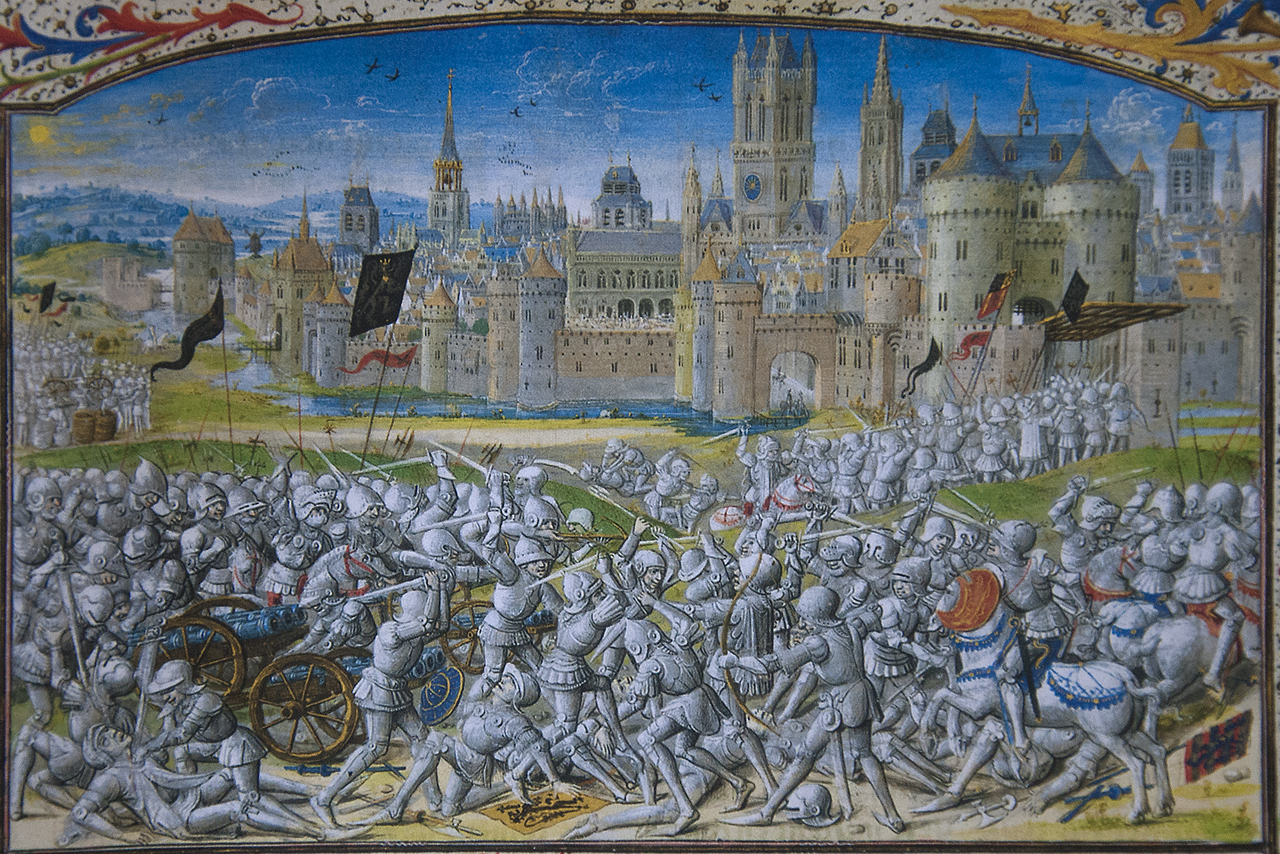
Froissart's Chronicles
Jean Froissart · 1369
 Artifact
Primary source
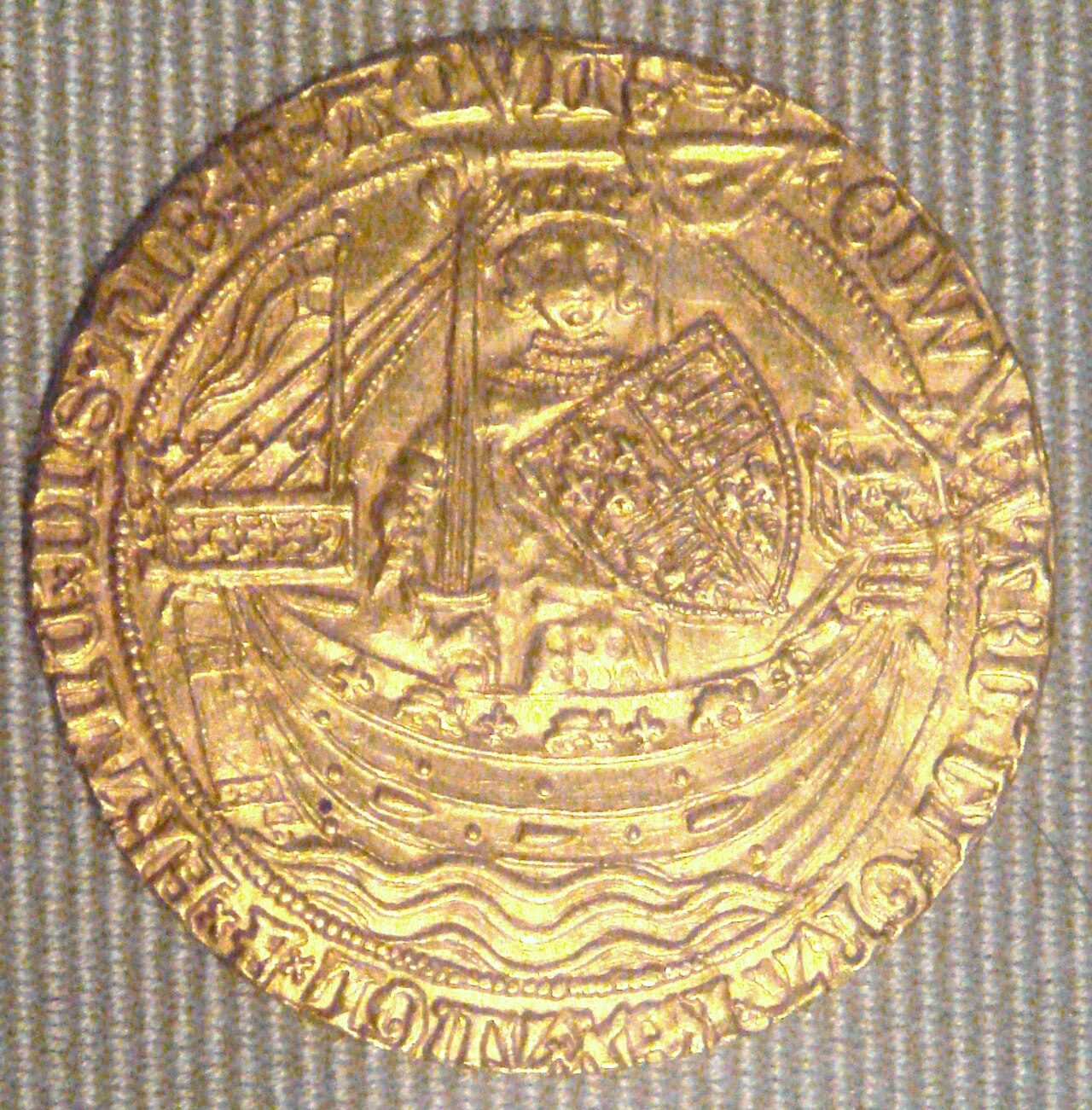
Gold Noble of Edward III
Royal Mint, Tower of London · 1344–1377
Free account
Read every Edward III source
Sign up free →
Ready when you are
Start chatting with Edward III now.
20 messages free · No credit card · Available in 50+ languages.