


Secondary sourceSculpture
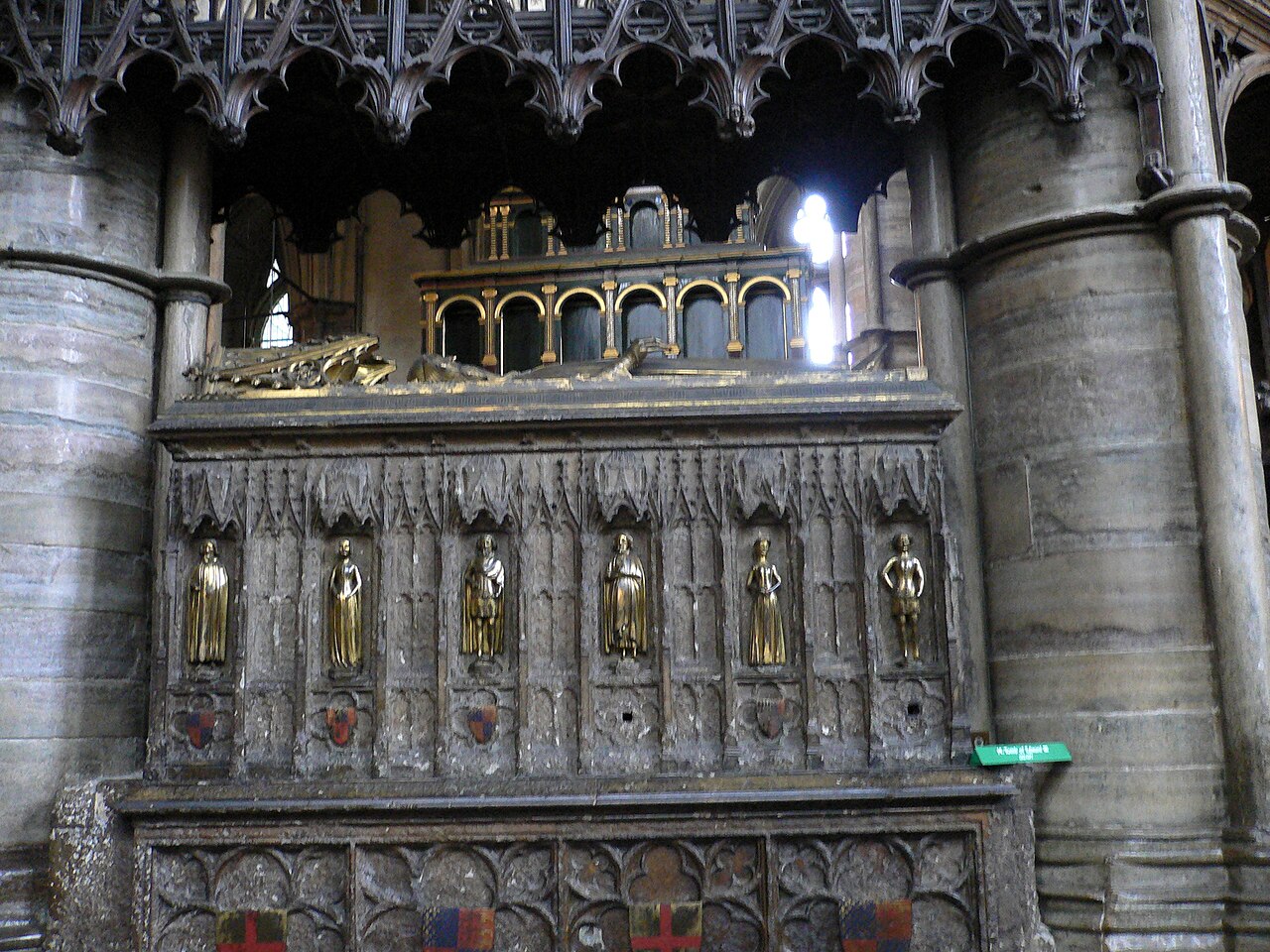
Tomb of Edward III
The gilt-bronze effigy on Edward III's tomb in Westminster Abbey, made soon after his death, is the closest surviving likeness of the aged king.
This tomb effigy, made soon after Edward III's death, is the closest surviving portrait of him in old age.
About this source
What it is
This is the tomb of King Edward III in Westminster Abbey. It holds a gilt-bronze effigy made within about a decade of his death, possibly based on his death mask. Six gilded statues of standing figures stand in niches on the tomb chest, under a gilded canopy.
Why it matters
The tomb was built for Edward III but shaped by the wishes of his grandson and successor, Richard II's court, showing how later rulers wanted the old king remembered. Because it may be based on a death mask, historians treat it as close to a real likeness rather than an idealised image.
Look closer
- Why might a king's tomb be designed to send a message to people long after his death?
- What do the other gilded figures on the tomb suggest about who Edward wanted associated with his memory?
- What can a death mask tell us, and what can it not tell us, about a person?
This sculpture is part of the curated material that grounds the AI version of Edward III on Humy.ai — when students ask about related events, the AI can quote it and cite it.
More Edward III sources
Browse all 93 →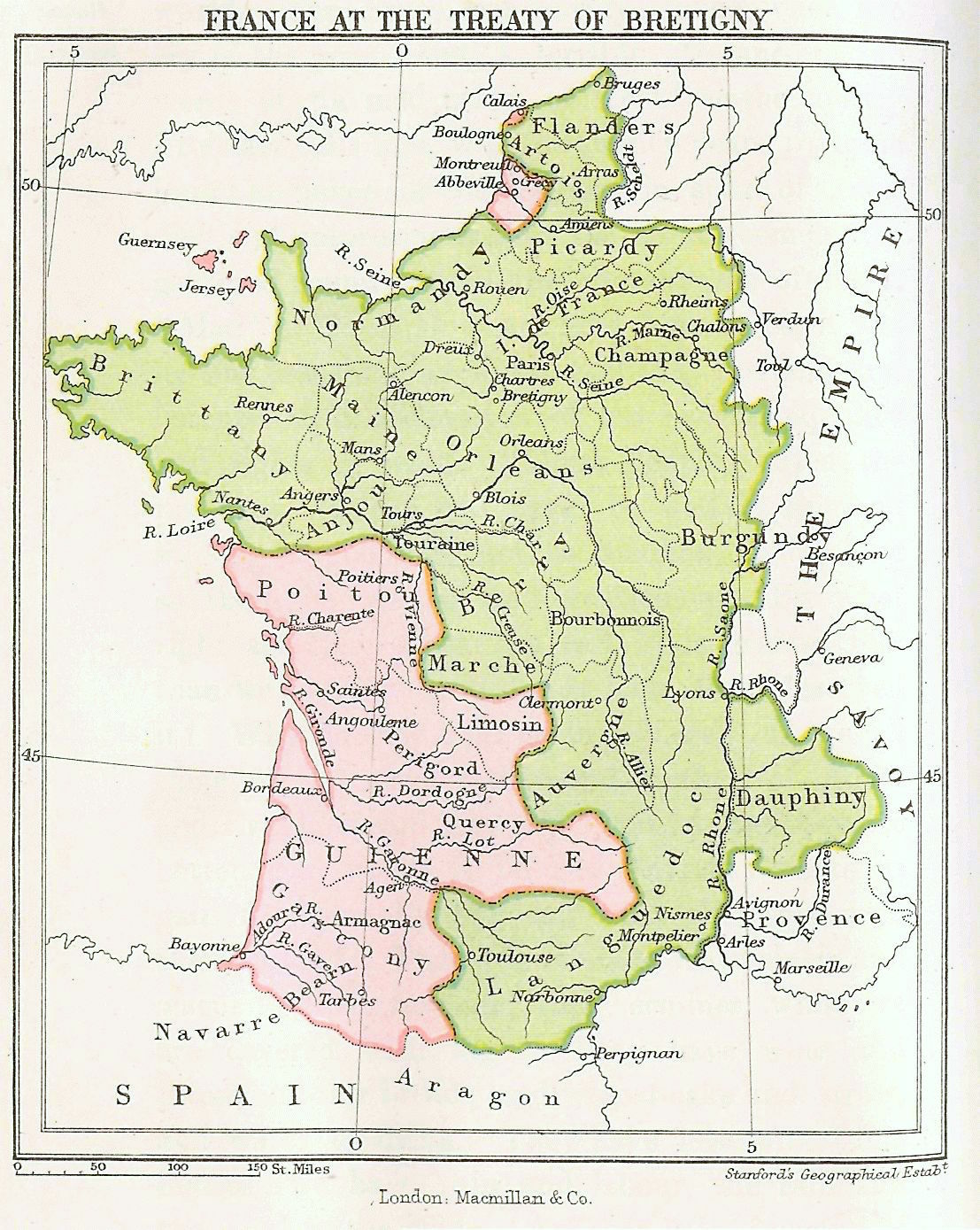 Document
Primary source
Treaty of Brétigny
1360
Primary source
Statute of Labourers 1351
1351
 Book
Secondary source
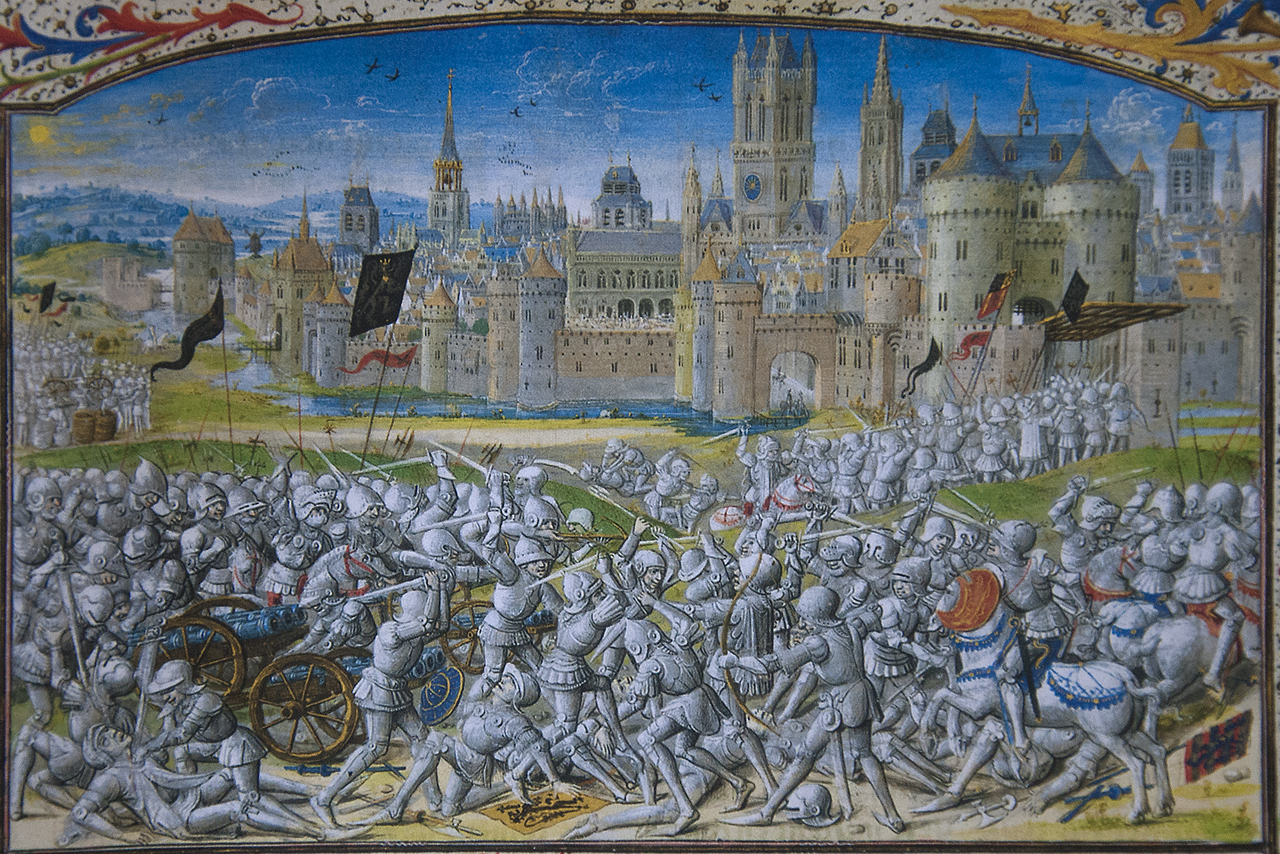
Froissart's Chronicles
Jean Froissart · 1369
 Artifact
Primary source
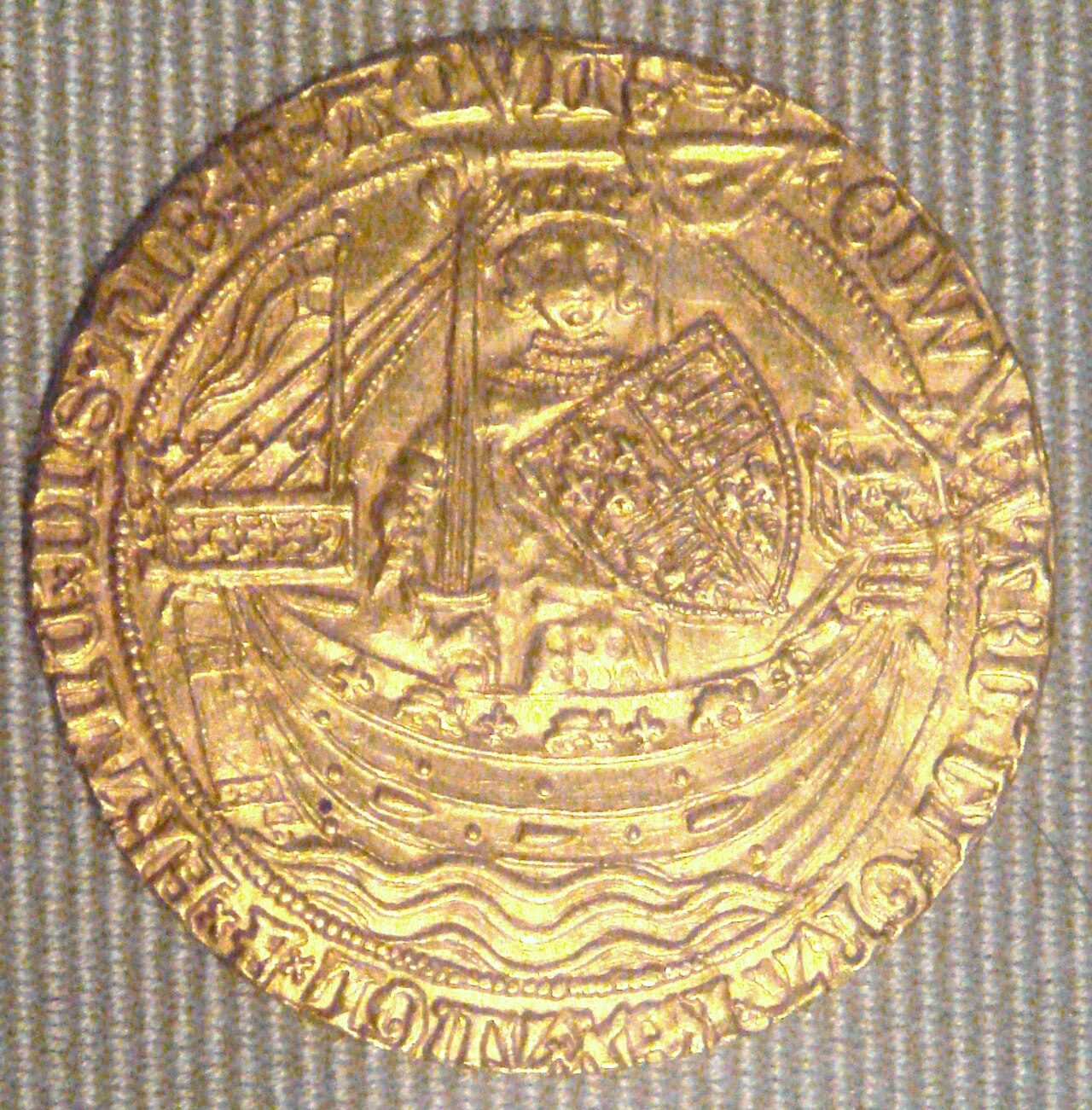
Gold Noble of Edward III
Royal Mint, Tower of London · 1344–1377
Free account
Read every Edward III source
Sign up free →
Ready when you are
Start chatting with Edward III now.
20 messages free · No credit card · Available in 50+ languages.