


Primary sourceDocument1351
Statute of Labourers 1351
1351
An English law trying to freeze wages at pre-plague levels after the Black Death caused a severe labour shortage.
This law is a direct government response to the labour shortage and social upheaval caused by the Black Death.
About this source
What it is
Passed by the Parliament of England under King Edward III in 1351, this statute tried to force workers to accept the same wages as before the Black Death and stopped them moving to find better pay elsewhere. It built on an earlier royal order from 1349.
Why it matters
The Black Death killed a large share of Europe's population, creating a severe shortage of workers. Survivors could demand higher wages, which alarmed landowners and the ruling class. This law shows how the pandemic shook the foundations of the feudal economy, even though historians debate how well it was actually enforced. It is also linked to growing tensions that fed into the Peasants' Revolt decades later.
Look closer
- Who benefited and who lost out under this law?
- What does the law's wording reveal about the fears of the people who wrote it?
- Why might a law be poorly enforced even after it is formally passed?
This document is part of the curated material that grounds the AI version of The Black Death on Humy.ai — when students ask about related events, the AI can quote it and cite it.
More The Black Death sources
Meet the AI The Black Death →Secondary source
The Decameron
Giovanni Boccaccio · 1351
 Painting
Primary source
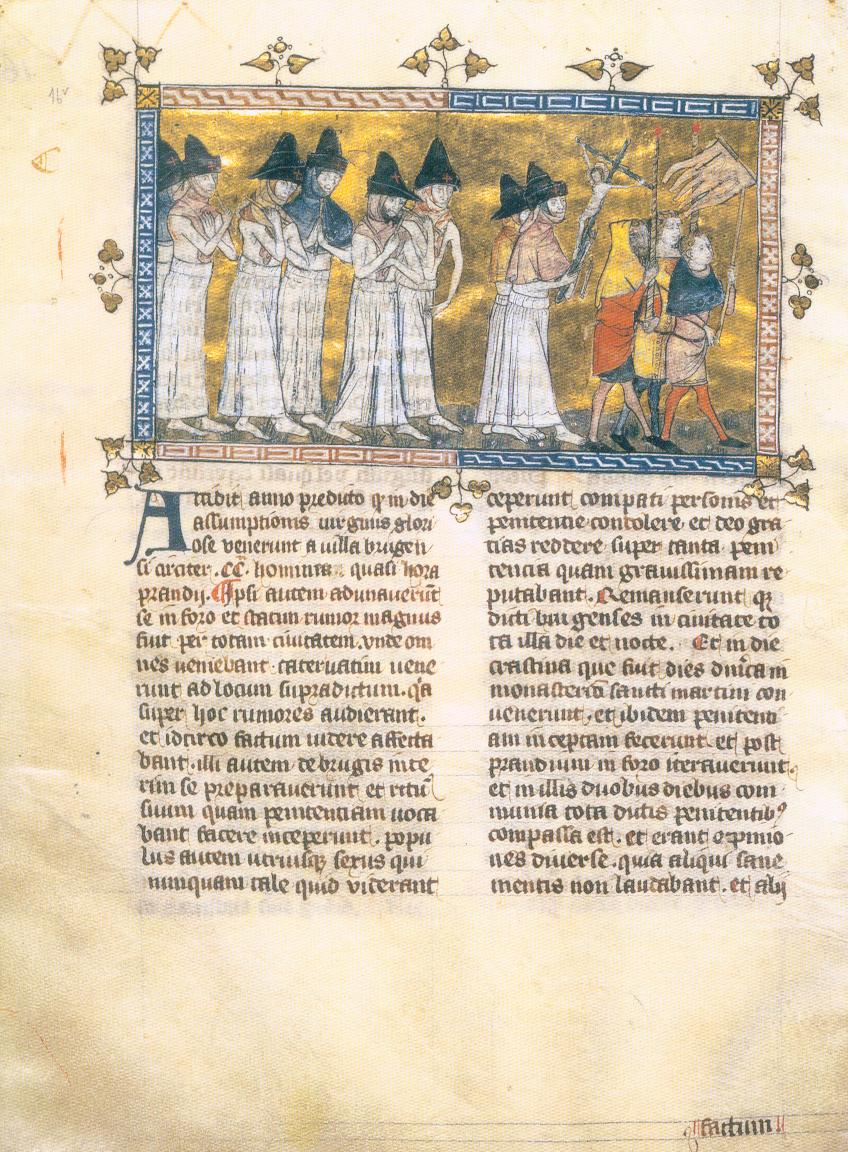
Depiction of the Flagellant Processions
Pierart dou Tielt · c. 1350
 Painting
Primary source
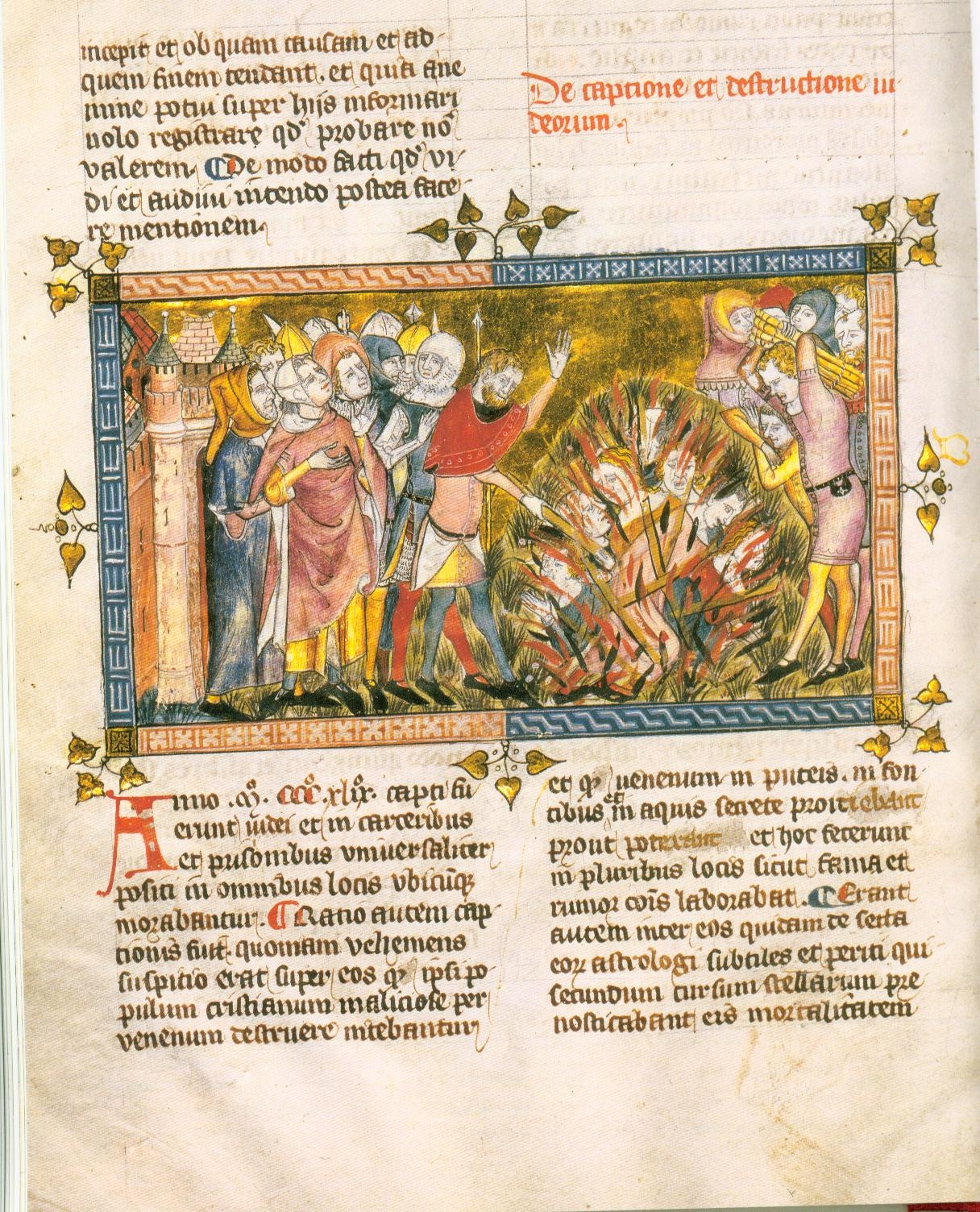
Execution of Jews
c. 1350
 Book
Primary source
The Annals of Ireland by Friar John Clyn
John Clyn · 1348-1349
 Artifact
Primary source
Erfurt Treasure
buried 1349, found 1998
Ready when you are
Start chatting with The Black Death now.
20 messages free · No credit card · Available in 50+ languages.