


Secondary sourceBook1351
The Decameron
Giovanni Boccaccio · 1351
A 14th-century collection of short stories by Giovanni Boccaccio that praises Giotto as the painter who revived the art of painting.
Boccaccio's frame story and opening description give a near-contemporary account of the Black Death's impact on Florence.
About this source
What it is
The Decameron is a collection of one hundred short stories written by the Italian author Giovanni Boccaccio, likely composed between 1348 and 1353. The tales are told by a group of young men and women who have fled plague-stricken Florence for a country villa. Written in the Florentine vernacular rather than Latin, it is considered a landmark of early Italian prose.
Why it matters
Within the stories, Boccaccio describes Giotto, praising him for bringing painting "back to light" after it had declined for centuries, and describes his wit alongside his plain appearance. This shows how, within a generation of his death, Giotto was already remembered as a turning point in the history of art, admired as much for his personality as for his paintings. The book as a whole is also a rich document of everyday life, attitudes, and humor in fourteenth-century Italy.
Look closer
- Why might a writer like Boccaccio choose to include a painter's personality in a book of stories rather than just his art?
- What does it suggest about Giotto's reputation if people were already praising him soon after he worked?
- How might stories like this shape how later generations remembered historical figures?
This book is part of the curated material that grounds the AI version of The Black Death on Humy.ai — when students ask about related events, the AI can quote it and cite it.
More The Black Death sources
Meet the AI The Black Death →Primary source
Statute of Labourers 1351
1351
 Painting
Primary source
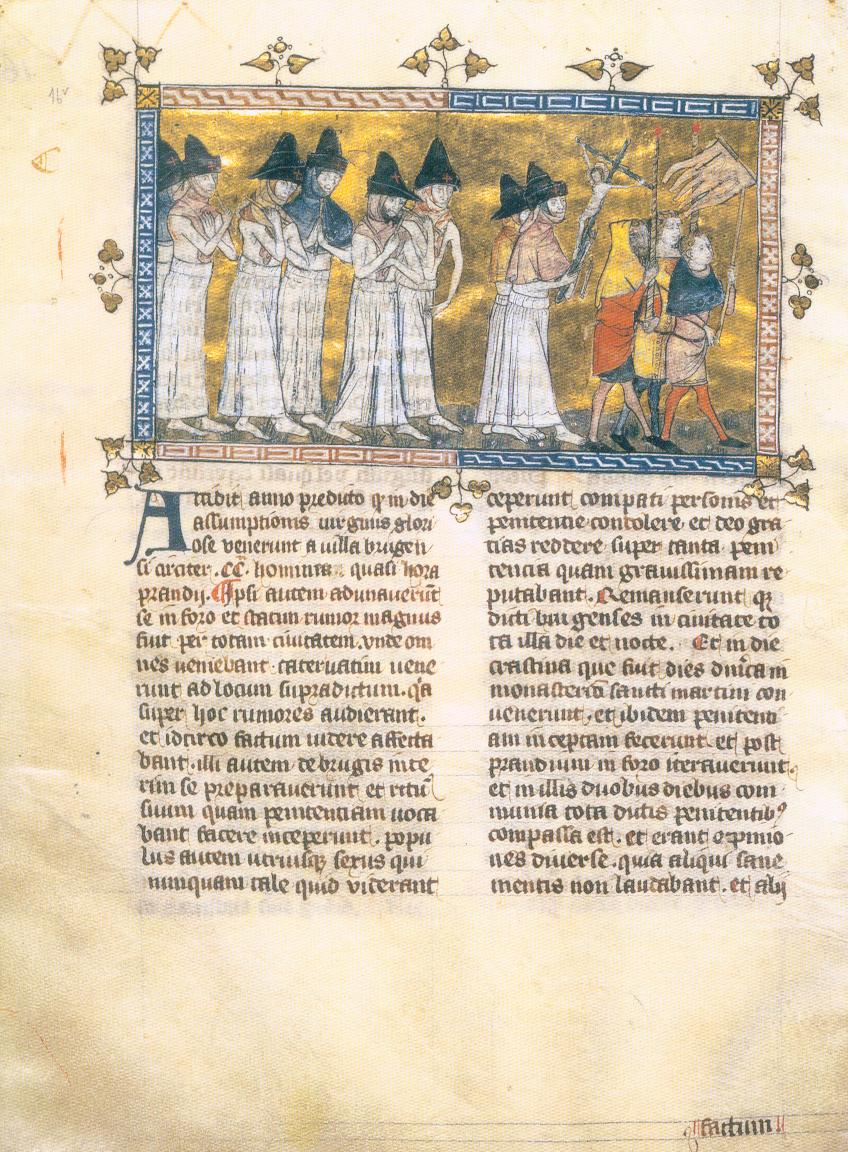
Depiction of the Flagellant Processions
Pierart dou Tielt · c. 1350
 Painting
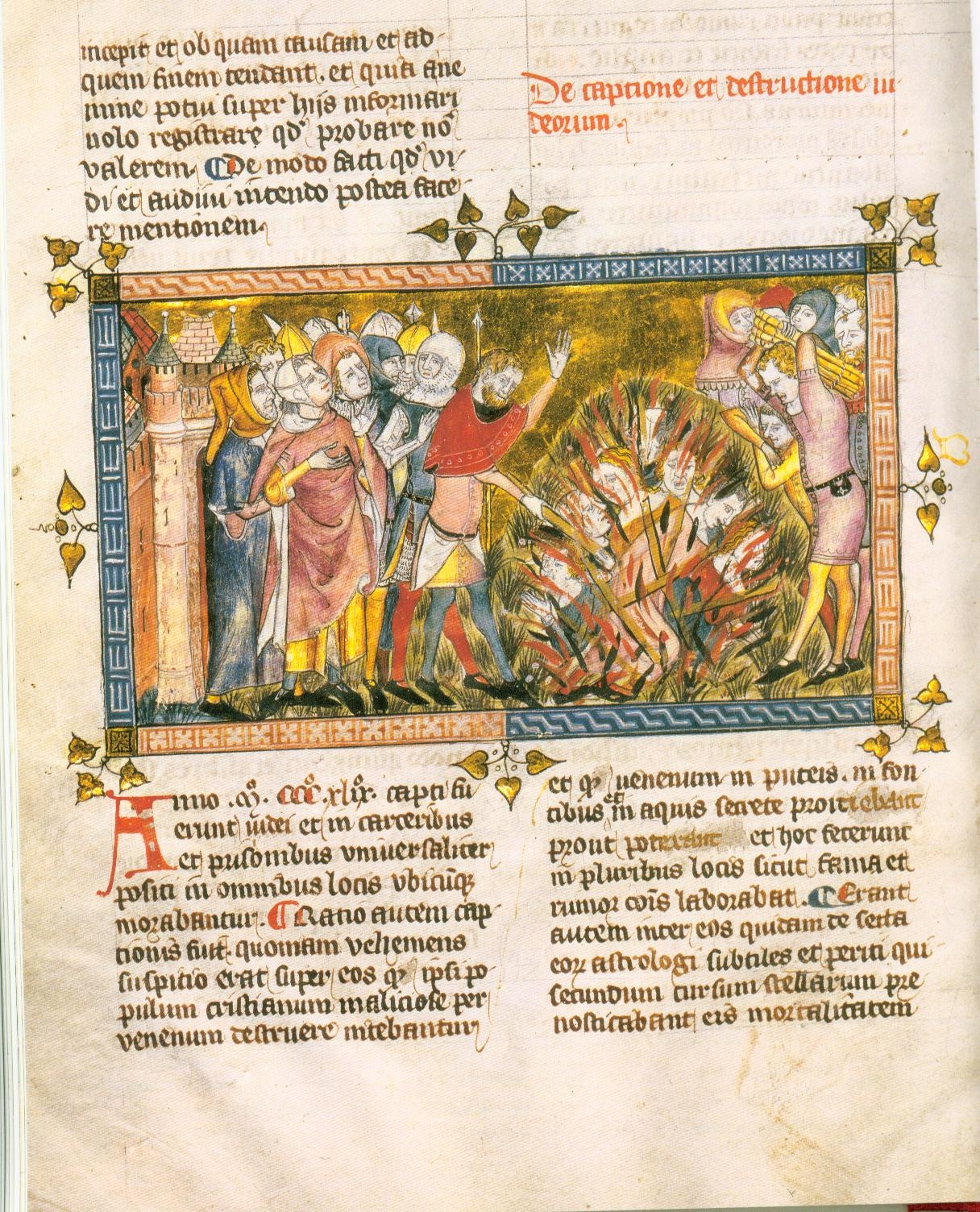
Primary source
Execution of Jews
c. 1350
 Book
Primary source
The Annals of Ireland by Friar John Clyn
John Clyn · 1348-1349
 Artifact
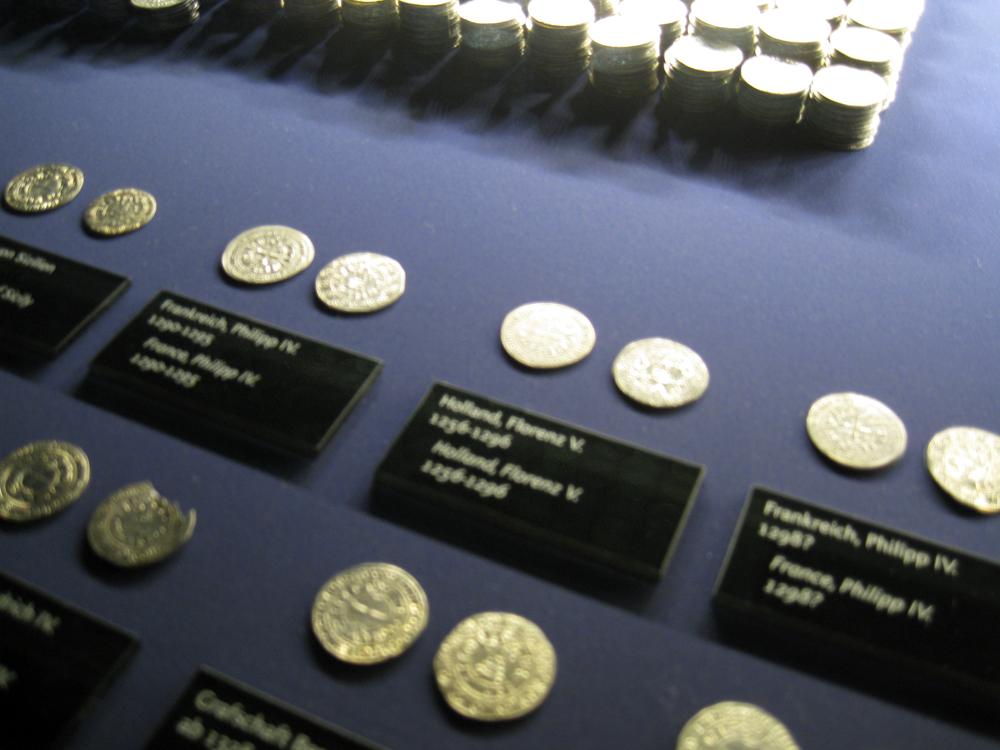
Primary source
Erfurt Treasure
buried 1349, found 1998
Ready when you are
Start chatting with The Black Death now.
20 messages free · No credit card · Available in 50+ languages.