


Primary sourceArtifactburied 1349, found 1998
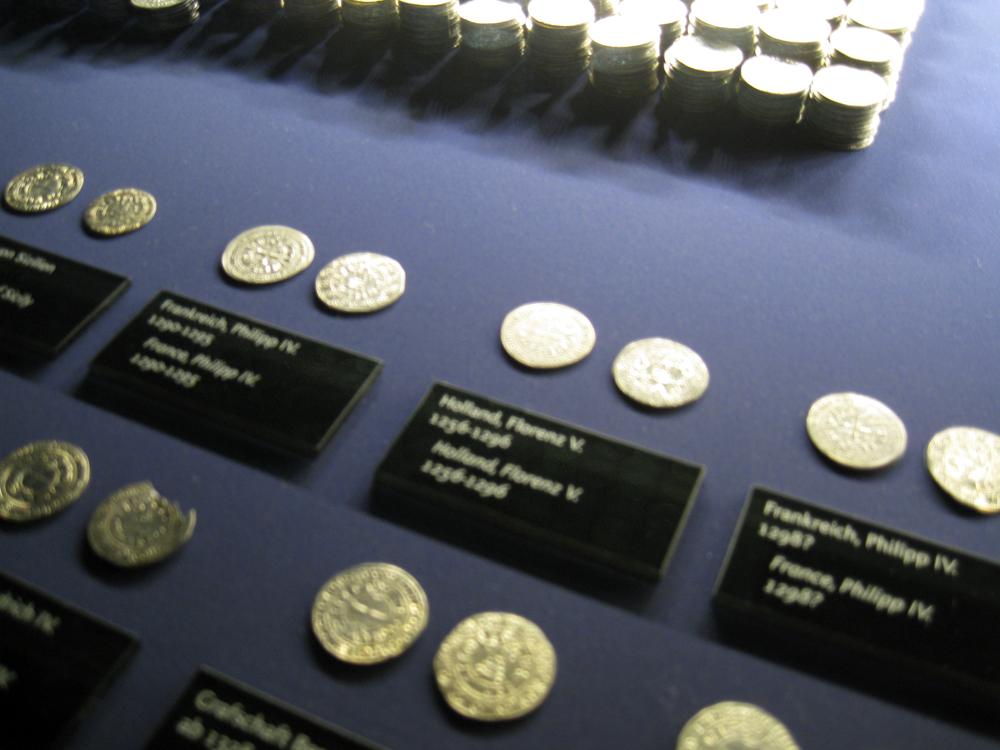
Erfurt Treasure
buried 1349, found 1998
A hoard of coins, jewellery and silverware belonging to a Jewish family of Erfurt, hidden in 1349 before its owners perished in a plague-era massacre.
Material evidence of the violent persecution of Jewish communities blamed for spreading the Black Death.
About this source
What it is
The Erfurt Treasure is a large hoard of silver coins, ingots, silver tableware, and gold jewellery, including a rare Jewish wedding ring. It is believed to have belonged to a Jewish moneychanger of Erfurt, Germany, who hid it in 1349. The hoard was discovered by archaeologists in 1998 in a cellar wall and is now displayed in the Old Synagogue museum in Erfurt.
Why it matters
The treasure is linked to the Black Death because its owner is believed to have died in the Erfurt massacre of 1349, one of many violent persecutions of Jewish communities blamed for the plague across Europe. The objects show the wealth and craftsmanship of a medieval Jewish community suddenly destroyed by panic and violence during the pandemic.
Look closer
- Why would someone hide their valuables rather than carry them away?
- What does the quality of the jewellery tell you about the people who owned it?
- Why do you think Jewish communities were blamed for the plague?
This artifact is part of the curated material that grounds the AI version of The Black Death on Humy.ai — when students ask about related events, the AI can quote it and cite it.
More The Black Death sources
Meet the AI The Black Death →Secondary source
The Decameron
Giovanni Boccaccio · 1351
Primary source
Statute of Labourers 1351
1351
 Painting
Primary source
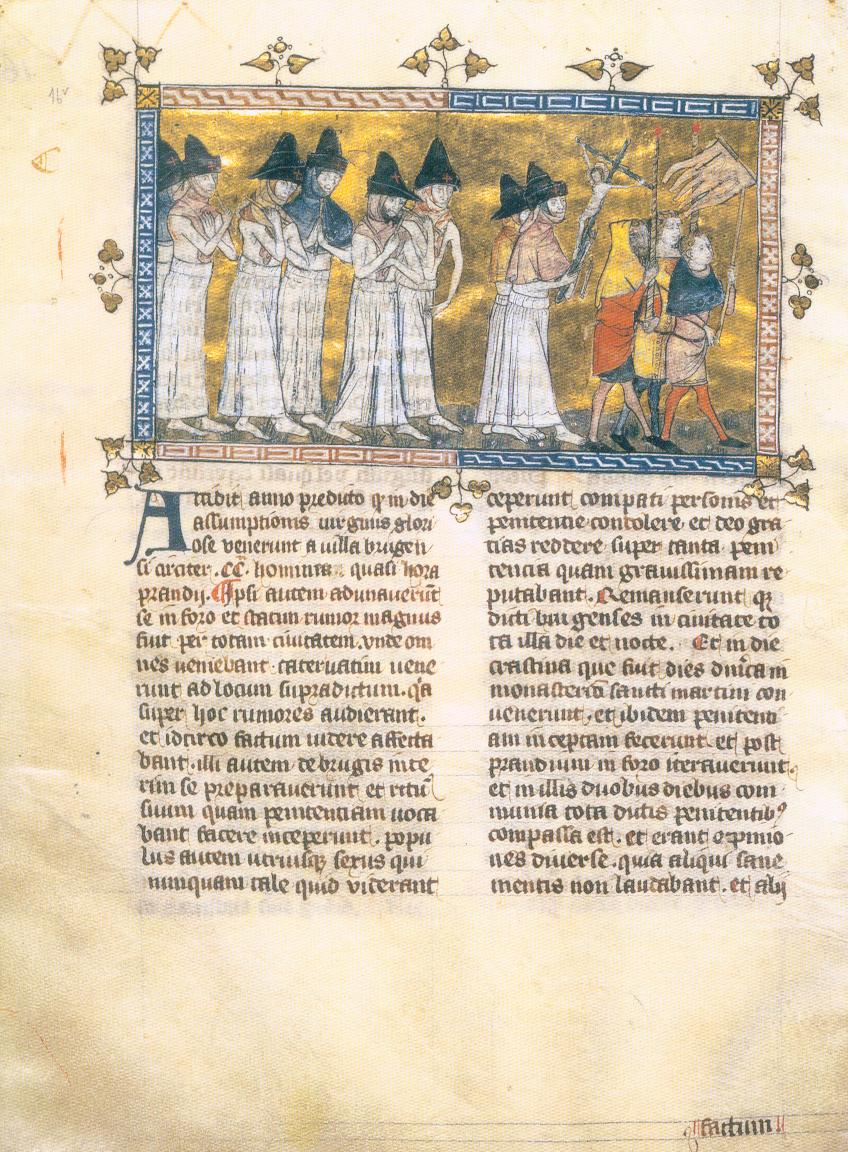
Depiction of the Flagellant Processions
Pierart dou Tielt · c. 1350
 Painting
Primary source
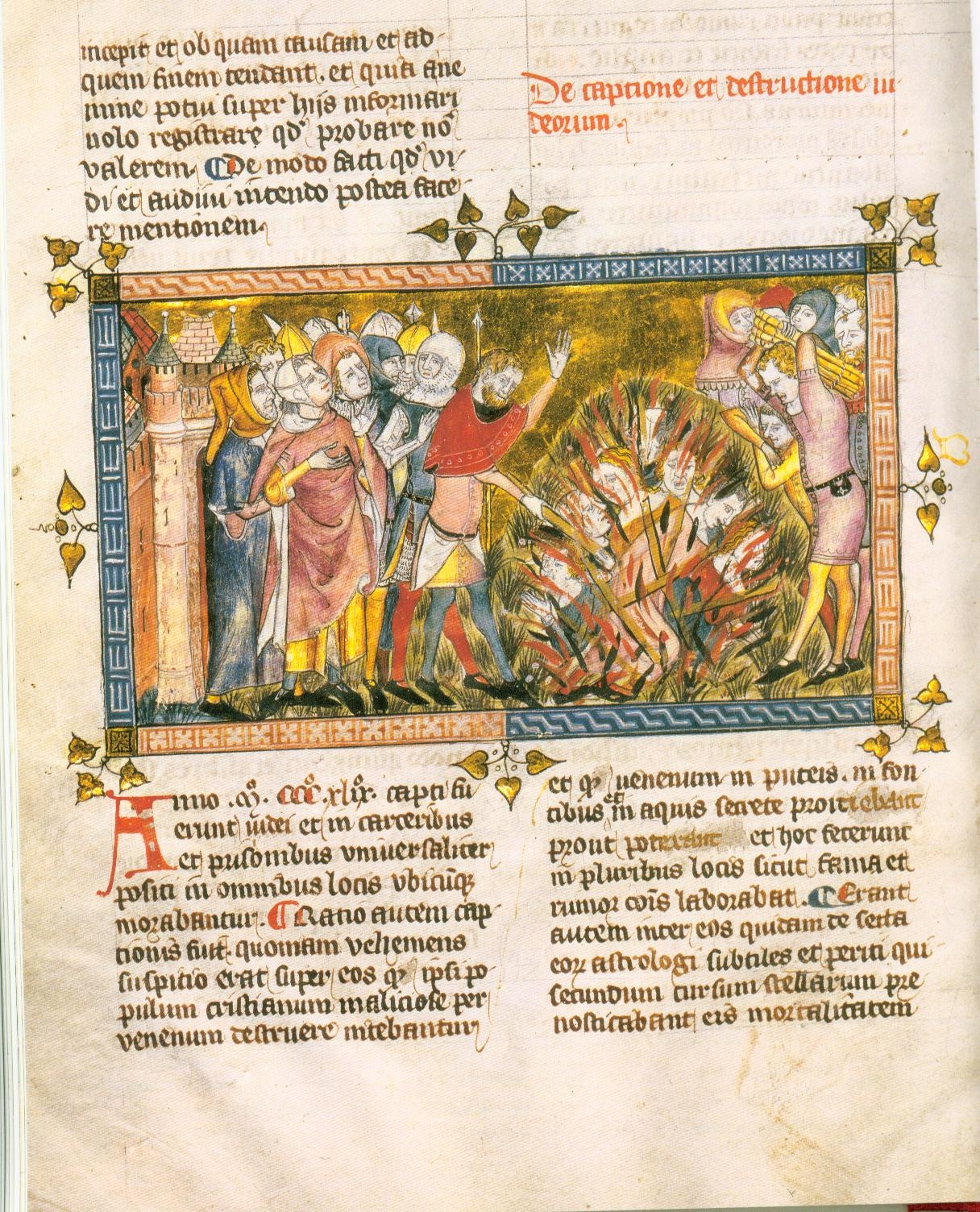
Execution of Jews
c. 1350
 Book
Primary source
The Annals of Ireland by Friar John Clyn
John Clyn · 1348-1349
Ready when you are
Start chatting with The Black Death now.
20 messages free · No credit card · Available in 50+ languages.