


Primary sourceArtifactearly 3rd–2nd century BCE
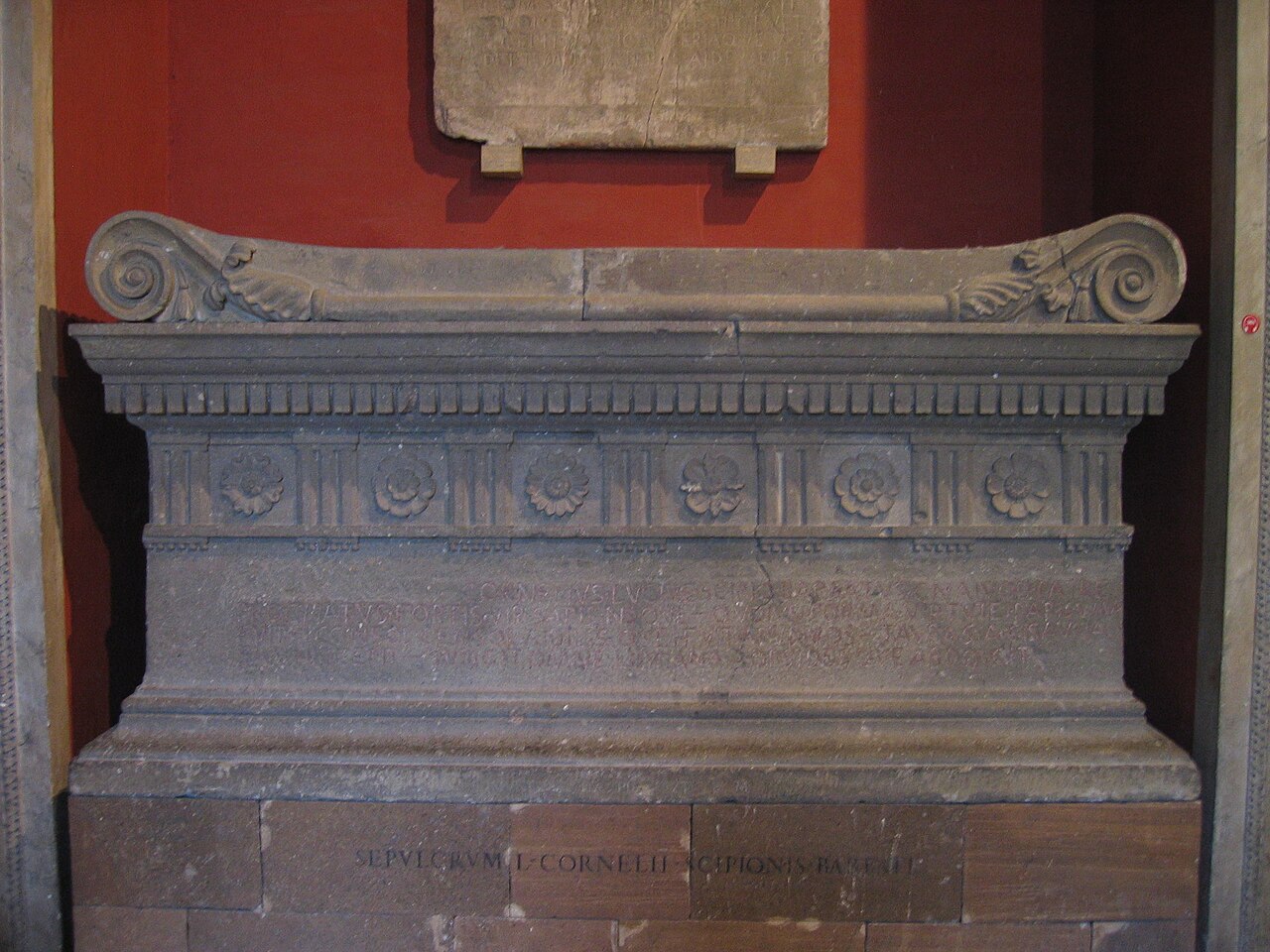
Tomb of the Scipios
Cornelii Scipiones family · early 3rd–2nd century BCE
The family tomb of the Cornelii Scipiones on the Via Appia in Rome, showing the aristocratic traditions that shaped Scipio Africanus, who may not himself be buried there.
The family tomb reflects the aristocratic values of the Cornelii Scipiones that shaped Scipio Africanus, though he was reportedly buried elsewhere.
About this source
What it is
This photograph shows part of the Tomb of the Scipios, the burial complex of the Cornelii Scipiones family on the Via Appia in Rome, built from the early 3rd to 2nd century BC. It contains early Latin inscriptions honoring family members.
Why it matters
The tomb reveals the pride and public image the Cornelii Scipiones family built for itself through inscriptions praising ancestors' deeds. Although ancient writers like Livy say Scipio Africanus himself was buried elsewhere, the tomb shows the family culture of honor and achievement that shaped him.
Look closer
- Why would a family build such an elaborate shared tomb with inscriptions?
- What does it suggest if Scipio chose not to be buried there?
- What can inscriptions on a tomb tell us about values that mattered to a family?
This artifact is part of the curated material that grounds the AI version of Scipio Africanus on Humy.ai — when students ask about related events, the AI can quote it and cite it.
More Scipio Africanus sources
Browse all 94 → Book
Secondary source
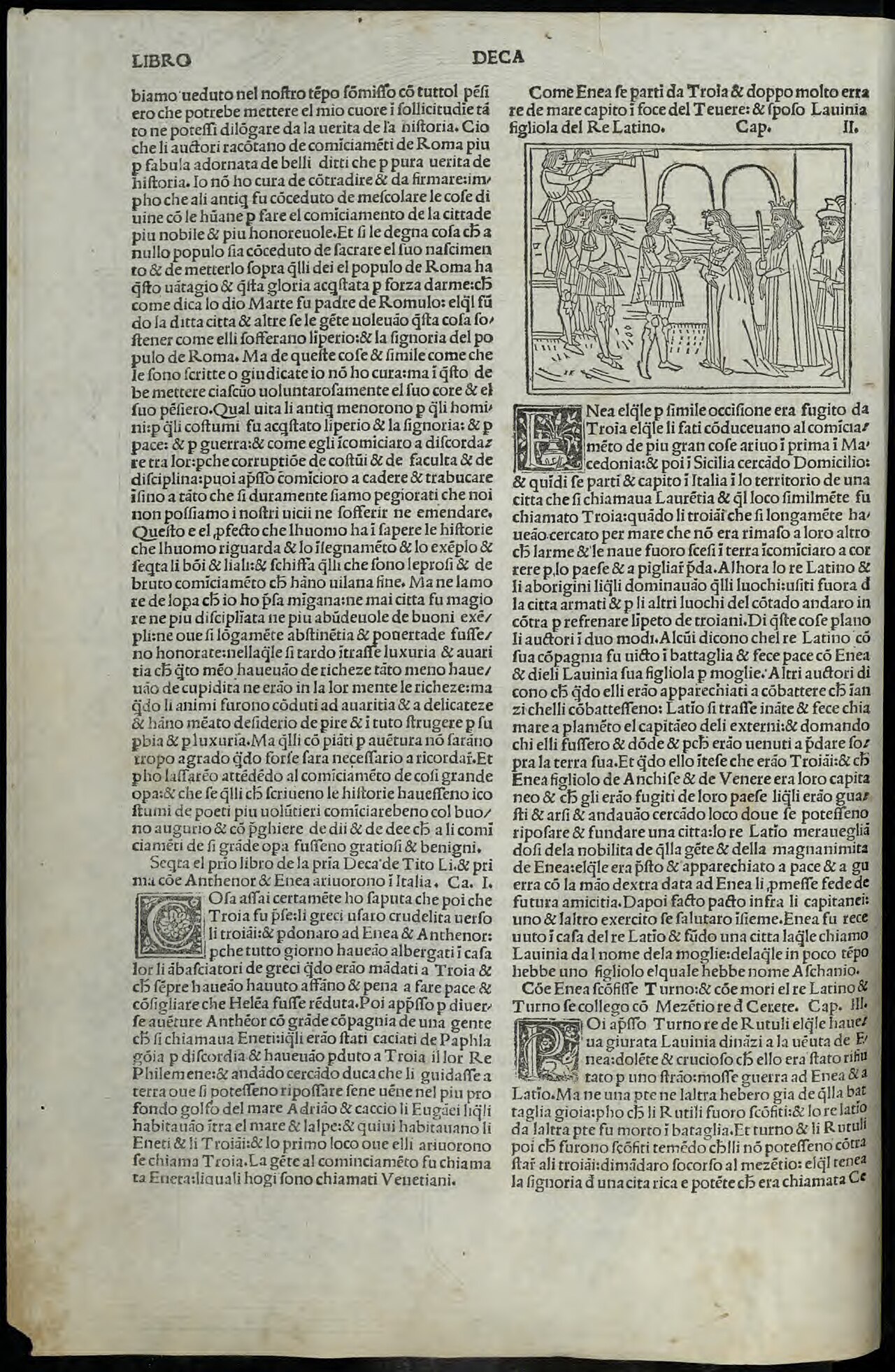
The Histories
Polybius · c. 150 BCE
 Book
Primary source
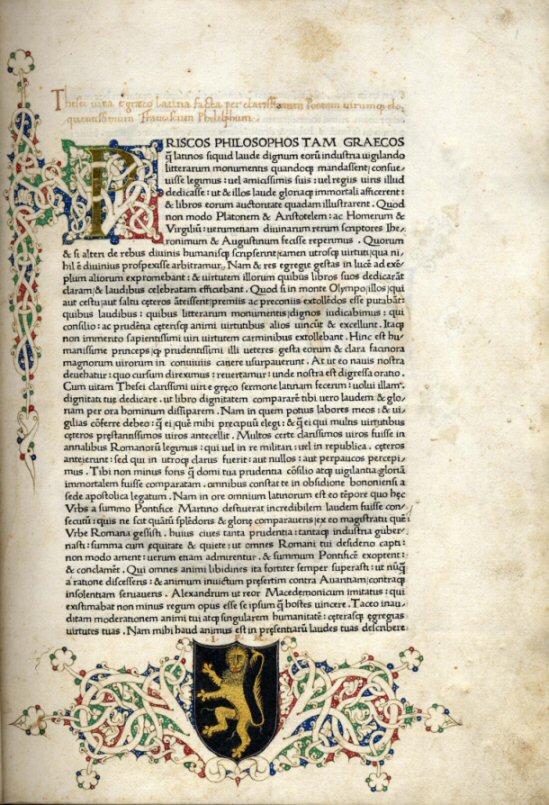
History of Rome
Titus Livius · 27-9 BC
 Book
Secondary source
Parallel Lives
Plutarch · c. 100-120 AD
 Letter
Primary source
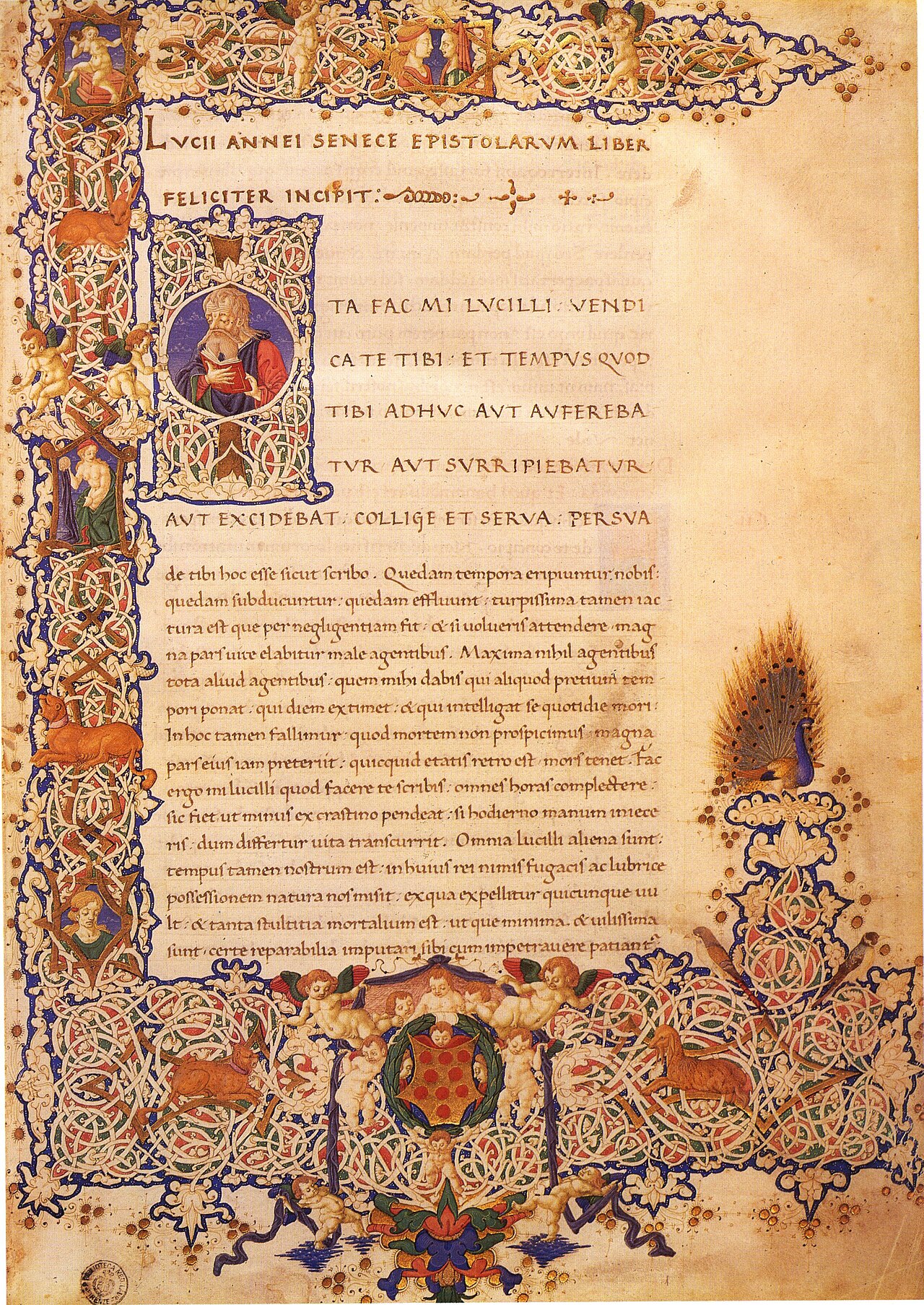
Epistulae Morales ad Lucilium
Seneca · c. 62-65 CE
Free account
Read every Scipio Africanus source
Sign up free →
Ready when you are
Start chatting with Scipio Africanus now.
20 messages free · No credit card · Available in 50+ languages.