


Secondary sourceArtifactc. 1100 (traditional attribution); engraving 1743-47
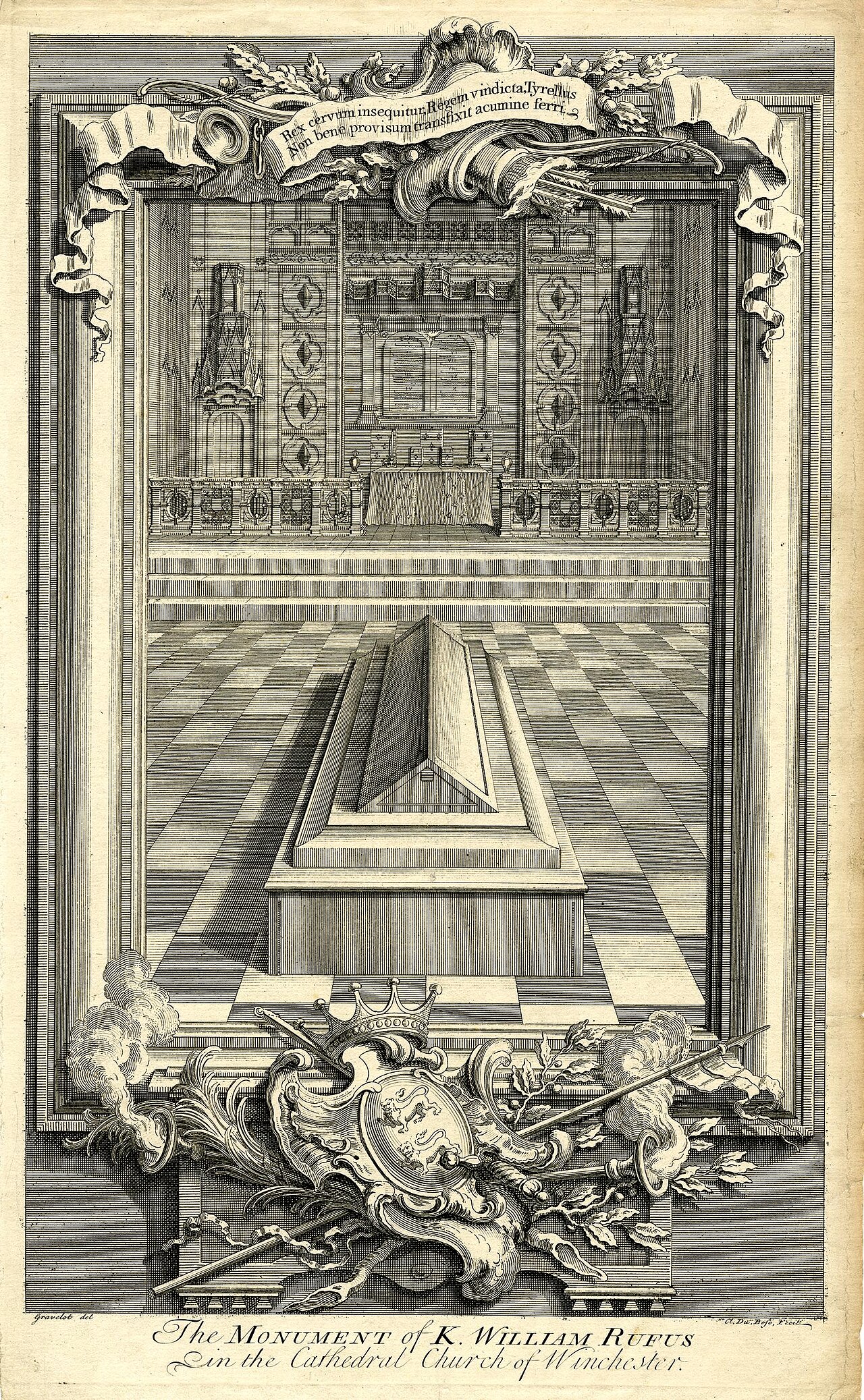
Tomb of William Rufus, Winchester Cathedral
c. 1100 (traditional attribution); engraving 1743-47
A plain marble tomb in Winchester Cathedral traditionally identified as the burial place of William II, shown here in an 18th-century engraving.
This tomb is traditionally identified as the burial place of William II after his sudden death.
About this source
What it is
This is a traditional tomb in Winchester Cathedral, made of plain marble, said to mark the burial of William II (William Rufus) after his death around 1100. The image shown is an engraved print from a later 18th-century history book, depicting the casket tomb in the cathedral's nave.
Why it matters
The hasty, plain nature of the tomb reflects the sudden circumstances of Rufus's death and burial. Chroniclers later claimed that a tower above the tomb collapsed in 1107, which they read as a judgement on the king, showing how medieval writers linked disasters to moral verdicts on rulers they disapproved of.
Look closer
- Why might a king be buried so plainly compared to other royal tombs?
- What does the later story of the tower's collapse reveal about how people explained misfortune in this period?
- How does an 18th-century engraving differ from a direct record of the medieval tomb itself?
This artifact is part of the curated material that grounds the AI version of William II of England on Humy.ai — when students ask about related events, the AI can quote it and cite it.
More William II of England sources
Browse all 71 →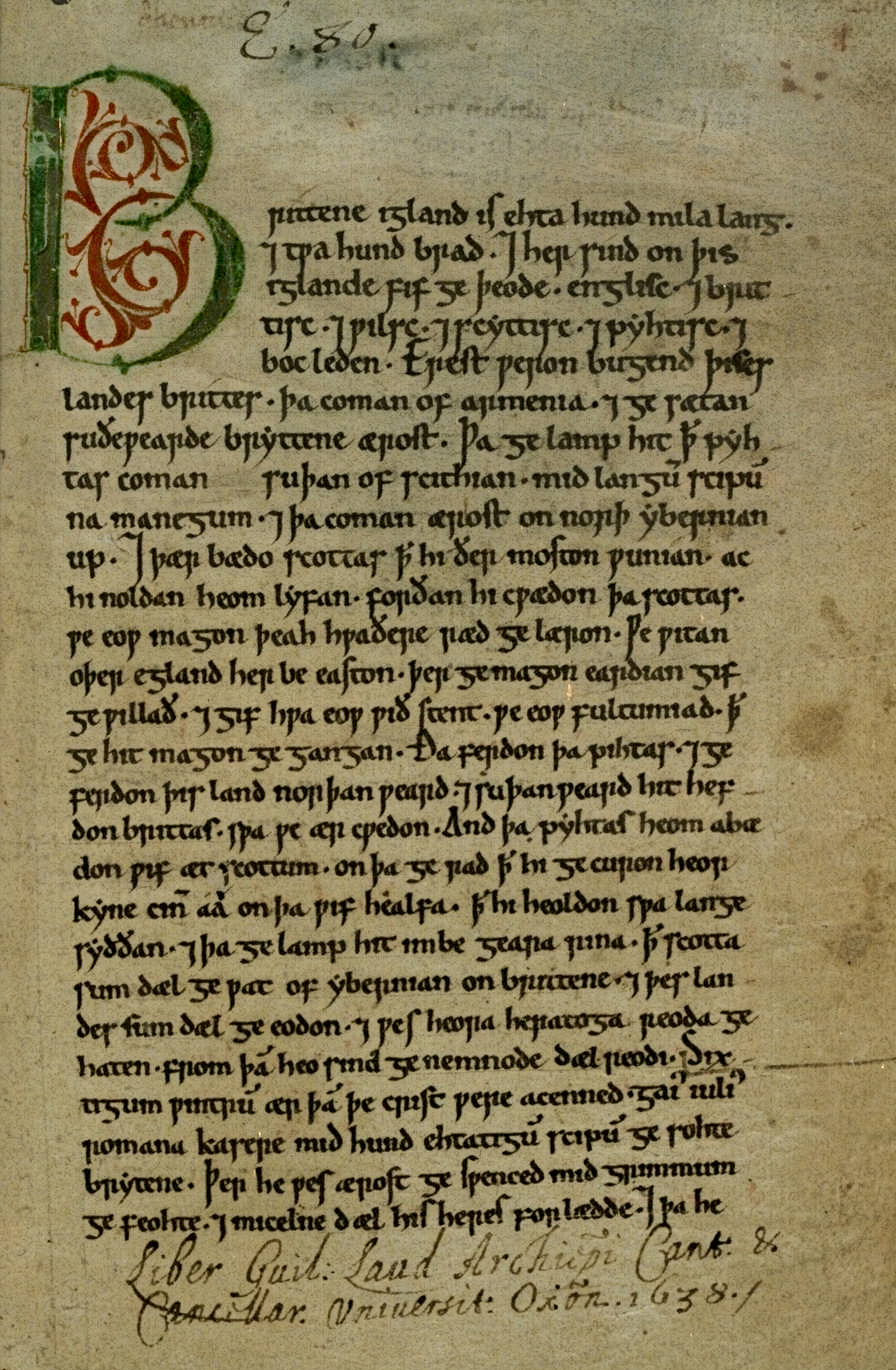 Book
Primary source
Peterborough Chronicle
c. 1130
 Artifact
Primary source
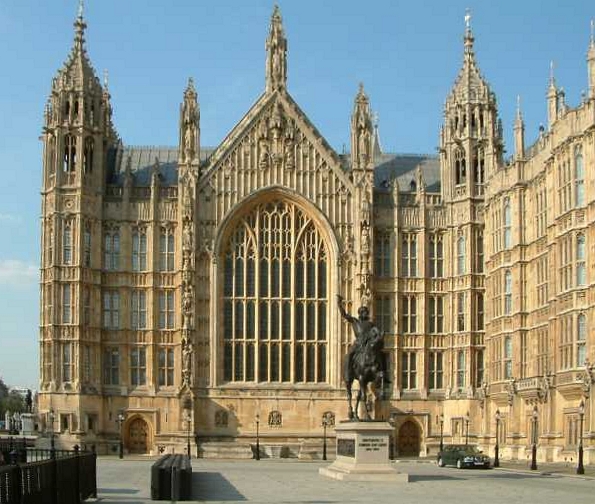
Westminster Hall
built 1097-1099, remodelled 1393
 Artifact
Primary source
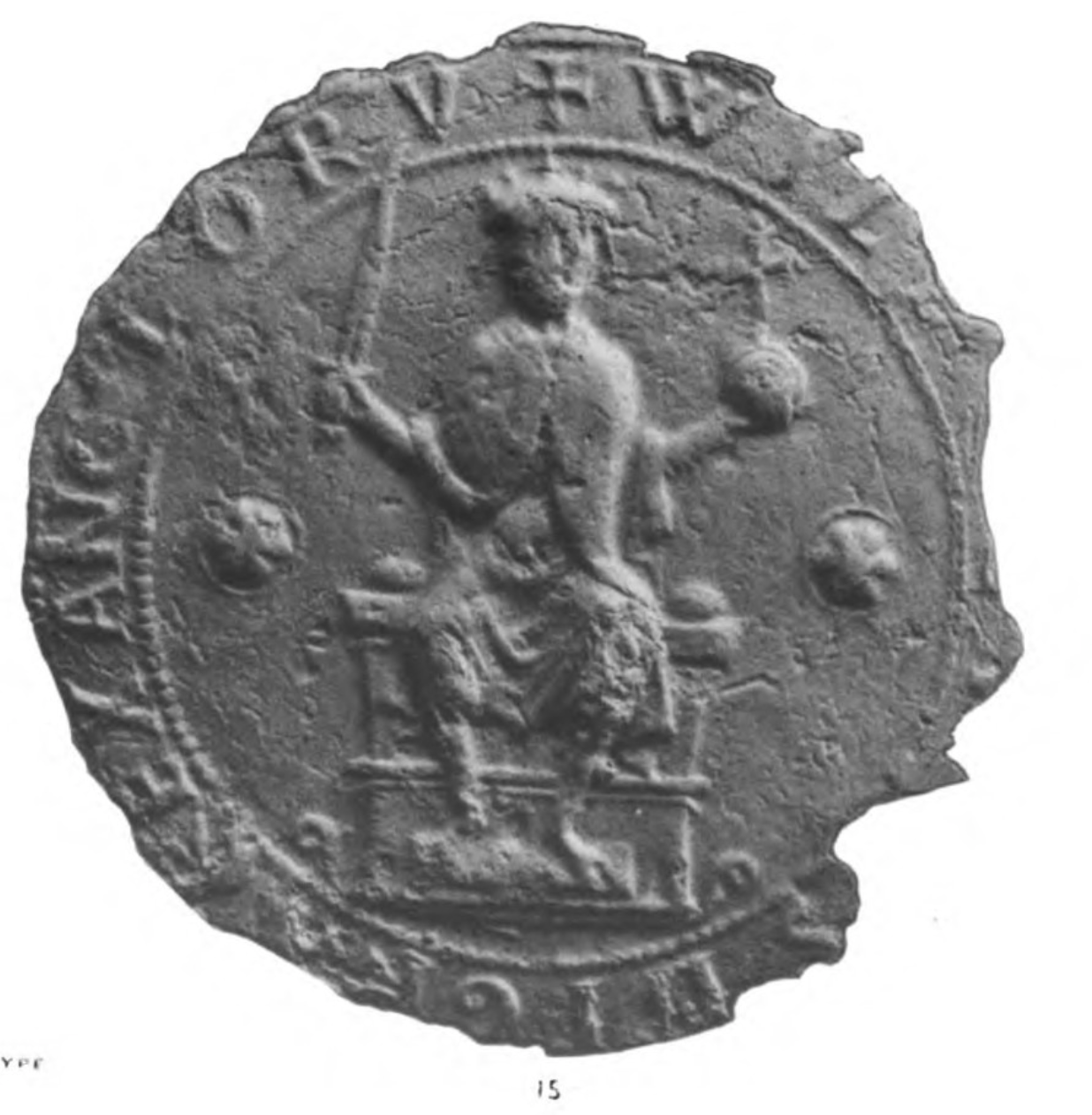
Great Seal of William II
Royal chancery of William II · c. 1087–1100
 Artifact
Primary source
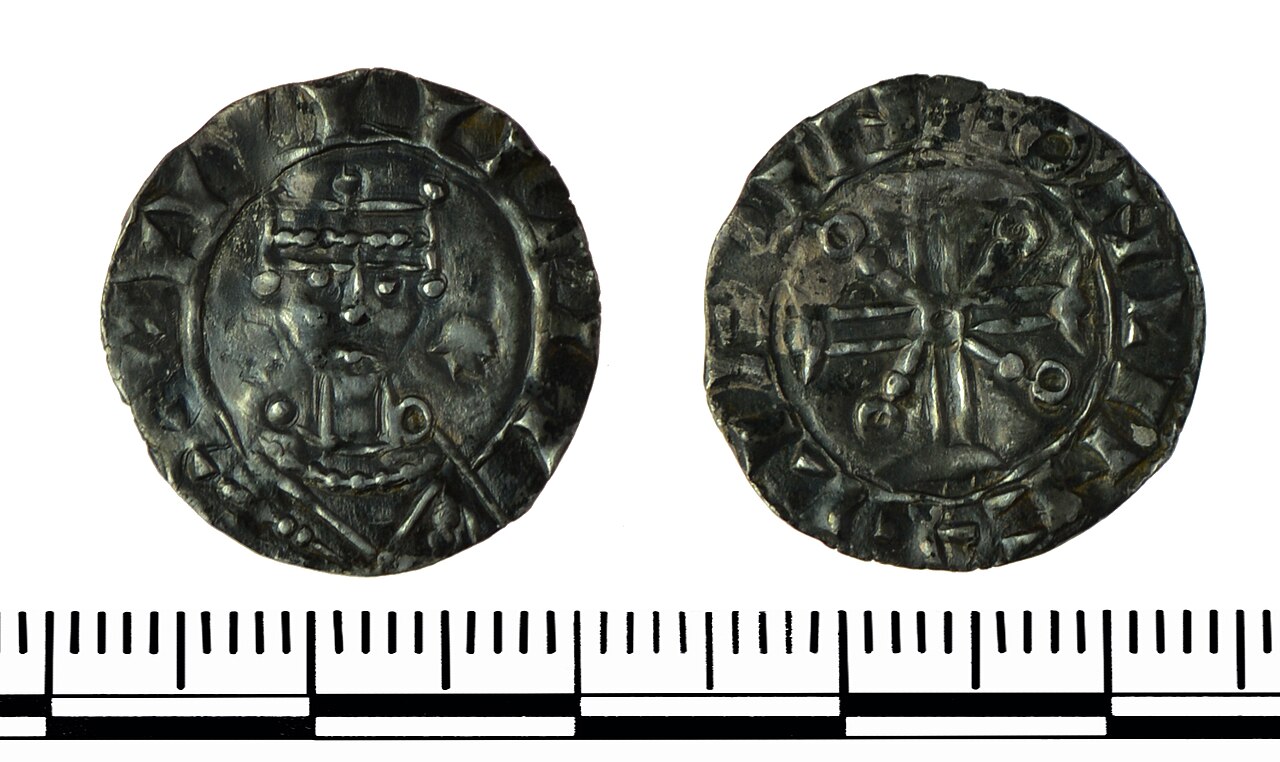
Silver pennies of William II
Royal moneyers under William II · 1087–1100

Free account
Read every William II of England source
Sign up free →
Ready when you are
Start chatting with William II of England now.
20 messages free · No credit card · Available in 50+ languages.