


Secondary sourcePhotograph1832
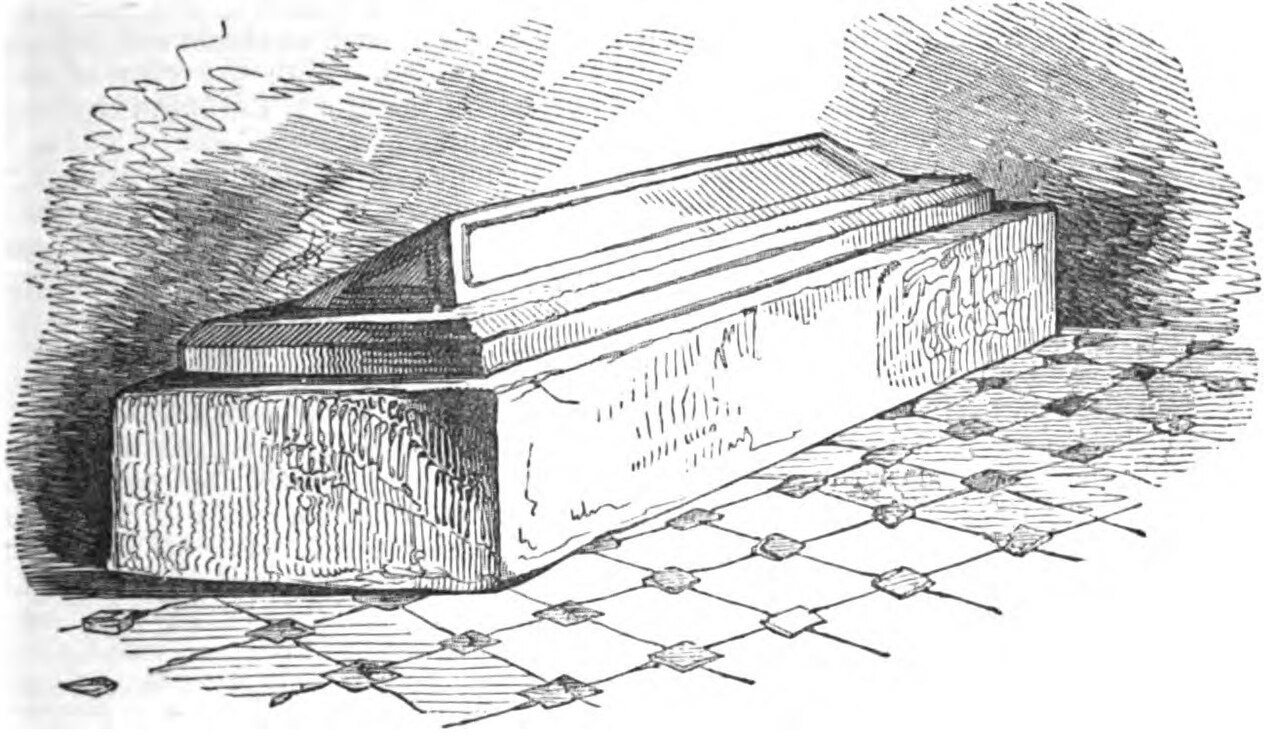
Tomb of William Rufus, Winchester Cathedral
Robert Chambers · 1832
An 1832 engraving recording the stone tomb attributed to William Rufus in Winchester Cathedral as it appeared before later changes.
This engraving records the tomb traditionally attributed to William Rufus in Winchester Cathedral.
About this source
What it is
This is a black-and-white engraving from 1832, published in a book by Robert Chambers, showing the tomb chest in Winchester Cathedral that is attributed to King William II (Rufus). The image records the tomb's appearance at that date, before any later alterations.
Why it matters
This engraving is not the tomb itself, but a historical illustration made over 700 years after Rufus's death. It is useful because it preserves what the monument looked like in the 19th century, allowing comparison with its appearance today. It is a reminder that memorials to historical figures are themselves objects with their own history, shaped and reshaped long after the person they commemorate has died.
Look closer
- Why might an artist in 1832 want to record the appearance of a medieval tomb?
- What can and can't a plain stone tomb chest tell us about the person buried beneath it?
- Why is it useful for historians to have images of monuments from different periods?
This photograph is part of the curated material that grounds the AI version of William II of England on Humy.ai — when students ask about related events, the AI can quote it and cite it.
More William II of England sources
Browse all 71 →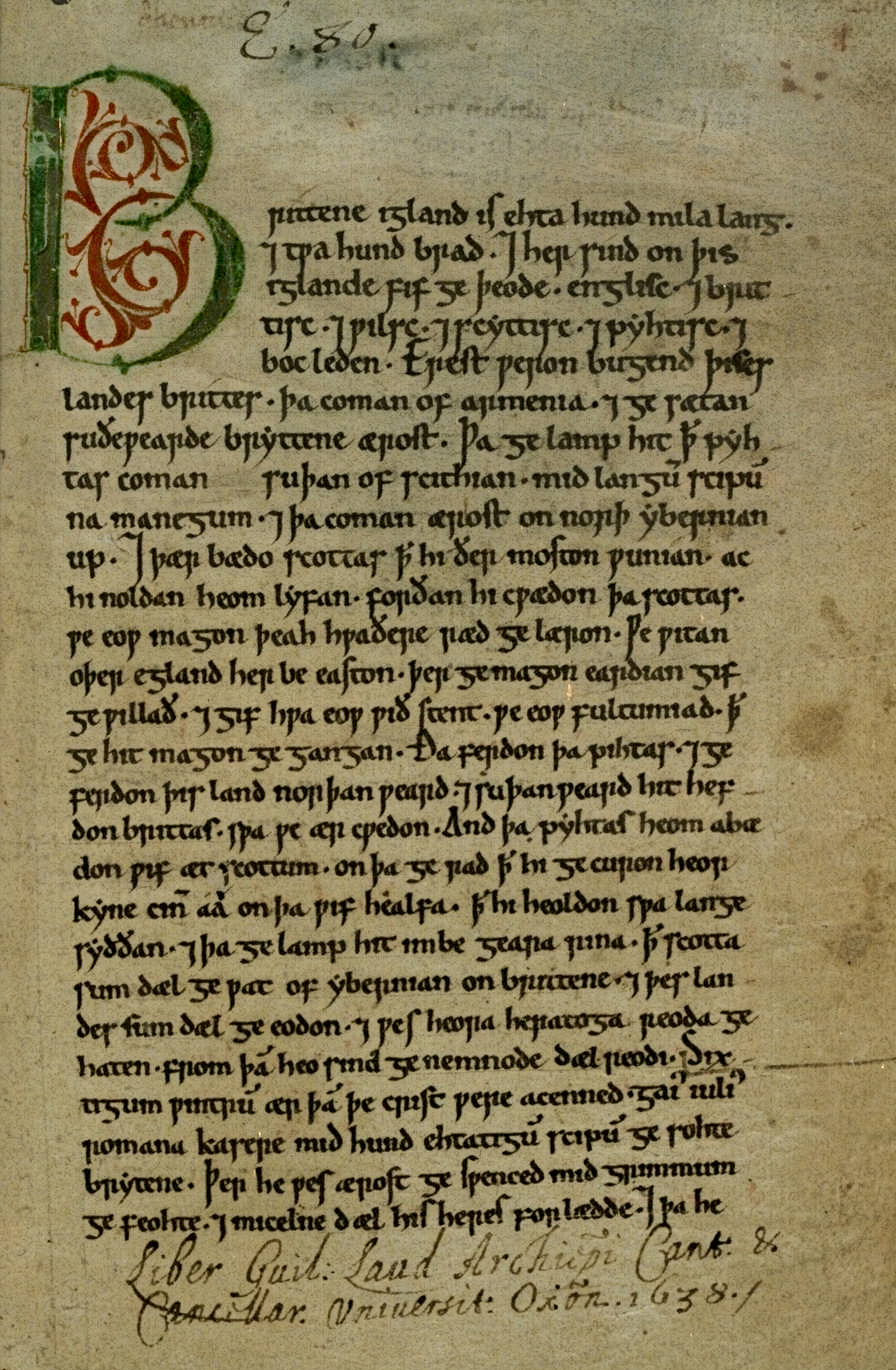 Book
Primary source
Peterborough Chronicle
c. 1130
 Artifact
Primary source
Westminster Hall
built 1097-1099, remodelled 1393
 Artifact
Primary source
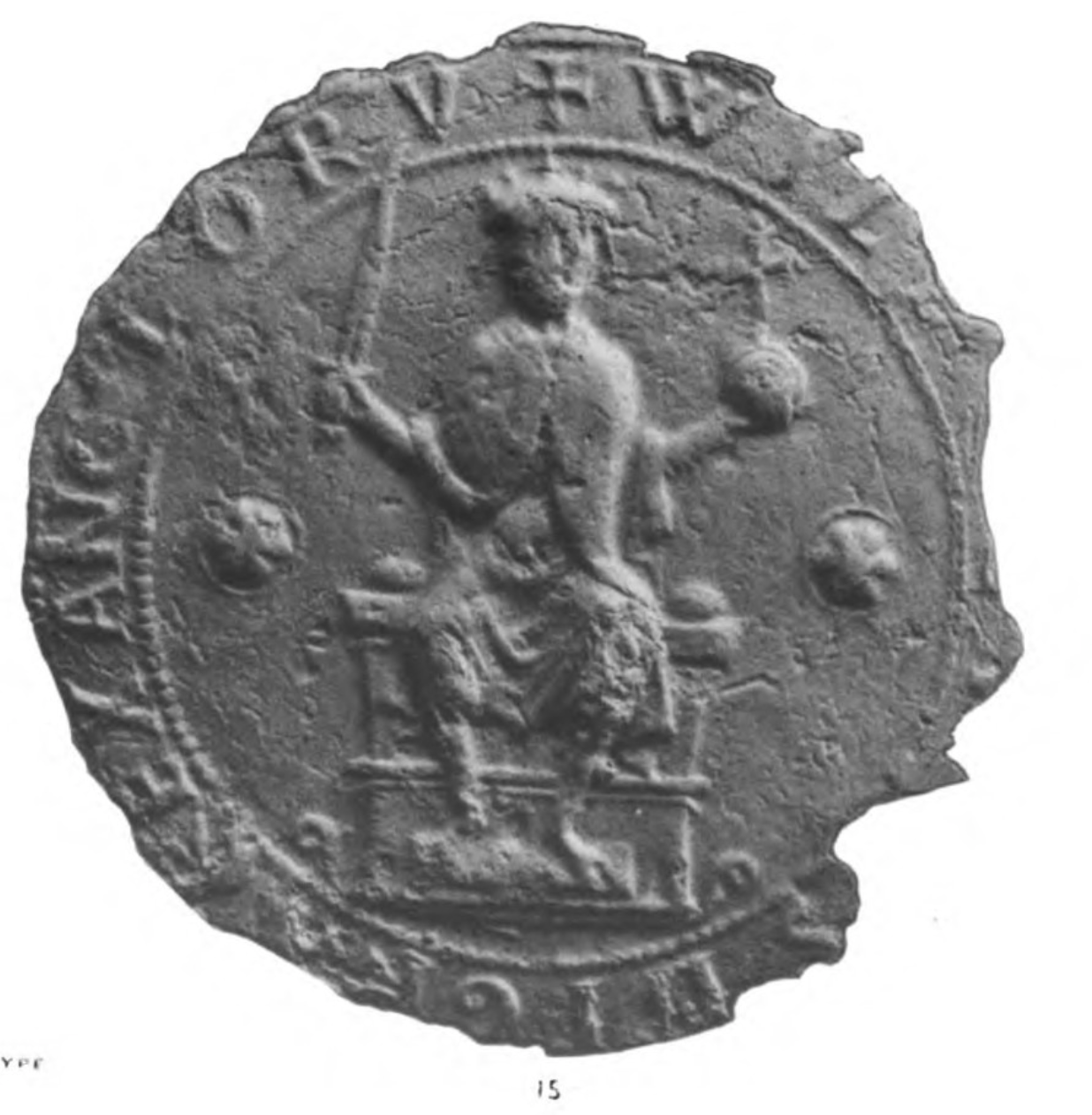
Great Seal of William II
Royal chancery of William II · c. 1087–1100
 Artifact
Primary source
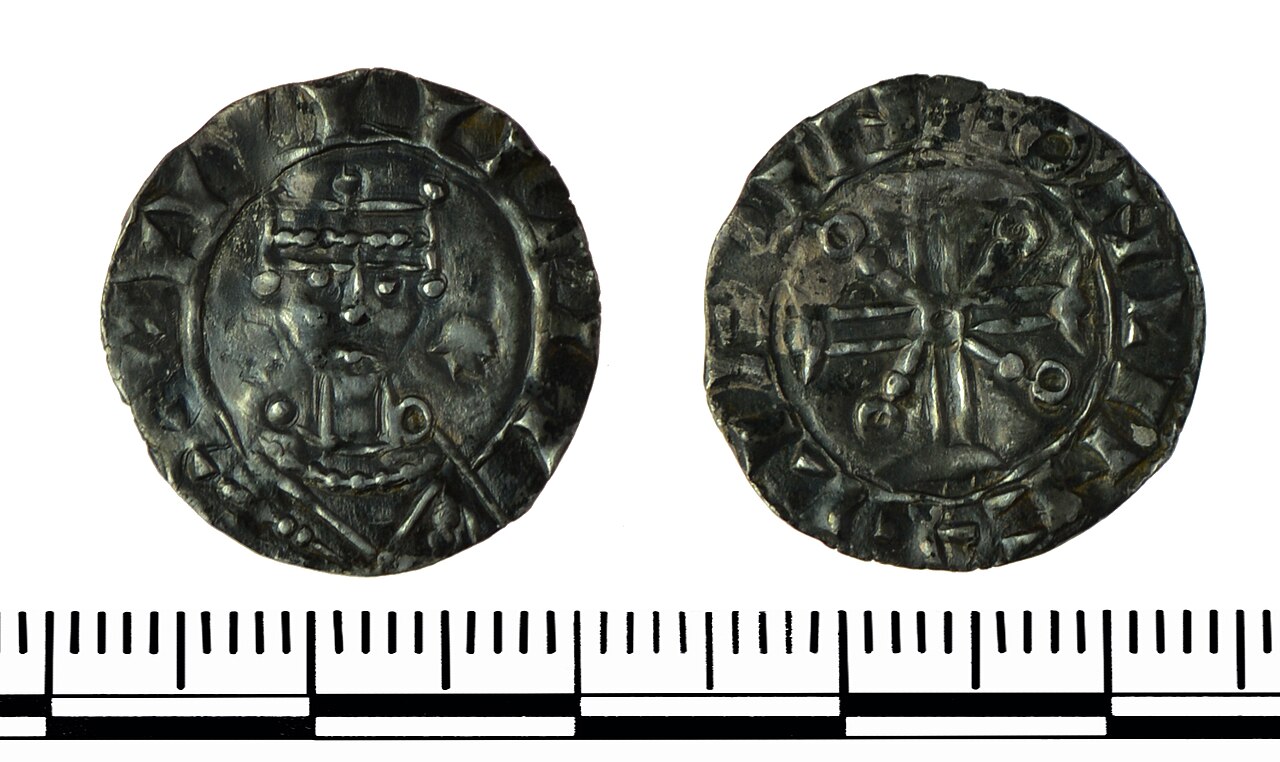
Silver pennies of William II
Royal moneyers under William II · 1087–1100
Free account
Read every William II of England source
Sign up free →
Ready when you are
Start chatting with William II of England now.
20 messages free · No credit card · Available in 50+ languages.