


Primary sourceArtifact5th century BC
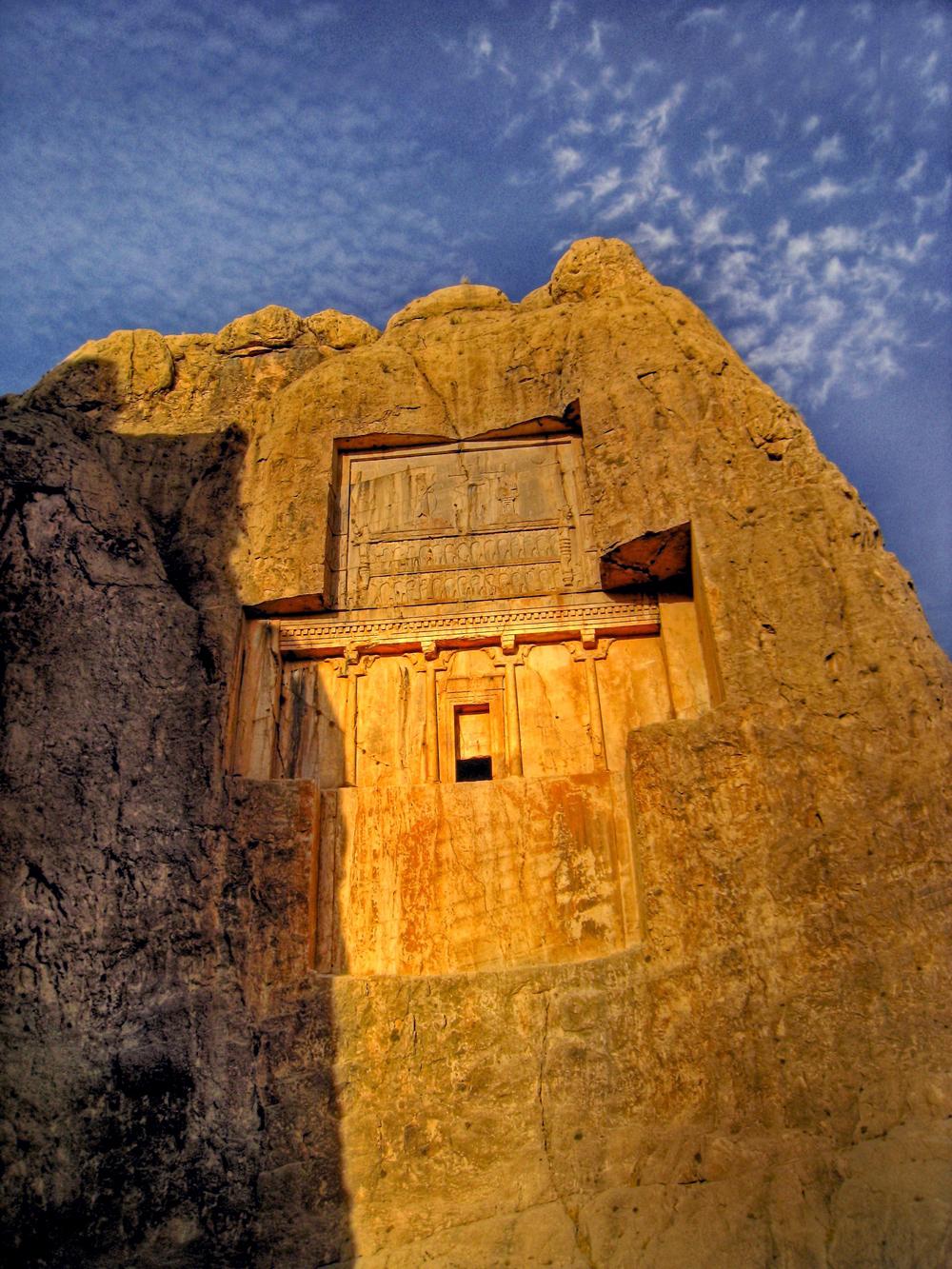
Tomb of Xerxes I
5th century BC
The rock-cut tomb of Xerxes I at Naqsh-e Rustam in Iran, carved with a relief of the king supported by figures representing subject nations.
This is Xerxes' own tomb, built to follow his father Darius's model of royal commemoration.
About this source
What it is
This is a tomb cut into a rock cliff at Naqsh-e Rustam, part of the site that holds several Achaemenid royal tombs. It is identified as the tomb of Xerxes I, carved after the model his father Darius I had used for his own tomb.
Why it matters
The tomb's relief shows the king held up by figures representing the many peoples of his empire, a design meant to stress continuity between Xerxes and his father's reign and to project the king's authority over a vast, diverse empire even in death.
Look closer
- Why might a king choose to copy his father's tomb design rather than create something new?
- What might the carved figures supporting the king be meant to say about the empire?
- What can and can't a tomb tell us about the person buried there?
This artifact is part of the curated material that grounds the AI version of Xerxes I on Humy.ai — when students ask about related events, the AI can quote it and cite it.
More Xerxes I sources
Browse all 97 → Book
Secondary source
Histories
Herodotus · c. 440 BCE
 Book
Secondary source
The Persians
Aeschylus · 472 BC
 Artifact
Primary source
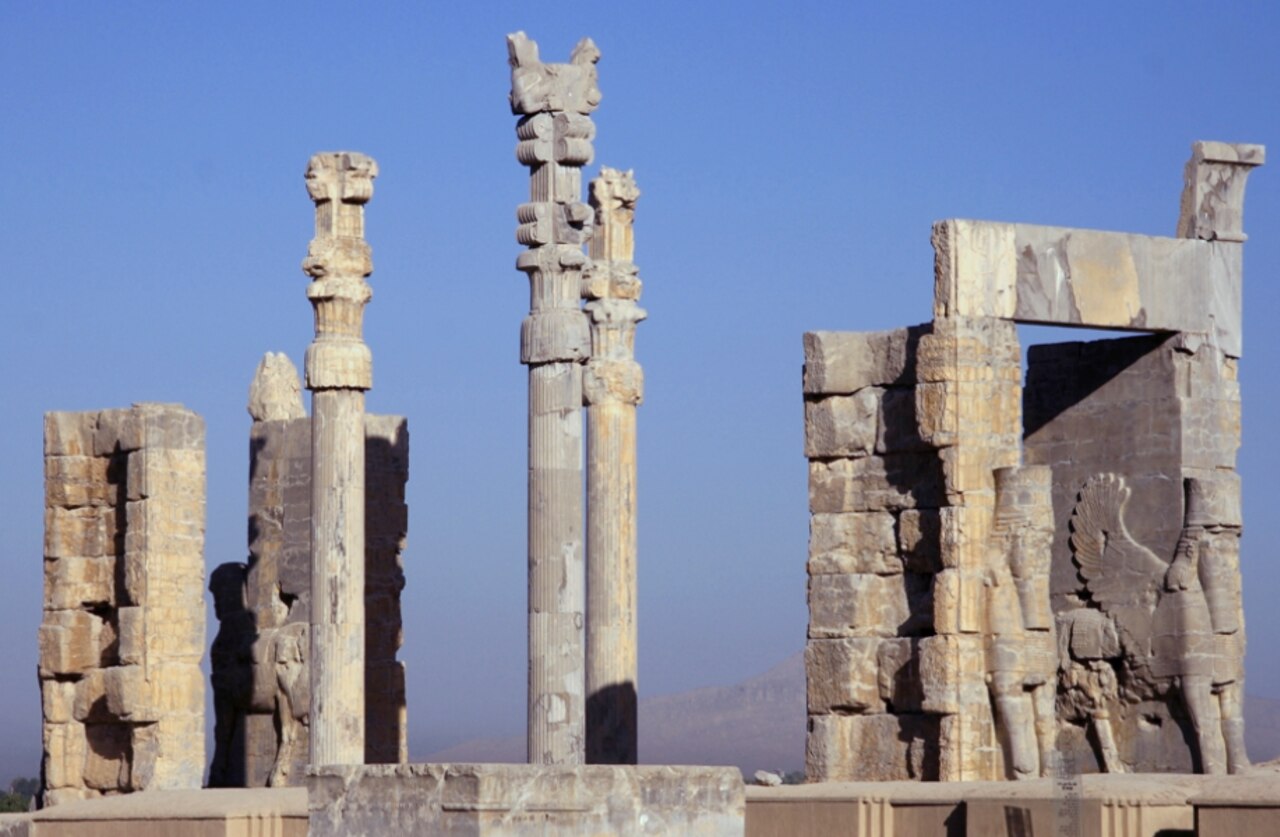
Gate of All Nations
Xerxes I · 5th century BCE
 Sculpture
Primary source
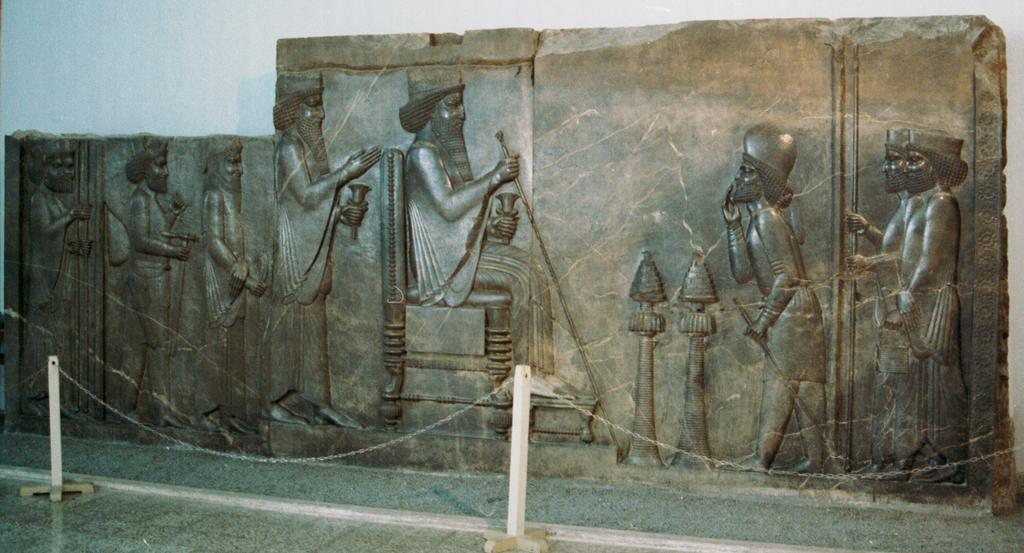
Treasury Relief of Persepolis
Achaemenid court sculptors · c. 500-480 BCE
Free account
Read every Xerxes I source
Sign up free →
Ready when you are
Start chatting with Xerxes I now.
20 messages free · No credit card · Available in 50+ languages.