


Secondary sourceArtifact16th century
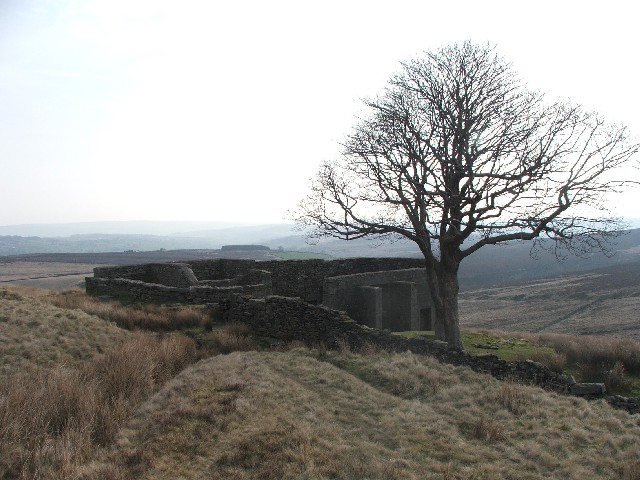
Top Withens
16th century
A ruined moorland farmhouse near Haworth, traditionally linked to the setting of Emily Brontë's novel Wuthering Heights.
This ruined farmhouse is traditionally linked to the moorland setting Emily Brontë may have drawn on for Wuthering Heights.
Free Humy account · No credit card · 118,535 sources to read
About this source
What it is
Top Withens is a ruined farmhouse on Haworth Moor in West Yorkshire, standing in a remote, exposed, high position. It dates from around the 16th century and is associated with Emily Brontë's 1847 novel 'Wuthering Heights'.
Why it matters
A plaque at the site notes that although the building itself does not resemble the house described in the novel, its wild moorland setting may have shaped Brontë's imagination as she wrote. The popular link between Top Withens and the fictional Earnshaw home seems to have grown from later correspondence between a publisher and a friend of Charlotte Brontë's, rather than from anything Emily herself said.
Look closer
- Why might a landscape, rather than a specific building, have influenced a writer's imagination?
- What does the gap between the real ruin and the fictional house tell us about how legends about writers can grow?
- What do you notice in the image about the setting that might suit a story of isolation and hardship?
This artifact is part of the curated material that grounds the AI version of Emily Brontë on Humy.ai — when students ask about related events, the AI can quote it and cite it.
More Emily Brontë sources
Browse all 60 →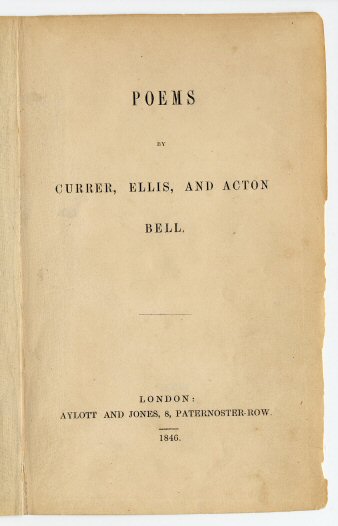 Book
Primary source
Poems by Currer, Ellis, and Acton Bell
Charlotte, Emily and Anne Brontë · 1846
 Painting
Primary source
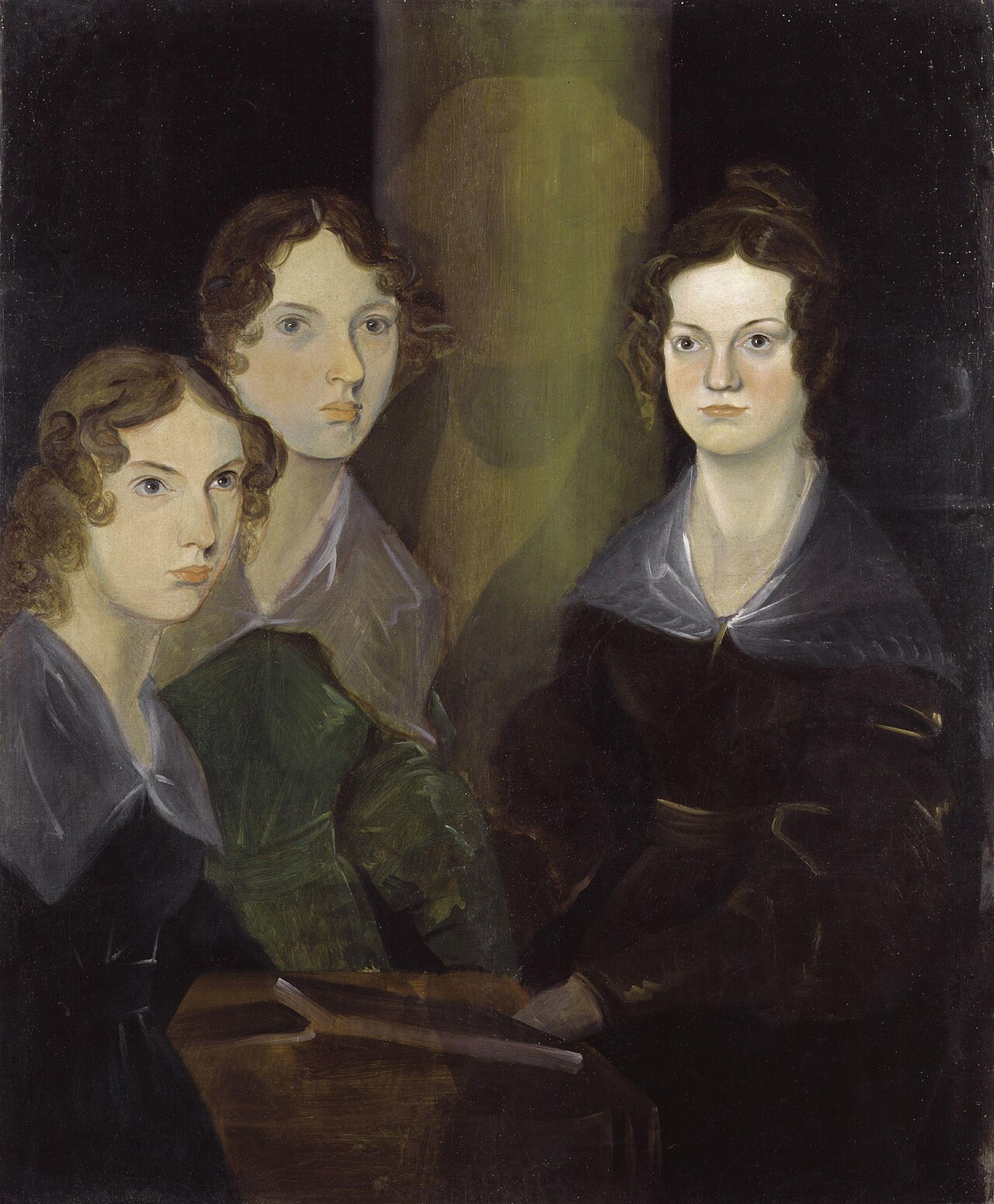
The Brontë Sisters
Branwell Brontë · c. 1834
 Diary entry
Primary source
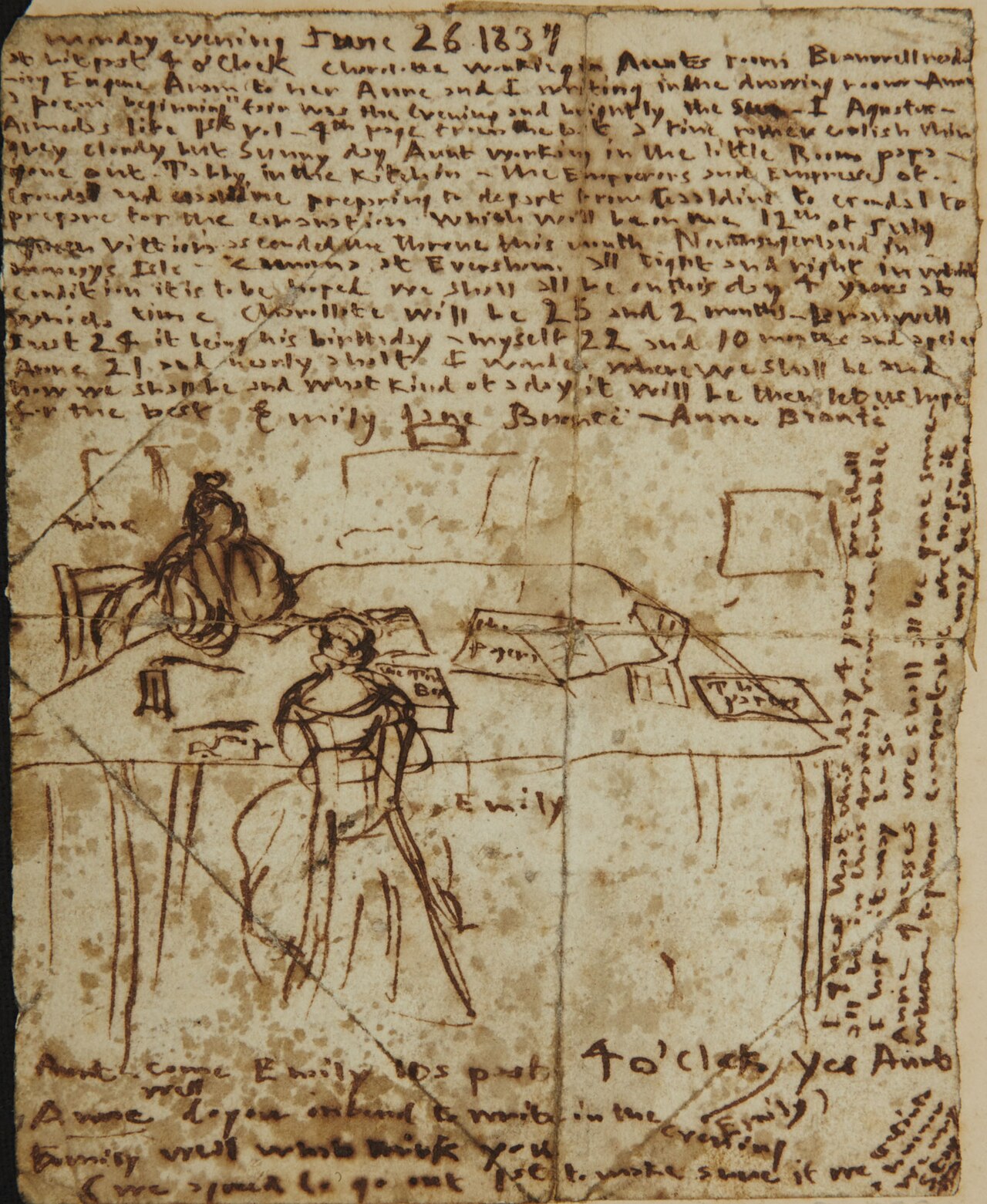
Diary Paper of Emily Brontë, 26 June 1837
Emily Brontë · 26 June 1837
Primary source
No Coward Soul Is Mine
Emily Brontë · 1846
Free account
Read every Emily Brontë source
Sign up free →
Ready when you are
Start chatting with Emily Brontë now.
20 messages free · No credit card · Available in 50+ languages.