


Secondary sourcePhotograph29 August 2012
Topkapı Palace, Istanbul, Modern Photograph (Third View)
Jorge Láscar · 29 August 2012
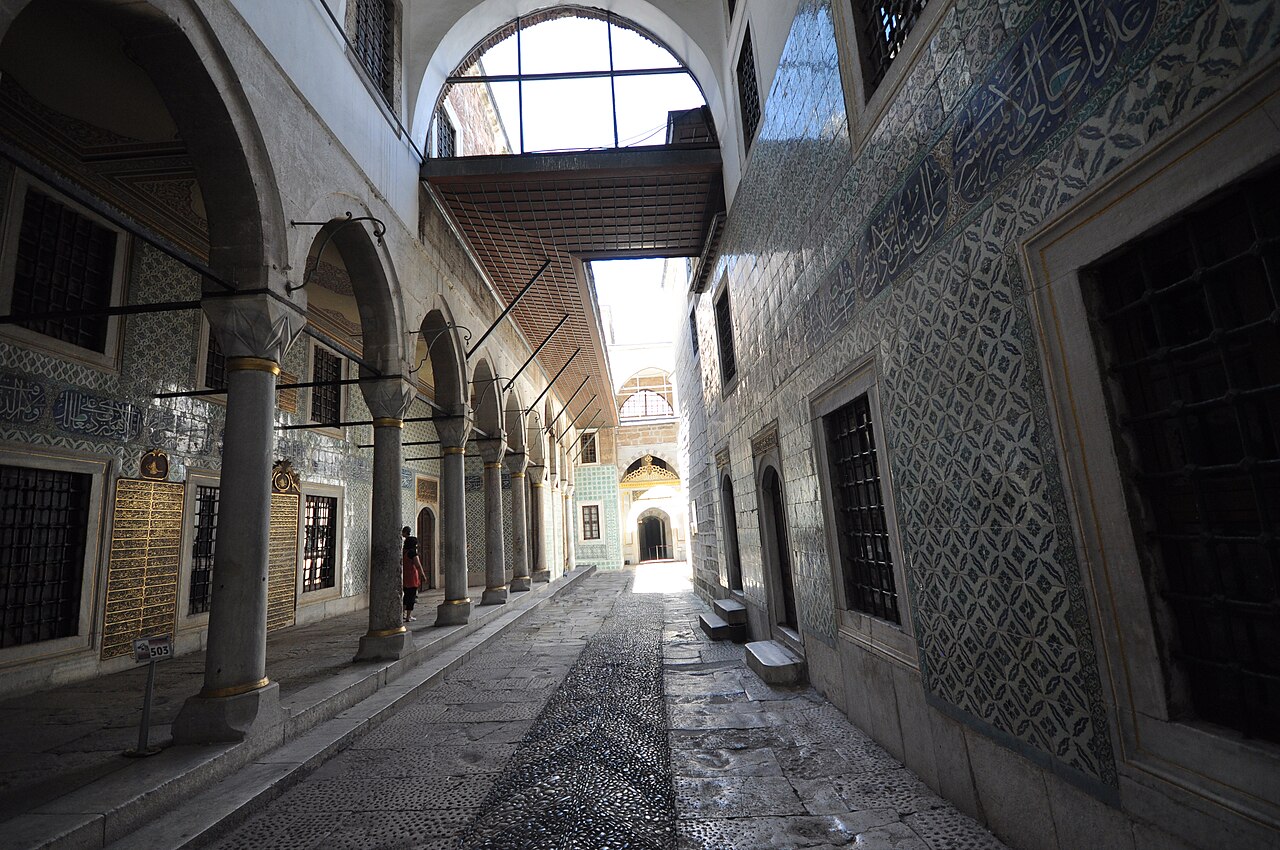
A 2012 photograph of a courtyard corridor in Topkapı Palace in Istanbul, the palace where the sultans lived until 1856. It shows the site today, not as a historic image.
Shows the palace where the sultans lived until Abdül Mecid I moved the court to Dolmabahçe in 1856.
About this source
What it is
This is a modern photograph taken on 29 August 2012 by Jorge Láscar. It shows an interior courtyard corridor with stone arcades and columns on the left, a cobbled path, and walls covered in blue and white patterned tiles with Arabic calligraphy on the right. A figure in red stands near the arches, and sunlight enters through a high arched opening.
Why it matters
Topkapı Palace was the primary residence of the Ottoman sultans for approximately 400 years, from 1465 to 1856. Construction began in 1459 under Sultan Mehmed II, and the complex grew over the centuries to hold four main courtyards and many smaller buildings. In 1856 Sultan Abdül Mecid I decided to move the court to the newly built Dolmabahçe Palace, and the older palace then lost its role as the royal home. Today it is a major tourist attraction and a UNESCO World Heritage Site within the Historic Areas of Istanbul.
Look closer
- What do the tiles and calligraphy on the walls suggest about the taste and beliefs of the people who built the palace?
- Who would have walked through this courtyard in the sultan's time, and who would have been excluded?
- Why is this a modern snapshot rather than a historical image, and what does that mean for what we can learn from it?
This photograph is part of the curated material that grounds the AI version of Abdülmecid I on Humy.ai — when students ask about related events, the AI can quote it and cite it.
More Abdülmecid I sources
Browse all 85 →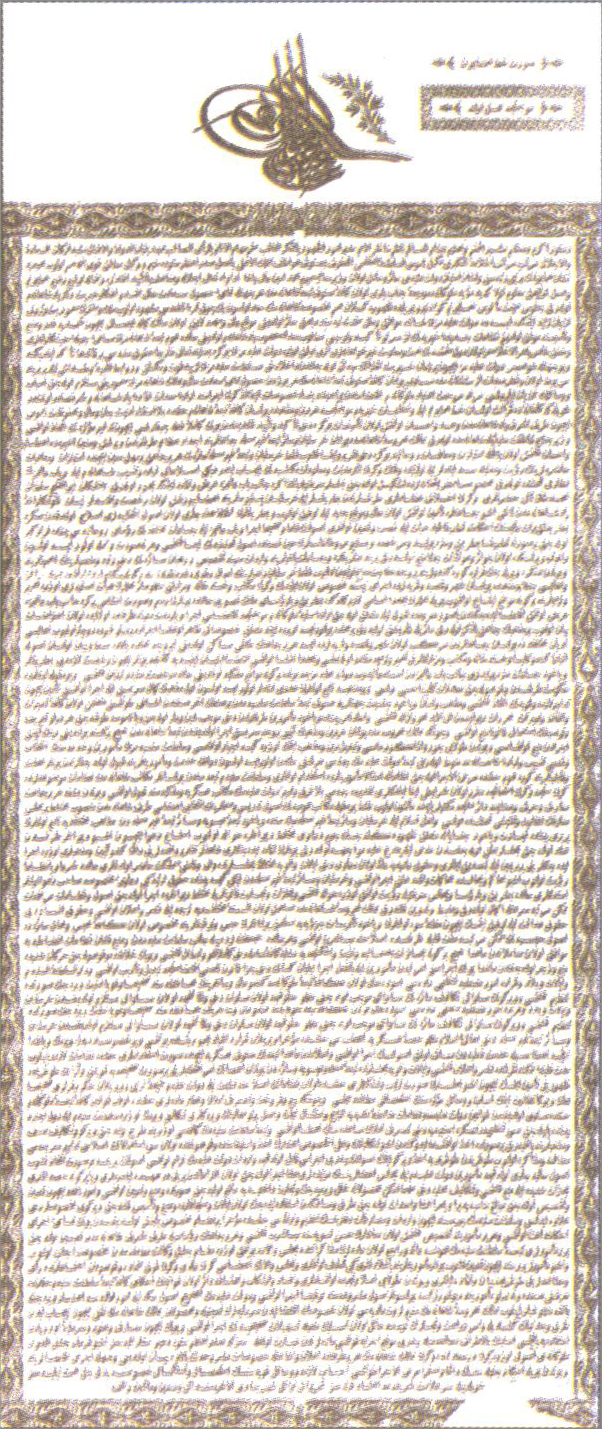 Document
Primary source
Edict of Gülhane
Abdülmecid I; drafted by Mustafa Reşid Pasha · 3 November 1839
Primary source
Treaty of Paris (1856)
30 March 1856
 Artifact
Secondary source
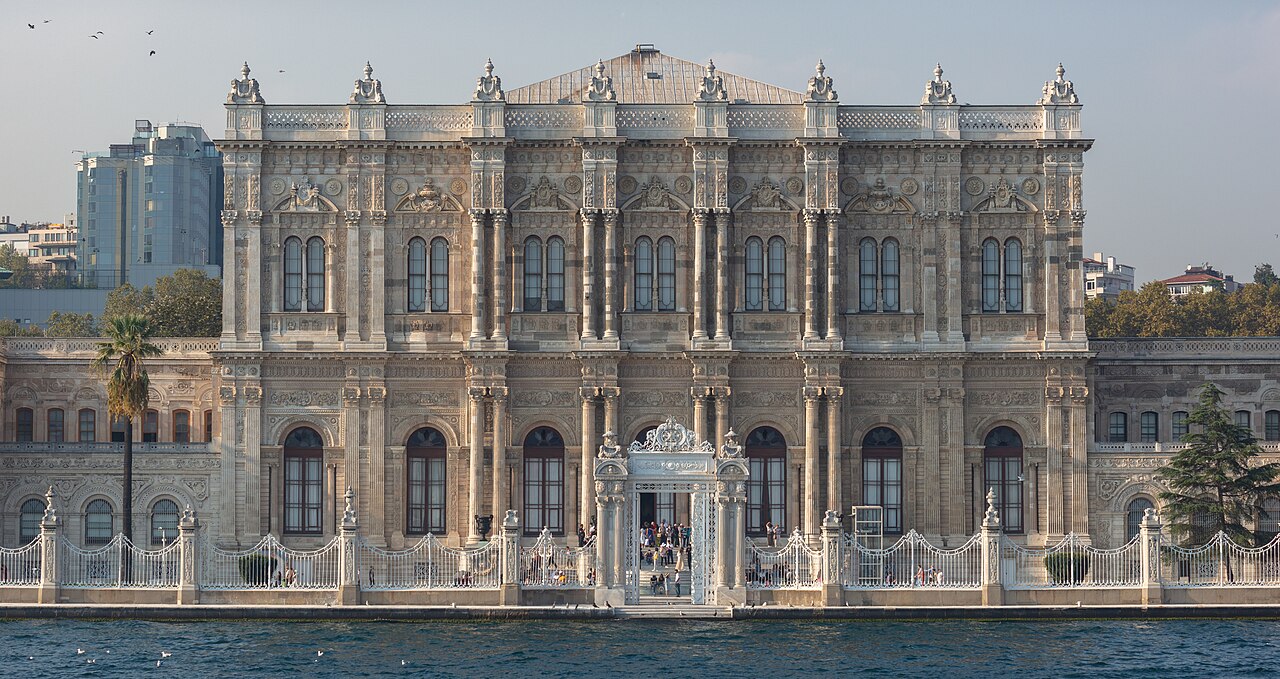
Dolmabahçe Palace
Garabet Balyan, Nigoğayos Balyan, Evanis Kalfa · 1823
 Painting
Primary source
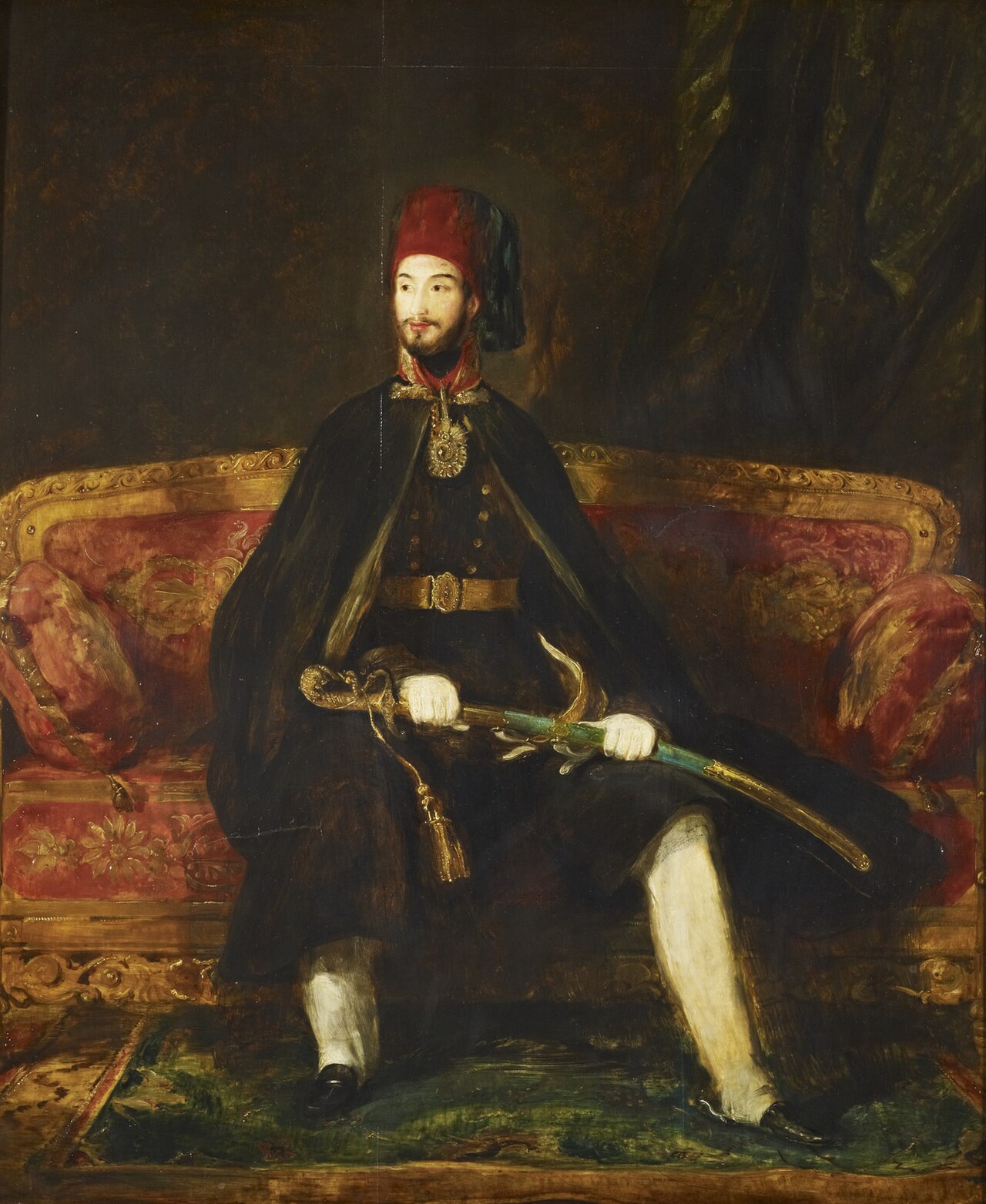
Portrait of Abdülmecid I
David Wilkie · 1840
Free account
Read every Abdülmecid I source
Sign up free →
Ready when you are
Start chatting with Abdülmecid I now.
20 messages free · No credit card · Available in 50+ languages.