


Primary sourceArtifact
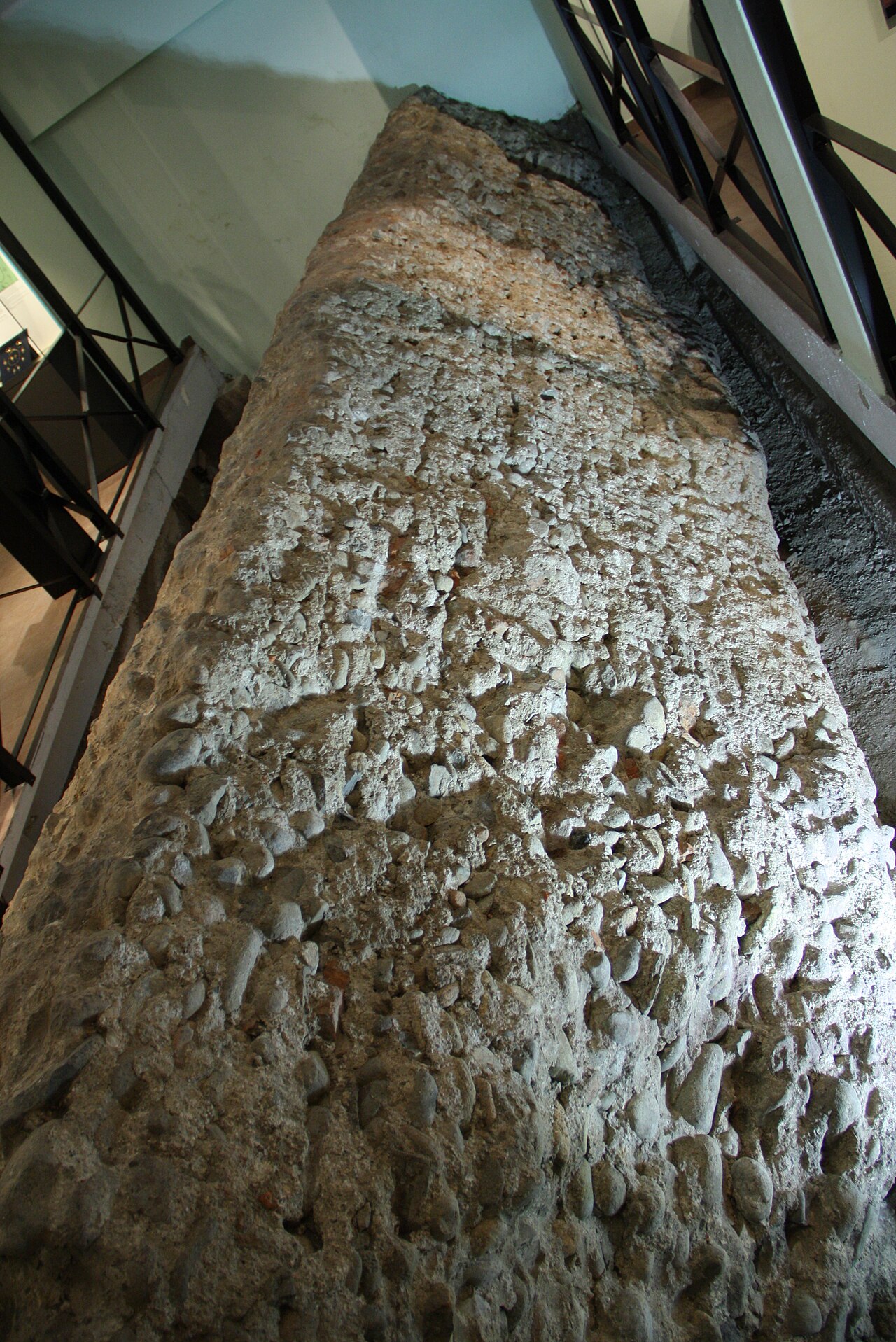
Toppled Roman Wall, Milan
A section of Milan's ancient Roman wall, knocked down during Frederick Barbarossa's destruction of the city, now displayed in Milan's archaeological museum.
Physical remains of the Roman wall destroyed when Barbarossa razed Milan in 1162 during his Italian campaigns.
About this source
What it is
This photograph shows a large piece of ancient Roman wall lying on its side inside the Archaeological Museum in Milan, Italy. The wall was razed to the ground by Frederick I, Holy Roman Emperor, known as Barbarossa.
Why it matters
Milan resisted Barbarossa's power in northern Italy, and in response his forces destroyed the city in 1162. This surviving piece of wall is physical evidence of that destruction and of the long conflict between the emperor and the Lombard cities.
Look closer
- What does it mean that the wall is displayed lying down rather than standing upright?
- Why might a museum choose to preserve and display a ruin like this instead of ancient objects in better condition?
- What does this object tell us that a written account of the destruction of Milan cannot?
This artifact is part of the curated material that grounds the AI version of Frederick Barbarossa on Humy.ai — when students ask about related events, the AI can quote it and cite it.
More Frederick Barbarossa sources
Browse all 95 →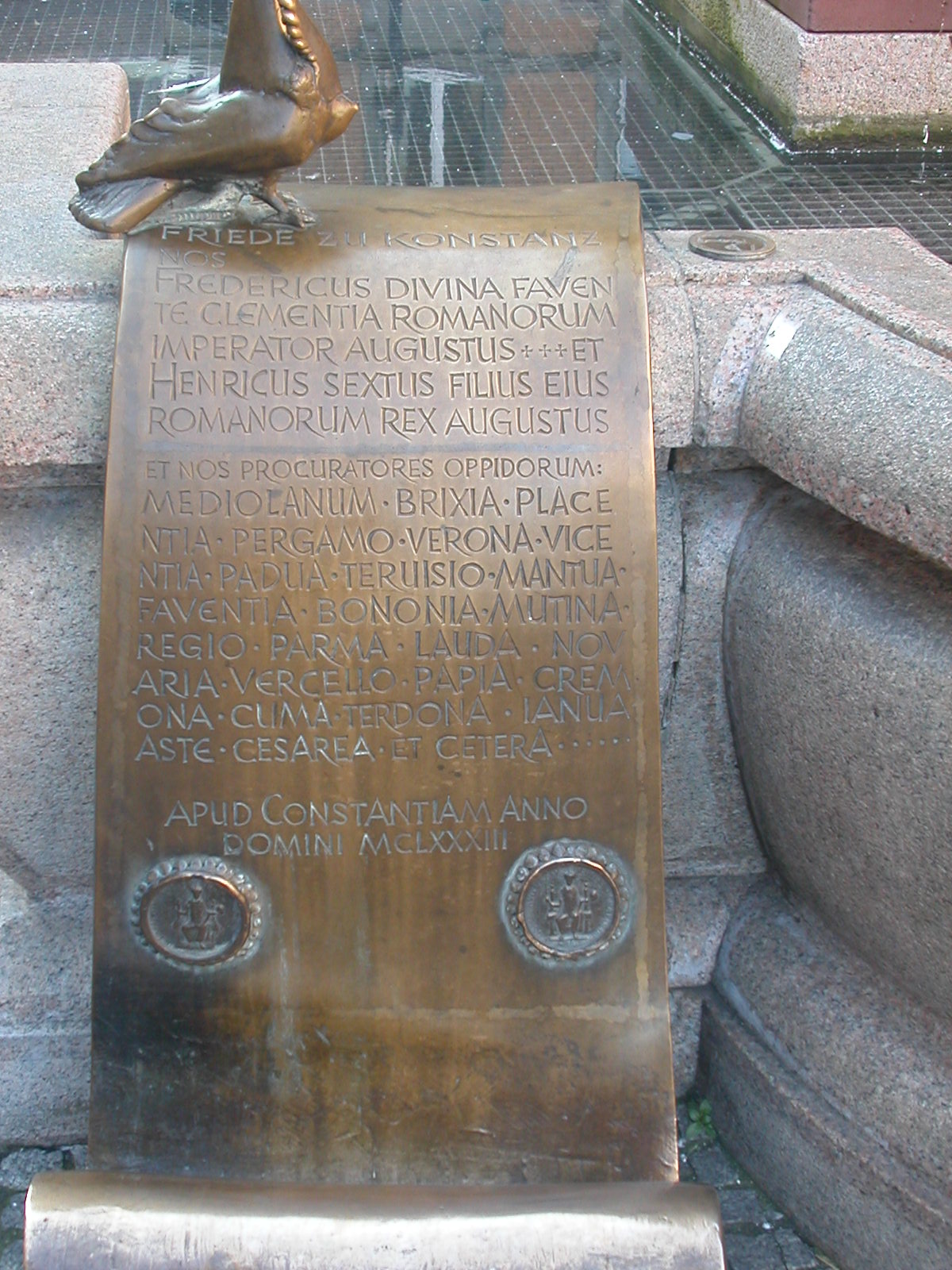 Document
Primary source
Peace of Constance
Frederick I Barbarossa · 25 June 1183
 Sculpture
Primary source
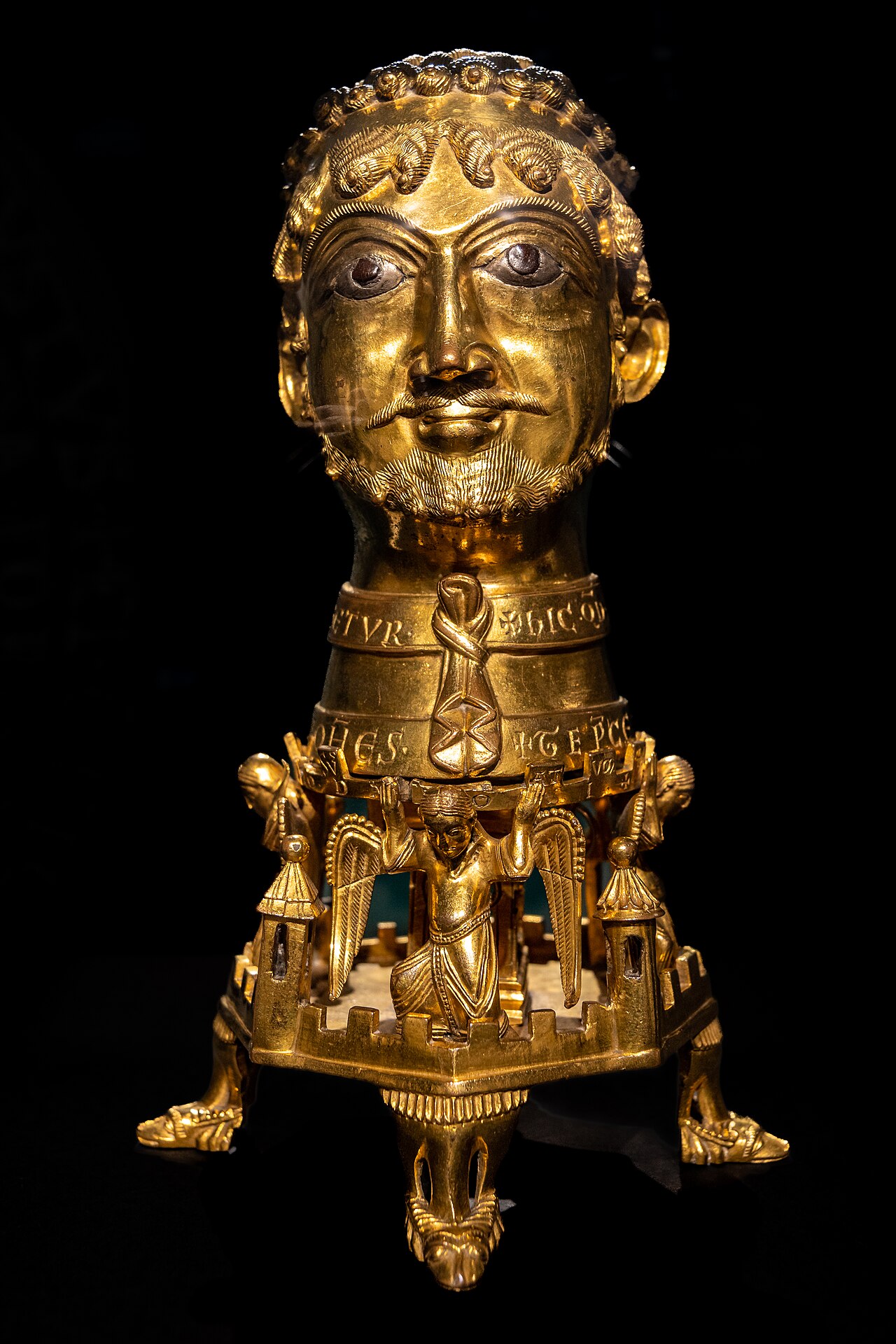
Cappenberg Head
c. 1160
 Artifact
Primary source
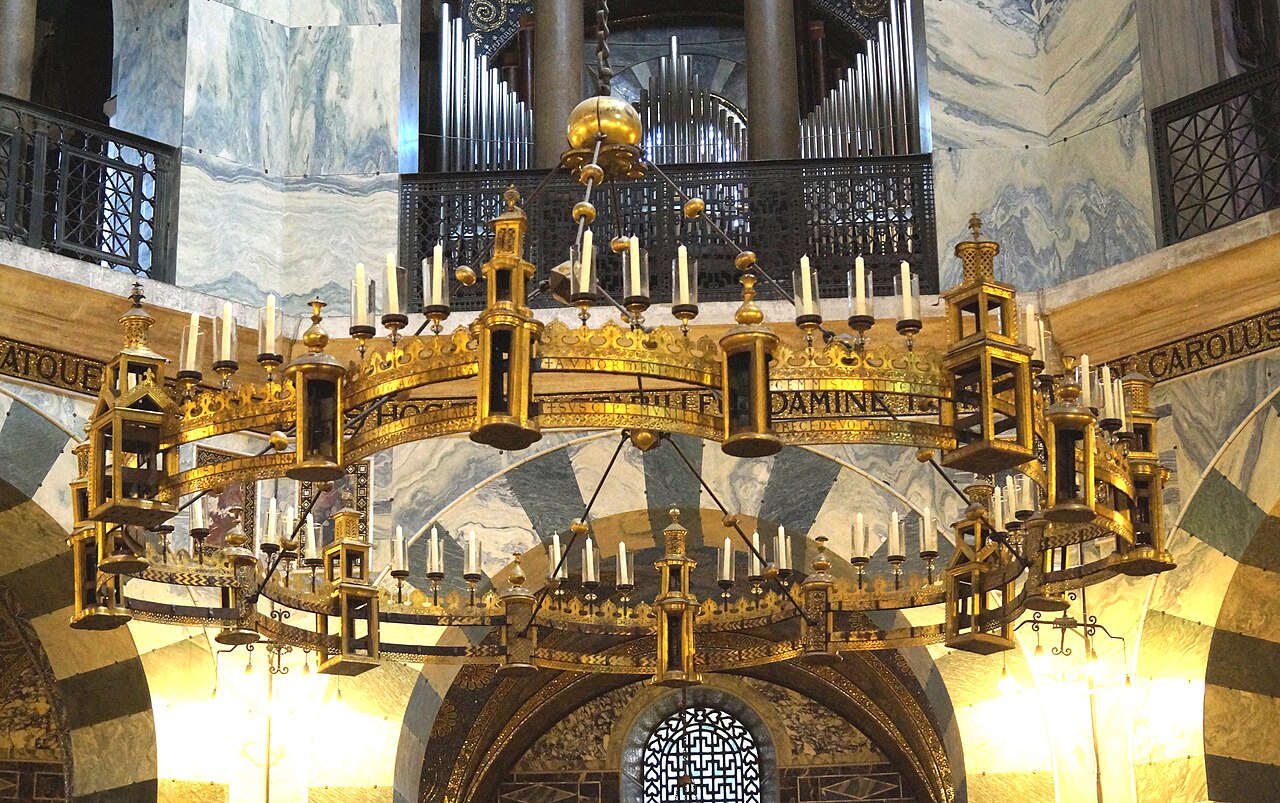
Barbarossa Chandelier
c. 1165-1170
 Document
Primary source
Authentica habita
Frederick I Barbarossa · c. 1155
Free account
Read every Frederick Barbarossa source
Sign up free →
Ready when you are
Start chatting with Frederick Barbarossa now.
20 messages free · No credit card · Available in 50+ languages.