


Primary sourceArtifact12th-13th century expansions under Henry III
Tower of London
12th-13th century expansions under Henry III
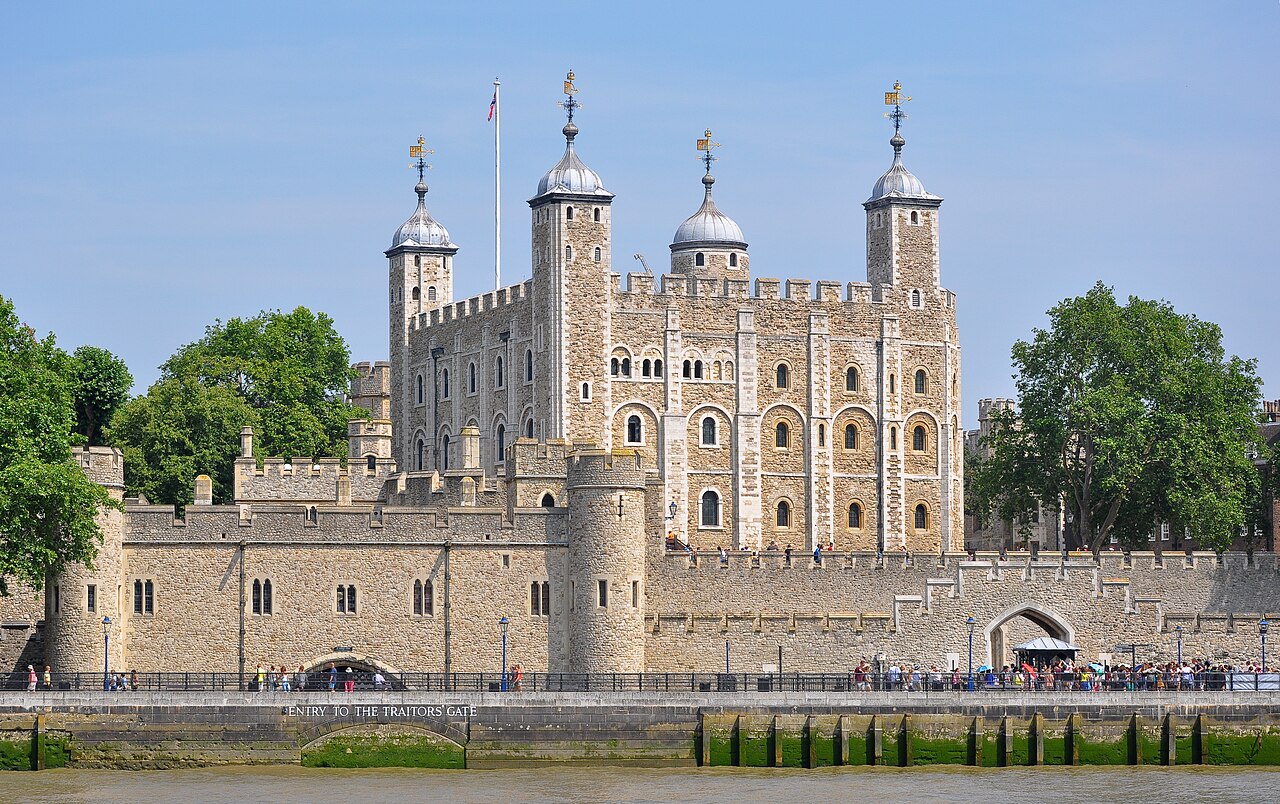
The royal fortress greatly enlarged by Henry III, who whitewashed the White Tower and kept a menagerie there.
Henry III greatly enlarged the Tower of London, whitewashed the White Tower, and kept his menagerie there.
About this source
What it is
The Tower of London was founded in 1066 as part of the Norman Conquest, with the White Tower built by William the Conqueror. It was expanded in several phases, including major work under King Henry III in the 12th and 13th centuries, who turned it into an extended concentric fortress.
Why it matters
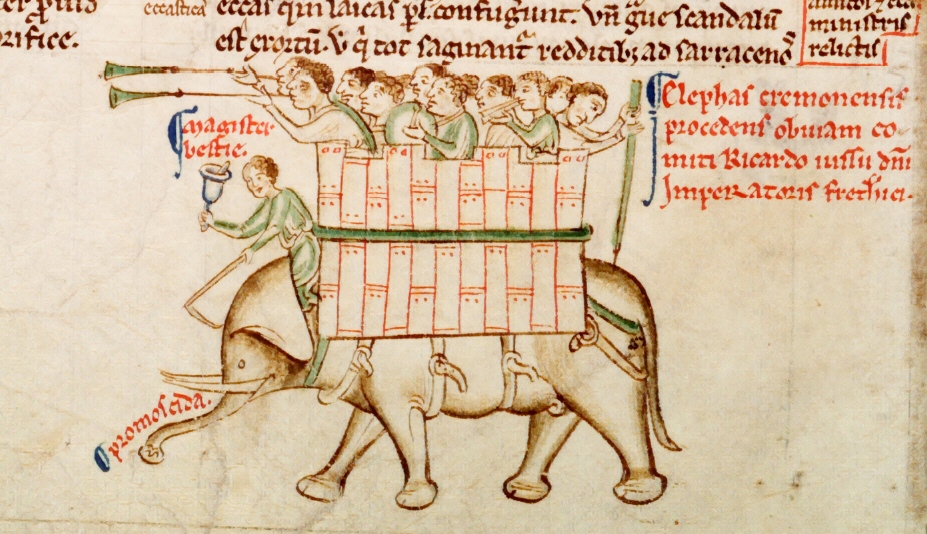
Henry III used the Tower mainly as a secure retreat during war or civil strife, and he kept an exotic menagerie there, including an elephant, a leopard and a camel, continuing a tradition started by his father. The Tower shows how English kings combined defence, residence and display of power in one building.
Look closer
- Why might a king want a fortress as a retreat, rather than just a palace?
- What does keeping exotic animals at the Tower suggest about how Henry wanted to be seen?
- What parts of the Tower seen today date from Henry's reign, and what was added later?
This artifact is part of the curated material that grounds the AI version of Henry III and Edward V on Humy.ai — when students ask about related events, the AI can quote it and cite it.
More Henry III sources
Browse all 96 →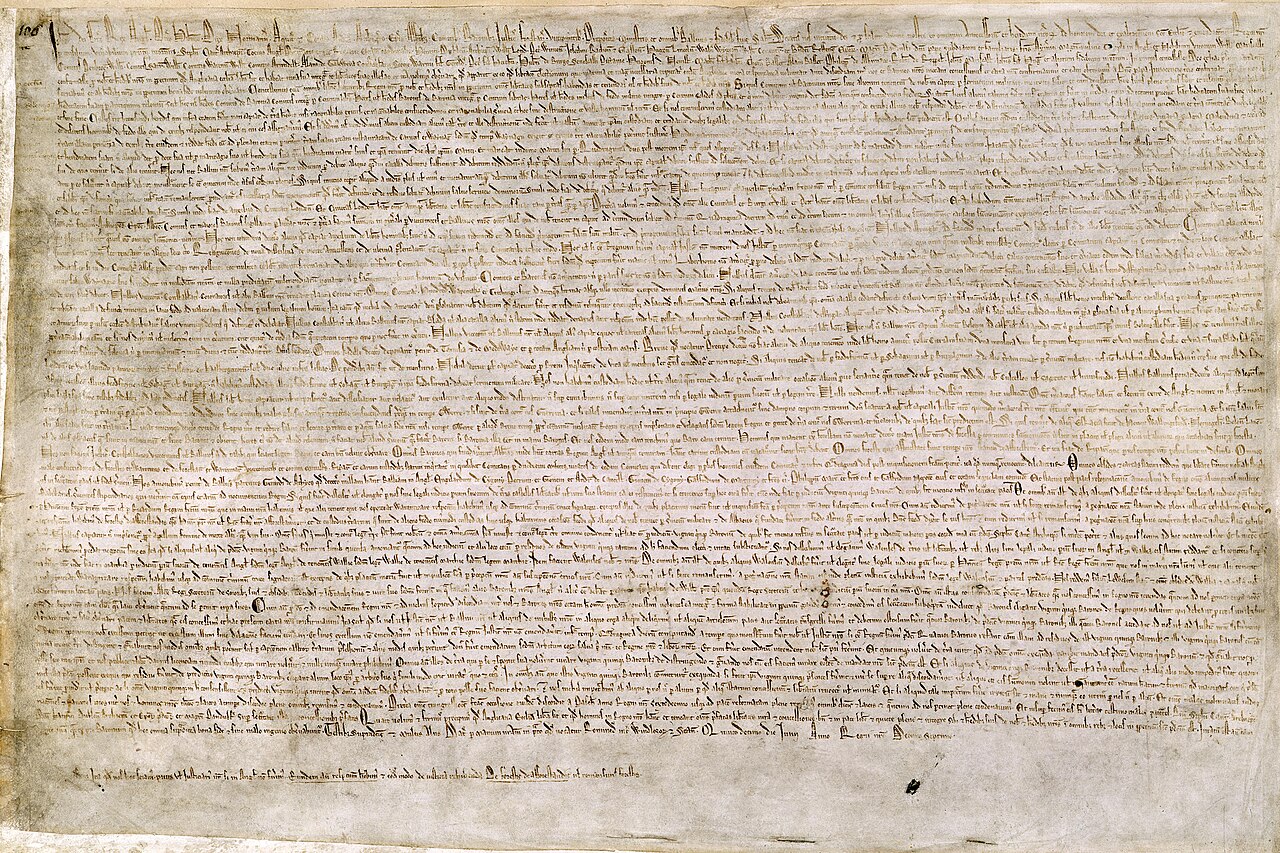 Document
Primary source
Magna Carta
1215; reissued 1216 and 1225
 Document
Primary source
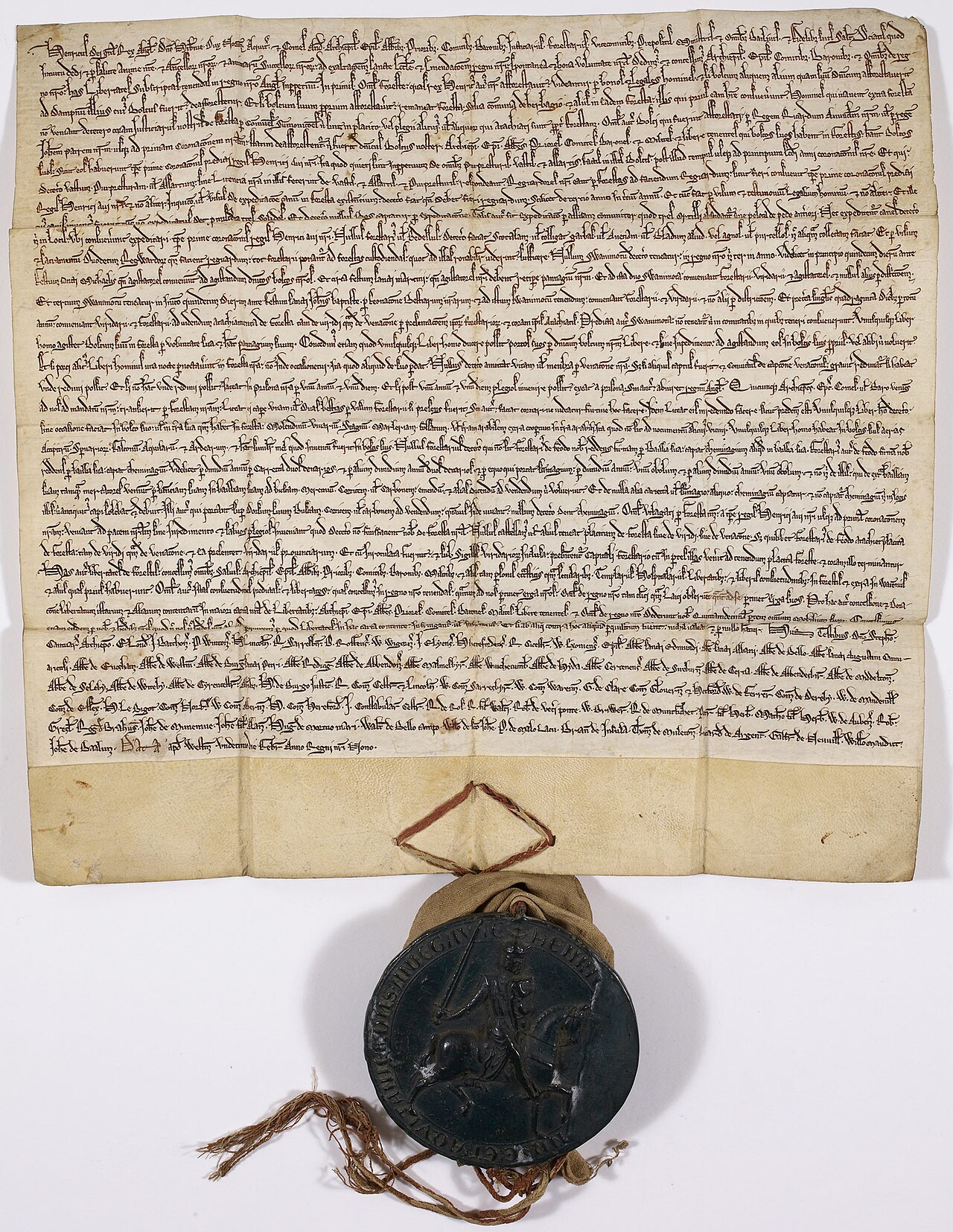
Charter of the Forest
1217
 Book
Primary source
Chronica Majora
Matthew Paris · 13th century, to 1259
 Artifact
Primary source
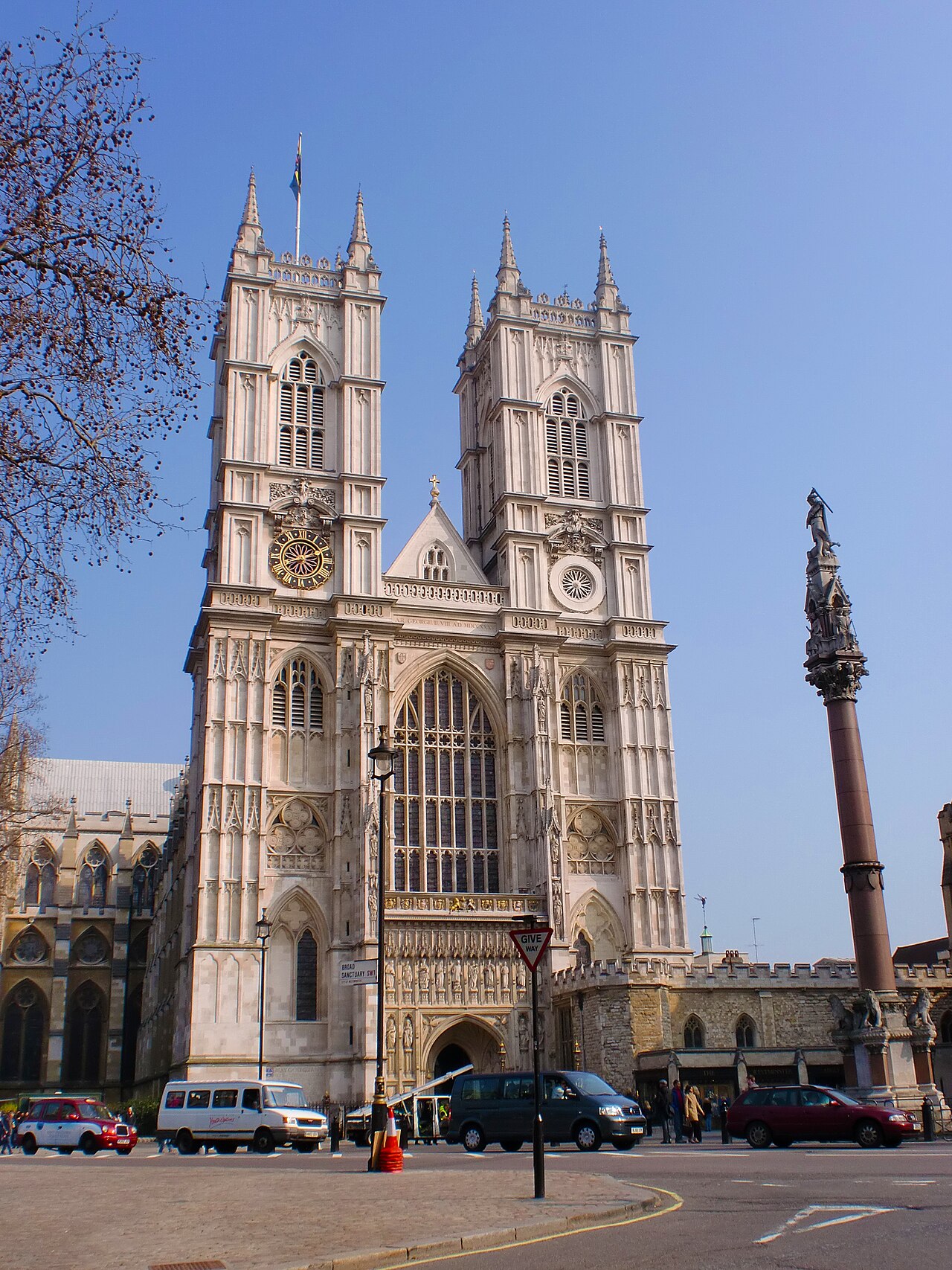
Westminster Abbey
rebuilding begun 1245
Free account
Read every Henry III source
Sign up free →
Ready when you are
Start chatting with Henry III now.
20 messages free · No credit card · Available in 50+ languages.