


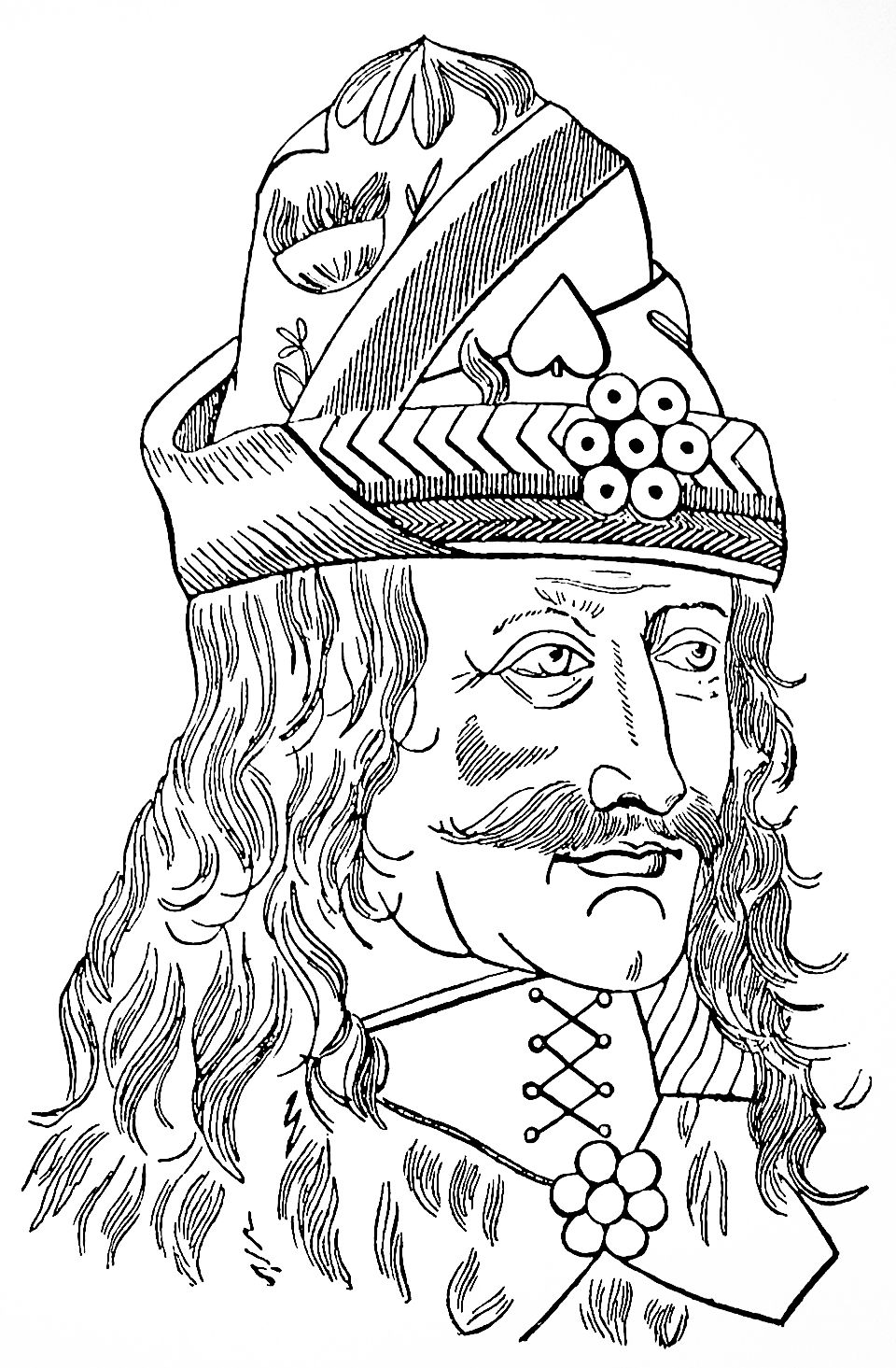
Primary sourceArtifact1930 tracing of 1488 woodcut
Tracing of 1488 Woodcut of Vlad Țepeș
Nicolae Iorga · 1930 tracing of 1488 woodcut
A 1930 tracing by historian Nicolae Iorga of an early printed woodcut portrait of Vlad Țepeș from 1488.
This is a copy of one of the earliest printed portraits of Vlad, made just over a decade after his death.
About this source
What it is
This is a 1930 tracing made by the historian Nicolae Iorga of a woodcut originally printed in 1488, showing Vlad Țepeș in profile wearing an ornate tall hat and fur-trimmed garment.
Why it matters
The original 1488 woodcut is one of the earliest printed images of Vlad, made not long after his death. Iorga's tracing preserves the image for study. Early printed portraits like this helped spread Vlad's reputation across Europe through the new technology of printing.
Look closer
- What details of clothing and hat suggest the status of the man depicted?
- Why would printers in the late 1400s want to produce an image like this?
- How does a tracing differ from the original woodcut, and why does that matter for historians?
This artifact is part of the curated material that grounds the AI version of Vlad the Impaler on Humy.ai — when students ask about related events, the AI can quote it and cite it.
More Vlad the Impaler sources
Browse all 83 →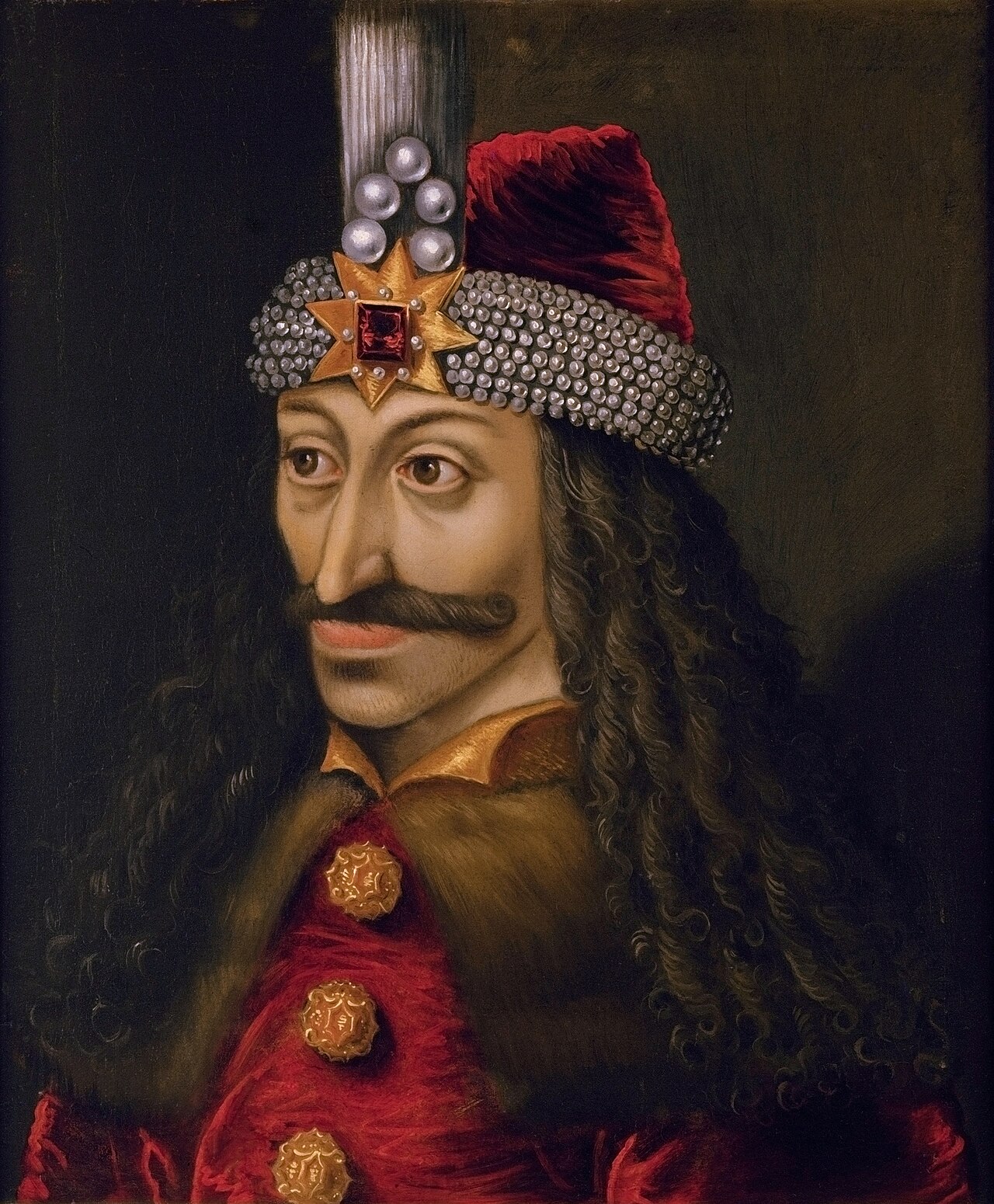 Painting
Secondary source
Portrait of Vlad Țepeș (Ambras Castle)
Unknown · c. 1560 (copy of lost original)
 Document
Primary source
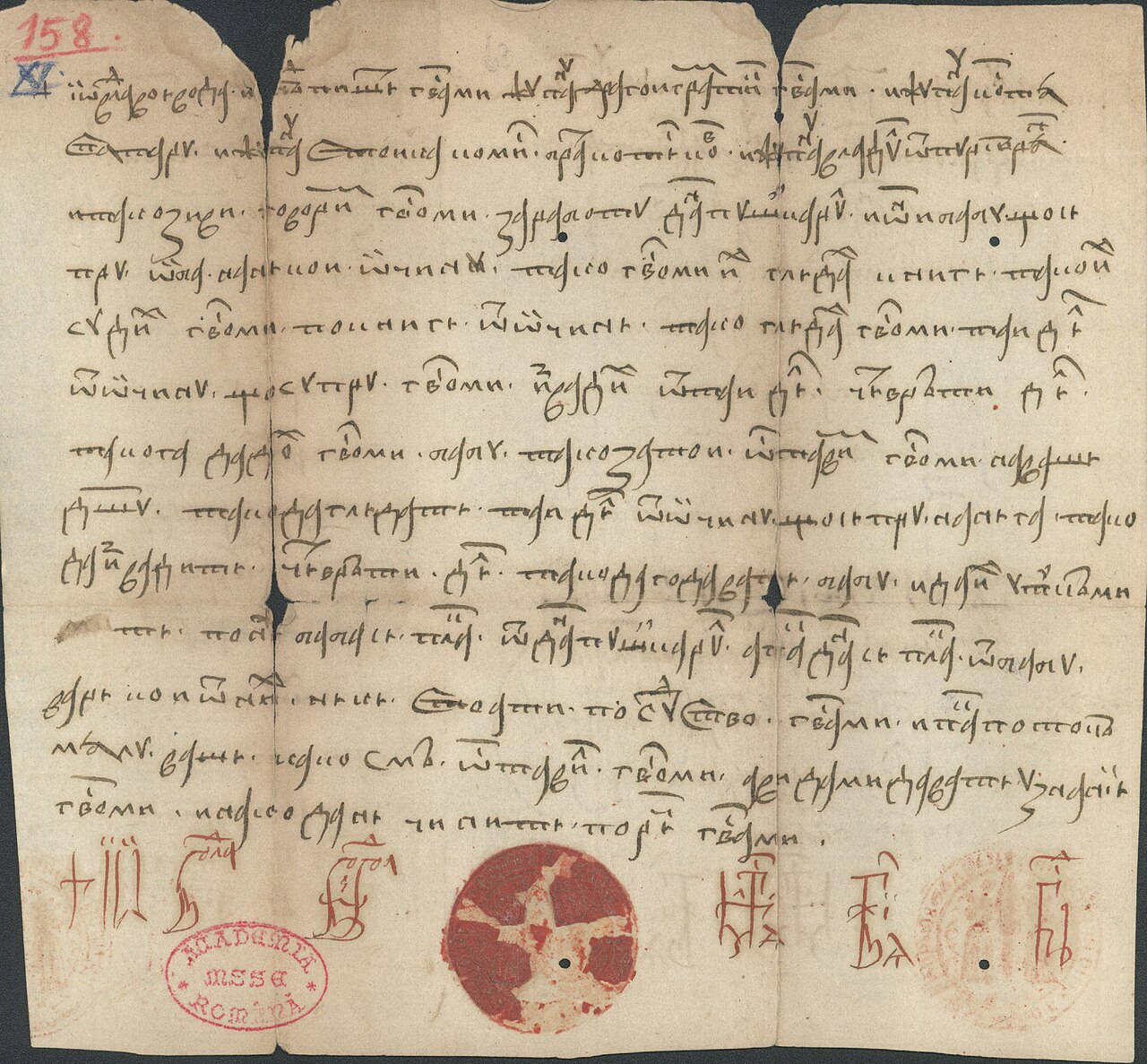
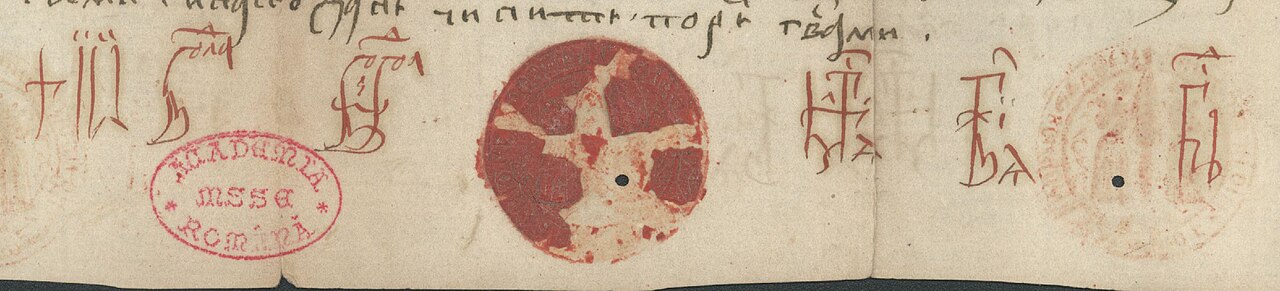
Hrisov of Vlad Țepeș to his Boyars (Baba Estate)
Vlad Țepeș · 15th century
 Letter
Primary source
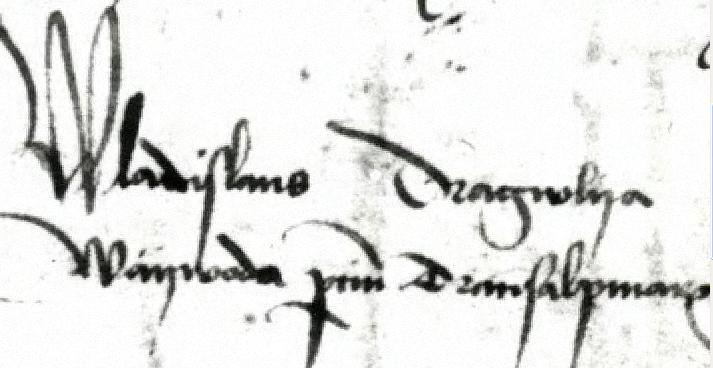
Letter Signed 'Wladislaus Dragwlya'
Vlad III of Wallachia · 15th century
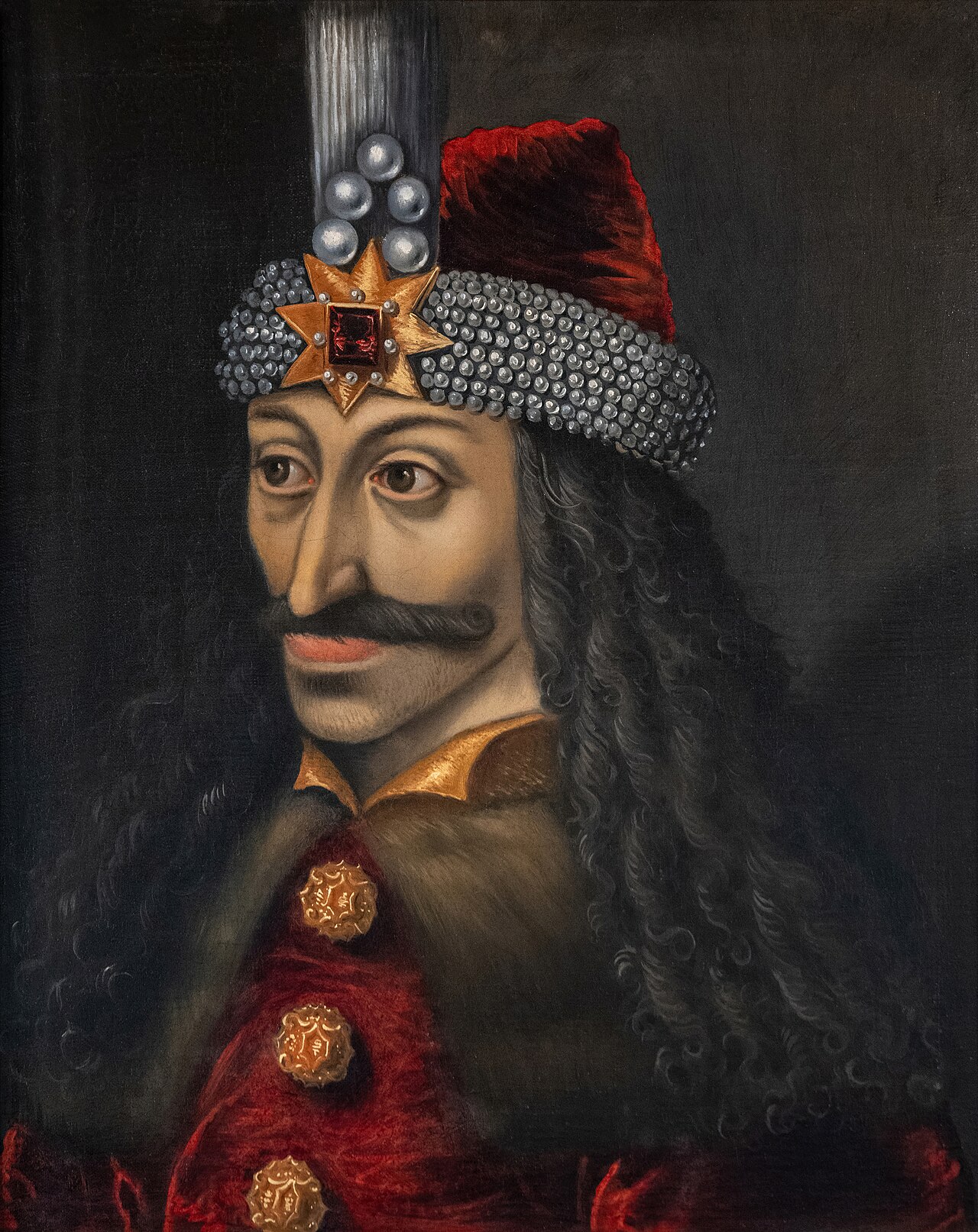 Painting
Secondary source
Portrait of Vlad the Impaler, Prince of Wallachia
Unknown · 16th century (copy of lost original)
Free account
Read every Vlad the Impaler source
Sign up free →
Ready when you are
Start chatting with Vlad the Impaler now.
20 messages free · No credit card · Available in 50+ languages.