


Primary sourceDocument13 October 1706
Treaty of Altranstädt
13 October 1706
A secret 1706 treaty forcing Augustus II to give up the Polish crown, marking the height of Carl XII's power in the Great Northern War.
This treaty shows Carl XII at the peak of his power, forcing a rival king to give up his crown.
About this source
What it is
This treaty was concluded between Carl XII of Sweden and Augustus the Strong of Saxony and Poland-Lithuania on 13 October 1706, during the Great Northern War. It is held at Altranstädt. Augustus was forced to give up his claim to the Polish throne and his alliance with Russia.
Why it matters
This treaty marks the high point of Carl XII's power. After military victories, he forced Augustus II to abandon the Polish crown in favour of Stanisław Leszczyński and to break his alliance with Peter the Great of Russia. The treaty led to the execution of the diplomat Johann Patkul and disappointed Peter the Great, who had trusted Augustus as an ally.
Look closer
- What does the secrecy of this treaty suggest about the risks involved for Augustus?
- Why might Peter the Great have felt betrayed by this agreement?
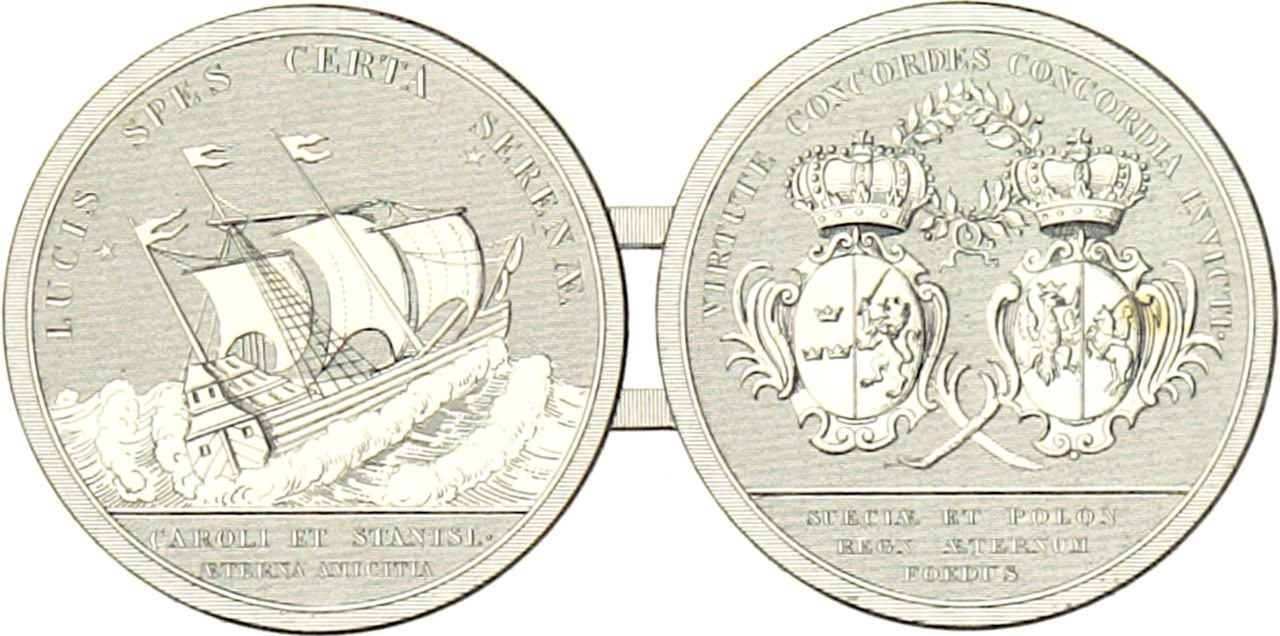
- What does the medal commemorating the treaty tell us about how the peace was publicly presented?
This document is part of the curated material that grounds the AI version of Charles XII of Sweden on Humy.ai — when students ask about related events, the AI can quote it and cite it.
More Charles XII of Sweden sources
Browse all 89 → Painting
Primary source
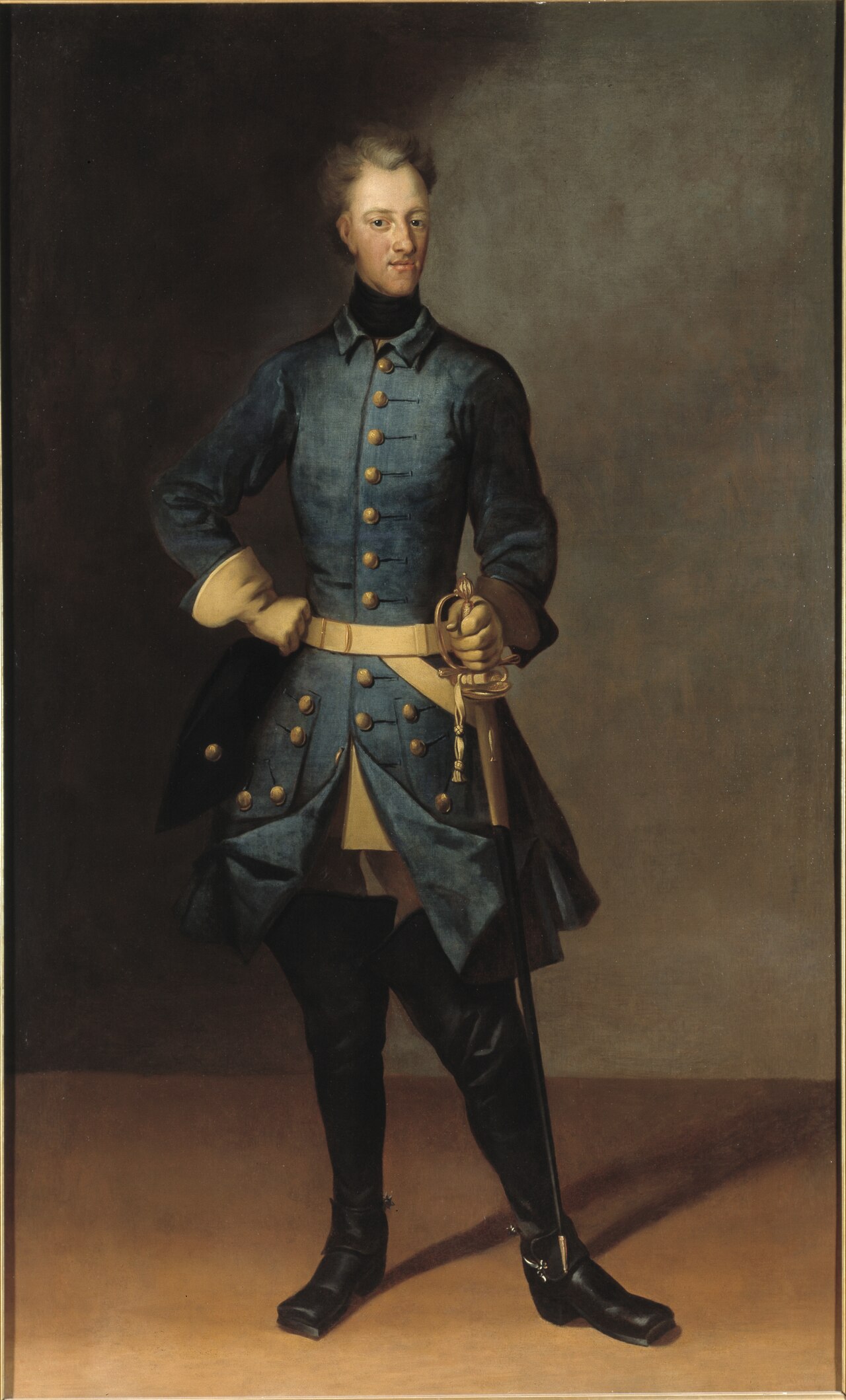
Portrait of Carl XII of Sweden
David von Krafft (attributed tradition) · 1706
 Artifact
Primary source
Death Mask of Carl XII
1718
 Painting
Secondary source
Bringing Home the Body of King Charles XII of Sweden
Gustaf Cederström · 1884
 Painting
Primary source
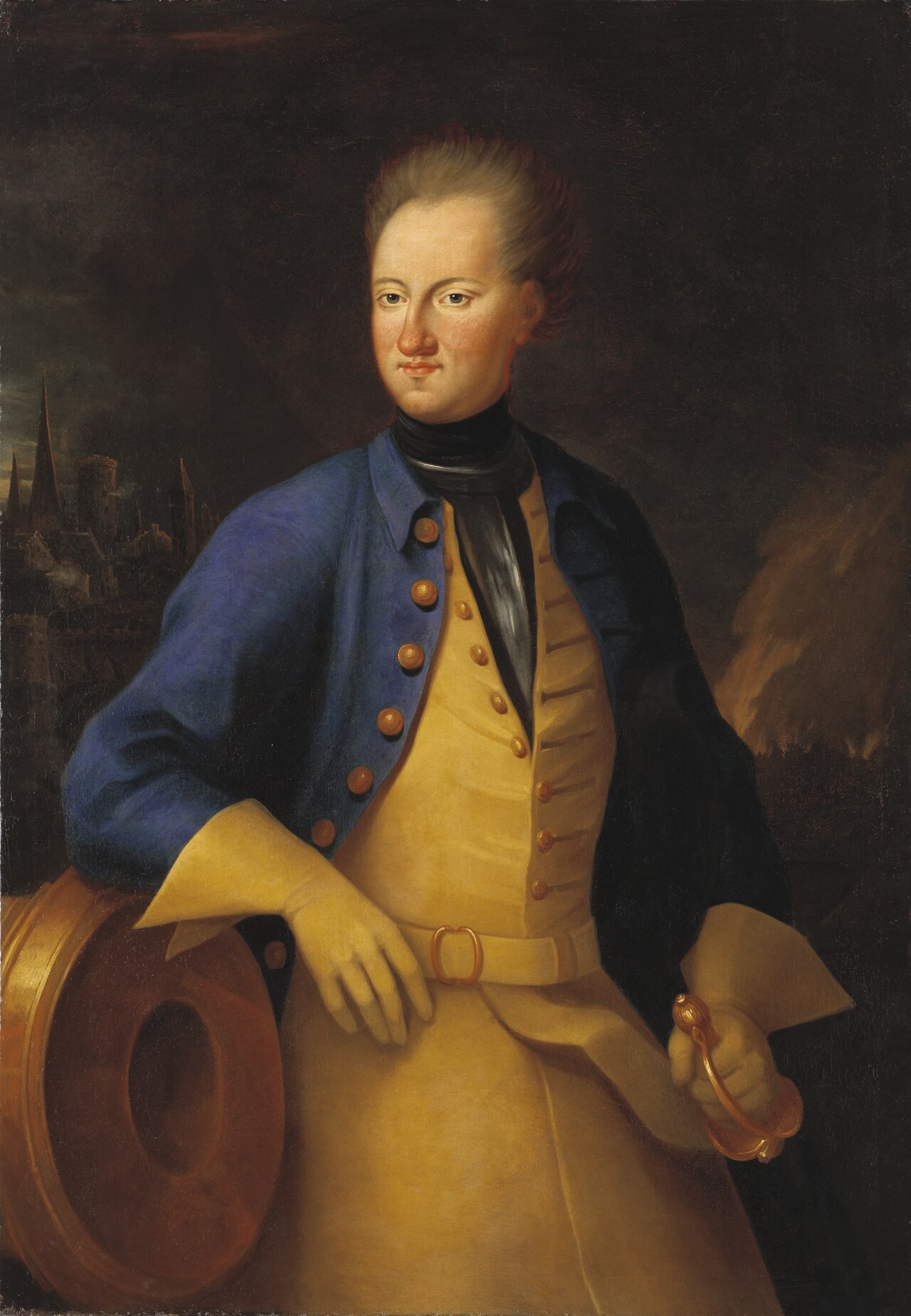
King Karl XII of Sweden
David von Krafft · 1707
Free account
Read every Charles XII of Sweden source
Sign up free →
Ready when you are
Start chatting with Charles XII of Sweden now.
20 messages free · No credit card · Available in 50+ languages.