


Primary sourceDocument3 March 1918
Treaty of Brest-Litovsk
3 March 1918
The 1918 peace treaty by which Soviet Russia, under Lenin's direction, withdrew from World War I and ceded vast territory.
Lenin forced this treaty through against party opposition to secure peace and preserve Bolshevik power.
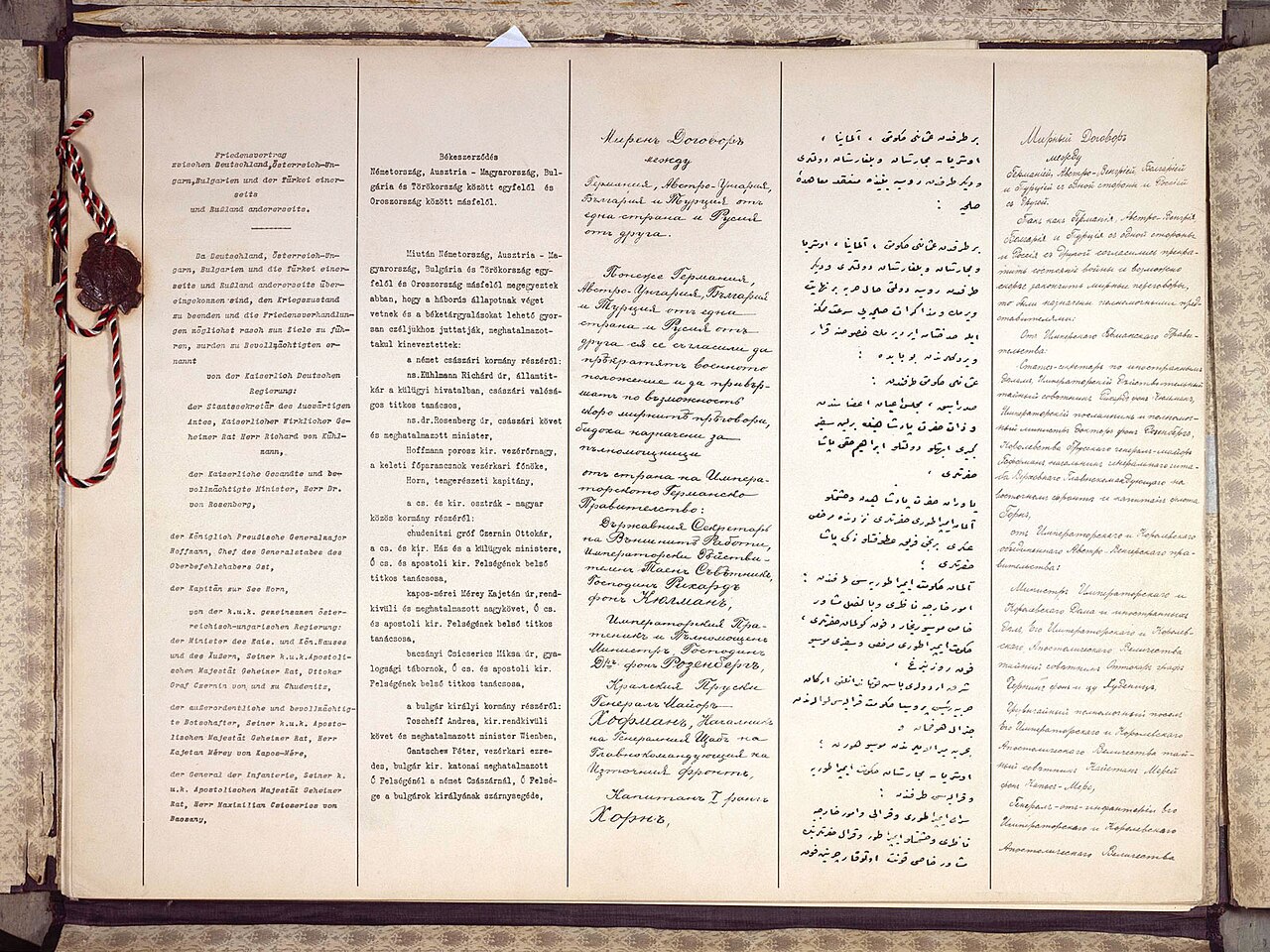
About this source
What it is
This is the peace treaty signed on 3 March 1918 between Soviet Russia and the Central Powers (Germany, Austria-Hungary, the Ottoman Empire, and Bulgaria), ending Russia's part in World War I. The Soviet delegation was led first by Adolph Joffe and then by Leon Trotsky; the Central Powers were represented by figures including Richard von Kühlmann and Ottokar Czernin.
Why it matters
Lenin pushed hard for this treaty against strong opposition within his own party, believing peace was essential to save the revolution even at the cost of huge territorial losses, including Ukraine, Poland, and the Baltic states. The treaty caused a political rift with the Left Socialist-Revolutionaries and gave the opposing White movement a unifying cause, shaping the course of the Russian Civil War.
Look closer
- Why would Lenin accept such harsh terms rather than continue fighting?
- What does the treaty's multilingual format tell you about the parties involved?
- What political risks did Lenin take by pushing this treaty through?
This document is part of the curated material that grounds the AI version of Vladimir Lenin on Humy.ai — when students ask about related events, the AI can quote it and cite it.
More Vladimir Lenin sources
Meet the AI Vladimir Lenin →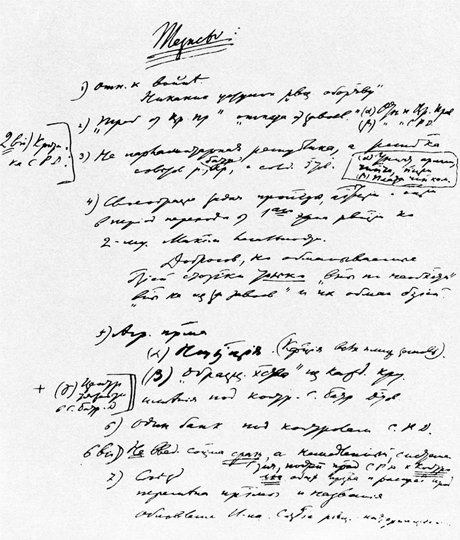 Document
Primary source
April Theses
Vladimir Lenin · 3/16 April 1917
 Photograph
Primary source
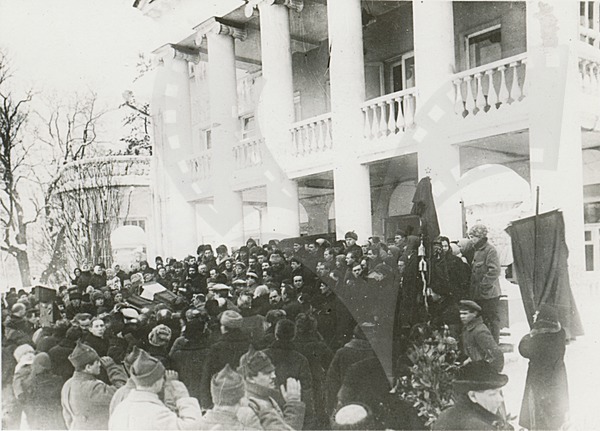
Georgi Dimitrov at Lenin's Funeral
January 1924
 Book
Primary source
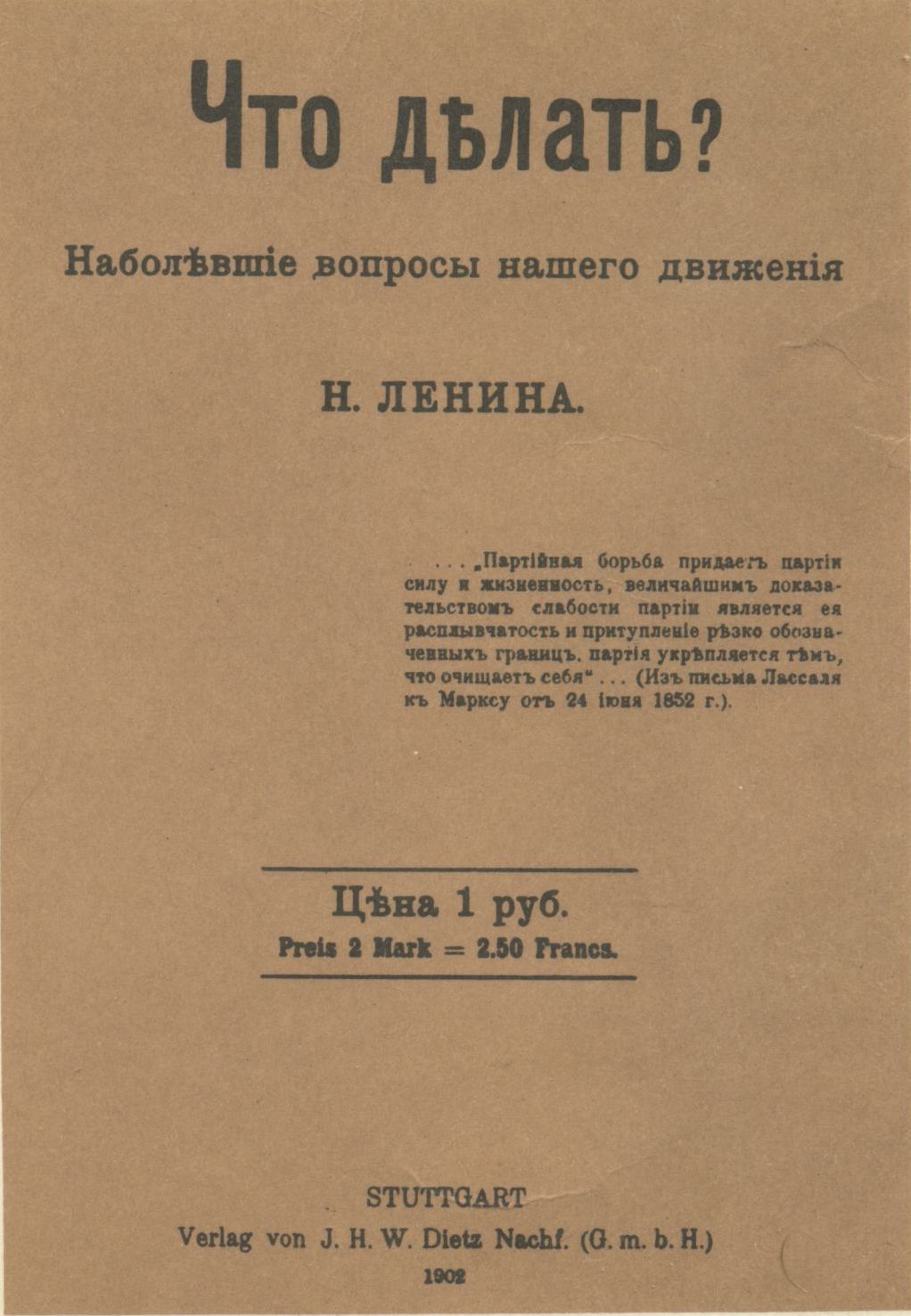
What Is to Be Done?
Vladimir Lenin · 1901 (published 1902)
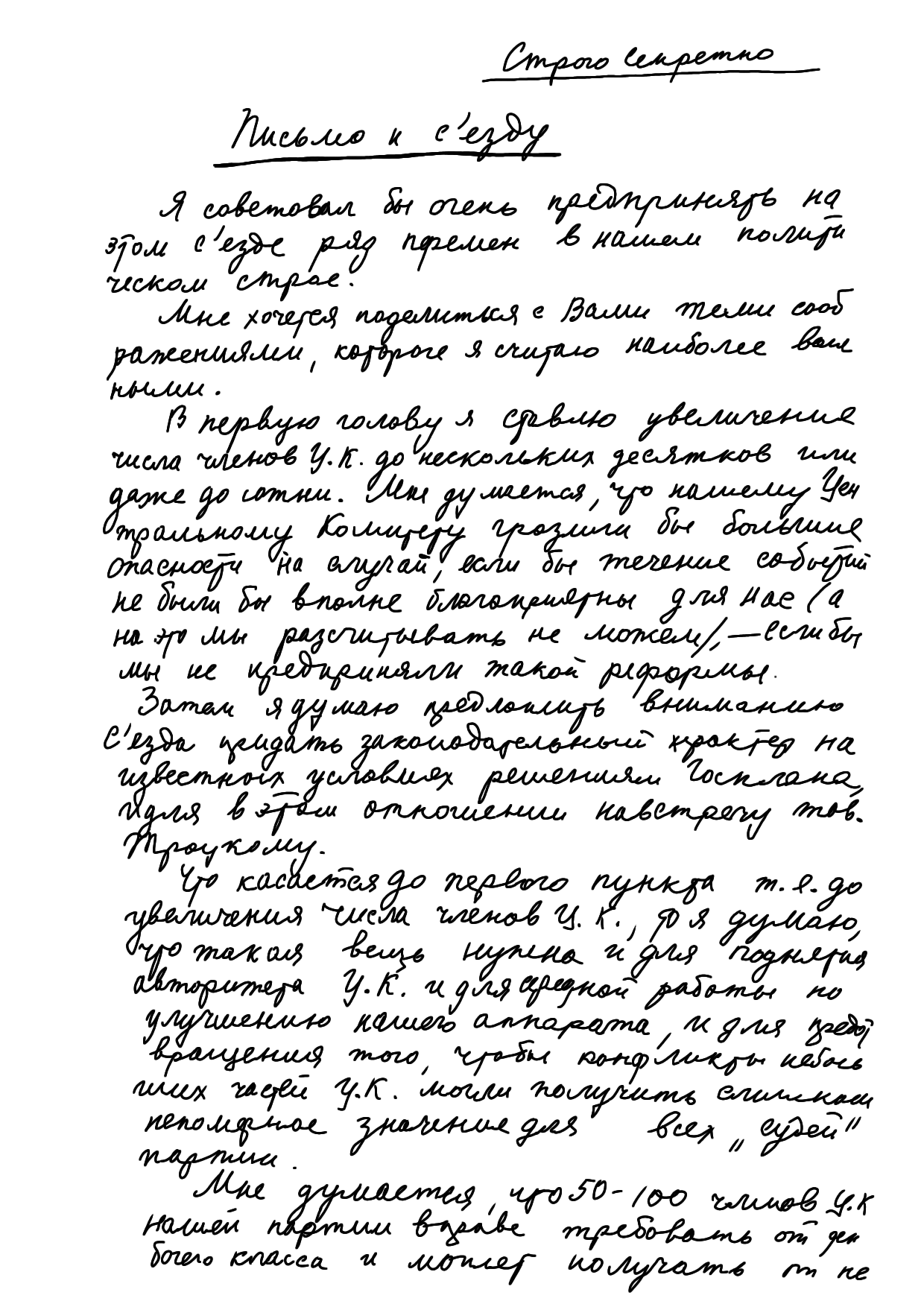 Letter
Primary source
Lenin's Testament
Vladimir Lenin · late 1922 – early 1923
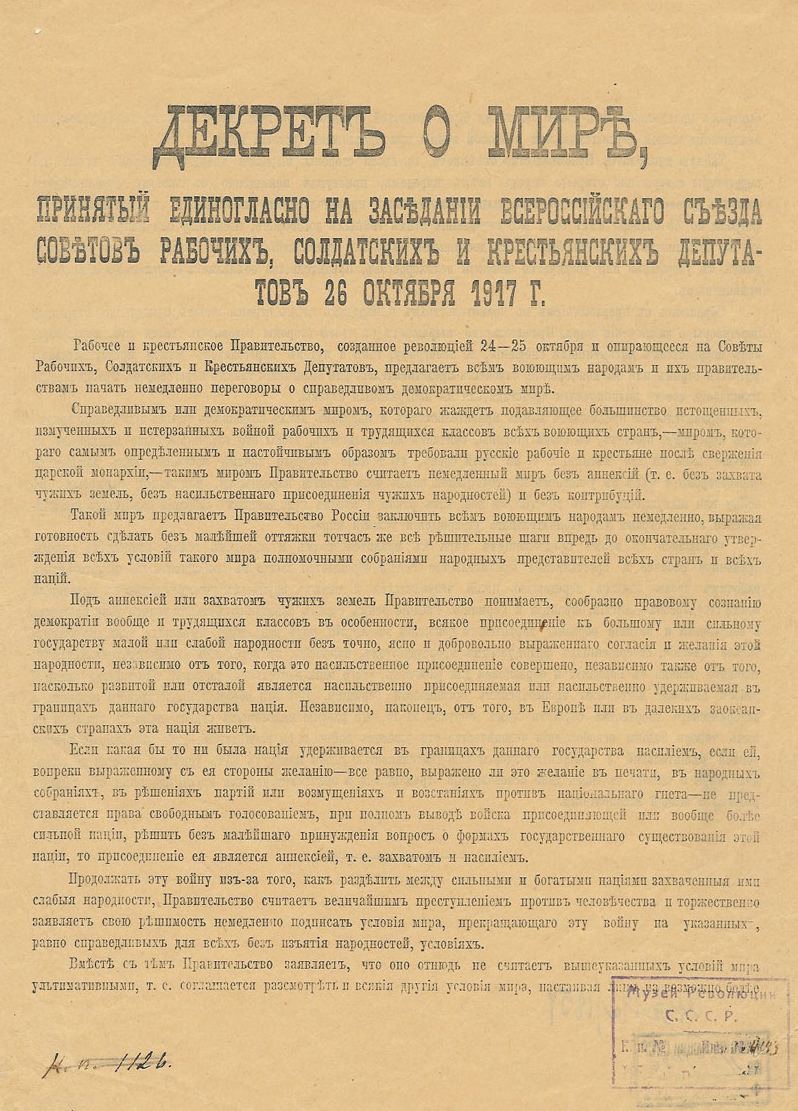 Document
Primary source
Decree on Peace
Vladimir Lenin · 8 November 1917 (26 October O.S.)
Ready when you are
Start chatting with Vladimir Lenin now.
20 messages free · No credit card · Available in 50+ languages.