


Primary sourceDocument13 January 1847
Treaty of Cahuenga
José Antonio Carrillo (drafter); signed by John C. Frémont and Andrés Pico · 13 January 1847
The 1847 agreement signed by Frémont and Andrés Pico that ended fighting between Americans and Californios during the Mexican-American War in California.
Kearny was left out of this treaty's signing, fueling the command dispute with Frémont that shaped his time in California.
About this source
What it is
The Treaty of Cahuenga, also called the Capitulation of Cahuenga, was signed on 13 January 1847 at Campo de Cahuenga. It was drafted in English and Spanish by José Antonio Carrillo and signed by John C. Frémont for the American forces and Andrés Pico for the Mexican forces.
Why it matters
The treaty ended fighting in Alta California during the Mexican-American War, allowing Californios to return home peacefully if they agreed not to fight again. It was made without approval from Washington or Mexico City, and it later caused tension between Frémont and General Kearny that led to Frémont's court-martial. It also shows the influence of Bernarda Ruiz de Rodriguez, who urged a generous peace.
Look closer
- Why might a treaty signed without official approval still be honored by both governments?
- What does the involvement of Bernarda Ruiz de Rodriguez suggest about who shapes history beyond the named signers?
- What rights were promised to the Californios, and why might that matter for understanding the aftermath of the war?
This document is part of the curated material that grounds the AI version of Stephen W. Kearny and John C. Frémont on Humy.ai — when students ask about related events, the AI can quote it and cite it.
More Stephen W. Kearny sources
Meet the AI Stephen W. Kearny →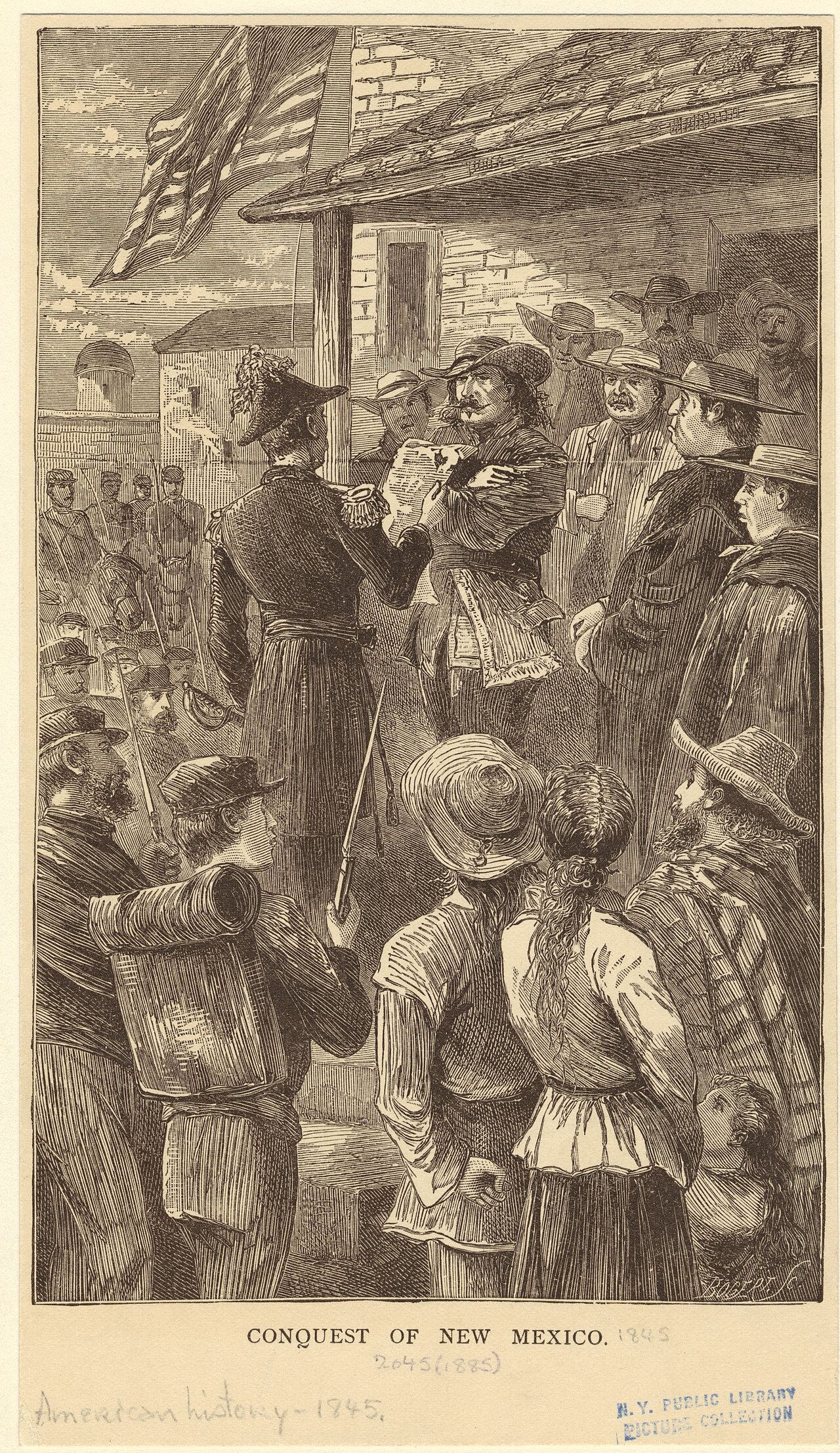 Painting
Secondary source
Conquest of New Mexico
1882 (depicting an event of 15 August 1846)
Primary source
Thirty Years' View
Thomas Hart Benton · 1854-1856
 Painting
Secondary source
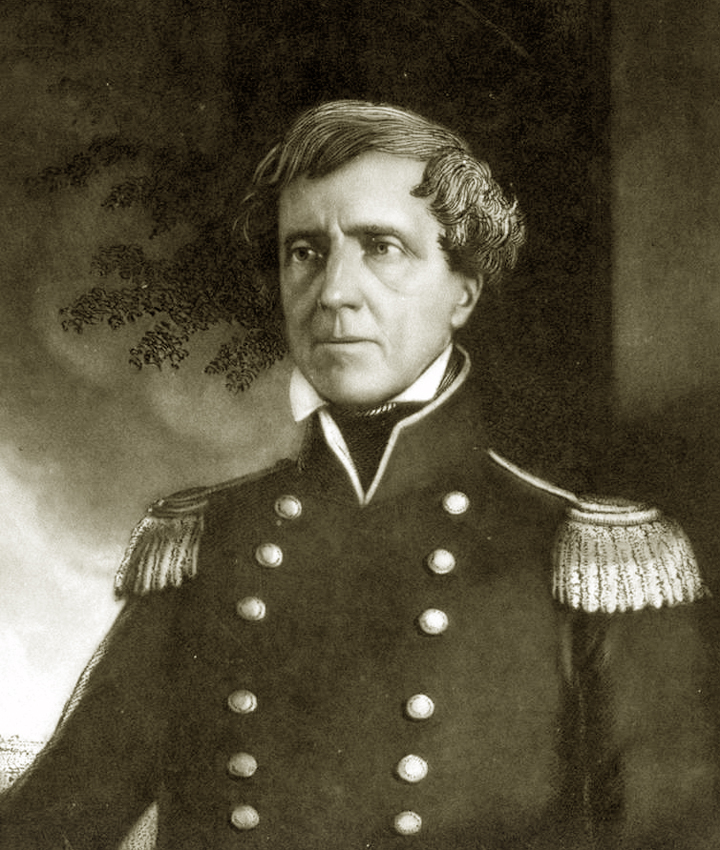
Portrait of Stephen W. Kearny
Primary source
Treaty of Guadalupe Hidalgo
Nicholas Trist; Mexican commission · 2 February 1848
 Book
Primary source
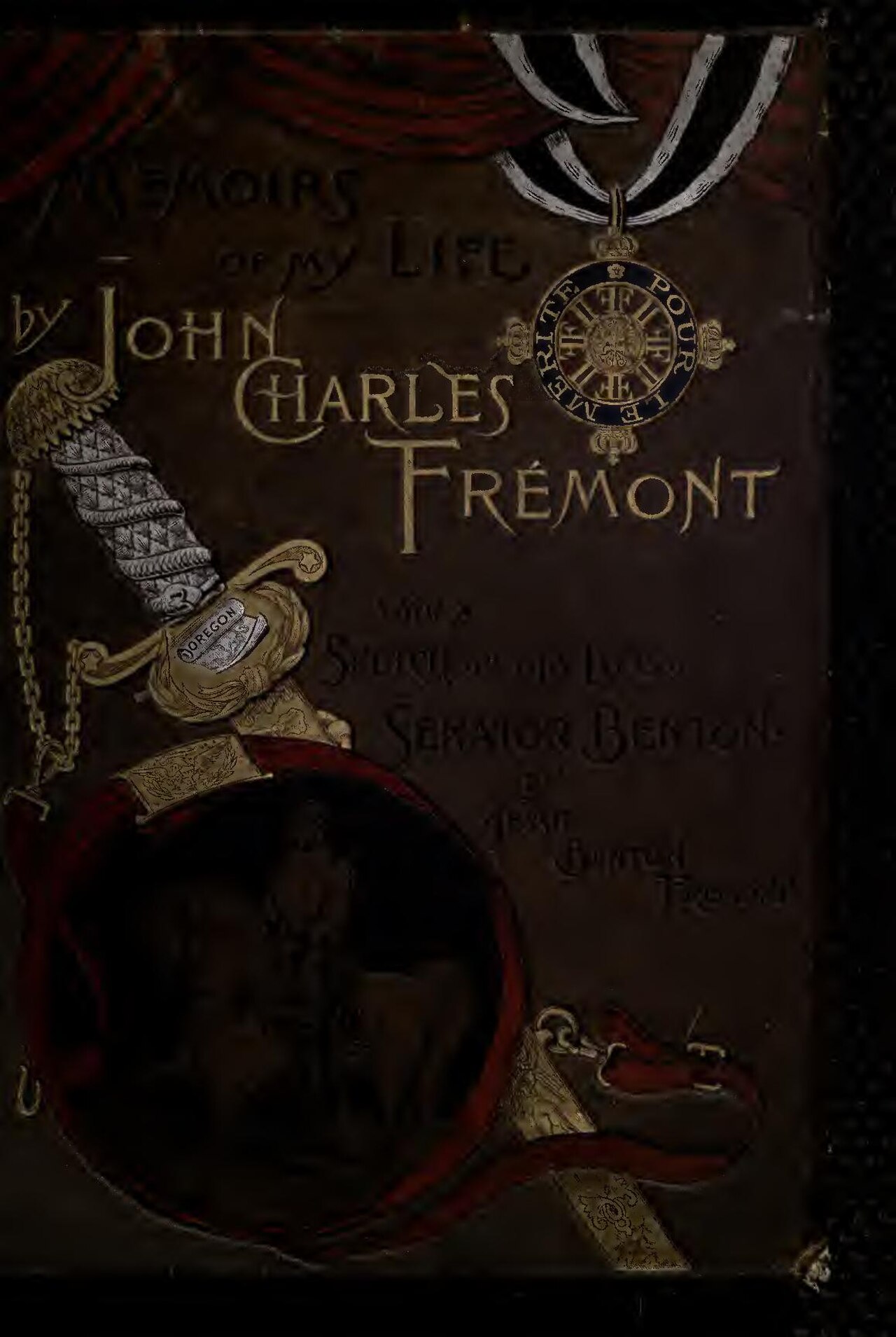
Memoirs of My Life
John C. Frémont · 1887
Ready when you are
Start chatting with Stephen W. Kearny now.
20 messages free · No credit card · Available in 50+ languages.