


Primary sourceDocument10 May 1871
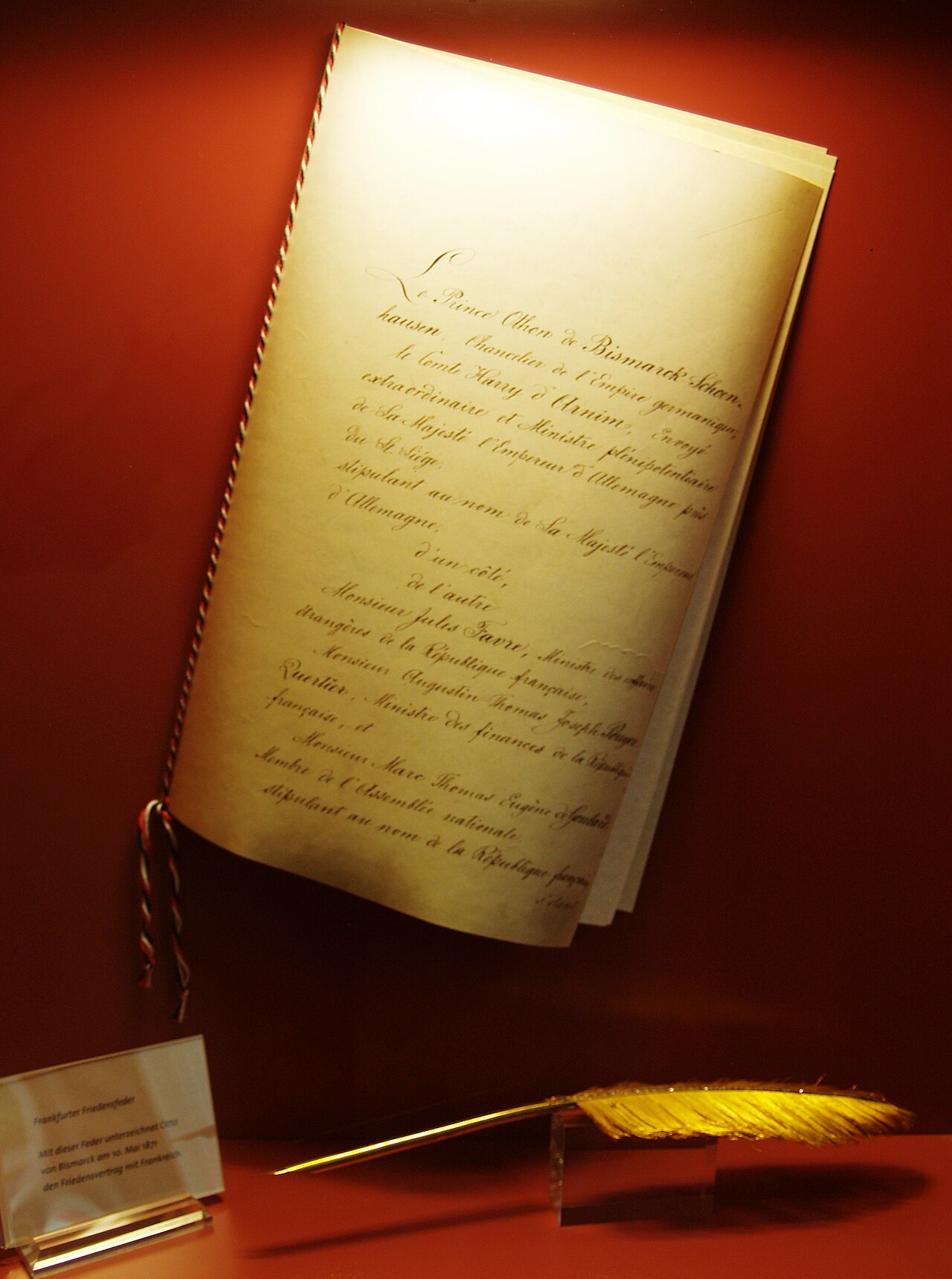
Treaty of Frankfurt
Otto von Bismarck; Jules Favre · 10 May 1871
The 1871 peace treaty Bismarck signed ending the Franco-Prussian War, taking Alsace-Lorraine from France.
Bismarck negotiated and signed this treaty, shaping the harsh peace that defined his later diplomacy toward France.
About this source
What it is
The Treaty of Frankfurt was signed on 10 May 1871 in Frankfurt by the German Empire and the French Third Republic, ending the Franco-Prussian War. It was signed on the German side by Chancellor Otto von Bismarck.
Why it matters
The treaty forced France to cede Alsace and most of Lorraine to Germany and pay a huge war indemnity, while recognising Wilhelm I as German Emperor. It confirmed German unification but left deep French resentment, feeding a desire for revenge that shaped European politics for decades and later became one of the causes historians point to for World War I.
Why it matters
Look closer
- Why might harsh territorial and financial terms create problems for peace later on?
- What does the treaty reveal about how nationalism and strategy shaped the new German-French border?
- Whose voices are missing from a treaty negotiated between governments?
This document is part of the curated material that grounds the AI version of Otto von Bismarck on Humy.ai — when students ask about related events, the AI can quote it and cite it.
More Otto von Bismarck sources
Meet the AI Otto von Bismarck →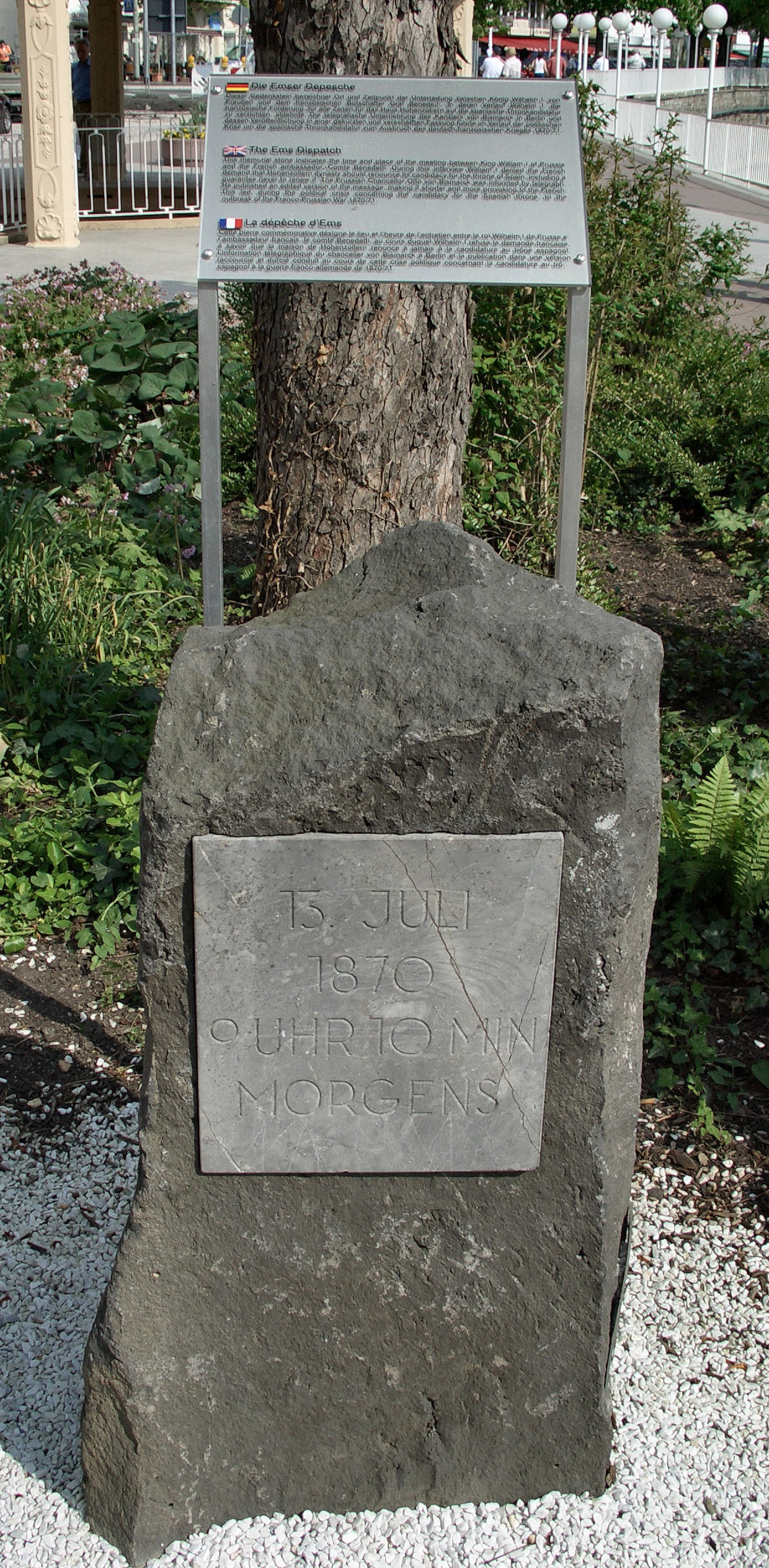 Document
Primary source
Ems Dispatch
Otto von Bismarck · 13 July 1870
 Painting
Secondary source
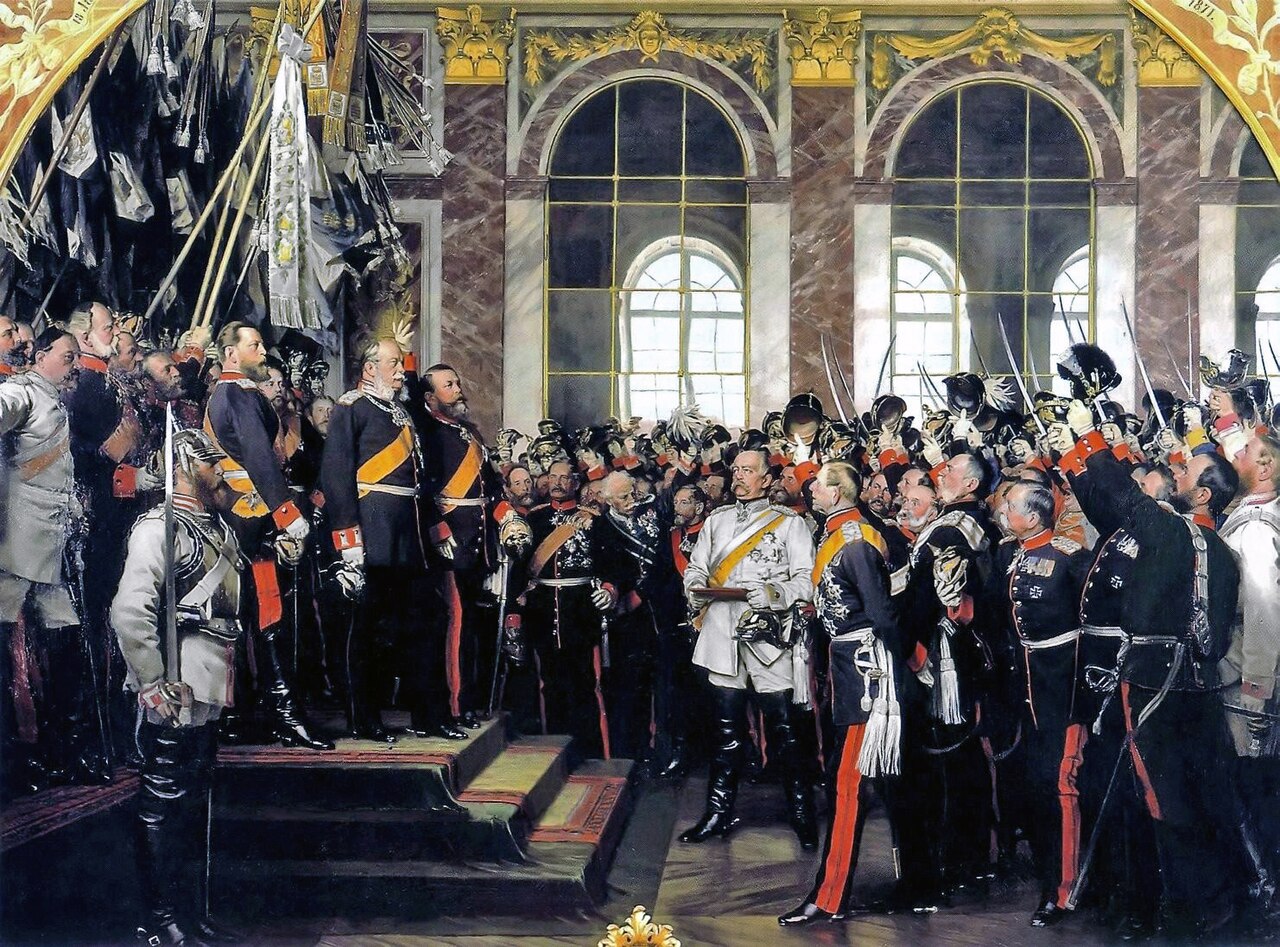
Proclamation of the German Empire at Versailles
Anton von Werner · 1885
 Document
Primary source
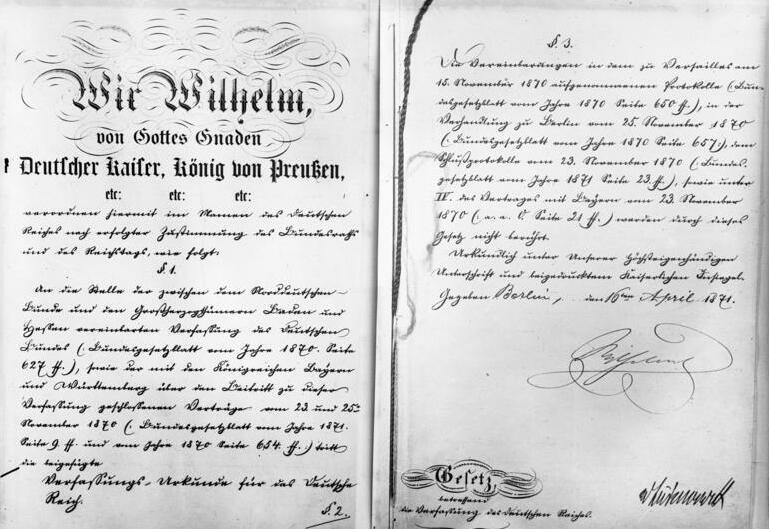
Constitution of the German Empire
4 May 1871
 Painting
Secondary source
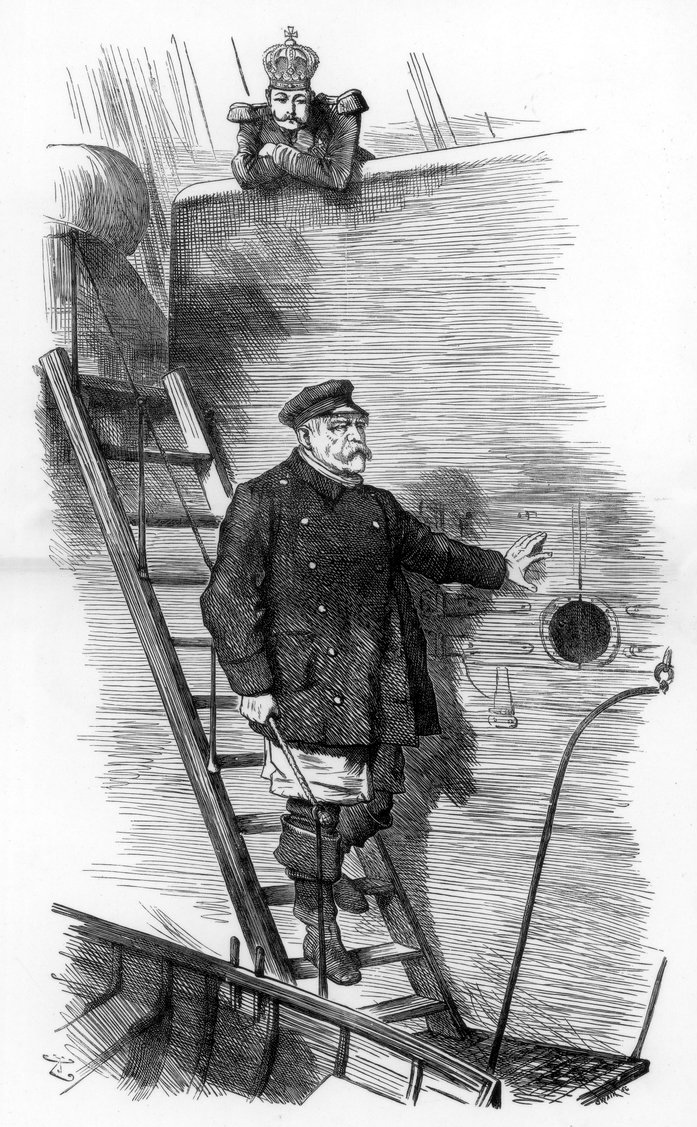
Dropping the Pilot
John Tenniel · 29 March 1890
 Document
Primary source
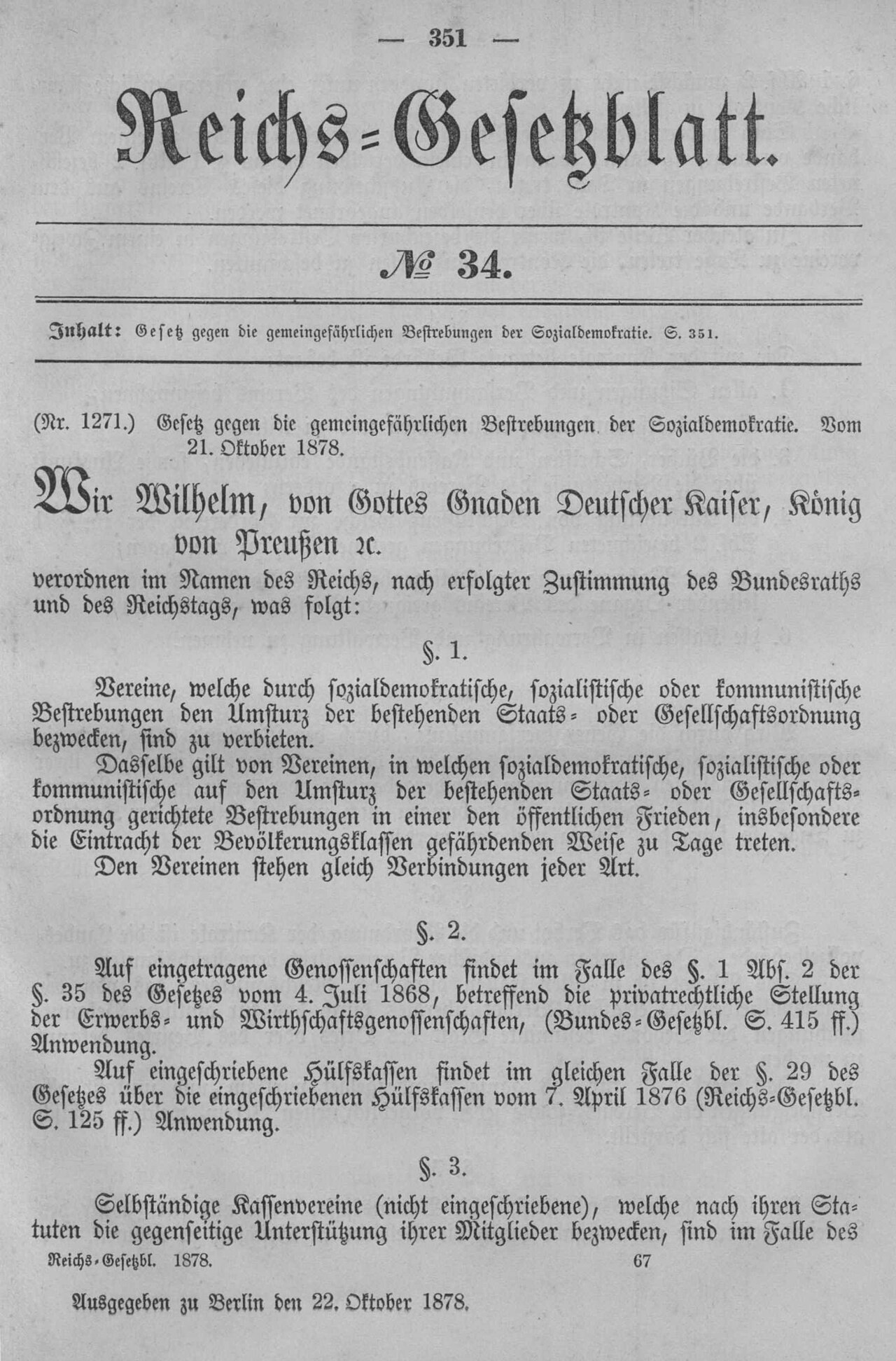
Anti-Socialist Law
21 October 1878
Ready when you are
Start chatting with Otto von Bismarck now.
20 messages free · No credit card · Available in 50+ languages.