


Primary sourceDocument1648
Treaty of Osnabrück
Plenipotentiaries of Sweden, the Emperor and the Imperial Estates · 1648
One of the Peace of Westphalia treaties of 1648, ending the Thirty Years' War, negotiated for Sweden under Oxenstierna's direction.
Negotiated by his son under his instructions; Oxenstierna blamed the limited Swedish gains on Queen Christina's interference.
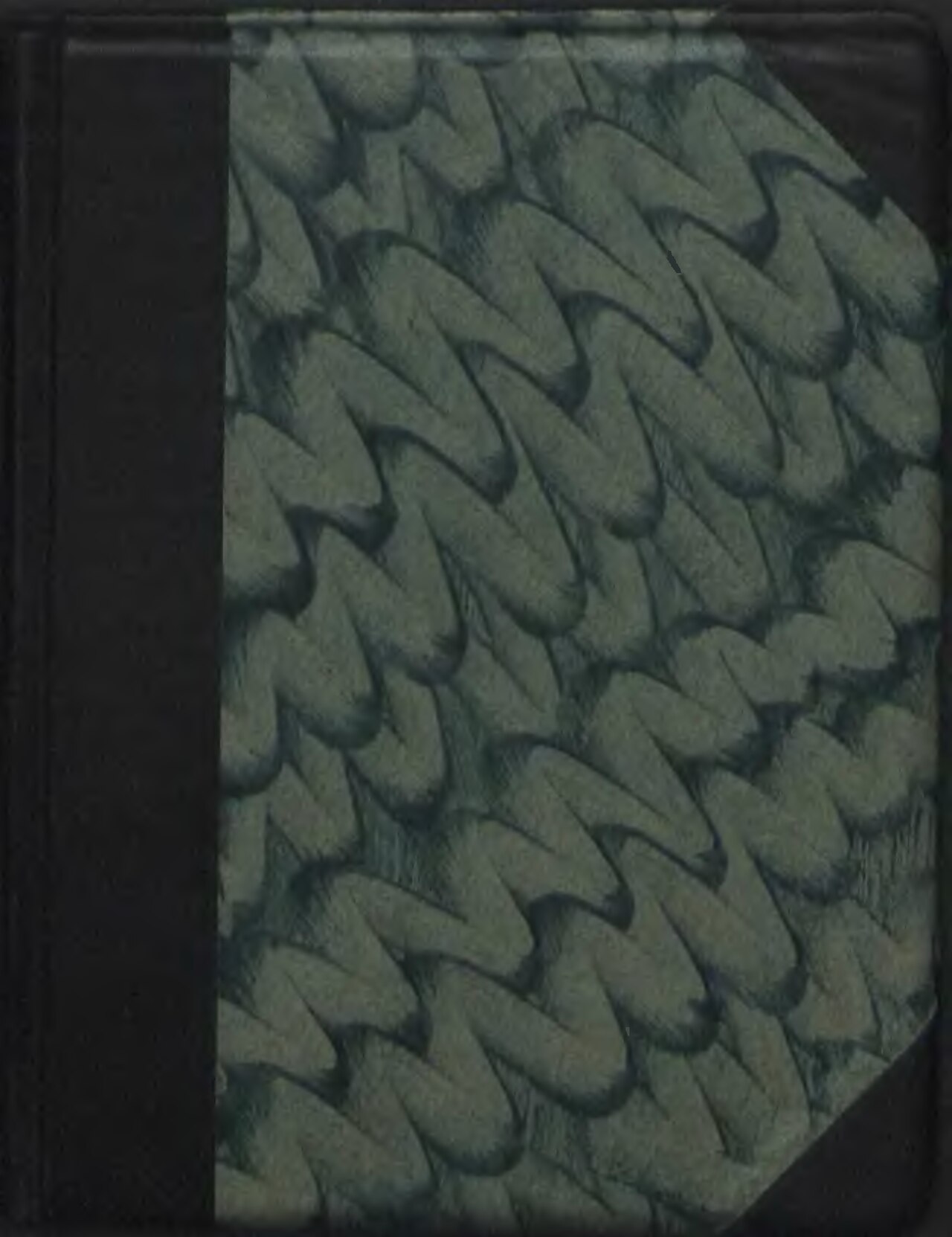
About this source
What it is
This is the printed Latin text of the Treaty of Osnabrück, the Instrumentum Pacis Osnabrugensis, signed in 1648 between the Holy Roman Emperor and Sweden and their allies. It is held today by the Riksarkivet, the Swedish National Archives.
Why it matters
The treaty ended the Thirty Years' War, one of the most destructive conflicts in European history, and reshaped the political and religious map of Europe. Sweden's delegation was led by Johan Oxenstierna, son of the chancellor Axel Oxenstierna, who worked under his father's instructions. The gains Sweden made were considered limited, and Axel Oxenstierna blamed this partly on the interference of Queen Christina.
Look closer
- Why would a peace agreement need to be printed and read aloud publicly, as the title page describes?
- What does it tell us that a father directed negotiations carried out by his son?
- What might be left out of an official treaty text about the war's human cost?
This document is part of the curated material that grounds the AI version of Axel Oxenstierna on Humy.ai — when students ask about related events, the AI can quote it and cite it.
More Axel Oxenstierna sources
Browse all 91 →Primary source
Instrument of Government
Axel Oxenstierna · 29 July 1634
 Document
Primary source
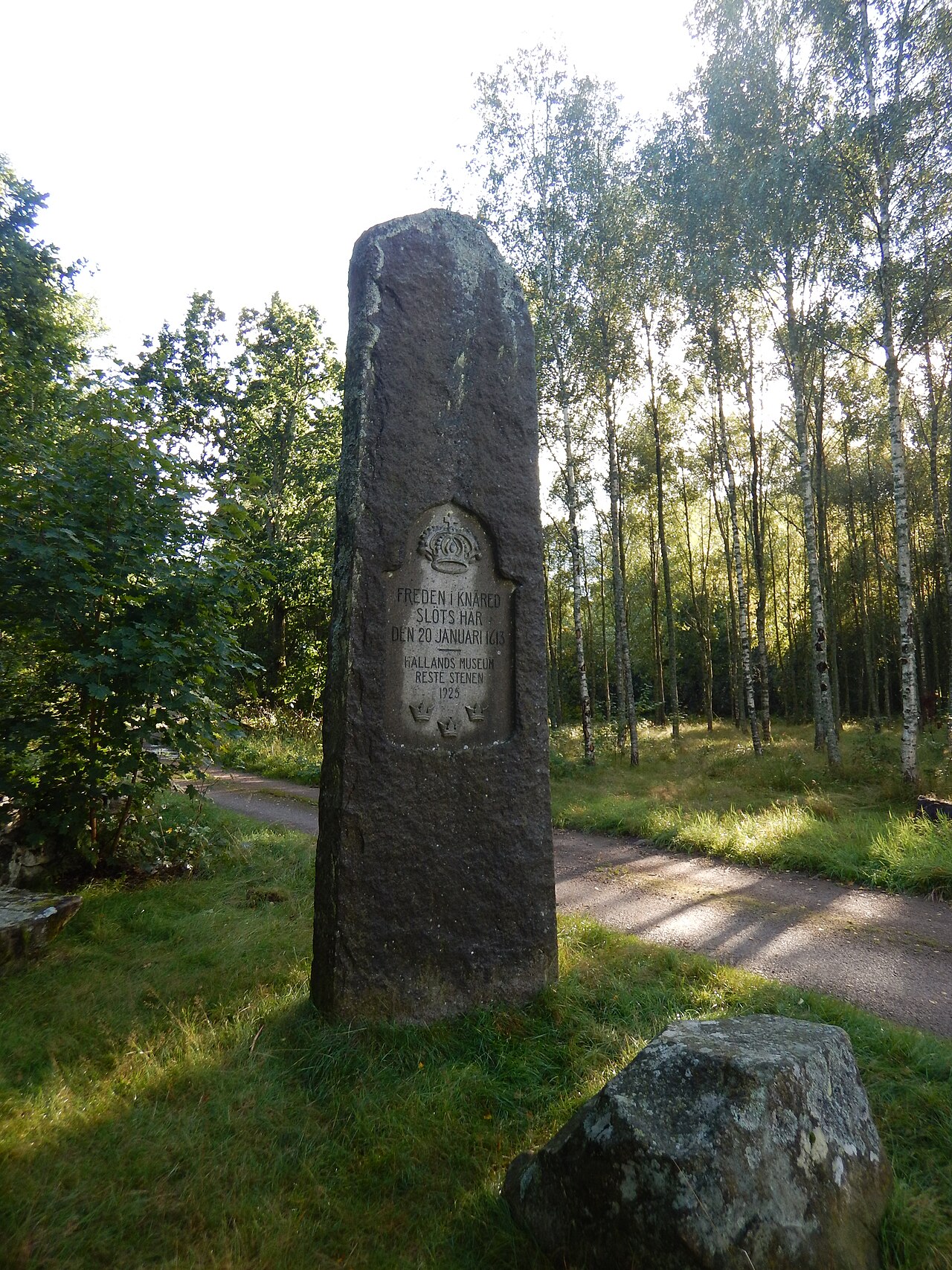
Treaty of Knäred
21 January 1613
 Document
Primary source
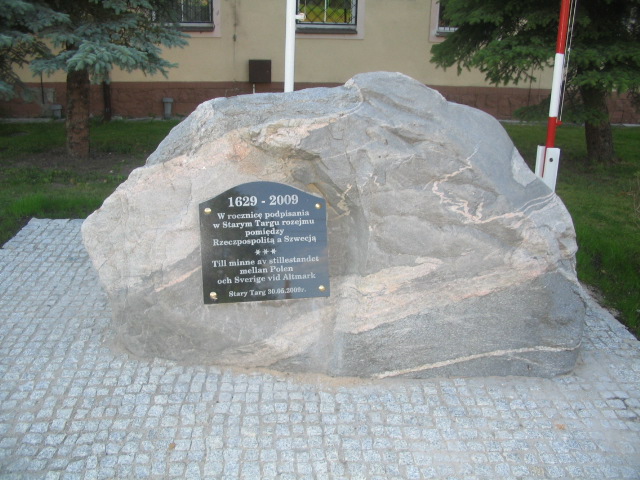
Truce of Altmark
26 September 1629
 Painting
Primary source
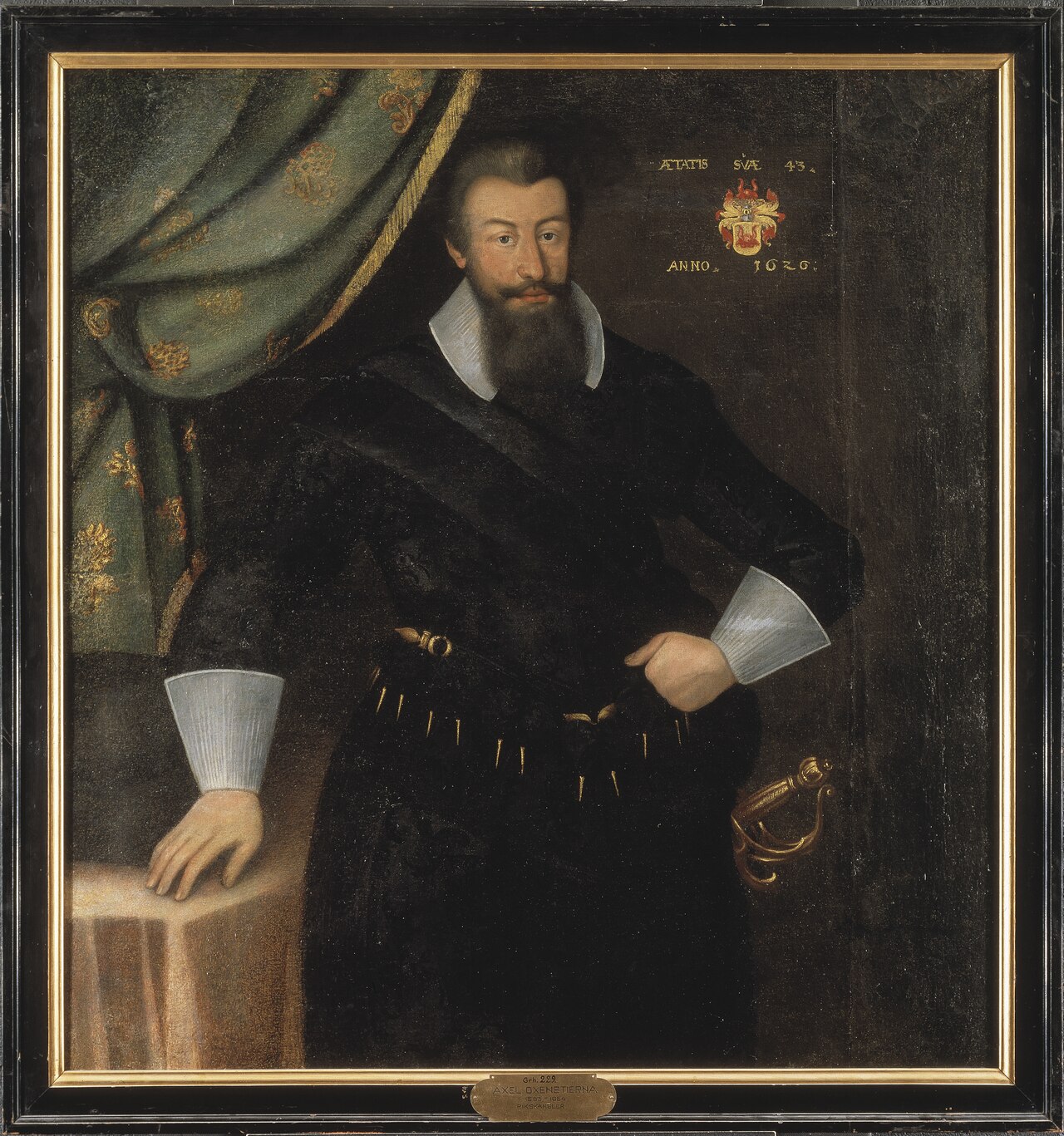
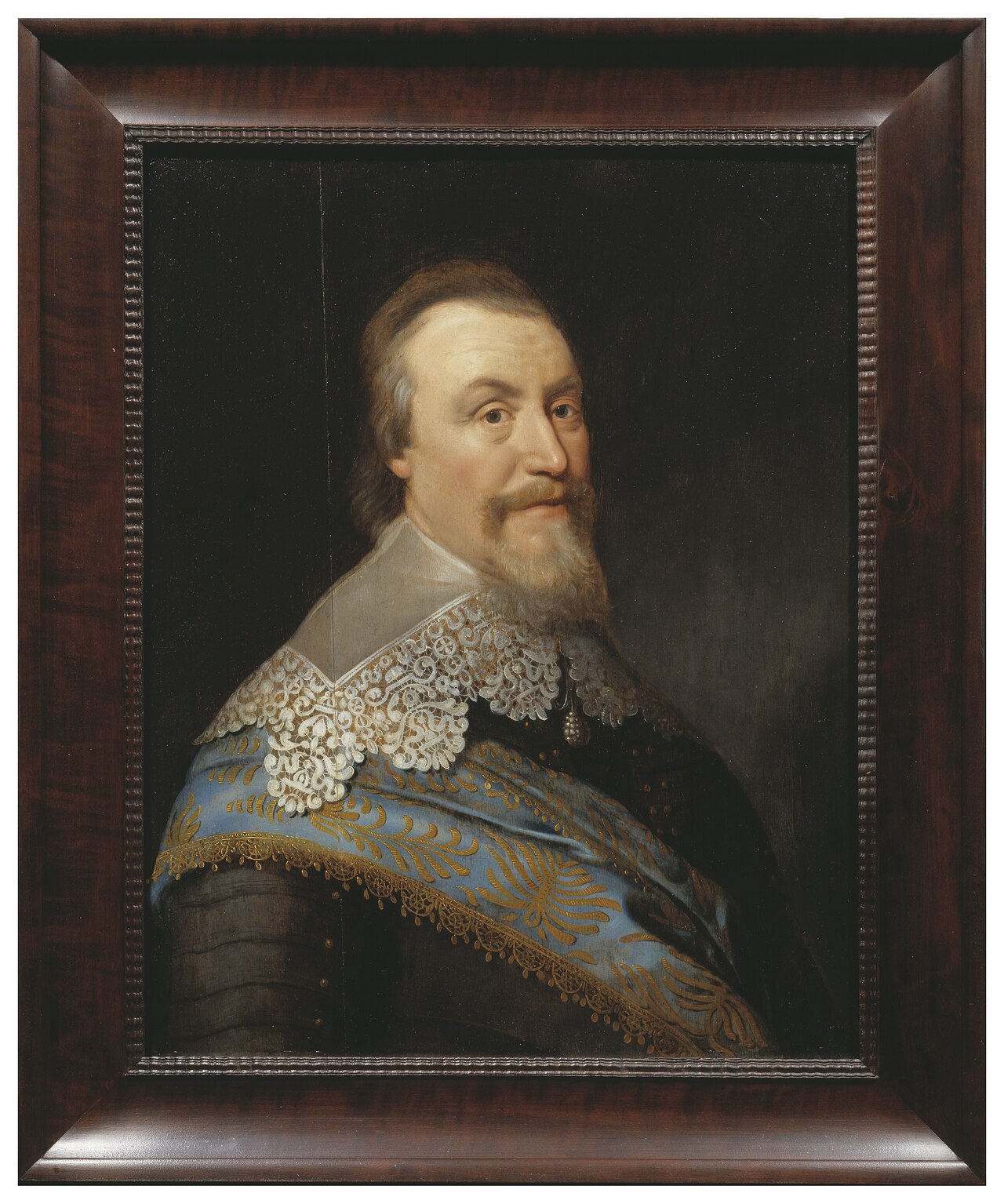
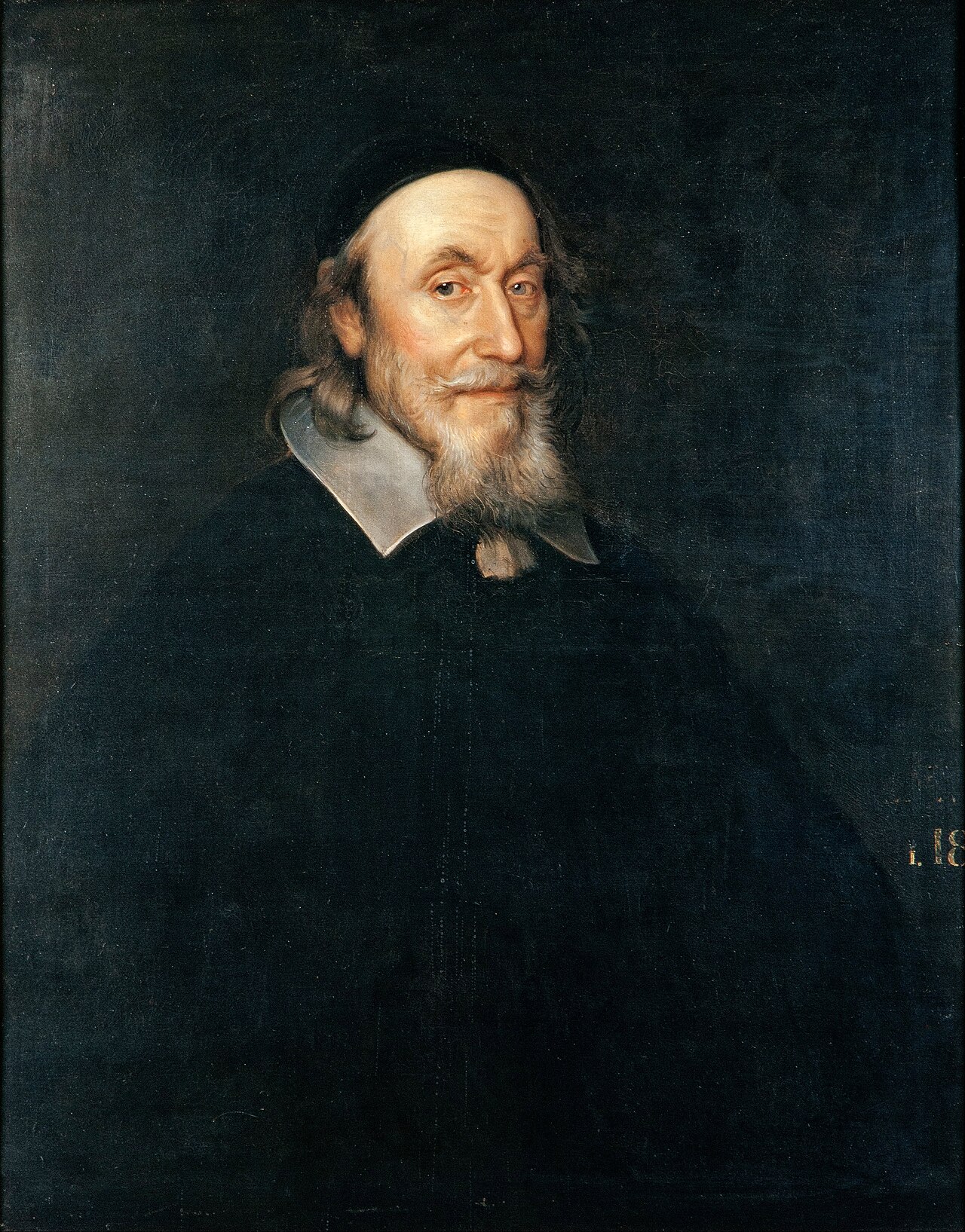
Axel Oxenstierna
Jacob Heinrich Elbfas · 1626
Free account
Read every Axel Oxenstierna source
Sign up free →
Ready when you are
Start chatting with Axel Oxenstierna now.
20 messages free · No credit card · Available in 50+ languages.