


Primary sourceDocument14 October 1809
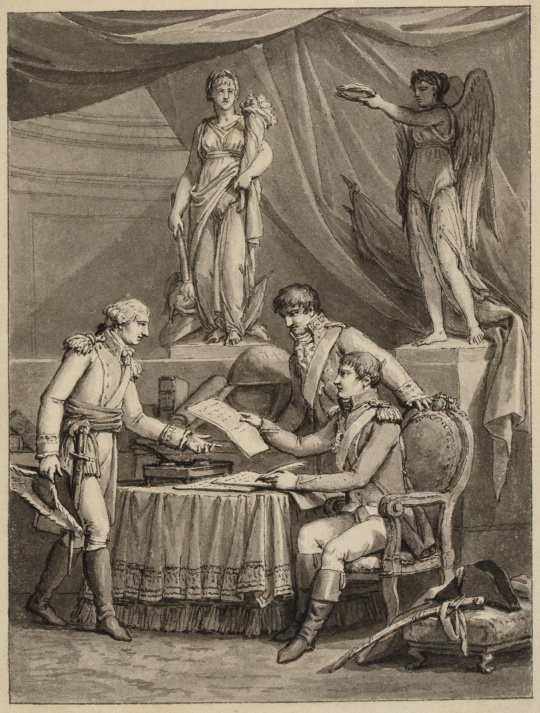
Treaty of Schönbrunn
14 October 1809
The harsh 1809 peace treaty that ended the war between France and Austria, leaving Francis I's empire landlocked and allied to Napoleon.
This punitive treaty, forced on Francis after defeat at Wagram, left his empire landlocked and allied to Napoleon.
Free Humy account · No credit card · 120,912 sources to read
About this source
What it is
The Treaty of Schönbrunn was signed between France and Austria at Schönbrunn Palace near Vienna on 14 October 1809, ending the War of the Fifth Coalition after Austria's defeat at the Battle of Wagram. It was negotiated for France by Napoleon's foreign minister and for Austria by Prince Johann von Liechtenstein, under Emperor Francis I.
Why it matters
The treaty stripped Austria of large territories and its Adriatic coastline, imposed a heavy indemnity, and forced Austria to apply Napoleon's trade blockade against Britain. A contemporary British commentator called it one of the most humiliating treaties in diplomatic history, mocking Francis for conceding so much. Austria's weakened position led Francis to marry his daughter Marie Louise to Napoleon the following year, temporarily allying the two empires.
Look closer
- What does the contemporary British quote in the sources suggest about how outsiders viewed Francis's position?
- Why might Francis have agreed to marry his daughter to the man who had just stripped his empire of territory?
- What does this treaty suggest about the limits of Francis's power at this point in his reign?
This document is part of the curated material that grounds the AI version of Francis II, Holy Roman Emperor on Humy.ai — when students ask about related events, the AI can quote it and cite it.
More Francis II, Holy Roman Emperor sources
Browse all 91 →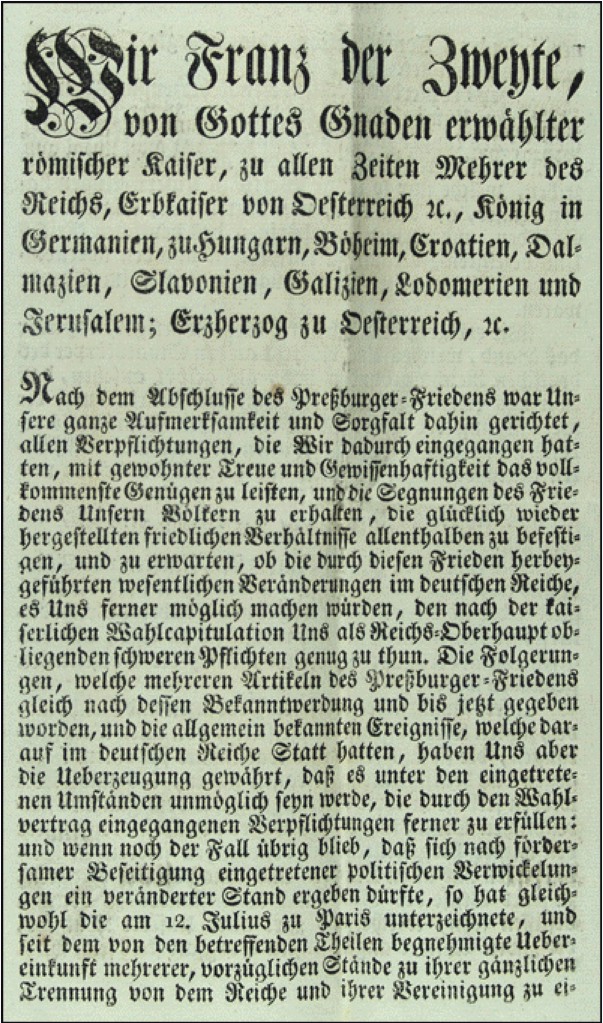 Document
Primary source
Declaration of the Laying Down of the Imperial Crown
Francis II, Holy Roman Emperor · 6 August 1806
 Document
Primary source
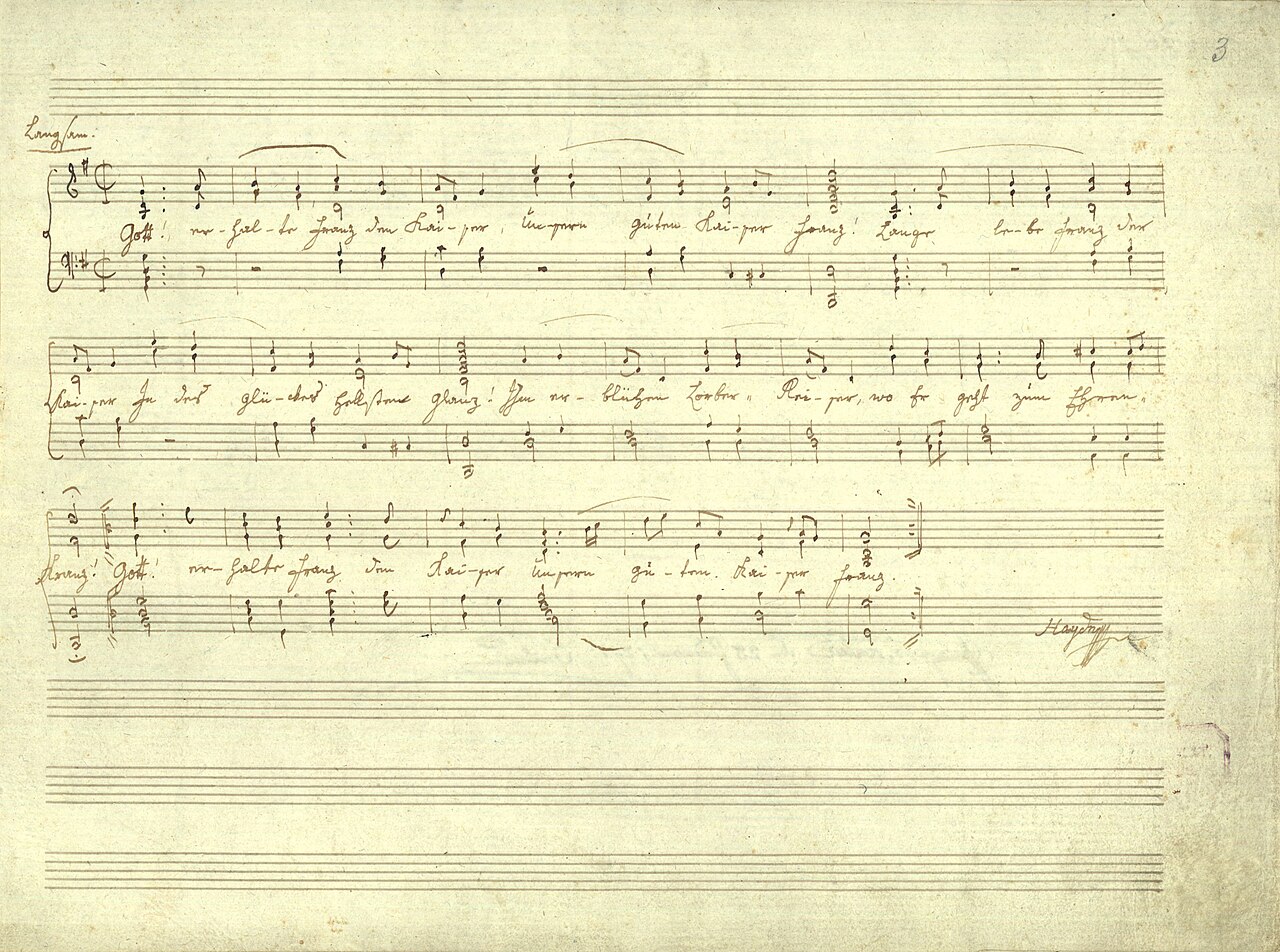
Gott erhalte Franz den Kaiser
Joseph Haydn · 1797
 Document
Primary source
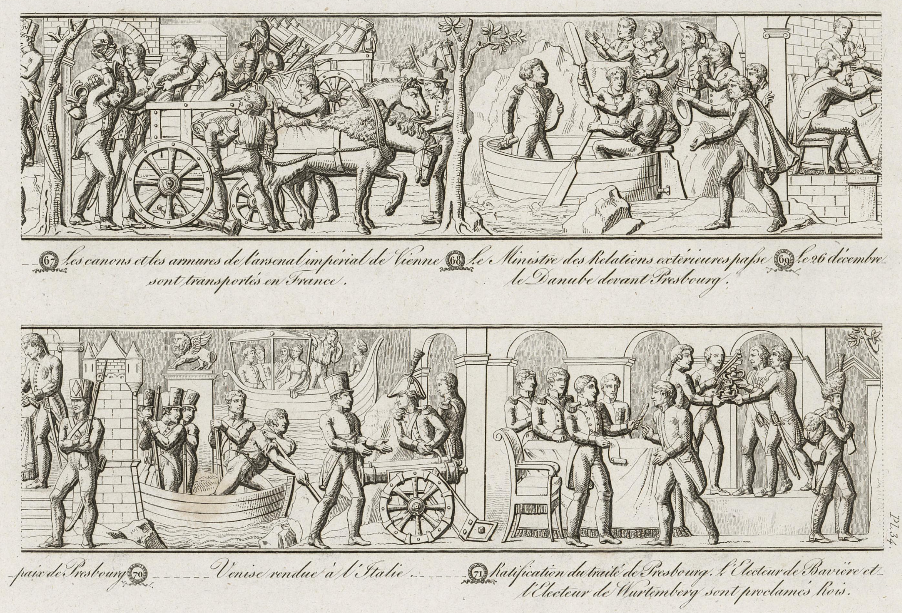
Peace of Pressburg
26 December 1805
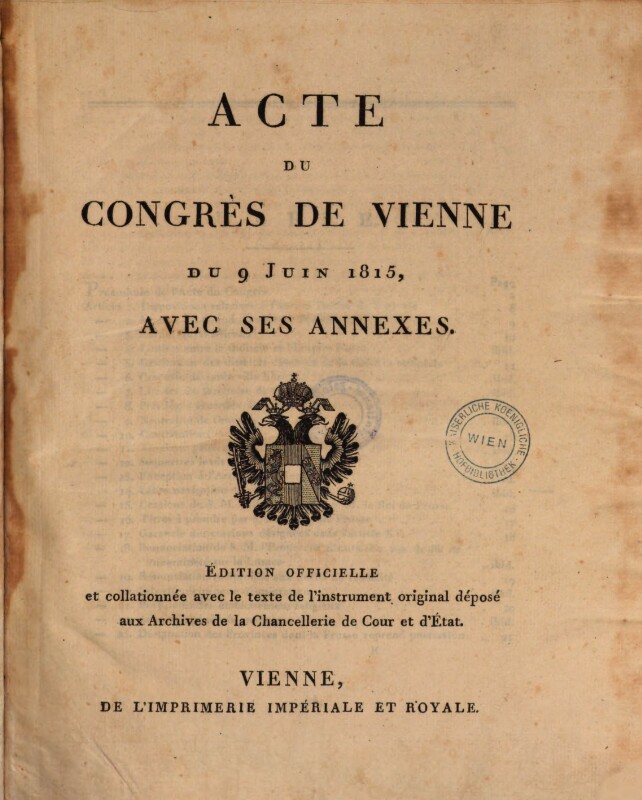 Document
Primary source
Final Act of the Congress of Vienna
9 June 1815
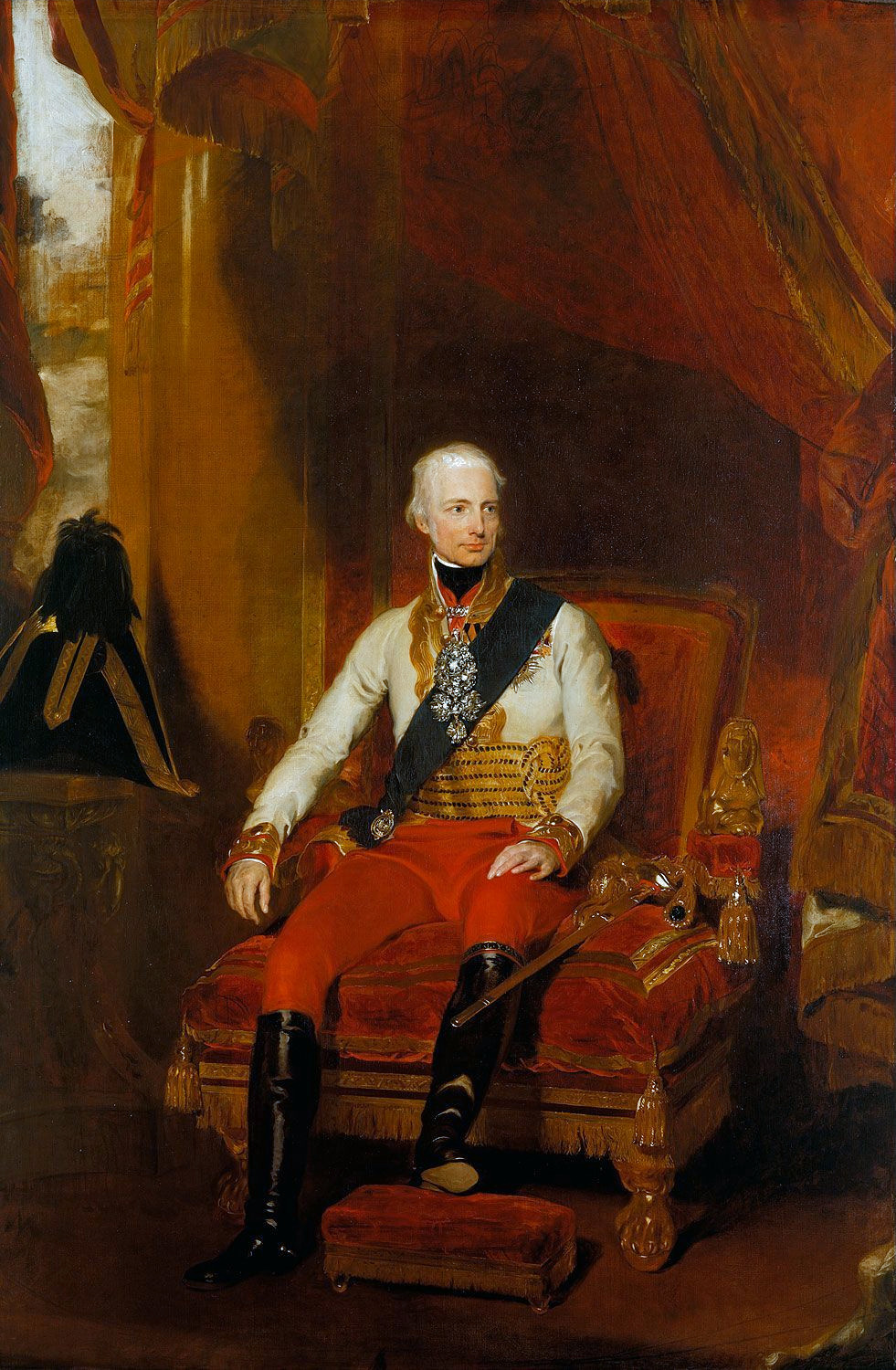
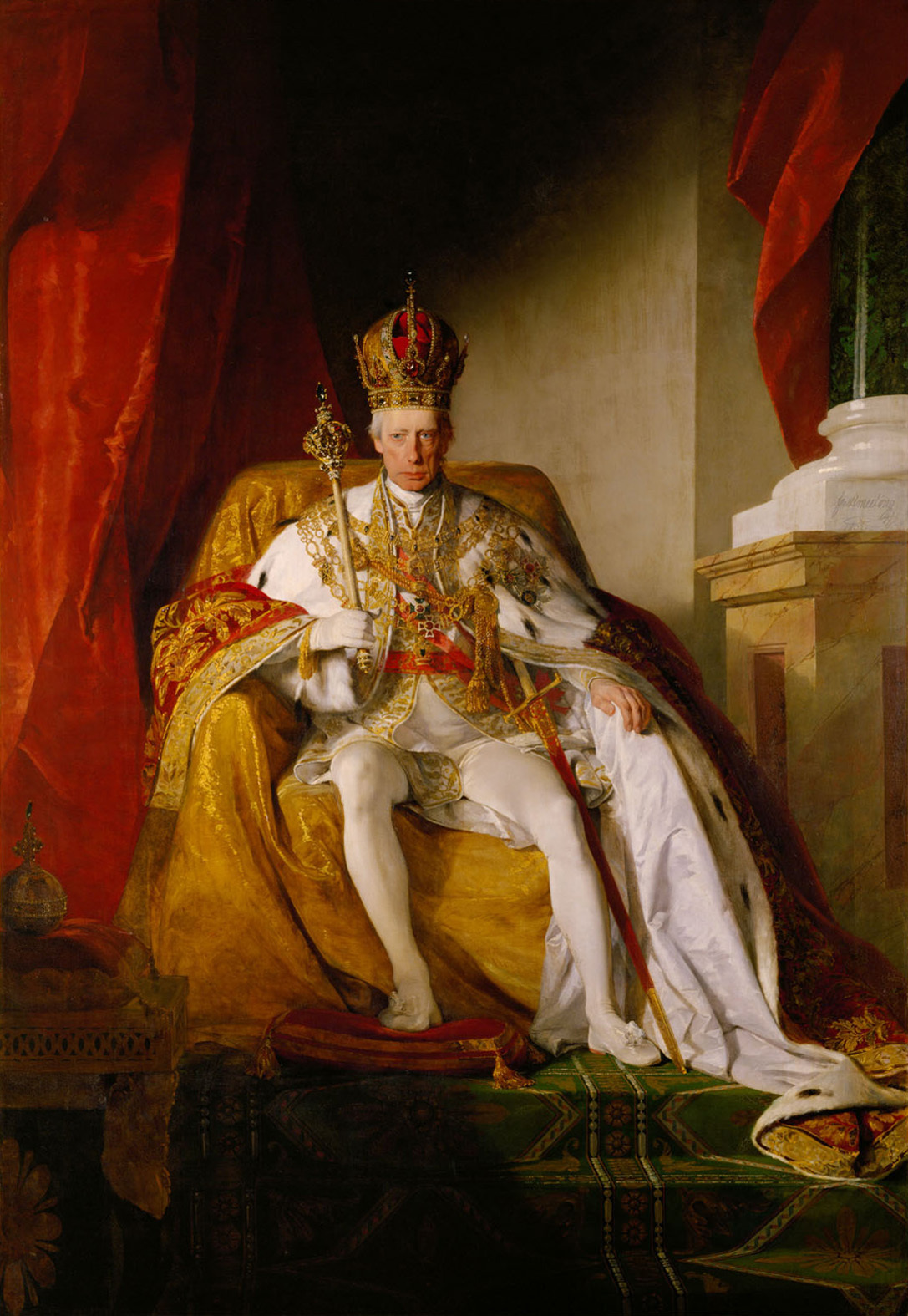
Free account
Read every Francis II, Holy Roman Emperor source
Sign up free →
Ready when you are
Start chatting with Francis II, Holy Roman Emperor now.
20 messages free · No credit card · Available in 50+ languages.